 免费领取教师福利


若您为此资料的原创作者,认为该资料内容侵犯了您的知识产权,请扫码添加我们的相关工作人员,我们尽可能的保护您的合法权益。


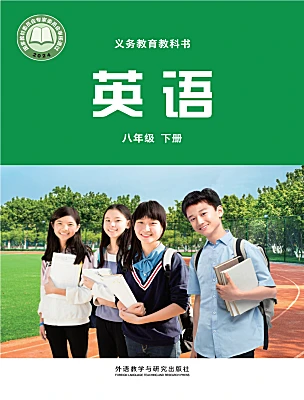
这是一份英语外研版(2024)Unit 4 Helping outUnderstanding ideas教学ppt课件,共41页。PPT课件主要包含了Contents,语言能力,思维品质,学习能力,文化意识,教学重点,教学难点,教学重难点,excuse,afford等内容,欢迎下载使用。
掌握情态动词must、may、can表推测、可能性及许可的基本用法,能准确识别语境中三者的含义差异,能结合例句归纳基础用法规则。能运用所学情态动词完成句子填空、对话补全等练习,能围绕“助人”主题,用三者表达合理推测、请求许可或提出助人建议。能听懂、读懂含目标情态动词的简短对话和语篇,能提取关键信息,并用目标语法知识复述语篇核心内容,提升语言运用的准确性。
通过观察、分析例句,归纳情态动词的用法规律,培养逻辑思维和归纳总结能力,能区分三者表推测时的语气强弱差异。结合“助人”情境,运用情态动词进行合理推测和判断,思考不同助人场景下的恰当表达,培养辩证思维和情境适配能力。在小组讨论、情境练习中,主动表达观点、倾听他人意见,能对他人的表达进行简单评价和修正,培养批判性思维和合作思维。
学会运用观察归纳法、语境分析法学习语法知识,能主动梳理情态动词的用法,养成整理语法笔记、总结易错点的良好习惯。能主动参与课堂练习、小组合作等活动,主动请教疑问,敢于尝试用目标语法表达,提升自主学习和合作探究的能力。能结合课后练习和生活情境,自主巩固语法知识,学会利用工具书、线上资源补充学习,提升知识迁移和自主提升能力。
了解中西方文化中“助人”的共性内涵,知晓用情态动词表达请求、推测时的礼貌原则,培养跨文化交际意识。结合单元主题,体会助人的价值与意义,培养同理心和社会责任感,树立乐于助人、关爱他人的良好品德。尊重不同文化中助人方式的差异,学会用礼貌、恰当的英语表达助人意愿,提升跨文化沟通中的语言得体性。
掌握情态动词must(肯定推测)、may(可能推测)、can(可能性/许可)的核心用法,能准确区分三者在语气和含义上的基础差异。在具体语境中,正确运用目标情态动词完成填空、对话等练习,能围绕“助人”主题进行简单的口语表达和书面练习。能从单元语篇中提取含目标情态动词的句子,归纳用法规则,并能结合语篇语境理解其具体含义。
灵活区分may与can表可能性的差异,掌握can表推测时多用于否定句和疑问句、may多用于肯定句的用法规则,避免混淆使用。结合具体“助人”情境,准确选择情态动词,灵活表达推测、许可或建议,确保语言表达符合语境,提升语法运用的灵活性。避免情态动词使用中的常见错误(如后接动词三单、混淆mustn't与needn't含义),能在练习中主动发现并修正错误。
Cmplete the sentences based n what yu have learned.
He made an ________ fr being late. (excuse)I can't ________ such an expensive cmputer. (affrd)T my great ______________, he didn't cme. (disappint)She is receiving medical _________ in the hspital. (treat)He didn't _________ his prblem t me. (mentin)Yu shuld speak _________ if yu disagree. (direct)We finally fund a gd _________ t the prblem. (slve)His ____________ lk shwed he failed the exam. (disappint)We can't affrd ________ any lnger. (wait)Dn't frget ___________ yur idea in class. (mentin)
disappintment
disappinted
Grammar Review
shuld 相关shuld 的意思是____________,语气 ______,属于 ______动词,______人称 / 数的变化,核心是表达说话人的看法、建议、责任、道德、合理推测,______强制命令。shuld 的肯定句结构:主语 + shuld + __________shuld 的否定句结构:主语 + shuld nt ( __________) + 动词原形shuld 的一般疑问句结构:________ + 主语 + 动词原形…?shuld 的特殊疑问句结构:疑问词 + shuld + 主语 + 动词原形…?shuld 的三大核心用法:(1)表示 ______、劝告(最常用);(2)表示责任、义务、______(主观认为 “应该做”);(3)表示 ____________(按道理 “应该会……”)。
have t 相关have t 的意思是 _____________,语气 ______,来源是外界规定、客观条件、别人要求,属于 __________动词结构,____人称、时态变化。have t 一般现在时肯定句结构:主语(I/yu/we/they)+ ________ + 动词原形;主语(he/she/it)+ ______ + 动词原形。have t 的否定句结构:___________ /_____________ + 动词原形,意思是 、(≠ mustn't 不准、禁止)。have t 的一般疑问句结构:______ /______ + 主语 + have t + 动词原形…?have t 的时态变化:(1)过去时:______(所有人称一致);(2)将来时:____________。
dn't have t desn't have t
D Des
will have t
二者区别核心区别:______ vs 客观shuld:说话人______认为 “应该”,属于建议、看法;have t:______规定、事实、别人要求,不得不、必须。语气区别shuld:______、商量、建议;have t:______、客观、没办法否定含义完全不同:shuldn't:________(不该做,做了不对);dn't have t:______(可做可不做,不强制)。
Read the sentences frm the reading passage and summarise thegrammar rules.
(a) Well, crayns may carry viruses and spread diseases.(b) It can be bring t wait fr X-rays and treatments.(c) There must be smething fr me t d.
Nw find mre sentences with these structures in the reading passage.
Excuse me, may I have a purple crayn, please?Then they must be thrwn away.Srry, but I can't find ne.
They can nly be used nce.There must be smething fr me t d.It might sund impssible.
1. 核心用法表示能力(能、会)指具备做某事的能力、技能,是最常用用法。例句:I can speak English. 我会说英语。She can play the pian. 她会弹钢琴。过去式:culd,表过去的能力例句:He culd swim when he was 5. 他 5 岁时就会游泳了。表示许可(可以)口语中用于请求 / 给予许可,语气比 may 更随意、非正式。请求许可:Can I use yur pen? 我能用一下你的笔吗?给予许可:Yu can leave nw. 你现在可以走了。否定:can't(不可以、禁止)
例句:Yu can't smke here. 你不能在这里抽烟。表示推测(可能)用于肯定句 / 否定句,表示对现在 / 将来的推测,可能性比 may 高。肯定句:That can be true. 那可能是真的。否定句:He can't be at hme. 他不可能在家。(表 “不可能”,语气强烈)注意:can 表推测不用于肯定句的肯定推测(肯定推测用 must),仅用于否定 / 疑问。表示请求:Culd yu help me? 你能帮我一下吗?(culd 比 can 更委婉,不表过去)表示惊讶 / 怀疑:Hw can yu say that? 你怎么能这么说?
2. 语法结构肯定句:主语 + can + 动词原形例句:We can finish the wrk tday. 我们今天就能完成这项工作。否定句:主语 + can nt (can't) + 动词原形例句:Yu can't run in the hallway. 你不能在走廊里跑步。一般疑问句:Can + 主语 + 动词原形…?例句:Can yu cme t my party? 你能来参加我的聚会吗?回答:Yes, I can. / N, I can't. 是的,我可以。/ 不,我不能。特殊疑问句:疑问词 + can + 主语 + 动词原形…?例句:What can I d fr yu? 我能为你做些什么呢?
1. 核心用法表示许可(可以),正式、礼貌地请求 / 给予许可,语气比 can 更委婉、正式。请求许可:May I cme in? 我可以进来吗?给予许可:Yu may g nw. 你现在可以走了。否定:may nt(不可以),口语中常用 can't 替代例句:Yu may nt take phts here. 你不可以在这里拍照。表示推测(可能),用于肯定句,表对现在 / 将来的不确定推测,可能性比 can 低,比 must 低很多。例句:It may rain tmrrw. 明天可能会下雨。过去式 might:表可能性更低的推测,或过去的可能
例句:She might cme t the meeting. 她或许会来开会(可能性很低)。表示祝愿,用于正式的祝愿、祝福,结构:May + 主语 + 动词原形例句:May yu be happy frever! 祝你永远幸福!2. 语法结构肯定句:主语 + may + 动词原形例句:Yu may call me if yu need help. 你可以打电话给我,如果需要帮助的话。否定句:主语 + may nt + 动词原形例句:Yu may nt enter the rm withut permissin. 你未经许可不得进入该房间。一般疑问句:May + 主语 + 动词原形…?例句:May I ask yu a questin? 我可以问你一个问题吗?
回答:Yes, yu may. / N, yu may nt.(口语常用 N, yu can't.) 可以,你可以问。/ 不行,你不能问。特殊疑问句:疑问词 + may + 主语 + 动词原形…?例句:Where may I find the restrm? 我可以在哪里找到洗手间?
1. 核心用法表示必须、义务(必须),表主观上的强制、义务、命令,强调说话人的要求,语气强烈。例句:Yu must finish yur hmewrk n time. 你必须按时完成作业。We must bey the traffic rules. 我们必须遵守交通规则。否定:mustn't(禁止、绝对不能),语气极强例句:Yu mustn't play with fire. 你绝对不能玩火。注意:表 “不必” 用 dn't have t,不用 mustn't(mustn't 表禁止)表示肯定推测(一定、肯定),用于肯定句,表对现在的100% 肯定推测,语气最强。
例句:The light is n, s he must be at hme. 灯亮着,他一定在家。She must be tired after a lng trip. 长途旅行后她一定累了。否定:不能用 mustn't 表 “不可能”,用 can't例句:He can't be at hme.(√)他不可能在家。He mustn't be at hme.(×,意思是 “他禁止在家”,逻辑错误)表示偏偏、非要(表不耐烦),用于口语,表达对某人行为的不满、不耐烦。例句:Why must yu be s late? 你为什么非要这么晚?He must interrupt me when I'm talking. 他非要在我说话的时候打断我。2. 语法结构肯定句:主语 + must + 动词原形
例句:Yu must wear a seatbelt in the car. 在车内你必须系好安全带。否定句:主语 + must nt (mustn't) + 动词原形例句:Yu mustn't drive after drinking. 饮酒后切勿驾车。一般疑问句:Must + 主语 + 动词原形…?例句:Must I finish the wrk tday? 我今天必须完成这项工作吗?回答:Yes, yu must. / N, yu needn't. / N, yu dn't have t.(不能用 N, yu mustn't.)是的,你必须完成。/ 不,你不必完成。/ 不,你不必强制完成。特殊疑问句:疑问词 + must + 主语 + 动词原形…?例句:What must I d next? 接下来我该做什么呢?
表 “许可”:can vs may
表 “推测”:can vs may vs must
表 “必须”:must vs have t
过去式变化can → culd(表过去的能力 / 委婉请求)may → might(表过去的许可 / 更低可能性的推测)must 无过去式,表过去的 “必须” 用 had t例句:I had t finish the wrk yesterday.(我昨天必须完成工作)情态动词的回答规则Must I…? 回答:Yes, yu must. / N, yu needn't. / N, yu dn't have t.(绝对不能用 N, yu mustn't.)May I…? 回答:Yes, yu may. / N, yu may nt.(口语常用 N, yu can't.)
Can I…? 回答:Yes, yu can. / N, yu can't.情态动词 + have dne(表对过去的推测)must have dne:一定做了某事(肯定推测)例句:He must have missed the train. 他一定错过了火车。can't have dne:不可能做了某事(否定推测)例句:She can't have left hme. 她不可能已经离家了。may/might have dne:可能做了某事(不确定推测)例句:They might have frgtten the meeting. 他们可能忘了会议。
用 can /may/must 填空
Yu ______ be quiet in the library._________ I brrw yur dictinary?I ______ play the guitar, but I ______ play the pian.The grund is wet, s it ______ have rained last night.Yu ________ run in the classrm. It's dangerus.He ______ be at hme, because the dr is lcked.__________ yu help me carry the bx?Yu ______ wear a seatbelt when yu drive.
1. — ______ I use yur pen? — Yes, yu ______.A. May; canB. Must; mayC. Can; must2. Yu ______ smke in the hspital. It's against the rules.A. can B. mustn't C. dn't have t3. — Must I finish the hmewrk tday? — N, yu ______.A. mustn't B. can't C. needn't4. The light is n, s he ______ be at hme.A. can B. may C. must5. He ______ be at hme, because I saw him in the shp just nw.A. can't B. must C. may
Cmplete the sentences with must, may r can.
1 Yu be thirsty nw after the lng run. Here is a bttle f water fr yu.2 Yu didn't bring an umbrella? Take mine. It rain later.3 Here is my ntebk. Yu return it after the exam.
可能会下雨,但并不确定, may 表示可能性推测
用 can 表示允许(能力或允许的用法,不是推测)
A: That wman lks lst. She 2 need help.B: Yes. We 3 g and ask her.
Lk at the pictures and cmplete the dialgues with the crrect frm f the mdal verbs.
A: Lk at that man! It 1 be hard fr him t carry all the bxes!B: Let's give him a hand.
A: Is that Lily ver there?B: It 4 be her. She has the flu and has t stay at hme.A: That's t bad. The lessn tday is really imprtant.B: Dn't wrry. We 5 share ur ntes with her.
Wrk in pairs. Discuss things t d t help peple arund yu. Use the wrds and expressins frm the reading passage and the Useful expressins t help yu.
A helping hand
Wh needs yur help?
Why d they need help?
What can yu d t help?
Useful expressins
... may find it a challenge need a helping hand.Perhaps I can / culd...
... help... get must be smething fr me t d, such as...
A: Wh needs yur help?B: The ld man wh lives next dr.A: Why des he need yur help?B: He may find it a challenge t carry heavy things.A: What can yu d t help?B: There must be smething fr me t d, such as helping him carry heavy things when I see him and helping him clean his huse. Perhaps I can als talk with him t help him get thrugh the lnely time.
Sample Writing
a bttle f 一瓶(用来计量液体、颗粒状物品)
结构:a bttle f + 不可数名词 / 复数名词常见搭配:a bttle f water 一瓶水;a bttle f milk 一瓶牛奶例句:I need a bttle f water. 我需要一瓶水。注意事项:f 后面如果是可数名词,通常用复数,例如:a bttle f apples 一瓶苹果,较少用 → 更常用:a bttle f juice /water(液体)表示 “几瓶” 时,bttle 变复数,例如:tw bttles f milk 两瓶牛奶不能说 a bttle f bk /pen,bttle 只用于瓶装液体 / 颗粒,不用于固体物品。类似短语拓展:a glass f… 一杯…;a can f… 一罐…;a bx f… 一盒…;a bag f… 一袋…;a piece f… 一片 / 一张 / 一块…;a pair f… 一双 / 一副…
exam /ɪɡˈzæm/ n. 考试
例句:I have an English exam tmrrw. 我明天有一场英语考试。take an exam 参加考试例句:I will take an exam next week. 我下周要参加一场考试。pass an exam 通过考试例句:He passed the exam with high marks. 他高分通过了考试。fail an exam 考试不及格例句:She failed the math exam last term. 她上学期数学考试没及格。prepare fr an exam 备考例句:We are busy preparing fr the final exam. 我们正忙着准备期末考试。final exam 期末考试
例句:The final exam is cming sn. 期末考试马上就要到了。mid-term exam 期中考试例句:When is the mid-term exam? 期中考试在什么时候?1. examine /ɪɡˈzæmɪn/ v. 检查;审查;考察例句:The dctr will examine yu carefully. 医生会仔细给你做检查。2. examinatin /ɪɡˌzæmɪˈneɪʃn/ n. 考试;检查(比 exam 更正式)例句:After a medical examinatin, he felt relaxed. 体检之后,他感到很放松。3. examiner /ɪɡˈzæmɪnə(r)/ n. 考官;审查员例句:The examiner asked me three questins. 考官问了我三个问题。4. examinee /ɪɡˌzæmɪˈniː/ n. 考生;应试者例句:Every examinee shuld arrive n time. 每位考生都应准时到达。
dialgue /ˈdaɪəlɒɡ/ n. 对话
例句:They had a friendly dialgue. 他们进行了友好的对话。make a dialgue 编对话例句:Let's make a dialgue in pairs. 我们两人一组编对话。have a dialgue with sb 和某人交谈 / 对话例句:The teacher had a dialgue with the student. 老师和那个学生进行了交谈。1. dialgic /ˌdaɪəˈlɒdʒɪk/ adj. 对话的;对话体的例句:This is a dialgic nvel. 这是一部对话体小说。2. dialgist /daɪˈælədʒɪst/ n. 对话者;对话作者例句:The tw dialgists talked abut educatin. 两位对话者谈论了教育。3. dialgize /ˈdaɪəlɒɡaɪz/ v. 对话;交谈例句:They like t dialgize n different tpics. 他们喜欢就不同话题交谈。
flu /fluː/ n. 流行性感冒,流感
例句:I've gt the flu. 我得了流感。have / catch the flu 患流感;得流感例句:She caught the flu last week. 她上周得了流感。have a flu(较少用,更常用 have the flu)fight the flu 对抗流感例句:We shuld exercise t fight the flu. 我们应该锻炼来对抗流感。flu 本身是名词,无动词、副词变形,相关词:influenza /ˌɪnfluˈenzə/ n. 流感(正式用语)例句:This is a kind f infectius influenza. 这是一种传染性流感。flu-like adj. 类似流感的例句:He has sme flu-like symptms. 他有一些类似流感的症状。
这是一份英语外研版(2024)Unit 4 Helping outUnderstanding ideas教学ppt课件,共41页。PPT课件主要包含了Contents,语言能力,思维品质,学习能力,文化意识,教学重点,教学难点,教学重难点,excuse,afford等内容,欢迎下载使用。
这是一份初中英语外研版(2024)八年级下册(2024))Understanding ideas教学ppt课件,共43页。PPT课件主要包含了Contents,语言能力,思维品质,学习能力,文化意识,教学重点,教学难点,教学重难点,They are,Yes I do等内容,欢迎下载使用。
这是一份外研版(2024)八年级下册(2024))Understanding ideas教学演示ppt课件,共22页。PPT课件主要包含了patient,hospital,help,nurse,diseases,afford,planned to,enough,colour,illness等内容,欢迎下载使用。
注册成功
资料篮

在线客服
添加在线客服
获取1对1服务
官方微信
关注“教习网”公众号
打开微信就能找资料
赛课定制
添加在线客服
获取1对1定制服务
职称咨询
添加在线客服
获取1V1专业指导服务

免费福利

.png)
.png)
