免费领取教师福利


若您为此资料的原创作者,认为该资料内容侵犯了您的知识产权,请扫码添加我们的相关工作人员,我们尽可能的保护您的合法权益。


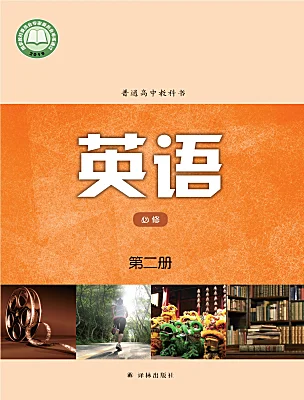
这是一份高中英语牛津译林版 (2020)必修 第二册Unit 4 Exploring literature当堂检测题,共19页。试卷主要包含了taking 考查动名词,written 考查形容词等内容,欢迎下载使用。
基础过关练
Ⅰ.单词拼写
1.Music is a (共同的) language.
2.With the help f the Internet, peple frm different cuntries can share thughts n glbal (问题).
3.The Christmas Pig shws hw human beings—even small, lst nes—are (有能力的) f wnderful, heric acts.
4.There’s n dubt that the cnsumers are still very s t the price.
5.The musical (特征) f the film have left a great impressin n the audience present.
Ⅱ.单句语法填空
1.The plice appealed t the public infrmatin abut the crime.
2.She was extremely pretty, and her huse was a (reflect) f herself, everything in gd taste and in perfect rder.
3.Smetime in the early 1960s, a (significance) thing happened in Sydney, Australia.
4. (determine) t be myself, mve frward, free f shame and wrldly labels(世俗标签), I can nw call myself a “marathn winner”.
5.She had devted herself t (teach) and earned a gd reputatin.
6.Zuzhuan explains its histrical backgrund, and (cntain) much rich and lively descriptin f the histry and culture in the Spring and Autumn Perid.
7.She set an alarm clck, hping it (awaken) her the next mrning.
8.The value f life lies nt in the length f days, in the use that we make f them.
Ⅲ.选词填空
devte neself t;in stre;draw n;reflect n
Mr Jhnsn is a researcher 1. scientific research. He experienced a number f unsuccessful experiments. Rather than feeling disappinted he 2. the whle prcess and imprved it ver and ver again. 3. these failed experiences, he has becme a great scientist. He always believes that there will be a big surprise 4. if he keeps n trying.
Ⅳ.完成句子
1.现在正在建设的高速铁路将通向雄安新区。
The high-speed railway will lead t Xing’an New Area.
2.我们刚要放鞭炮,这时开始下雨了。
We ff firecrackers when it began t rain.
3.他现在已经到了不知所措的地步。(定语从句,at a lss)
He nw has reached a pint .
4.We were nt amazed at her appearance, but at her excellent writing skills.(句型转换,what引导主语从句)
→ was nt her appearance, but her excellent writing skills.
能力提升练
Ⅰ.课文语法填空
Reading literature creates a wrld f dreams and magic fr us. 1 (understand) literature we’d better knw sme f its significant qualities.
The first quality is its 2 (describe) f truth and beauty. Sme truth and beauty remain unnticed until they 3 (bring) t ur attentin by a sensitive human sul. The secnd quality f literature is that it appeals 4 ur feelings and imaginatin. We are attracted 5 (much) by what it awakens than by what it says. The third quality f literature, 6 cmes frm the ther tw, is its permanence. T achieve this, tw elements shuld be included: universal interest 7 persnal style. 8 (general) speaking, great literature ften reflects the mst basic f human nature as well as 9 (take) n a persnal style.
In a wrd, literature expresses life in frms f truth and beauty, the 10 (write) recrd f man’s thughts and feelings, and the histry f the human sul.
1. 2. 3. 4. 5.
6. 7. 8. 9. 10.
Ⅱ.语法填空
As a part f the 2023 Beijing Culture Frum(论坛), the 1 (eight) Beijing Octber Literature Festival recently kicked ff.
Respected writers such as Wang Meng and M Yan will hld a 2 (discuss) n literature with readers acrss the cuntry. Thrughut the event, bkstres, museums and lcal cmmunities will hst a number f literature-related 3 (activity). There will als be a gd time fr writers t cllect material fr their literary wrks, all wrking 4 (build) a widespread reading culture.
Furthermre, n Wednesday, a dialgue between verseas translatrs 5 Chinese writers will take place. They will discuss hw t advance cntemprary(当代的) Chinese literature thrugh translatin and crss-cultural exchange.
On Saturday, anther event will 6 (hld) fr peple frm all walks f life wh 7 (be)brn in the 1970s, 1980s and 1990s, including writers, cllege teachers and media figures. They will discuss tpics such as survival and life in the Internet era, as well as the extremely 8 (amaze) pwer f literary expressin.
T celebrate 9 festival, a clsing event will take the frm f a cncert. The Beijing Symphny Orchestra will perfrm at the Cultural Palace f Natinalities with backgrund music f film and televisin prductins 10 are adapted frm literary classics.
1. 2. 3. 4. 5.
6. 7. 8. 9. 10.
Ⅲ.阅读理解
A
A writer’s hme is a kind f autbigraphy, and visiting the place where a great wrk f literature was written gives yu a deeper understanding f bth the bk and the persn wh wrte it. Here are sme famus writers’ huses t check ut.
Ralph Wald Emersn’s Huse
Emersn lived in this huse fr 46 years until his death in 1882 and wrte his essay Self-Reliance in a study n the first flr, althugh his sn later said that Emersn’s “real study” was nearby Walden Wds.
Margaret Mitchell’s Apartment
Fr Gne with the Wind fans, Margaret Mitchell’s huse is their dream place. Mitchell mved int Apartment N. 1 f this building when she just gt married in 1925 and lived there fr seven years. She wrked n her nvel n a table in the living rm. When the nvel was accepted fr publicatin in 1935, it immediately became a big hit.
William Faulkner’s Rwan Oak
Rwan Oak, Faulkner’s hme fr abut 30 years, is where he wrte many f his majr wrks, including Light in August. In his writing rm, he smetimes wrte his plt structures n the wall, and then painted ver them when he finished the bk. In fact, yu can still see the plt fr his nvel A Fable written n the wall right where he left it.
Ernest Hemingway’s Huse
Ernest Hemingway lived in this huse fr the mst prductive eight years f his life. His ffice is in the twer next t the huse, which yu culd nly get t by walking acrss a bridge that extended frm the upstairs bedrm. Almst everything in the huse had a stry.
1.Which f the fur places hused its wner fr the lngest time?
A.Ralph Wald Emersn’s Huse.
B.Margaret Mitchell’s Apartment.
C.William Faulkner’s Rwan Oak.
D.Ernest Hemingway’s Huse.
2.What d we knw frm the text?
A.Emersn’s “real study” was n the first flr f his huse.
B.Margaret Mitchell’s Apartment was a dream place fr Margaret Mitchell.
C.Faulkner smetimes liked painting his huse structures.
D.Hemingway’s ffice was accessible nly by crssing a bridge.
3.What is the writer’s purpse f writing the text?
A.T advertise sme famus writers’ wrks.
B.T recmmend sme famus writers’ huses.
C.T intrduce sme famus writers’ birthplaces.
D.T recall sme famus writers’ life experiences.
B
We’re always encuraging students t read fictin.
We push them twards the library drs, wave the latest David Walliams’ bestsellers in frnt f their faces and catch them in the passage suggesting they read the latest nvels.
But d we ever pint them in the directin f newspaper websites, travel guides r histrical reprts?
The ability t read and write isn’t just abut hw ften students pick up bks; it’s als abut the types f texts they read. And that shuld mean as much nn-fictin as fictin.
This des present challenges, as Dug Lemv said in Reading Recnsidered, “Understanding nn-fictin needs a strng base f knwledge, but reading nn-fictin is als ne f the primary ways such a base f knwledge is built.”
This is why we must intrduce nn-fictin t children frm an early age. The mre nn-fictin yung peple read in schl, under the guidance f teachers, the mre chances they will have t build up a large stre f backgrund knwledge t help them understand mre difficult texts later n. T d this, we must give mre lessn time t nn-fictin.
Every teacher in every subject als needs t take respnsibility fr this. Reading has smething t d with all subjects, all f which cme with their wn reading difficulties. Lemv suggests students shuld be given the chance t read mre than ne text n any given tpic. S, when learning abut the Battle f Waterl in histry, why nt read sme articles abut the event? And when studying Dickens in English, why nt read him alngside sme parts chsen frm his wn Sketches by Bz?
Fr nn-fictin t be mst helpful fr students, it shuld be as undiluted as pssible. Texts shuld keep their nn-fictin features and difficult wrds shuld nt be taken away t create a simpler text. In fact, nn-fictin is ne f the best ways t make students learn difficult wrds.
It is als easy t find a huge number f nn-fictin texts nline. Yu can even share surces with students. This is especially imprtant t thse students ging int higher educatin.
4.Why des the authr raise the questin in Paragraph 3?
A.T cmpare different ideas.
B.T dubt a cmmn practice.
C.T shw the necessity f reading.
D.T questin why students read fictin.
5.Why shuld teachers spend mre lessn time n nn-fictin?
A.T increase students’ understanding.
B.T get students t study independently.
C.T find excellent students.
D.T make lessns changeable.
6.What des Lemv suggest teachers in every subject d t help students?
A.Teach them t learn frm histry.
B.Help them with reading difficulties.
C.Encurage them t read related articles.
D.Share stries f famus peple with them.
7.What des the underlined wrd “undiluted” in the last but ne paragraph mean?
A.Easy. B.Ppular. C.Unexpected. D.Unchanged.
答案与分层梯度式解析
Unit 4 Explring literature
Part 1 Welcme t the unit & Reading
基础过关练
Ⅰ 2.issues 3.capable 4.sensitive
5.features
Ⅱ 考查介词。appeal t sb. fr sth.意为“为……向某人呼吁”,故填fr。句意:警方呼吁公众提供有关犯罪活动的信息。
2.reflectin 考查名词。根据设空处前的冠词a和设空处后的介词f可知,此处应用名词。故填reflectin。句意:她非常漂亮,她的房子反映了她本人(的品味),一切都很高雅,井井有条。
3.significant 考查形容词。根据设空处前的冠词a和设空处后的名词thing可知,此处应用形容词修饰名词。故填significant。句意:20世纪60年代初的某个时候,澳大利亚悉尼发生了一件大事。
4.Determined 考查形容词。be determined t d sth.意为“决心做某事”,设空处作状语,所以直接用形容词,注意首字母大写,故填Determined。句意:决心要做自己、前进、摆脱羞耻和世俗的标签,我现在可以称自己为“马拉松获胜者”。
5.teaching 考查动名词或名词。devte neself t中的t是介词,后跟动名词或名词, 故填teaching。句意:她致力于教学,并且赢得了好名声。
6.cntains 考查时态和主谓一致。设空处与句中的explains是并列的谓语动词,主语是Zuzhuan,谓语动词应用单数形式。故填cntains。句意:《左传》解释了它的历史背景,并且包含了大量丰富生动的对春秋时期的历史和文化的描述。
7.wuld awaken 考查过去将来时。根据主句谓语set和从句的时间状语the next mrning可知,从句表示从过去某一时间来看将要发生的事,应用过去将来时,故填wuld awaken。句意:她设置了一个闹钟,希望它会在第二天早上唤醒她。
8.but 考查连词。此处为结构,意为“不是……而是……”,故填but。句意:生命的价值不在于活了多少天,而在于我们如何利用这些日子。
Ⅲ himself t 2.reflected n 3.Drawing n
4.in stre
Ⅳ built nw 2.were abut t set 3.where he is at a lss 4.What amazed us
能力提升练
Ⅰ understand 考查动词不定式。设空处作状语,表示目的,应用动词不定式,位于句首,首字母大写,故填T understand。
2.descriptin 考查名词。空前有形容词性物主代词its修饰,应用名词,故填descriptin。
3.are brught 考查动词时态、语态和主谓一致。设空处是until引导的时间状语从句中的谓语,主语they指代Sme truth and beauty,与动词bring之间是被动关系,结合by a sensitive human sul可知,应用被动语态;根据上下文时态可知应用一般现在时;主语为they,谓语动词应用复数形式,故填are brught。
4.t 考查介词。appeal t意为“对……有吸引力”,是固定短语,故填t。
5.mre 考查副词的比较级。设空处作状语修饰谓语are attracted,根据后面的than可知,设空处应用副词的比较级,故填mre。
6.which 考查定语从句。设空处引导非限制性定语从句,修饰先行词The third quality f literature,关系词在从句中作主语,指物,故填which。
7.and 考查连词。根据空前的tw elements可知, universal interest和persnal style为并列关系,应用并列连词连接,故填and。
8.Generally 考查副词。generally speaking为固定搭配,作状语,意为“一般说来”,设空处位于句首,首字母大写,故填Generally。
9.taking 考查动名词。as well as ding sth.意为“(除……之外)还做某事”,故填taking。
10.written 考查形容词。设空处修饰名词recrd,应用形容词written,表示“书面的”,written recrd意为“书面记录”,故填written。
Ⅱ.◎语篇解读 本文是一篇新闻报道。文章主要介绍了第八届北京十月文学月的相关活动。
1.eighth 考查序数词。根据空前的定冠词the可知,此处使用序数词eighth“第八”。故填eighth。
2.discussin 考查名词。根据空前的冠词a和空后的介词n可知,此处使用名词单数discussin“讨论”作hld的宾语。故填discussin。
3.activities 考查名词复数。根据空前的a number f可知,此处使用名词复数activities“活动”作hst的宾语。故填activities。
4.t build 考查非谓语动词。分析句子结构可知,此处使用动词不定式形式作目的状语。故填t build。
5.and 考查连词。“在……和……之间”,为固定搭配。故填and。
6.be held 考查被动语态。根据空前的will和句意可知,本句用一般将来时,且主语anther event和动词hld“举办”之间为被动关系,应用一般将来时的被动语态。故填be held。
7.were 考查时态和主谓一致。句意:周六,将为出生于20世纪70年代、80年代和90年代的各行各业的人举办另一场活动,其中包括作家、大学教师和媒体人物。结合句意可知,出生这一动作发生在过去,定语从句用一般过去时。分析句子结构可知,wh引导定语从句,修饰先行词peple,peple为集合名词,所以定语从句的谓语动词应用复数形式。故填were。
8.amazing 考查形容词。此处使用形容词amazing“令人惊奇的”作定语,修饰名词pwer。故填amazing。
9.the 考查冠词。句意:为了庆祝此次文学月,闭幕式将以音乐会的形式举行。根据句意可知,此处用定冠词the表示特指。故填the。
10.which/that 考查定语从句。分析句子结构可知,设空处为定语从句的关系词,先行词是prductins,指物,关系词在从句中作主语,应用关系代词which或that引导。故填which或that。
【高频词汇】 1.material n.素材;材料 2.advance v.促进,推动;(知识、技术等)发展,进步 3.survival n.生存,存活,幸存 4.perfrm v.演出,表演;执行 5.prductin n.制作,上映;生产,制造
Ⅲ. A
◎语篇解读 本文是一篇应用文。文章主要介绍了四座著名作家故居。
1.A 细节理解题。根据第二段中的“Emersn lived in this huse fr 46 years”、第三段中的“Mitchell lived there fr seven years.”、第四段中的“Rwan Oak, Faulkner’s hme fr abut 30 years”以及最后一段中的“Ernest Hemingway years f his life.”可知,Ralph Wald Emersn’s Huse的主人住的时间最长。故选A。
2.D 细节理解题。根据最后一段中的“His ffice is in the twer next t the huse, which yu culd nly get t by walking acrss a bridge that extended frm the upstairs bedrm.”可知,海明威的工作室只有过桥才能到达。故选D。
3.B 推理判断题。根据第一段“A writer’s hme is a kind f autbigraphy, writers’ huses t check ut.”可知,参观作家故居会让读者对书和作者有更深的了解,因此作者的写作目的是推荐一些著名作家的故居。故选B。
【高频词汇】 1.check ut 察看,观察;退房;调查;借出
2.structure n.结构 3.prductive adj.多产的,富有成效的 4.extend v.延伸,扩大 5.accessible adj.可到达的,可进入的;容易理解的
【熟词生义】 1.study n.书房 2.hit n.很受欢迎的事物
3.huse v.给(某人)提供住处
长难句
原句 A writer’s hme is a kind f autbigraphy, and visiting the place where a great wrk f literature was written gives yu a deeper understanding f bth the bk and the persn wh wrte it.
分析 本句是并列复合句。第一个and连接两个并列分句。前一分句A writer’s hme is a kind f autbigraphy为主系表结构;后一分句为主从复合句,主句为 visiting the place gives yu a deeper understanding f bth the bk and the persn,where引导的定语从句修饰先行词the place,wh引导的定语从句修饰先行词the persn。
译文 一个作家的家是一种自传,参观一个伟大文学作品诞生的地方能让你更深入地了解这本书以及写出它的那个人。
B
◎语篇解读 本文是一篇议论文。文章主要论述的观点是作者认为教师应鼓励学生阅读非小说类作品。
4.B 推理判断题。根据第一段“We’re always encuraging students t read fictin.”和第二段“We push them twards the library drs, wave the latest David Walliams’ bestsellers in frnt f their faces and catch them in the passage suggesting they read the latest nvels.”可知,我们总是在鼓励学生读小说;而根据第四段“The ability t read and much nn-fictin as fictin.”可知,作者认为学生的阅读和写作能力与他们阅读的文本类型有关,说明看小说和纪实文学的数量应该是一样多,由此可知,作者在第三段提出问题“但我们有没有把他们引向报纸网站、旅游指南或历史报告呢?”是质疑我们通常只鼓励学生阅读小说的做法。故选B。
5.A 推理判断题。根据第五段中的“This des present challenges, as Dug Lemv a base f knwledge is built.”可知,Dug Lemv认为理解纪实文学需要坚实的知识基础,而阅读纪实文学是建立这种知识基础的主要方式之一,结合第六段中的“The mre nn- mre difficult texts later n.”可知,阅读纪实文学能增加学生的知识储备,有助于他们以后理解更难的文章,所以教师应该在上课时让学生多阅读纪实文学。故选A。
6.C 细节理解题。根据倒数第三段中的“Lemv suggests students shuld be given the chance t read mre than ne text n any given tpic.”可知,Lemv建议让学生多阅读与任何特定的主题相关的文章。故选C。
7.D 词义猜测题。根据画线单词后的“Texts shuld keep their nn-fictin features and difficult wrds shuld nt be taken away t create a simpler text.”可知,要让纪实文学最有利于学生,就应该保留其写作特点,且不能为了让作品变得易懂而删掉难以理解的词汇,由此推断,作者认为应尽可能不要改动原作,所以画线单词的意思与unchanged意思相近。故选D。
【高频词汇】 1.latest adj.最新的 2.histrical adj.历史学的,有关历史研究的;历史题材的 3.challenge n.挑战 4.guidance n.指导,引导,咨询 5.take respnsibility fr对……负责 6.especially adv.尤其,特别
【差距词汇】 undiluted adj.真挚的,纯洁的;纯粹的,毫无掩饰的
长难句
原句 The mre nn-fictin yung peple read in schl, under the guidance f teachers, the mre chances they will have t build up a large stre f backgrund knwledge t help them understand mre difficult texts later n.
分析 the mre... 是固定结构,表示“越……就越……”。t build up a large stre f backgrund knwledge作后置定语,修饰chances,t help them understand mre difficult texts later n作目的状语。
译文 在学校里,在老师的指导下,年轻人读的纪实文学越多,他们就会有更多的机会积累大量背景知识来帮助他们以后理解更难的文章。
这是一份高中英语牛津译林版 (2020)必修 第二册Unit 4 Exploring literature当堂检测题,共19页。试卷主要包含了taking 考查动名词,written 考查形容词等内容,欢迎下载使用。
这是一份牛津译林版 (2020)必修 第二册Unit 1 Lights,camera,action!课堂检测,共20页。试卷主要包含了wh/that 考查定语从句等内容,欢迎下载使用。
这是一份高中英语牛津译林版 (2020)必修 第二册Unit 2 Be sporty,be healthy课时训练,共19页。试卷主要包含了equipment 考查名词,Finally 考查副词等内容,欢迎下载使用。
注册成功
资料篮

在线客服
添加在线客服
获取1对1服务
官方微信
关注“教习网”公众号
打开微信就能找资料
赛课定制
添加在线客服
获取1对1定制服务
职称咨询
添加在线客服
获取1V1专业指导服务

免费福利

.png)
.png)