 免费领取教师福利
若您为此资料的原创作者,认为该资料内容侵犯了您的知识产权,请扫码添加我们的相关工作人员,我们尽可能的保护您的合法权益。


这是一份Unit 5 Nature’s temper 单元复习课件 (新教材)初中英语人教版八年级下册(2024),共34页。
Unit review单元复习Nature’s temperUnit 5 英语人教版八年级下册 Lead intyphoonearthquakewildfiresnowstormflooddrought Lead in Lead in话题梳理话题:Natural disasters(自然灾害)功能:Talk about different disasters and their impact. (谈论自然灾害的种类与影响) Describe things that people do before, during, and after a natural disaster and know how to prepare for disasters(描述人类在灾害中的活动,知道如何避灾) 话题梳理Natural Disasters考点突破根据汉语意思完成句子医生警告他不要抽烟。The doctor ______ ______ ______ ______ ______.妈妈提醒我注意路上的冰。My mother ______ me ______ the ice on the road.警察告诫我们不要在这条河里钓鱼。The police warned us ______ ______ in this river.1.warn的用法warned him not to smokewarned about against fishing 考点突破 warn可以做及物动词及不及物动词使用。主要有以下用法:warn sb. (not) to do sth. 警告某人(不要)做某事例句:The teacher warned us not to be late for class.(老师提醒我们上课不要迟到。)warn sb. about sth. 就某事提醒/警告某人例句:My mother warned me about the danger of swimming in the river.(妈妈提醒我在河里游泳有危险。)1.warn的用法考点突破warn sb. against (doing) sth.含义:告诫某人提防某事/不要做某事(与warn sb. not to do sth. 可互换,against后接名词/动名词)例句:The police warned people against walking alone at night.(警察告诫人们不要晚上独自走路。)1.warn的用法考点突破warn that... 警告说……(后接宾语从句)例句:The weather report warned that a heavy rain was coming.(天气预报警告说一场大雨即将来临。)名词:warning 警告;警示例句:There is a warning sign by the lake.(湖边有一个警示标志。)1.warn的用法考点突破请将下列句子翻译成英文:1. 他拒绝早起。 He ______ ______ ______up early.2. 妈妈拒绝让我看电视。 Mom ______ ______ _______me watch TV.3. 老板拒绝了他的请求。 The boss ______ his request.2.refuse的用法refuses to get refuses to let refused考点突破 refuse含义为拒绝,主要有以下用法:用法一:refuse to do sth. 拒绝做某事 refuse后接动词不定式(to+动词原形),不能直接接动名词(doing)。例句:She refuses to help me. My father refused to buy a new bike for me. 2.refuse的用法考点突破用法2:refuse sb. sth. / refuse sth. (to sb.)含义:拒绝某人某物适用:后接名词/代词,指拒绝具体的人或事物。The teacher refused him the chance. 老师拒绝了他这个机会。I can’t refuse your gift (to you). 我无法拒绝你的礼物。2.refuse的用法考点突破翻译句子:1. 我从六岁起学习数学。 I ___________ (learn) math _______ I was six years old.2. 既然你有空,我们一起去图书馆吧。 _______ you are free, let’s go to the library together.3.since的用法have learnedsince Since 考点突破 since主要作连词、介词、副词,和时间、原因相关,用法有:表时间,意为“自从……以来” 引导时间状语从句,从句用一般过去时,主句用现在完成时(have/has + 过去分词);从句通常是时间点(具体时刻、过去动作)。 I have lived here since 2018. She has studied English since she entered middle school. 3.since的用法考点突破表原因,意为“既然;因为”。引导原因状语从句,常放句首。例句: Since you are tired, you can go to bed early. Since it rains, we won’t go out. 3.since的用法考点突破用usual或usually填空,注意形式1. My _______ way to go to school is by bike.2. He _______ plays basketball after school.3. _______, my mother cooks dinner for us.4. As _______, they go for a walk after supper.4.usual的用法usualusualusuallyUsually考点突破 usual含义为“通常的;平常的;惯常的”,主要有以下用法:用法1:作形容词,修饰名词 例句: This is my usual breakfast. 这是我平常的早餐。 She took the usual bus to school. 她坐惯常的那班公交去上学。 He arrived at the usual time. 他在平常的时间到了。4.usual的用法考点突破用法2:常用固定搭配(中考高频)(1)as usual 意为“像往常一样;照例”例句:As usual, he got up at 6 o’clock. She went to the park as usual. (2)It’s usual for sb. to do sth. 意为某人做某事是很平常的例句:It’s usual for her to walk to school. It’s usual for us to have rice for lunch. 4.usual的用法考点突破 usual的副词形式usually(通常,常常),表示频率。修饰动词,位置一般在实义动词前,be动词/助动词/情态动词后,也可放句首(表强调)。例句:I usually get up early. She is usually late for school. Usually, we have a test on Friday. 4.usual的用法语法突破1. when和while引导状语从句的用法用when或while填空(1) I was walking in the park ______ I met my old friend.(2) ______ my father was driving, he was listening to the news.(3) The phone rang ______ she was doing the laundry.(4) ______ I opened the window, a bird flew in.whenWhenWhilewhile语法突破1. when和while引导状语从句的用法 when和while引导时间状语从句,都表示“当……时候”,核心区别在从句动词的类型和动作的持续性。when的用法(核心:动作可短可长) when引导的从句,动词可以是短暂性动词,也可以是持续性动词;常表示“当某个动作发生时,另一个动作正在进行/突然发生”。例句: I was doing my homework when the doorbell rang. When she was reading, her brother was watching TV.语法突破1. when和while引导状语从句的用法while的用法(核心:动作必须长) while引导的从句,动词只能是持续性动词(表示持续一段时间的动作);常强调“两个持续性动作同时进行”,翻译为“一边……一边……”或“当……正在……时”。while引导的从句必须用进行时。例句:While my mother was cooking, I was washing the dishes.Tom was listening to music while he was walking home.语法突破1. when和while引导状语从句的用法 总结:当从句是短暂性动词,只能用when,不能用while;当从句是持续性动词且用进行时,when和while可以互换。例: When/While we were talking, the teacher came in. 我们说话的时候,老师进来了。 另外,while可作并列连词,表“然而”(对比两个动作),when无此用法。例如: My brother likes playing basketball, while I like reading.(弟弟喜欢打篮球,而我喜欢看书。)语法突破2. 过去进行时的用法用所给动词的适当形式填空(1) I ________ (do) my homework at 7 o'clock last night.(2) They __________ (play) basketball on the playground this time yesterday.(3) What ______ she ______ (do) when the teacher came in?was doingwere playingwasdoing语法突破2. 过去进行时的用法 定义:过去进行时表示过去某一时刻或某一段时间内正在进行的动作。 用法1:表示过去某一具体时刻正在进行的动作。常与 at 8 o’clock yesterday, at this time last night 等时间状语连用。如: He was watching TV at 8 o’clock yesterday evening. What were you doing at this time last Sunday? 语法突破2. 过去进行时的用法 用法2:表示过去某一段时间内正在进行的动作。常与 from 7 to 9 last night, the whole morning yesterday 等时间状语连用。如: They were playing football from 3 to 5 yesterday afternoon. My mother was cooking the whole morning yesterday. 用法3:两个过去进行时连用,描述过去同时进行的两个动作,常用 while 连接。如: My father was reading a newspaper while my mother was washing clothes. While Lily was singing, Lucy was dancing. 语法突破2. 过去进行时的用法基本结构肯定句:主语 + was/were + 动词-ing形式 + 其他主语为单数(I/he/she/it/单数名词)→ 用 was主语为复数(we/you/they/复数名词)→ 用 were否定句:主语 + was/were + not + 动词-ing形式 + 其他一般疑问句:Was/Were + 主语 + 动词-ing形式 + 其他?特殊疑问句:特殊疑问词 + was/were + 主语 + 动词-ing形式 + 其他?Task 1What kind of disaster did you see or hear about? What is it like? Say something about it, including what measures we should take to prevent it.I think … is very terrible. I am afraid of it because if it happens, … will be… People will … And… To prevent it from happening, we should take some measures. First, …Task 2What have you learned to protect you from an earthquake? Please give a report about it. If an earthquake happens, we have to take some actions immediately. Firstly, we should … We mustn’t… Secondly, we can… …SummarySummary(1)warn的用法(2)refuse的用法(3)since的用法(4)usual的用法(5)when和while引导状语从句的用法(6)过去进行时的用法 Homework1.Review what we learned in this unit.2.Preview Unit 6 Crossing cultures.Thank you!Unit 5
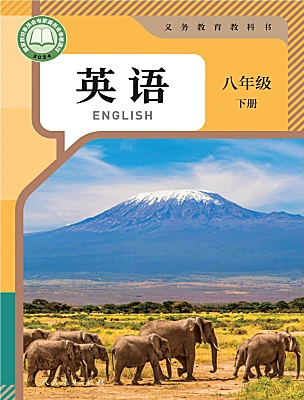 新教材
新教材
注册成功
资料篮

在线客服
添加在线客服
获取1对1服务
官方微信
关注“教习网”公众号
打开微信就能找资料
赛课定制
添加在线客服
获取1对1定制服务
职称咨询
添加在线客服
获取1V1专业指导服务

免费福利

.png)
.png)
.png)
