免费领取教师福利
若您为此资料的原创作者,认为该资料内容侵犯了您的知识产权,请扫码添加我们的相关工作人员,我们尽可能的保护您的合法权益。


这是一份Unit 6 Crossing cultures 单元复习 课件 (新教材)初中英语人教版八年级下册(2024),共34页。
Unit reviewCrossing culturesUnit 6 英语人教版八年级下册 Lead inshake handsbowbump fistshugrub noses Lead in Lead in话题梳理话题:Cultures (文化)功能:Talk about different customs and explain what they mean. (谈论不同的习俗与其背后的意义) Understand cultural differences and know how to behave in different cultures.(了解文化的不同之处并且举止得体) 话题梳理Cultures考点突破根据句意完成句子。(1) 他以一种友好的方式向我打招呼。 He greeted me _____ a friendly manner.(2) 插队是不礼貌的。 It’s bad _____ _____cut in line.(3) 你知道一些西方的餐桌礼仪吗? Do you know some Western table ________?1.manner的用法inmanners to manners考点突破manner是可数名词(复数形式manners),也可作不可数名词。用法1:单数形式manner,表方式;方法。 常搭配:in a ... manner 表示“以……的方式”。例句:He spoke in a soft manner. 他说话的语气很轻柔。You can solve the problem in a different manner. 你可以用不同的方法解决这个问题。1.manner的用法考点突破用法2:复数形式manners,表礼貌;礼仪(最常考)。核心搭配:good manners 有礼貌 bad manners 没礼貌 table manners 餐桌礼仪例句:It’s good manners to say “thank you” when someone helps you. 别人帮你时说“谢谢”是有礼貌的表现。We should learn table manners at the dinner table. 我们在餐桌上要学习餐桌礼仪。1.manner的用法考点突破用法3:复数形式manners,表态度;举止例句:Her manners make her very popular at school. 她的举止让她在学校很受欢迎。The boy’s rude manners made his teacher angry. 这个男孩粗鲁的态度让他的老师生气了。1.manner的用法考点突破完成句子。(1)首先,我们不应该到得太早。 _______, we should not arrive too early.(2)其次,当你拜访某人的时候,带一份礼物是很重要的。 _______, ______ ______ _____bring a gift when you visit someone.(3)第三,你应该总是为了这样的场合盛装打扮。 _______, you should always try to _______ ______the occasion.2.firstly、secondly、thirdly的用法FirstlyThirdly Secondly it’s important to dress for 考点突破 这三个词核心作用是有条理地列举观点、步骤、原因或建议,让表达更清晰、逻辑更连贯。三者均为副词,对应中文的“首先、其次、第三”。主要用于分点陈述,通常出现在句子开头,后面可以接逗号,也可与then(然后)、finally(最后) 搭配,完成完整的列举逻辑,是书面写作(如议论文、说明文、步骤介绍)的加分项。2.firstly、secondly、thirdly的用法考点突破 注意事项:①标点注意:这三个词放句首时,后面必须加逗号,再接完整句子。 ②替代用法:口语中也常用First, Second, Third(不加ly),和Firstly/Secondly/Thirdly用法完全一致,书面写作中加ly更正式。③ 后续衔接:列举超过三点后,不用fourthly,一般用then、what’s more等,最后用finally收尾即可。2.firstly、secondly、thirdly的用法考点突破用receive/accept填空(1) She _______ a nice watch on her birthday, and she _______ it happily.(2) My father _______ a call from his workmate just now.(3) I offered him a cup of tea, but he didn’t _______ it.3.receive与accept的用法receivedacceptedreceivedaccept考点突破receive的用法 及物动词,表示客观上收到、接到某物,强调动作的发生,不涉及主观意愿,不管是否想要,都算receive。常见搭配:receive a gift 收到礼物;receive a letter 收到一封信;receive an email 收到一封邮件;receive a call 接到电话3.receive与accept的用法考点突破例句:I received a birthday gift from my friend yesterday. 昨天我收到了朋友的一份生日礼物。(只是客观收到,没说是否想要/收下)She received a letter from her pen pal last week. 上周她收到了笔友的一封信。He received a phone call when he was doing homework. 他做作业时接到了一个电话。3.receive与accept的用法考点突破accept的用法 及物动词,表示主观上接受、接纳某物/某事,强调内心愿意认可、收下,是在receive的基础上做出的主观选择。 常见搭配:accept a gift 接受礼物;accept an invitation 接受邀请;accept advice 接受建议;accept the fact 接受事实3.receive与accept的用法考点突破例句:I received a birthday gift, but I didn’t accept it. 我收到了一份生日礼物,但我没有接受它。(客观收到,主观拒绝)She accepted the invitation to the party happily. 她开心地接受了派对的邀请。We should accept others’ good advice. 我们应该接受别人的好建议。3.receive与accept的用法语法突破1. –ing形容词和-ed形容词的区别用所给词的适当形式填空并口头翻译这些句子。1. The children are _______ (excite) to see the pandas in the zoo.2. The story is so _________ (interest) that all of us like it.3. He is _______ (bore) with the same game every day.4. We are all _______ at the _________ (surprise) news.5. The trip to the mountain is _______ (tire), but we all feel happy.excitedinterestingboredsurprisedsurprisingtiring语法突破1. –ing形容词和-ed形容词的区别 这两类形容词均由同一动词转化而来,比如excite→excited/exciting,bore→bored/boring,核心差异在修饰对象和语义侧重: -ing形式形容词:表示“令人……的”,侧重事物/情况本身具有的性质,用来修饰物、事。 -ed形式形容词:表示“感到……的”,侧重人的主观感受、情绪,用来修饰人,也可修饰人的表情、眼神等。 简单口诀:-ing修物,表“令人……”;-ed修人,表“感到……”。语法突破1. –ing形容词和-ed形容词的区别例如:excite(使兴奋)→ excited(感到兴奋的)/ exciting(令人兴奋的) She is excited about the coming trip. (修饰人she,表感受) It’s an exciting football match. (修饰物match,表性质)surprise(使惊讶)→ surprised(感到惊讶的)/ surprising(令人惊讶的) She looked surprised when she heard the news. (修饰人的表情looked,表感受) It’s a surprising result for all of us. (修饰物result,表性质)语法突破1. –ing形容词和-ed形容词的区别相类似的还有:bore(使厌烦)→ bored(感到无聊的)/ boring(令人无聊的)interest(使感兴趣)→ interested(感兴趣的)/ interesting(有趣的)tire(使疲倦)→ tired(感到疲惫的)/ tiring(令人疲惫的)frighten(使害怕)→ frightened(感到害怕的)/ frightening(令人害怕的)你还能想到哪些呢?语法突破2. so…that…/unless/as soon as 引导状语从句的用法翻译句子:1. 这个问题如此难,以至于我做不出来。 This problem is ______ difficult ______ I can’t work it out.2. 我一放学就回家帮妈妈做家务。 I will go home to help my mom with housework _____ _____ _____ school is over.3. 除非你每天练习,否则你的英语不会变好。 Your English won’t get better ______ you practice every day.sothat as soon as unless语法突破2. so…that…/unless/as soon as 引导状语从句的用法so…that… 引导结果状语从句,意为“如此……以至于……”,结构为: 主句 + so + 形容词/副词原形 + that + 结果状语从句例句: The film is so interesting that everyone likes it. She was so sad that she cried loudly. The teacher spoke so slowly that we all understood her. 语法突破2. so…that…/unless/as soon as 引导状语从句的用法unless 引导条件状语从句,含义为“除非;如果不”,等同于if…not(如果不)。 时态规则:主将从现 主句用一般将来时(will+动词原形),从句用一般现在时(表将来的条件); 主句是祈使句或含情态动词(can/must/should),从句仍用一般现在时。语法突破2. so…that…/unless/as soon as 引导状语从句的用法例句: You will not pass the exam unless you study hard. =You will not pass the exam if you don’t study hard. Unless it rains tomorrow,we will go for a picnic. You can’t watch TV unless you finish your homework. Don’t go out unless your mom agrees. 语法突破2. so…that…/unless/as soon as 引导状语从句的用法as soon as 引导时间状语从句,含义为“一……就……”,表示两个动作先后发生,间隔非常短。 时态规则: 主将从现:表将来要发生的动作,主句用一般将来时,从句用一般现在时。 主过从过:表过去发生的动作,主句用一般过去时,从句也用一般过去时。语法突破2. so…that…/unless/as soon as 引导状语从句的用法例句:I will call you as soon as I get home. As soon as the bell rings,we will start the class. She cried as soon as she saw the sad movie. As soon as he finished his homework,he went out to play. Task 1How do people greet each other in different cultures? Say something about it and act it out with your partner.In China, people like to shake hands when they meet each other for the first time. Friends always say “hi”.In Japan, people usually…In some western countries, …Task 2Imagine that an American boy, Jimmy, will come to China to spend the Spring Festival. Please tell him what he should pay attention to. Dear Jimmy, Welcome to China. If you want to visit someone during the Spring Festival, you can… You should say…After that, you may receive…SummarySummary(1)manner的用法(2)firstly/secondly/thirdly的用法(3)receive/accept的用法(4)-ing形容词与-ed形容词的用法区别(5)so…that…/unless/as soon as 引导状语从句的用法 Homework1.Review what we learned in this unit.2.Preview Unit 7 A good read.Thank you!Unit 6
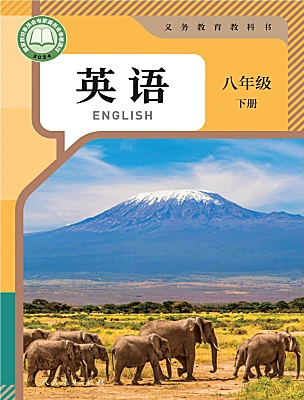 新教材
新教材
注册成功
资料篮

在线客服
添加在线客服
获取1对1服务
官方微信
关注“教习网”公众号
打开微信就能找资料
赛课定制
添加在线客服
获取1对1定制服务
职称咨询
添加在线客服
获取1V1专业指导服务

免费福利

.png)