免费领取教师福利

若您为此资料的原创作者,认为该资料内容侵犯了您的知识产权,请扫码添加我们的相关工作人员,我们尽可能的保护您的合法权益。


这是一份初中牛津译林版(2024)Unit 3 My hometown学案,共9页。
past /pɑːst/ n. 过去
考点:搭配“in the past”(在过去);
In the past, peple used letters t cmmunicate instead f smartphnes.(过去,人们用信件沟通而不是智能手机。)
She ften talks abut her happy memries f the past.(她经常谈起过去的快乐回忆。)
present /'preznt/ n. 现在
考点:搭配“at present”(目前)、“the present time”(现在);
At present, mst students have their wn laptps fr study.(目前,大多数学生都有自己的学习用笔记本电脑。)
We shuld fcus n the present rather than wrrying t much abut the future.(我们应该关注现在,而不是过多担心未来。)
shall /ʃæl/ mdal v. (表示提出或征求意见);将要,将会
Shall we g t the museum this weekend t learn abut ancient histry?(我们这周末去博物馆了解古代历史好吗?)
I shall finish my reprt befre the deadline, dn’t wrry.(我会在截止日期前完成报告,别担心。)
attract /ə'trækt/ vt. 招引;吸引
考点:搭配“attract sb/sth”(吸引某人/某物);
Funny cartns always attract children’s attentin.(有趣的卡通片总能吸引孩子们的注意力。)
capital /'kæpɪtl/ n. 首都,首府
考点:指国家或地区的首都/首府;
Beijing is the capital f China and it has a lng histry.(北京是中国的首都,有着悠久的历史。)
shw sb arund 领某人参观
My cusin will shw us arund his university when we visit him.(我们去看表哥时,他会带我们参观他的大学。)
nce /wʌns/ adv. 曾经; prep “一旦…… 就……”
考点1: adv表 “曾经”(指过去某段时间内发生过,现在已不如此),常与过去时连用;
There nce was a small village near this muntain.(这座山附近曾经有一个小村庄。)
考点 2: adv表 “一次”(指动作发生的频率,“每…… 一次” 或 “某一次”),常与 “a week/mnth/year” 等时间状语搭配。
I visit my grandparents nce a mnth.(我每月去看望祖父母一次。—— 表 “频率:每月一次”)
考点 3:cnj表 “一旦…… 就……”,引导时间 / 条件状语从句。
规则:若主句用一般将来时(will d)、情态动词(can/may/must)或祈使句,从句需用一般现在时表将来(即 “主将从现”)。
Once yu make a prmise, yu must keep it.(一旦你许下承诺,就必须遵守。—— 主句情态动词 must,从句一般现在时)
考点 3:n表 “一次;一回”。搭配:at nce立刻;马上(= immediately)
Hurry up! We need t leave at nce.(快点!我们得马上出发。)
nce upn a time:从前(用于讲述故事的开头,= lng lng ag)
Once upn a time, there was a little girl named Snw White.(从前,有一个叫白雪公主的小女孩。)
wrth /wɜːθ/ adj. 值得,有价值;值钱
考点:固定搭配“be wrth ding sth”(值得做某事);
This bk is wrth reading because it tells many interesting histrical stries.(这本书值得一读,因为它讲述了许多有趣的历史故事。)
The ld painting is wrth a lt f mney nw.(这幅旧画现在很值钱。)
be well wrth 很值得
考点:强调“非常值得”,后接名词或动名词;
The trip t the ancient twn is well wrth the time and mney.(去古镇的旅行很值得花时间和金钱。)
The film is well wrth watching again and again.(这部电影很值得反复观看。)
visitr /'vɪzɪtə(r)/ n. 游客,来访者
考点:搭配“turist visitrs”“schl visitrs”;
Visitrs are nt allwed t take phts in this exhibitin hall.(游客不允许在这个展厅拍照。)
side /saɪd/ n. 一侧,一边
考点:搭配“n the side f...”(在……的一侧);
There is a small garden n the side f the rad.(道路的一侧有一个小花园。)
She sat n my side during the meeting and tk ntes.(开会时她坐在我旁边记笔记。)
taste /teɪst/ vi.尝起来; n. 体验,尝试;味道
考点 1:作不及物动词(系动词),表 “尝起来;有…… 味道”(无宾语,后接形容词)
✅ 正确:The cake tastes gd.(gd 是形容词,表 “味道好”)
❌ 错误:The cake tastes well.(well 是副词,不能接在系动词后)
考点2:n表“体验”时搭配“a taste f...”;
We had a taste f farm life during ur summer camp.(夏令营期间我们体验了一下农场生活。)
考点3:n 表 “品尝;尝一口”(可数名词,强调 “尝的动作或次数”)
固定搭配:have a taste (f sth)(尝一口……);give sth a taste(尝一下某物)
Can I have a taste f yur ice cream? It lks nice.(我能尝一口你的冰淇淋吗?看起来很好吃。)
考点4:n 表 “喜好;品味”(描述对事物的偏好或审美)
固定搭配:a taste fr sth(对…… 的喜好);gd/bad taste(好 / 差的品味)
She has a taste fr classical music—she listens t it every evening.(她喜欢古典音乐,每天晚上都听。)
theatre /'θɪətə(r)/ n. (AmE theater) 戏院,剧场
考点:搭配“g t the theatre”;
My parents and I will g t the theatre t watch a play this weekend.(我和父母这周末要去剧院看一场话剧。)
interest /'ɪntrəst/ n. 吸引力,趣味;兴趣;v.使感兴趣
考点 1:n表 “兴趣;爱好”,常用搭配 “take (an) interest in”“shw interest in”(“an” 可加可不加,加 “an” 更强调 “一种具体兴趣”)对……感兴趣。
She takes interest in painting—she ges t the art club every weekend.(她对绘画感兴趣,每周都去艺术俱乐部。—— 不可数,泛指兴趣)
He has an interest in histry, especially ancient Chinese histry.(他对历史有兴趣,尤其是中国古代史。—— 可数,强调 “一种兴趣”)
lse interest in:对…… 失去兴趣
She lst interest in dancing after the accident.(事故后她对跳舞失去了兴趣。)
develp an interest in:培养对…… 的兴趣
The teacher helped me develp an interest in English.(老师帮我培养了对英语的兴趣。)
考点 2:“使役类动词” (表 “使感兴趣”)
I am interested in this bk.(我对这本书感兴趣。)
This is an interesting bk.(这是一本令人感兴趣的书。)
The bk interests me.(这本书让我感
place f interest n. 名胜
There are many places f interest in Xi’an, such as the Terractta Army.(西安有许多名胜古迹,比如兵马俑。)
frm /fɔːm/ n. 类型,种类;形式
考点:搭配“a frm f...”(一种……形式);
Reading is a gd frm f relaxing after a lng day’s study.(阅读是长时间学习后放松的好方式。)
date frm 追溯到,始于
The ld bridge dating frm 1880 is still in use tday.(这座建于1880年的古桥至今仍在使用。)
smile /smaɪl/ vi. 微笑;vt. 微笑着说;n. 微笑,笑容
考点 1:vi表 “微笑;露出笑容”,需牢记 3 类高频介词搭配:
搭配 1:smile at sb/sth(对某人 / 某物微笑,表 “微笑的对象”)
The teacher always smiles at us when she walks int the classrm.(老师走进教室时,总会对我们微笑。)
搭配 2:smile with + 情绪名词(带着某种情绪微笑,表 “微笑的原因”)常见情绪名词:jy(喜悦)、kindness(友善)、relief(释然)、shyness(害羞)
She smiled with jy when she heard she gt gd grades.(听到自己考了好成绩,她开心地笑了。)
搭配 3:smile t neself(暗自微笑,表 “独自的、不外露的笑”)
He smiled t himself when he remembered the funny thing his friend did.(想起朋友做的趣事,他偷偷笑了。)
考点 2:vt表 “以微笑表达 / 传递”
She smiled a big smile and waved at us.(她咧嘴一笑,朝我们挥手。)
考点 2:作名词,描述笑容的 “特点”(a + 形容词 + smile)
常用形容词:big(大大的)、sweet(甜甜的)、warm(温暖的)、shy(害羞的)、bright(灿烂的)例句:
She has a sweet smile—everyne likes talking t her.(她有甜甜的笑容,大家都喜欢和她说话。)
搭配:with a smile(带着微笑)
She answered the questin with a smile.(她带着微笑回答了问题。)
搭配:give sb a smile(给某人一个微笑)
Can yu give me a smile? Yu lk a little sad tday.(能对我笑一下吗?你今天看起来有点难过。)
leaf /liːf/ n. (pl. leaves) 叶子
A leaf fell frm the tree and landed n my desk.(一片叶子从树上落下,落在我的桌子上。)
wave /weɪv/ vi. 飘动,摇晃
考点:搭配“wave in the wind”“wave t sb”;
The flags wave gently in the breeze.(旗帜在微风中轻轻飘动。)
She waved t us when she gt n the bus.(她上公交车时向我们挥了挥手。)
lie /laɪ/
考点 1:vi 躺;平放。时态变形(不规则):lie → lay → lain → lying(现在分词)
She was tired and lay dwn n the sfa fr a rest.(她累了,在沙发上躺下休息。—— 过去式 lay)
考点 2:vi 说谎。时态变形(规则):lie → lied → lied → lying(现在分词)
lie t sb:对某人说谎 → He lied t his parents abut his exam results.(他在考试成绩上对父母说了谎。—— 过去式 lied)
lie abut sth:就某事说谎 → She is lying abut where she went last night.(她在昨晚去了哪里这件事上说谎。—— 现在进行时 lying)
lie that 从句:谎称…… → He lied that he was sick t skip class.(他谎称生病逃课。—— 过去式 lied)
考点 3: vi 位于(表 “地理位置处于某处”)
时态变形(同 “躺”,但极少用过去时):lie → lay → lain → lying(一般现在时最常用,表 “客观位置不变”)
lie in:位于…… 内部(A 在 B 范围内)→ Beijing lies in the nrth f China.(北京位于中国北部。—— 范围内)
lie n:位于…… 相邻处(A 与 B 接壤 / 相邻)→ Guangdng lies n Guangxi.(广东与广西相邻。—— 接壤)
lie t:位于…… 不相邻处(A 与 B 不接壤,隔海 / 隔地)→ Japan lies t the east f China.(日本位于中国东部。—— 不接壤)
考点 4:n “谎言” 。
tell a lie:说一个谎 → She tld a lie t avid being punished.(她为了避免被惩罚说了一个谎。)
rw /rəʊ/ vt.&vi. 划(船)
考点:搭配“rw a bat”;
We decided t rw a bat n the lake during ur weekend trip.(周末旅行时我们决定在湖上划船。)
He taught his little sister hw t rw safely.(他教他的小妹妹如何安全划船。)
这是一份初中牛津译林版(2024)Unit 3 My hometown学案,共9页。
这是一份初中英语牛津译林版(2024)七年级下册(2024)Unit 3 My hometown学案,共7页。
这是一份初中英语牛津译林版(2024)七年级下册(2024)Unit 3 My hometown优秀导学案,共31页。学案主要包含了用法讲解,常见搭配,知识拓展,易混辨析,同义词组,用法详解等内容,欢迎下载使用。
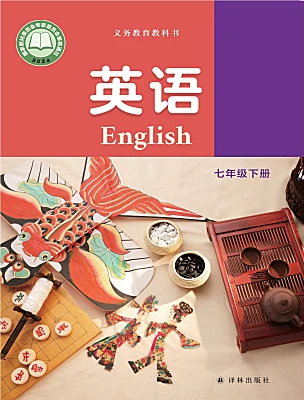 新教材
新教材

注册成功
资料篮

在线客服
添加在线客服
获取1对1服务
官方微信
关注“教习网”公众号
打开微信就能找资料
赛课定制
添加在线客服
获取1对1定制服务
职称咨询
添加在线客服
获取1V1专业指导服务

免费福利


.png)