 免费领取教师福利


若您为此资料的原创作者,认为该资料内容侵犯了您的知识产权,请扫码添加我们的相关工作人员,我们尽可能的保护您的合法权益。


这是一份初中英语人教版(2024)七年级下册(2024)Unit 1 Animal friends教案及反思,共18页。
单元主题框架
单元主题分析
本单元主要围绕动物朋友这一主题展开。该主题与课标要求的“人与自然”主题范畴中的“常见的动物,动物的特征与生活环境”和“与自然和谐共生”子主题密切相关。动物是学生感兴趣的话题。在学习本单元主题内容的过程中,学生一方面会和同学交流自己喜欢的动物,另一方面也会学习介绍动物的方法。同时,本单元还介绍了大象这种学生熟悉,且又在某些国家具有特殊文化意义的动物。本单元的目的在于激发学生对动物的关注与喜爱,加深学生对动物的了解,培养学生保护动物以及与动物和谐共生的意识。
本单元的大问题是“Why are animals imprtant?”,引导学生思考动物在人类生活中的重要性。Sectin A的引导性问题是“Why d yu like animals?”。该部分的听力对话呈现了学生参观动物园的场景,学生通过聆听并模仿对话,能够学会从食物、本领、栖息环境、生活习性等方面介绍某种动物,同时阐述自己喜欢某种动物的原因。Sectin B主要围绕引导性问题“Hw are animals part f ur lives?”展开,通过泰国学生Malee的帖子详细介绍了大象的外形、本领、性格特征等方面,还阐述了大象在泰国的地位以及其所具有的文化意义。此外,关于如何保护大象这一重要内容,帖子也提出了相应的建议。通过阅读和分析这篇帖子,学生可以深入、具体地了解某种动物,并认识到人类活动给动物的生活环境带来的影响,进而思考人与动物应该如何和谐共生这一问题。
总而言之,本单元由浅入深地引导学生探究主题意义,让他们理解动物与人类生活的密切联系,认识到动物所承载的文化价值,思考人类活动对动物生存环境的影响,探索保护动物的有效方式,最终实现人与动物的长期友好共存。
单元教学目标
通过本单元学习,学生能够:
1.用英语说出常见的动物并使用恰当的形容词描述不同的动物。
2.谈论自己喜欢的动物并说明喜欢的原因。
3.从外形、栖息地、生活习性、本领等方面介绍某种动物。
4.辨别字母及字母组合a,ai,ay,al,aw在单词中的不同发音,并掌握名词后加s/es的读音规则。
5.掌握以wh开头的特殊疑问句的问答以及名词的复数形式。
6.了解动物在不同国家具有的文化意义。
7.深入思考人类活动对动物的影响,探索保护动物的有效方式,深刻领会保护动物的意义,进而积极探寻人类与动物和谐共存的途径与方法。
单元教学重难点
重点:
1.用形容词准确地描述动物。
2.掌握谈论动物外貌、栖息地、生活习性、本领等的句型。
3.将字母及字母组合a,ai,ay,al,aw的发音准确运用到单词认读中。
4.恰当使用名词复数和wh引导的特殊疑问句。
难点:
1.掌握字母及字母组合a,ai,ay,al,aw的发音。
2.掌握名词复数的变形规则。
第一课时 Sectin A(1a-1e)&Prnunciatin
学习目标
In this lessn,students will:
1.use adjectives t talk abut different animals;
2.intrduce their favurite animals and tell the reasns;
3.prnunce letter a and letter cmbinatins ai,ay,al,aw crrectly.
教学建议
Step 1 Leadin
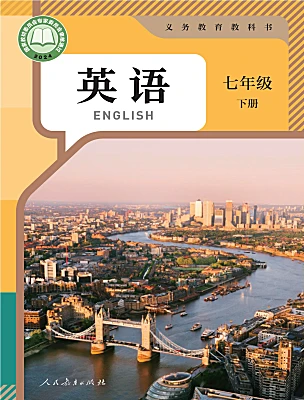
1.Shw the title and pht n Page 1 and ask students t think abut the questin:
◆What d yu think this unit is abut?
2.Ask students t lk at the pht mre carefully and answer the questins:
◆Can yu name the animals in the pht?
◆What d yu knw abut these animals?
◆D yu knw any ther special animals in China?
3.Ask students t read the Big Questin and the leading questins in Sectin A and Sectin B.Make sure students knw the main tpic f this unit.
呈现单元标题和单元主题图,鼓励学生大胆预测本单元可能谈论的话题,并通过讨论吸引学生的兴趣。
Step 2 Listening&Speaking (1a-1d)
Prelistening
1.Shw phts f sme animals and speak ut the English names f these animals tgether.
2.Ask students t use adjectives (,tall,beautiful,strng) t describe these animals.Supplement sme wrds that can be used t describe animals fr students.
3.Ask students t chse the animals they like in the phts and simply explain the reasns.
回顾和复习常见动物的英文名称以及可用于描述动物的形容词。谈论自己喜欢的动物,引起学生对话题的兴趣。
Whilelistening Page 2,1a
1.Ask students t lk at the pictures in 1a,and then write the animals n the blank line under the pictures.
2.Check the answers with the students.
Page 2,1b
1.Let students lk at the phts in 1a and ask the questin:
◆Where can we see these animals?
2.Ask students t read the questins in 1b and think abut what infrmatin they shuld fcus n while listening.
◆Where are the students?(place)
◆Why are they there?(reasn)
◆When shuld they be back?(time)
3.Listen and check the answers.
Page 2,1c
1.Ask students t read the sentences in 1c and circle the infrmatin they need t pay attentin t while listening.
2.Listen t the cnversatin.Then circle T fr true r F fr false.
3.Check the answers,and then ask students t crrect the false sentences.
Page 2,Practice Mre
Ask students t listen again and answer mre detailed questins abut the listening material:
◆What animal des Yaming like?Why?
◆Des Emma like wlves?Why r why nt?
◆What des Chen Jie think abut mnkeys?
理解听力对话内容、获取细节信息,并在听力中学习和理解目标语言。
Pstlistening
Page 2,1d
Ask students t wrk in pairs and take turns t talk abut their favurite animals,fllwing the example in 1d.
分组操练本节课的目标语言。
Summary
1.Ask students t summarise the wrds that can be used t describe animals:
◆clever,funny,dangerus,interesting,...
2.Ask students t summarise the sentences that can be used t explain the reasns why they like an animal:
◆Because they are really clever and funny.
◆They take gd care f their babies.
◆They are interesting.
◆They lk like us.
总结本节课需要掌握的重点词汇和句型。
Step 3 Prnunciatin (1-3)
Page 3,1
1.Ask students t listen t the recrding and repeat the prnunciatin.
2.Ask students t pay attentin t the different prnunciatin f letters and letter cmbinatins.
3.Let students add ne mre wrd t each grup.
通过边听边跟读练习发音,并通过观察总结发音规则。
Page 3,2
1.Ask students t pay attentin t the bld letters in Prnunciatin 2.
2.Ask them t answer the questin:What frm are these wrds?
3.Let students listen t the recrding and repeat the prnunciatin.Then let them ntice the prnunciatin f (e)s.Teacher can ask students t think abut the questin:
◆D s and es make the same sund in each wrd?
4.Explain the prnunciatin rules f plural nuns t students.
通过边听边读感受名词复数的发音并总结发音规律。
Page 3,3
1.Ask students t read the sentences in Prnunciatin 3 by themselves.
2.Ask students t listen t the recrding and repeat.Then let them ntice hw the unstressed wrds are prnunced.
3.Ask students t cmpare if there is any difference in the prnunciatin f the italicized wrds when they are reading.
先通过自主朗读练习让学生感受发音差异,再通过跟读练习强化学生对非重读单词的学习。
Extensin Activity (Optinal)
1.Prepare a different passage r cnversatin fr students.
2.Ask students t underline the unstressed wrds while reading by themselves.
3.Chse sme students t read the passage r cnversatin t the whle class.
Step 4 Hmewrk
1.Make a survey abut yur family members' favurite animals,and then share with classmates next class.
2.Finish the exercises
教学反思
第二课时 Sectin A(2a-2f)
学习目标
In this lessn,students will:
1.understand the cnversatin abut Peter's and Fu Xing's favurite animals;
2.practise the prnunciatin f unstressed wrds in the cnversatin;
3.learn hw t intrduce an animal;
4.intrduce their favurite animals;
5.understand why they cannt feed the animals.
学习建议
Step 1 Leadin
Shw students sme phts abut penguins r shw them a vide abut penguins.
Then ask students t answer the questins:
◆What is the animal in the phts/vide?
◆What d they lk like?
◆Where are they frm?
◆What d they eat?
◆D they fly?
◆D they live alne r in grups?
利用图片或视频引起学生对本课话题的兴趣,并通过一系列引导性提问帮助学生参与对话题的讨论。
Step 2 Listening & Speaking (2a-2d)
Prelistening
1.Shw students the pht in 2a and ask them the questins:
◆Where are the peple?
◆What are the peple ding?
◆Can yu guess what the cnversatin is abut?
引导学生观察图片,通过背景信息对交际内容做出预测。
Whilelistening
Page 3,2a
1.Ask students t listen t the cnversatin and circle the clured wrds they hear.
2.Check the answers with students,and then cmpare the differences f the clured wrds (,lvely/amazing,clever/smart).
Page 4,2b
Ask students t read the cnversatin and cmplete the table in 2b,and then check the answers with students.
Page 4,2c
1.Ask students t listen t the cnversatin again and pay attentin t the unstressed wrds.
2.Invite tw r three pairs f students t rleplay the cnversatin in class.
Page 4,2d
1.Ask students t match the headers (1-5) in 2b with the questins (A-E).
2.Let students ask and answer questins abut penguins by using the infrmatin in 2b and the questins in 2d.
e.g.—What des the penguin lk like?
—It lks lvely.
—Where is it frm?
—It's frm Antarctica.
理解听力对话内容、获取细节信息,并在听力中学习和理解目标语言。
Pstlistening
Page 4,2e
1.Ask students t fill in a card abut their favurite animals.
2.Ask students t wrk in pairs.Take turns t intrduce their favurite animals t their partners.
favurite animal is pandas.Pandas have black and white fur.They lk very lvely.Pandas live in the frest in Sichuan Prvince and Shaanxi Prvince.Their fd is bamb.Pandas can climb trees.They are really great animals.
Page 4,2f
1.Ask students t wrk in pairs,and then use the questins in 2d t ask abut their partner's favurite animal.
2.Invite sme students t intrduce their partners' favurite animals t the whle class.
e.g. ...'s favurite animal is...
对目标语言进行迁移运用。
Summary
Ask students t summarise the sentence patterns that can be used t intrduce a kind f animals,using a mind map r a table.
总结本节课的重要句型。
Further Thinking
Teacher asks students the questins:
◆What fd des Fu Xing want t give t the penguins?
◆Is it a gd behaviur?Why r why nt?
1.Based n the abve tw questins,teacher can ask students t think mre abut the behaviur f feeding z animals:
◆Why shuldn't we feed the z animals?
animals have their wn fd.If we feed them ther things,they can get sick.
Feeding z animals can scare them.And sme animals might eat packaging by mistake and fall ill.
◆S what shuld we d when we watch the animals in the z?
shuld nt feed the animals.
We shuld just lk at the animals quietly.
We shuld fllw the rules and nt disturb the animals.
2.Summary:Dn't feed the animals.Let them stay healthy and live naturally.
通过提问引发学生对投喂动物这一行为的思考,并点明主题意义。
Step 3 Hmewrk
1.Vte t chse the animal that students in yur class like best and make an intrductin card fr it.
2.Finish the exercises
教学反思
第三课时 Grammar Fcus(3a-3d)
学习目标
In this lessn,students will:
1.ask and answer questins using wh questins;
2.be able t cnnect tw sentences using cnjunctin wrd because;
3.knw the rules f plural nuns.
学习建议
Step 1 Leadin
1.Ask students t find a partner,and then talk abut the animals they like r dislike.Teacher can help students start their cnversatins by giving them sme examples:
◆What animal d yu like?/What's yur favurite animal?
◆Why d yu like...?
◆Where
◆What animal dn't yu like?
◆Why dn't yu like...?
复习听说课中涉及的以wh开头的特殊疑问句,自然过渡到语法课内容。
Step 2 Grammar Teaching (3a-3d)
Page 5,3a
1.Ask students t read the sentences in 3a,and ask them t explain the usage f the wh wrds:what,where and why.
2.Ask students t circle the wrd that intrduces a reasn,and then explain the usage f because.
◆because意为“因为”,可以用来连接原因状语从句。
didn't g there,because she was ill.
◆回答why问句时,只能用because,不能用fr或as。
e.g.—Why are yu late?
—Because I met a traffic accident n my way here.
◆汉语中我们经常说“因为所以”,但在英文中有了because就不能再用s。
he was tired,he culdn't walk there.
Page 5,3b
1.Ask students t cmplete the cnversatin with the wrds in the bx.Then underline the animal nuns.
2.Check the answers with the students.
Page 5,3c
1.Ask students t make the nuns in the bx plural.
2.Explain the rules f plural nuns.
名词复数的变化规则:
◆在一般情况下,词尾加s,在清辅音后读/s/,在浊辅音、元音及其他一些情况后读/z/。如:eagle—eagles,pet—pets。
◆以s,x,sh,ch结尾的词,词尾加es,读/ɪz/。如:fx—fxes,glass—glasses。
◆以f或fe结尾的词,先将f或fe改为v,再加es,读/vz/。如:wlf—wlves,life—lives。
◆以结尾的词,有生命物在词尾加es,无生命物在词尾加s,读/z/。如:tmat—tmates,z—zs。
◆以辅音字母加y结尾的词,先将y改为i,再加es,读/ɪz/。如:baby—babies,family—families。
名词复数的不规则变化:
◆元音发生变化。如:man—men,tth—teeth。
◆单复数同形。如:sheep—sheep,deer—deer。
◆词尾发生变化。如:x—xen,child—children。
◆有些名词只有复数形式。如:clthes,trusers。
3.Ask students t use the plural nuns t cmplete the sentences.Encurage them t add mre t the sentences.
以讲练结合的方式让学生掌握本节课语法。
Page 5,3d
1.Ask students t think f an animal in their mind.Then let them ask and answer questins with a partner t guess each ther's animal.
2.Invite tw r three pairs f students t rleplay the cnversatin in class.
结合本单元主题,综合运用语法知识。
Step 3 Hmewrk
1.Make mre animal riddles using wh questins.
2.Finish the exercises.
教学反思
第四课时 Sectin B(1a-2b)
学习目标
In this lessn,students will:
1.understand Malee's pst and get detailed infrmatin;
2.learn sme knwledge abut elephants;
3.knw animals are part f peple's lives and they shuld prtect them.
4.write their wn psts fr the website abut their favurite animals.
学习建议
Step 1 Leadin
Page 6,1a
1.Shw students a vide r sme phts abut elephants and ask them what they knw abut elephants.
Here are sme facts abut elephants:
◆Elephants are the largest land animals n the earth.
◆They nly eat plants.
◆Their trunk is very useful.They can use it t drink water,pick up fd and talk t ther elephants by tuching trunks.
2.Shw students the picture in Malee's pst and ask them what the elephants are ding.
通过视频或图片导入主题,引起学生的兴趣。询问学生对大象了解多少,唤起学生对大象的先验知识。
Step 2 Reading Cmprehensin (1b-1d)
Prereading
1.Ask students t scan the first tw paragraphs and then answer the questins:
◆Where is Malee frm?
◆What is the natinal animal f Thailand?
◆D elephants have special meanings in Thai culture?
Culture Tips
Intrduce the symblic meaning f elephants and the Thai Elephant Day t students.
◆In Thai culture,elephants are very special.They are a symbl f gd luck,strength,pwer and wisdm.
◆Thai Elephant Day is a traditinal religius festival.In Thailand,it is held every year t thank elephants.This is because their ancestrs gave their lives t defend the cuntry in wars.On this day,elephants are washed clean by their wners and then decrated.They g t Suphan Buri(素攀府) t take part in the annual “Elephant Games”.There are events like tugfwar,weightlifting,kicking balls and bstacle curse.
介绍背景知识,让学生了解大象在泰国文化中的意义,帮助学生理解语篇的内容和主题。
Whilereading
Page 6,1b
1.Ask students t read Malee's pst and chse the best title fr it.This time,students just need t get the general idea f each paragraph.
2.Ask the students t share their answers and give the reasns.
Page 7,1c
1.Ask the students t read the pst again and answer the questins.
2.Ask students t give supprting details frm Malee's pst.
Page 7,1d
1.Ask the students t cmplete the mind map with the infrmatin frm Malee's pst.
2.Check the answers with the class.
通过完成阅读任务,学生能够对文本有充分的理解并提高抓取关键信息的能力。
Pstreading (2a-2b)
Writing(以读促写)
Page 7,2a
1.Ask the students t cmplete the passage with the wrds in the bx.
2.Ask students hw the writer intrduces the dg.
The writer intrduces the dg frm the fllwing aspects:
◆What des the dg lk like?
◆What is the dg like?
◆What can the dg d?
◆Hw much des the writer lve the dg?
3.Ask students t cnsider hw t intrduce an animal when writing a passage abut them.
,ability,fd,...
Page 7,2b
1.Ask students t write their wn psts fr the website abut their favurite animals.Students can use the questins in 2b fr help.
2.Tell students they can use the passage in 2a as an example.
这是一个基于阅读语篇的拓展写作练习。学生通过描写自己最喜爱的动物,对目标语言进行充分练习并和巩固。
Step 3 Language Pints
Hw t Save Elephants如何救助大象
此处save作动词,意为“救;救助”。save ne's life意为“拯救某人的生命”。
【拓展】save作动词,还可意为“储蓄;保存;节约”。如:
Dad wrks late t save mney.
Save me sme fd.
Please save water.
They are als a symbl f gd luck here.它们(大象)在这里也是好运的象征。
◆a symbl f...意为“的象征”。如:The number eight is a symbl f gd luck in China.
◆luck为不可数名词,意为“幸运;运气”。常见短语:gd luck好运;bad luck噩运。
【拓展】lucky adj.幸运的
Hwever,they're in danger.然而,它们(大象)处于危险中。
◆hwever为副词,意为“然而;不过”,常用逗号与前后内容隔开。
◆danger作名词,意为“危险”。常见短语:in danger处于危险中;ut f danger脱离危险。
things made f ivry象牙制品
此处made f ivry为过去分词短语,作后置定语,修饰前面的名词things。如:
I lve the hat made f wl.
【拓展】be made f意为“由制成”,从制成品能看出原材料。
be made frm意为“由制成”,从制成品看不出原材料。
Step 4 Hmewrk
1.Write a pst fr a website abut China's natinal animal panda.Use Malee's pst as an example.
2.Finish the exercises
教学反思
Hw t intrduce animals?
Name
(s)'s favurite animal is...
Lks
They are lk...
Hme
They're usually live in...
Fd
They (usually) eat...
Ability
They can't...,but they can...
what
asks abut things/bjects/activities
where
asks abut places
why
asks abut reasns
这是一份初中英语人教版(2024)七年级下册(2024)Unit 1 Animal friends教案及反思,共18页。
这是一份人教版(2024)七年级下册(2024)Unit 1 Animal friends教学设计,共13页。教案主要包含了抽测,导入,【学】——自主探究,【议】——合作探究,【评】,【练】,【作业布置】等内容,欢迎下载使用。
这是一份七年级下册(2024)Unit 1 Animal friends教学设计,共13页。
 新教材
新教材
注册成功
资料篮

在线客服
添加在线客服
获取1对1服务
官方微信
关注“教习网”公众号
打开微信就能找资料
赛课定制
添加在线客服
获取1对1定制服务
职称咨询
添加在线客服
获取1V1专业指导服务

免费福利


.png)
.png)
.png)
