免费领取教师福利

若您为此资料的原创作者,认为该资料内容侵犯了您的知识产权,请扫码添加我们的相关工作人员,我们尽可能的保护您的合法权益。


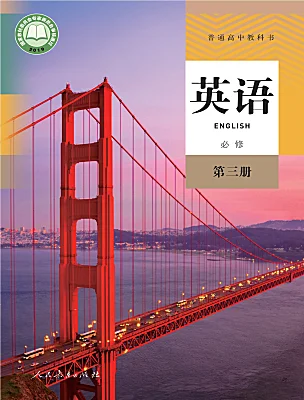
这是一份英语必修 第三册Unit 5 The Value of Money优秀单元测试一课一练,文件包含Unit5TheValueofMoney速记清单原卷版docx、Unit5TheValueofMoney速记清单解析版docx等2份试卷配套教学资源,其中试卷共35页, 欢迎下载使用。
考点1. basis n. 基础;根据;基点
Is mney the basis f a happy life?(教材P50)钱是幸福生活的基础吗?
用法归纳
①n the basis f . . . 在……的基础上;根据……
② n the basis that. . . 在……的基础上
③ n a regular/daily/weekly basis定期/每天/每周
词汇拓展
①base n. 基础;根基;据点;基地 v. 以……为据点;把(总部等)设在
◆base. . . n/upn. . . 把……建立在……的基础上
◆be based n/upn. . . 以……为基础
②basic adj. 基础的
basic infrmatin/ideas基本信息/思想
③basically adv. 基本上;总的来说
As far as I can tell, Jasn is basically a nice guy.
据我判断,贾森算得上是个好人。
特别提醒
base通常指具体的基础,如the base f the pyramid(金字塔的基础);而basis常指抽象的基础,
如the basis f ur friendship(我们友谊的基础)。
1.My chices are based n the lifestyle I want. 我的选择是基于我想要的生活方式。
2.Statement shuld be made n the basis f fact. 说话要有事实根据。
3.Cncerts will be held by them n a regular basis t raise funds fr the endangered wildlife.他们将定期举办音乐会来为濒危野生动物筹集资金。
4.Billins f peple use scial media n a daily basis t share, and exchange ideas and infrmatin. 数十亿人每天都在使用社交媒体来分享、交流想法和信息。
考点2. aplgise(=aplgize)vi. 道歉;谢罪
Wang Zheng aplgised t Chen because he culdn't ffer her mre mney. (教材P50)王铮向陈道歉,因为他无法给她更多的钱了。
用法归纳
aplgise t sb. fr (ding) sth. 因(做)某事向某人道歉
词汇拓展
◆aplgy n. 道歉
a letter f aplgy一封道歉信
◆make/ffer an aplgy t sb. fr sth. /ding sth. 因某事/做某事向某人道歉
Yu shuld make an aplgy t yur friend fr what yu said. 你应该为你说过的话向你的朋友道歉。
◆we sb. an aplgy欠某人一个道歉
语境串记 Yesterday, my friend Jack brke my glasses by accident.Later, he aplgised t me fr it and I frgave him fr his sincere aplgy.昨天,我的朋友杰克无意中弄坏了我的眼镜。后来他为此向我道歉,由于他真诚的道歉我原谅了他。
考点3. in return作为回报;作为回应
When we help smene, shuld we expect t get smething in return? (教材P51)当我们帮助别人的时候,我们应该期望得到一些回报吗?
用法归纳
in return fr sth. 作为对某事的回报
词汇拓展
◆in turn相应地;转而;轮流,依次
1.Increased prductin will, in turn,lead t increased prfits. 增加产量会继而使利润增加。
2.All theries cme frm practice and in turn serve practice.任何理论都来源于实践,转而为实践服务。
3.There were cheers fr each f the wmen as they spke in turn. 女士们依次发言时,每一位都得到了喝彩。
考点4. judge vt. & vi. 评价;评判;判断 n. 法官;审判员;裁判员
Shuld we judge peple based n hw much mney they have?(教材P51)我们应该根据人有多少钱来评判他们吗?
用法归纳
①judge. . . by . . . 从……来判断……
②judging frm/by . . . 根据……来判断(用作独立的状语,不受句子主语和时态的影
响)
③as far as I can judge据我判断,依我看
词汇拓展
◆judgement(judgment) n. 看法;判断力;审判;评价
◆make a judgement n/abut. . . 对……作出评价
◆in ne's judgement在某人看来
1.What,in yur judgement, wuld be the best curse f actin? 依你之见,什么是最佳的行动方式?
2."Yu can't judge a bk by its cver," as the ld saying ges. 有句老话说道:"不能以貌取人。"
3.As far as I can judge,all f them are t blame.据我判断,他们都应承担责任。
4.Judging by what he said, it was unlikely that he wuld supprt yur applicatin.从他说的话来看,他不太可能会支持你的申请。
考点5. scene n. (戏剧或歌剧的)场;现场;场面;景色
Read the scene and answer the questins. (教材P52) 读这场戏的台词,并回答问题。
用法归纳
①n the scene出现;到场
②at the scene在场
③ behind the scenes在幕后;暗中
1.On seeing the funny scene,the audience all burst int laughter.一看到这好笑的场面,观众都放声大笑起来。
2.Dctrs and nurses rushed t the scene f the accident t carry ut the rescue.医护人员迅速赶到了事故现场,实施救援。
3.By the time I arrived n the scene, it had been all ver. 我来到现场时,一切都已结束。
4.In spring, the scene n the tp f the hill is s attractive that it is beynd wrds.在春天,山顶的风景非常吸引人,以至于我难以言表。
易混辨析
各种“风景”
The view f the West Lake frm the muntain is very beautiful. As yu walk near it, yu will be deeply attracted by its scenery. It is different frm the sights in ther places. And yu can see the scenes f peple taking phts there. 从山上看西湖风景非常漂亮。当你走近它时,你就会被它的风景深深地吸引。它不同于其他地方的名胜。你会看见人们在那儿拍照的场面。
特别提醒
scene后接定语从句,且关系词在从句中作状语时,用关系副词where。
On receiving the call,the plice rushed t the scene,where a traffic accident happened. 警方一接到电话就火速赶到了现场, 在那里发生了一起交通事故。
考点6. spt vt. 看见;注意到;发现 n. 地点;处所;斑点;污迹
The next mrning I was sptted by a ship. (教材P52)第二天早上,一艘船发现了我。
用法归纳
①spt sb. ding sth. 看到某人正在做某事
②be sptted with . . . 满是……斑点
③ n the spt在现场,当场
④turist spt旅游景点
语境串记 I finally sptted my friend in the crwd, wh wre a white dress with pink spts.我终于在人群中看见了我的朋友,她穿着带粉点的白裙子。
考点7. patience n. 耐心;忍耐力;毅力
Patience. (教材P52)耐心点。
用法归纳
①have n/little patience with . . . 对……不能/几乎不能容忍
②lse/run ut f patience with. . . 对……失去耐心
词汇拓展
①patient adj. 有耐心的;能忍受的 n. 病人
◆be patient with. . . 对……有耐心
②patiently adv. 耐心地
③impatient adj. 不耐烦的,没有耐心的
1.As a nurse, she is very patient with her patients and never lses patience with them, n matter hw impatient they are. 作为护士,她对她的病人特别有耐心,不管病人多么不耐烦,她从来没有对他们失去耐心。
2.Yu need a lt f patience, because it will take a lng time t finish this task. 你需要很多的耐心,因为这项任务需要很长时间才能完成。
3.He walked s slwly that his elder brther lst patience with him. 他走得如此慢,以至于他哥哥对他失去了耐心。
考点8. intentin n. 打算;计划;意图;目的
intentin(教材P54)意图
用法归纳
① with an/the intentin f. . . 抱有……的目的/打算
②(ne's) intentin t d sth. (某人)做某事的打算/意图
③have n/every intentin f ding sth. 无意/一心想做某事
词汇拓展
①intend v. 计划;打算
◆intend ding/t d sth. 打算做某事
◆intend sb. t d sth. 打算/想让某人做某事
His father intends him t take charge f the cmpany. 他的爸爸打算让他掌管那个公司。
②intended adj. 为……打算或设计的;打算的;计划的
◆be intended t d sth. 为做某事打算或设计的
The GPNP is intended t prvide strnger prtectin fr all the species that live within the Giant Panda Range and significantly imprve the health f the ecsystem in the area.
大熊猫国家公园旨在为生活在大熊猫活动范围内的所有物种提供更有力的保护,并显著改善区域内的生态系统健康。
◆be intended fr sth. /sb. 为某事/某人打算或设计的
I lked carefully at the text and realized that it was intended fr wmen in the cuntryside. 我仔细地看了这篇文章,了解到它是为农村妇女写的。
1.The riginal intentin f bike sharing is t prvide a cnvenient means f transprtatin and advcate a lw-carbn lifestyle. 共享单车的初衷是提供一种便捷的交通方式,倡导低碳的生活方式。
2.I have n intentin f allwing yu t cntinue living here alne.我不打算让你继续独自生活在这里。
3.He came t China with the intentin f learning tai chi.他来到中国,打算学习太极。
考点9. in case如果;以防;以防万一
In case it happens t yu n a trip abrad, what wuld yu d? (教材P54)万一你在国外旅行时遇到这种情况,你会怎么做?
用法归纳
①in case作短语连词,可引导两种从句。
引导目的状语从句,作“ 以免,以防 ”讲;引导条件状语从句,意为“ 如果,万一 ”。
②just in case 以防万一 ,常用于句尾,用逗号与前面内容隔开。
③in case f 如果,假使
词汇拓展
◆in sme/many/mst cases在一些/许多/大多数情况下
◆in n case在任何情况下都不;无论如何都不(位于句首时,其后用部分倒装)
◆in that case既然那样;假使那样的话
1.In mst cases, humans can develp a friendship with the animals they keep. 在大多数情况下,人类可以与他们养的动物发展出友谊。
2.In n case can we g against the law f nature r we'll meet endless suffering. 我们决不能违背自然规律,否则我们将会遇到无止境的苦难。
3.In that case, culd yu please tell him t check his email?那样的话,能请你告诉他检查一下他的邮件吗?
语境串记 Please take an umbrella when yu climb the muntain in case it rains. What's mre, let us knw in case f emergency.当你爬山时请带把伞,以防下雨。而且,如果遇到紧急情况请让我们知道。
考点10. hesitate vi. 犹豫;迟疑;顾虑
Why des the wner think Henry hesitates t pay the bill? (教材P55)为什么店主认为亨利不想付账呢?
用法归纳
①hesitate t d sth. 不愿意做某事
②dn't hesitate t d sth. 尽管做某事
③hesitate abut/ver. . . 对……犹豫/迟疑不决
词汇拓展
◆hesitatin n. 踌躇,犹豫,迟疑
◆withut hesitatin毫不迟疑/犹豫
I jined this prject withut hesitatin. 我毫不犹豫地加入了这个项目。
◆have n hesitatin in ding sth. 非常愿意做某事
语境串记 Once yu hesitate abut a decisin, yu may miss a gd chance. Dn't be hesitant, but be cautius. Only in this way can yu meet with success.你一旦对一个决定犹豫不决,就可能会错失良机。不要迟疑,但要谨慎,只有这样你才能成功。
考点11. manner n. 举止;行为方式;方法 [pl. ]礼貌;礼仪
in a rude manner(教材P56)粗鲁地
用法归纳
① in a(n). . . manner 以……的方式
②it is bad/gd manners t d sth. 做某事是没有礼貌的/有礼貌的
③table manners餐桌礼仪
归纳拓展 "方法,方式"的其他表达:
(1)a methd fr/f ... ……的方法
(2)in a(n) ... way以一种……方式;a way f ding sth./a way t d sth.做某
事的方法
(3)by means f ...依靠……方法;a means f (ding) sth.(做)某事的方法
(4)an apprach t(t是介词 )ding sth. 做某事的方法
1.It is gd manners t lk up t the ld. 尊敬老人是有礼貌的表现。
2.Find ways t enjy them in a cmbined manner. 以结合的办法找到享受它们的方式。
考点12. permissin n. 准许;许可;批准;许可证
Yes, I'd lve t. . . with yur permissin. (教材P58)是的,我想……如果你允许的话。
用法归纳
① withut permissin 未经许可
② with ne's permissin 经某人同意
③ask (fr) permissin 请求允许
④btain/get/receive permissin 得到许可
词汇拓展
◆permit v. 许可;允许 n. 许可证;执照
◆permit sb. t d sth. 允许某人做某事
Emplyees are permitted t use the glf curse during their free hurs. 雇员被允许在空闲时间使用高尔夫球场。
◆permit ding sth. 允许做某事
The club des nt permit smking. 该俱乐部不允许吸烟。
1.Children can enter the theme park with parents' permissin. 孩子在父母许可后可以进入主题乐园。
2.The teacher warned the students nt t tuch anything in the lab withut permissin. 老师警告学生未经允许不要触摸实验室里的任何东西。
3.What shall I say if I want t ask(fr) permissin frmally? 如果我想正式地请求许可,我该说什么呢?
考点13. find+宾语+宾补
Abut a mnth ag, I was sailing,and twards night I fund myself carried ut t sea by a strng wind. (教材P52)大约一个月前,我在航海,傍晚时,我发现自己被一阵大风刮到了海上。
用法归纳
①find后接复合宾语,其常见结构如下:
find+宾语+ 过去分词 (表示被动、完成)
find+宾语+ 现在分词 (表示主动、进行)
find+宾语+ 介词短语 / 副词 / 形容词 / 名词 (通常表示
状态或特征)
②当宾语为不定式或从句时,常用 it 作形式宾语,将真正的宾语放在宾补的后面,构成“find it+宾补+真正的宾语(不定式或从句)”的结构。
1.He fund a lt f peple already lining up there. 他发现很多人已经在那里排队了。
2.When he wke up,he fund himself in a small village. 当他醒来时,他发现自己在一个小村子里。
3.When he arrived at the bank, he fund the dr clsed. 当他到达银行时,他发现门已经关了。
4.Finding the curse very difficult, she decided t mve t a lwer level. 由于发现这门课程很难,她决定转向较低水平的课程。
5.At dawn we fund urselves back t the place we left the night befre. 天亮时,我们发现我们回到了前一天晚上离开的地方。
6.We fund it an easy thing t get alng with him. 我们发现与他融洽相处很容易。
考点14. 强调句型
And it was the ship that brught yu t England. (教材P52)正是这艘船把你带到了英国。
用法归纳
①强调句的基本句型:It is/was+被强调部分+ that/wh +其他部分。
②强调句的一般疑问句:Is/Was it+ 被强调部分+that/wh+其他部分?
③强调句的特殊疑问句: 特殊疑问词 +is/was+it+that+其他部分?
④nt. . . until. . . 结构的强调句型:It is/was nt until . . . that. . . 。
⑤强调句中的时态:强调句的时态要依原句的时态而定,原句为过去的某种时态,则强调句中的be动词用was;原句为现在或将来的某种时态,强调句中的be动词用is。
⑥强调句中的主谓一致:被强调的部分如果是句子的主语,that/wh之后的谓语动词在人称和数上应与被强调的主语保持一致。
特别提醒
1. 强调句型中be动词只能用单数(is/was),不能用复数形式(are/were)。
2. 被强调部分指人时,用that和wh均可,不指人时,只能用that。
3. 以上强调句型常用来强调主语、宾语和状语,不能用来强调谓语,若强调谓语,需用d,des或did。
1.It is Yuth that accmpanies me thrugh my schl life. 是Yuth陪伴我度过学校生活。
2.It is his mther wh has been devting herself t his study. 是他的妈妈一直全力倾注于他的学习。
3.It was nt until I fllwed this feeling t its surce that I discvered I had a passin fr writing. 直到我跟随这种感觉找到它的源头,我才发现我爱上了写作。
4.Was it when the car pulled up that yu saw the passer-by?当汽车停下时你才看到那个路人吗?
5.What was it that prevented him frm cming n time? 是什么阻碍了他按时来?
语法精讲
情态动词
用法归纳
情态动词可以表示能力、许可、必要性、可能性、责任和义务、建议、意愿、要求、打算和禁止等。例如:句①中的can't表示能力;句②中的culd用于请求别人做某事;句④中的wuld表示建议;句⑤中的wuld表示意愿;句⑥中的may表示征求许可;句⑦中的mustn't表示禁止;句③中的culd和句⑧中的may表示可能性。
①Well, I can't say that I have any plans.
②Culd yu ffer me wrk here?
③Oliver believes that with a millin-pund bank nte a man culd live a mnth in Lndn.
④Wuld yu please cme in?
⑤I wuld like t wrk in Beijing.
⑥If yu dn't mind, may I ask yu hw much mney yu have?
⑦Well, yu mustn't park here.
⑧Well, it may seem lucky t yu but nt t me!
一、can与culd
用法归纳
1. 表示能力,相当于be able t。can表示现在的能力 ,culd表示① 过去的能力 。
2. 表示请求和建议。culd比can语气更委婉。
3. 表示推测时,can通常用于② 否定句 和疑问句中,而culd还可用于肯定句中。culd比can表示的可能性小。
He is nly fur,but he can read.
At that time the little girl culdn't speak.
—Can/Culd I use yur cmputer fr a mment?—Yes, yu can.
—Can this be true?—It can't/culdn't be true.
If nt dealt with prperly, the situatin culd becme wrse.
二、may与might
用法归纳
1. 表示请求允许。might比may语气更委婉。肯定回答一般用may或③ can ,
否定回答可用can't或④ mustn't 。
2. 表示推测、可能性(不用于疑问句)。might可表示过去的可能性,也可表示现在的可能性,表示现在的可能性时,might所表示的可能性比may小。
3. may可用于表示祝愿。
4. 固定搭配:may/might as well表示“还是……为好,倒不如……”。
—May/Might I watch TV after supper, Mum?—Yes, yu may/can. —N, yu can't/mustn't. Yu need t have a gd rest.
Thinking it might rain, we put ff the meeting.
Yu may be right.
May yu succeed!
If the weather is ht tmrrw, we may/might as well give up the idea f playing tennis utside.
三、must与have t
用法归纳
1. must表示“必须,一定”。在回答以must开头的一般疑问句时,如果是否定回答,不能用mustn't(禁止,不准),而应用⑤ needn't 或dn't have t(不必)。
2. must反映说话人的主观看法,而have t则强调⑥ 客观需要 。
3. must表示推测、可能性(用于肯定句),意为“一定是,肯定是”。
4. must还可用来表示讽刺或抱怨,意为“一定要,非要”。
—Must we hand in ur exercise bks tday?—Yes, yu must. —N, yu dn't have t. /N, yu needn't.
The play isn't interesting. I really must g nw.
I had t wrk when I was yur age.
Yur mther must be waiting fr yu nw.
Must yu spil everything?
四、shall、shuld与ught t
用法归纳
1. shall用于第一人称的疑问句中,表示⑦ 征求意见 。
2. shall用于第二、三人称,表示说话人给对方的命令、警告、指示。这种用法已不多见。
3. shall还可用于正式的法律条文或规章制度中,表示“应该,必须”。
4. shuld与ught t表示义务或建议,意为“应该”,往往可以交替使用。
5. shuld常与what、hw、why等词连用,表示意外、惊讶或恼怒等情绪。
What shall we d this evening?
Yu shall fail if yu dn't wrk hard.
The president shall hld ffice fr fur years.
We shuld/ught t all wrk tgether t draw a new and better blueprint fr the cming generatin.
I dn't knw why yu shuld think that I did it.
五、will、wuld与used t
用法归纳
1. will、wuld可用于表示请求别人做某事,wuld语气更委婉。
2. will表示现在反复发生的动作或存在的状态(或习惯),wuld表示⑧ 过去 反复发生的动作或存在的状态(或习惯),这种动作或状态有可能再发生或存在;used t表示过去的习惯,有“现已无此习惯”之意。
3. will、wuld还可表示意愿。will表示现在的意愿,wuld表示过去的意愿,wuld也可以表示现在的意愿,但语气较委婉。
4. will还可表示一般规律或真理,常翻译为“会,能”。
Will/Wuld yu pass me the ball, please?
He will listen t music fr hurs alne in the rm.
During the vacatin, he wuld visit me every ther day.
He used t be late, but nw he is the first ne t arrive at schl every day.
I will help yu if yu are in truble.
I wuld like t live in China.
Fish will die withut water.
六、dare与need
用法归纳
1. dare和need用作情态动词时,多用于疑问句和否定句中。
2. 这两个词也可以用作实义动词,后接带t的动词不定式。
Need I tell her the news at nce?
He dare nt g t schl alne.
Jack needs t help her because she is in truble.
He didn't dare t say what he had seen.
七、情态动词后接完成式的用法
用法归纳
1. can have dne一般用于疑问句或否定句中,用于否定句表示对过去某种情况的猜测,意为“不可能……”,用于疑问句表示怀疑,意为“难道真的做了……吗”;
culd have dne也可表示对过去情况的推测或怀疑,同时可用于肯定句表推测,但语气较弱。culd have dne除了表示对过去某种情况的猜测外还可以表示“过去本来可以做某事而未做”。
2. may/might have dne用于对已经发生过的情况进行不确定的推测,might的语气稍弱,通常不用于疑问句中。might have dne还可表示“过去可能做某事而实际未做”。
3. must have dne表示对过去已经发生过的情况的肯定推测,语气较强,意思是“一定/肯定做过某事”,通常只用于肯定句,其否定意义常用 can't/culdn't have dne 表示。
4. shuld/ught t have dne表示“过去本来应该做某事而实际上没有做”,其否定形式则表示“过去本不该做某事却做了”,含有责备的意思。ught t的语气比shuld强烈。
5. needn‘t have dne表示“⑩ 做了本来不必做的事情 ”。
6. 在虚拟条件句中,如果表示与过去事实相反的情况,从句用过去完成时,而主句谓语则用“情态动词+have dne”。
He can't/culdn't have gne abrad;I saw him an hur ag.
Can he have dne such a flish thing?
It's t late. Yu culd have tld him earlier.
He might have had an accident.
He may nt have knwn it.
It must have rained last night, fr the grund is wet this mrning.
Yu shuld/ught t have understd that a just cause enjys abundant supprt.
It was nly five minutes' walk. We needn't have taken a taxi.
If he had wrked hard, he wuld have passed the Cllege Entrance Examinatin.
过去将来时
一、过去将来时的概念和用法
用法归纳
1. 过去将来时表示从 过去 的某一时刻来看将要发生的动作或存在的状态,即“过去的将来”。
2. 过去将来时常用于表示以下两种情况:
(1)就过去某一时刻而言,以后将要发生的事情;
(2)过去安排好要做的事情。
情景导学
He said we wuld knw the result a week later. 他说一周后我们就会知道结果。
Henry hped that the brthers wuld ffer him sme srt f wrk because he had n mney. 亨利希望这对兄弟为他提供某种工作,因为他没有钱。
The train was abut t leave. 火车就要开了。
His mther was leaving fr Shanghai in a few days. 他的妈妈几天后就要出发去上海了。
二、过去将来时的构成形式
用法归纳
过去将来时的构成形式有:
wuld d ;
was/were ging t d ;
was/were t d ;
was/were abut t d ;
was/were ding。
He asked me hw sn I wuld get ready. 他问我多久能准备好。
They said they were ging t attend a meeting. 他们说他们要去参加一个会议。
The press cnference was t be held the next week. 新闻发布会将于下一周举行。
I was abut t start ut when it suddenly began t rain. 我刚要出发,这时突然开始下雨了。
She tld me she was cming t see me. 她告诉我她要来看我。
易混辨析
单元语法专练
一.完成句子(使用合适的情态动词)
1.如果时间允许,他能够参加足球比赛。
He cmpete in the ftball match if time permits.
2.如果我完成了家庭作业,我可能会去徒步旅行。
I g hiking if I finish my hmewrk.
3.你应该比你的同班同学更加努力学习。
Yu / study harder than yur classmates.
4.你为什么偏要在我看电视的时候打扰我呢?
Why yu interrupt me while I am watching TV?
5.他一定是生病了。他看起来气色很不好。
He . He lks s pale.
6.那不可能是我们的校长。他已经去北京了。
It . He has gne t Beijing.
7.我本应该昨天上交我的家庭作业的,但不幸的是,我完全忘记这回事了。
I in my hmewrk yesterday, but unfrtunately I frgt abut it ttally.
8.我们的规定之一是每个学生在学校的时候必须穿校服。
One f ur rules is that every student while at schl.
9.我们每个人都不得不面临必须做出抉择的时刻。
Every ne f us has t face a time when we .
10.如果没有其他人要这个,我们不妨给他吧。
If n ne else wants it, we give it t him.
1.can 2.might/may 3.shuld;ught t be ill 6.can’t be ur headmaster 7.shuld have handed 8.shall wear schl unifrm 9.must make a chice 10.might/may as well
二.完成句子(使用过去将来时)
1.他把篮子放在地上,打算帮助那个人站起来。
He placed his basket n the grund and help the persn t get up.
2.他正准备放弃,这时他突然想到一个主意。
He give up when an idea came t him.
3.他说他会来看我,但他没有出现。
He said he t see me, but he didn't appear.
1.was ging t 2.was abut t 3.wuld cme
二.写作精讲
剧本写作
写作题目
假定你是红星中学的学生李华,本周六你们学校要举办艺术节,你们班将表演《白毛女》,请你写一个词数150左右的剧本,剧本要点见下表:
思路点拨
遣词造句
Ⅰ.用本单元所学单词或短语填空
1. n.叙述;讲述;解说
2. n.(戏剧或歌剧的)场;场面
3. n.贷款;借款
4. vt.忽视;对……不予理会
5. 应该
答案 1.narratin 2.scene 3.lan 4.ignre 5.ught t
Ⅱ.本单元语块、语法运用
1.完成句子
(1)爸爸出门去躲债。Daddy has gne ut t .
(2)我一直想知道爸爸什么时候会回来。
I have been wndering .
(3)他们已经来了三次了。They three times.
(4)他们发现不可能找到你,然后他们就走了。
They fund it , and then they went away.
(5)我感觉我们好像在演戏一样。
I feel we were acting a drama.
(6)老天爷不应该捉弄像我们这样的穷人。
Gd play tricks n the pr like us.
答案 (1)escape the lans (2)when Daddy will cme back (3)have cme(4)impssible t find yu (5)as if/thugh(6)ughtn't t
2.句式升级
(7)将句(4)改为含有“连词when+现在分词”的句子
答案 (7)They went away when finding it impssible t find yu.
连句成篇
参考范文
Narratin:It's snwing n New Year's Eve. After escaping the lans, Yang Baila wants t g hme, where his daughter, Xi'er, is waiting fr him.
X=Xi'er, Y=Yang Baila
X:The ld year is passing, and I am s lnely. Daddy has gne ut t escape the lans. I have been wndering when Daddy will cme back.(She wipes tears with hands. What a miserable scene!) Daddy, Daddy, where are yu? Where are yu?
Y:(With a piece f red hair string in his hand, he lks back and frward. After feeling safe, he cmes t the dr.) Xi'er, my dear, Daddy cmes back. Please pen the dr.
X:(Amazed.) Daddy? Daddy is back? Really? Is that yu, Daddy?
Y:Yes, Xi'er. Did Huang Shiren cme here tday?
X:[She brings biled water fr Daddy and massages(按摩) his back.] Yeah, Daddy. They have cme three times. Frtunately, they went away when finding it impssible t find yu. Actually, I feel as if we were acting a drama. Gd ughtn't t play tricks n the pr like us.
Y:Ignre it, dear. Cme here t see the present I bught fr yu.
(Play the episde f the play.)
实战演练
根据下面提示,仿照课文,续写一篇80词左右的剧本,介绍亨利带着百万英镑的支票去理发的过程。要点如下:
亨利走在大街上,看见了一家理发店,决定去理他的长头发;理发师用粗鲁的态度接待了他;亨利坐在椅子上等待;理发师问他是否付得起理发的费用;理发结束后,亨利出示了百万英镑的支票;理发师十分吃惊,并告诉他可以随时光临。
(While Henry is walking dwn the street,he sees a sign fr a place that cuts hair. He decides t have his hair cut.)
H=Henry,B=Barber
H:Gd afternn. I’d like t have my hair cut, if I may. (The barber lks at Henry’s hair and cntinues cutting anther man’s hair.)Er, I’d really like a haircut. As yu can see, it’s t lng.
B:(in a rude manner)Yes, I can see that. Indeed, I can.
H:Fine. Well, I’ll have a seat then.
(He sits in ne f the barber’s chairs. The barber turns t lk at Henry.)
B:It’s quite expensive here, yu knw! Are yu sure yu can affrd it?
H:Yes. I think s.
(After his hair is cut,the barber tells Henry hw much he must pay. Henry shws the barber the bank nte.)
B:Why Mr...(lking shcked)
H:Adams. Henry Adams. I’m srry. I dn’t have any change.
B:Please dn’t wrry! (wearing a big smile) Nthing t wrry abut! Nthing at all! Please cme here whenever yu like, even if yu nly have t little hair cut! It will be my hnur t serve yu!
话题
The Value f Mney
词汇
1. basis n. 基础;根据;基点2. aplgise(=aplgize)vi. 道歉;谢罪3. judge vt. & vi. 评价;评判;判断 n. 法官;审判员;裁判员4. scene n. (戏剧或歌剧的)场;现场;场面;景色
5. spt vt. 看见;注意到;发现 n. 地点;处所;斑点;污迹6. patience n. 耐心;忍耐力;毅力7. intentin n. 打算;计划;意图;目的8. hesitate vi. 犹豫;迟疑;顾虑9. manner n. 举止;行为方式;方法 [pl. ]礼貌;礼仪10. permissin n. 准许;许可;批准;许可证
短语
1. in return作为回报;作为回应
2. in case如果;以防;以防万一
句型
1. find+宾语+宾补
2. 强调句型
语法
情态动词
一、can与culd
二、may与might
三、must与have t
四、shall、shuld与ught t
五、will、wuld与used t
六、dare与need
七、情态动词后接完成式的用法
过去将来时
一、过去将来时的概念和用法
二、过去将来时的构成形式
写作
剧本写作
sight
通常用复数形式表示“风景,名胜”,多指人文或历史景观,也可以指看得见的景物
scene
可数名词,通常指某地方或图画中的“景色,景象”,也可以指电影或书中的场景、场面
scenery
不可数名词,指某地自然风景的总称
view
可数名词,表示“景色,风景”时,侧重指从观看者的角度一眼所看到的景色,尤指乡间美景
was/were ging
t d
表示打算/计划做某事或客观迹象表明要发生某事
was/were t d
表示过去计划或安排做某事
was/were abut
t d
表示说话的瞬间就会发生的动作,意为“正要/即将做”,一般不与具体的时间状语连用
was/were
ding
表示过去即将发生的动作,仅限于部分动词(如g、leave、cme、start、see、arrive、stay、buy、meet、spend等)
Character
(人物)
Y:Yang Baila(杨白劳)
X:Xi'er, Yang's daughter(喜儿,杨白劳的女儿)
Scene(场景)
Prepare fr the New Year(为新年做准备)
Stage
Arrangement
(舞台布置)
A table, a chair, a bwl f water n the table, sme related music(一张桌子,一把椅子,桌子上的一碗水,一些相关的音乐)
Plt
Intrductin
(情节介绍)
Xi'er is waiting fr Daddy t spend the New Year. Her daddy, Yang Baila, manages t cme back, bringing a piece f red hair string.(喜儿在等爸爸回来过年,她的爸爸杨白劳设法回来了,带了一根红头绳)
Narratin
(旁白)
It's snwing n New Year's Eve. After escaping the lans, Yang Baila wants t g hme, where his daughter, Xi'er, is waiting fr him.(除夕夜下着雪。逃债过后,杨白劳想回家,他的女儿喜儿正在家里等他)
主题
剧本创作《白毛女》
体裁
对话
布局
第一部分:旁白,介绍该剧的背景;
第二部分:喜儿出场,等待父亲杨白劳回家过年;
第三部分:杨白劳出场,和喜儿的对白(注意该部分的细节描写,重点描写杨白劳父女相见的情景)。
这是一份英语必修 第三册Unit 5 The Value of Money优秀单元测试一课一练,文件包含Unit5TheValueofMoney速记清单原卷版docx、Unit5TheValueofMoney速记清单解析版docx等2份试卷配套教学资源,其中试卷共35页, 欢迎下载使用。
这是一份人教版 (2019)必修 第三册Unit 5 The Value of Money精品单元测试一课一练,文件包含Unit5TheValueofMoney单元卷•测试卷原卷版docx、Unit5TheValueofMoney单元卷•测试卷解析版docx等2份试卷配套教学资源,其中试卷共18页, 欢迎下载使用。
这是一份英语人教版 (2019)Unit 5 The Value of Money精品单元测试课时作业,文件包含Unit5TheValueofMoney单元卷•考点卷原卷版docx、Unit5TheValueofMoney单元卷•考点卷解析版docx等2份试卷配套教学资源,其中试卷共10页, 欢迎下载使用。
注册成功
资料篮

在线客服
添加在线客服
获取1对1服务
官方微信
关注“教习网”公众号
打开微信就能找资料
赛课定制
添加在线客服
获取1对1定制服务
职称咨询
添加在线客服
获取1V1专业指导服务

免费福利

.png)