免费领取教师福利
若您为此资料的原创作者,认为该资料内容侵犯了您的知识产权,请扫码添加我们的相关工作人员,我们尽可能的保护您的合法权益。


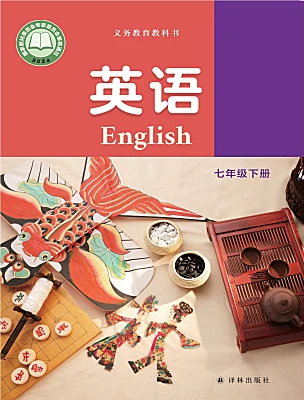
这是一份初中英语牛津译林版(2024)七年级下册(2024)Module 2 A wonderful worldUnit 5 Animal friends精品学案设计,共35页。学案主要包含了用法讲解,常见搭配,易混辨析,知识拓展,用法辨析,用法详解等内容,欢迎下载使用。
Bat (名词) 蝙蝠
【用法讲解】 bat为可数名词,还可译为“球棒、球拍”,其复数形式为bats;bat还可作动词,译为“眨(眼)、拍打”。等。
Eg: The bat flew ut f the cave at dusk. 蝙蝠再黄昏时分飞出了洞穴。
The cricketer swung his bat and hit the ball hard. 板球运动员挥动球拍,用力击球。
【常见搭配】 bat a ball 击球
Bat an eye 眨眼
Butterfly (名词) 蝴蝶
【用法讲解】 butterfly为可数名词,其复数形式为butterflies。
Eg: A butterfly landed n my hand. 一只蝴蝶落在我的受伤。
【常见搭配】 butterflies in the stmach 紧张、心慌的感觉
Eg: An exam, r even an exciting scial event may prduce butterflies in the stmach.
一场考试,甚至是一次两人兴奋的社会活动,都有可能让人心里发慌。
Hneybee (名词) 蜜蜂
【用法讲解】 hneybee为可数名词,其复数形式为hneybees。
Eg: Hwever, sme peple can’t resist hneybees. 然而,还是有些人抗拒不了蜜蜂。
Ant (名词) 蚂蚁
【用法讲解】 ant为可数名词,其复数形式为ants;ant还可作形容词,译为“非常棒的、极好的”。
Eg: There are sme ants crawling n the grund. 地上有一些蚂蚁在爬。
The new car is ant! 那辆新车太棒了。
Wing (名词) 翅膀、翼
【用法讲解】 wing为可数名词,还可译为“机翼、厢房”,其复数形式为wings;wing还可为动词,译为“飞行”。
Eg: The eagle spread its wings and flew high int the sky. 老鹰展开翅膀,高高地飞向填空。
The plane’s wings are the large flat parts that stick ut frm the side f the plane.
飞机的机翼是飞机侧面伸出的大平面部分。
We were given an ffice in the empty west wing f the building.
我们在空置的大楼西翼分了一间办公室。
The birds are winging their way suth fr the winter. 鸟儿正飞往南方过冬。
【常见搭配】 Take sb. under ne’s wing 呵护、庇护
Eg: When Sarah jined the cmpany, her mentr tk her under her wing and helped her learn the rpes.
当莎拉加入公司时,她的导师庇护并帮助她熟悉业务。
Taste (动词) 尝、品、吃、喝
【用法讲解】 Taste还可为名词,译为“味道、滋味”;taste亦可为系动词,译为“尝起来”,后面需接形容词或介词短语作表语。
Eg: Sugar has a sweet taste. 糖有种甜甜的味道。
May I taste it? 我可以品尝一下吗?
The cakes taste delicius. 蛋糕尝起来很美味。
【常见搭配】 a sense f taste 味觉
Taste like + 名词/形容词短语 尝起来像...
Eg: She a keen sense f taste. 她有敏锐的味觉。
The apple tastes like hney. 这个苹果尝起来像蜂蜜。
Awake (形容词) 醒着
【用法讲解】 awake还可作动词,译为“醒来、唤醒”,其过去式为awke,在句中常作表语。
Eg: He was awake all night wrrying. 他整夜清醒着。
She awke t the sund f church bells. 她被教堂钟声吵醒。
He suddenly awke t the reality f the situatin. 他突然醒悟到现实情况。
【常见搭配】 stay awake 保持清醒
Wide awake 完全清醒
Awake frm sleep 从睡眠中醒来
Awake t sth. 警觉于某事物
Eg: I drank cffee t stay awake. 我喝咖啡以保持清醒。
She was wide awake. 她完全清醒。
He awke frm sleep at dawn. 他在黎明时分醒来。
He suddenly awke t the reality f the situatin. 他突然醒悟到现实情况。
【派生词】 wake为动词,译为“醒来、唤起”,其过去式为wke。
【常见搭配】 wake sb. up 把某人叫醒
Eg: Please wake me up at six tmrrw mrning. 请明天早上六点请叫醒我。
The teacher wke up their interest in science. 老师激发了他们对科学的兴趣。
Up t 达到(某数量、程度等),至多有
【用法讲解】 up t也可表示位置或方向,译为“到某处”;也可表示责任、能力,译为“由...负责”。
Eg: The cnference will last up t three days. 会议将持续多达三天。
We saw a truck drawing up t ur building. 我们看到一辆卡车开到我们楼前停住。
It’s up t me t yu t decide where we shuld g fr vacatin. 度假去哪里由你来决定。
【常见搭配】 up t date 最新或现代
Up t n gd 正在策划不轨之事
Eg: This kind f machine is quite up t date. 这种机器是最新的。
He is up t n gd. 他没干啥好事。
Insect (名词) 昆虫
【用法讲解】 insect为可数名词,其复数形式为insects,还可译为“卑鄙的人”。
Eg: The insect is flying arund the lamp. 这只昆虫在灯周围飞来飞去。
He is an insect. 他是个卑鄙的人。
【常见搭配】 scial insect 群居昆虫
Insect pest 害虫
Eg: Ants are scial insects. 蚂蚁是群居昆虫。
The insect pests are destrying the crps. 害虫正在破坏作物。
Lift (动词) 举起
【用法讲解】lift作动词还可译为“解除、使情绪高涨”;lift也可作名词,译为“电梯、搭便车”。
Eg:He lifted the bx nt the shelf. 他把箱子抬到了架子上。
The news lifted ur spirits. 这个消息振奋了我们的精神。
Martial law has nw been lifted. 戒严令现已解除。
【常见搭配】 take the lift t ... 坐电梯去...
Give sb. a lift 给某人搭便车
Lift up 升起、提起来
Lift ne’s head 抬头
Lift ne’s spirits 振奋精神
Lift ne’s vice 提高嗓音
Take the lift t the tenth flr. 乘坐电梯到十楼。
She gave me a lift hme in her car. 她开车把我送回了家。
I’m strng enugh t lift up a big bx. 我强壮得可以举起一个大箱子。
She lifted her head and lked at him. 她抬起头来看着他。
Try t lift yur spirits. Everything will be better sn. 试着振作起来,一切都会好起来的。
The teacher had t lift her vice t get the students’ attentin.
老师不得不提高音量才能引起学生的注意。
Times (名词) [复数] 倍
【用法讲解】 time在表示“倍数”时,常以复数形式出现;time作可数名词时,译为“次数”;time作不可数名词时,译为“时间”。
Eg: He is three times taller than me. 他比我高三倍。
I have been t Beijing three times. 我已经去北京三次了。
We spend lts f time playing basketball. 我们花了很多时间打篮球。
【常见搭配】 hw many times 多少次
It’s time fr sth. = It’s time t d sth. 到了做某事的时候
What time is it? = What’s the time? 几点了?
at the time 当时
three times 三次
All the time 一直
At the same time 同时
On time 准时
In time 及时
Ahead f time 提前
Eg: Hw many times d yu visit yur grandparents in a week? 你一周看望爷爷奶奶多少次?
It’s time fr dinner. = It’s time t have dinner. 到了吃晚饭的时候了。
It seemed like a gd idea at the time. 当时这注意好像不错。
Yu can’t be with yur baby all the time. 你不能总守在你的宝宝身边。
All the bats and carts started ff at the same time. 车船齐发。
The bus came right n time. 公共汽车正好准时到达。
I hpe we get there in time. 我希望我们及时到达那里。
We finished 15 minutes ahead f time. 我们提前15分钟完成。
Weight (名词) 重量
【派生词】 weigh为动词,译为“称重”
【常见搭配】 put n weight 增加体重
Lse weight 减轻体重
In weight 重量上
Eg: The weight f the bx is tw kg. 这个盒子的重量是两公斤。
It’s smaller in size but greater in weight. 它体积比较小,但分量比较重。
She is trying t lse weight. 她正在设法减肥。
The bx weighs tw kg. 这个盒子重两公斤。
Hle (名词) 孔、洞
【用法讲解】 hle为可数名词,其复数形式为hles。
Eg: There is a hle in the wall. 墙上有一个洞。
The animal refused t cme ut frm its hle. 那只动物拒绝从它的洞里出来。
【常见搭配】 in a hle 处于困境
Eg: He is in a hle financially. 他经济上有困难。
Wrker (名词) 工蜂、工人
【用法讲解】 wrker为可数名词,其复数形式为wrkers。
Eg: She is a hard wrker and a skilled gardener. 她是一个工作努力且技艺娴熟的园艺工。
【常见搭配】 factry wrker 工厂工人
Eg: The factry wrkers are demanding better wrking cnditins. 工厂工人们要求更好的工作环境。
【派生词】 wrk为动词,译为“工作”;
wrk为不可数名词,译为“工作”;
wrks以复数形式出现时,译为“著作”。
Eg: He wrks in a factry. 他在工厂工作。
I have a lt f wrk t d. 我有很多工作要做。
I like the wrks f Shakespeare. 我喜欢莎士比亚的作品。
【常见搭配】 wrk fr ... 为...工作
Wrk at 在...方面努力
Wrk n 致力于
Wrk hard 努力工作
Wrk ut 解决
Eg: She wrks fr an engineering cmpany. 她在一家工程公司工作。
She is wrking at imprving her English. 她正在努力提高她的英语水平。
He is wrking n a new prject. 他正在致力于一个新项目。
Yu shuld wrk hard t get a better life. 为了更好的生活你应该努力工作。
They wrked ut a new plan. 他们制定了一个新计划。
Gram (名词) 克
【用法讲解】 gram为可数名词,其复数形式为grams;gram还可译为“绿豆”。
Eg: The bttle is mre than 100 grams. 这个瓶子100多克。
Prcess technlgy fr green gram milk drink. 绿豆奶饮料的加工技术。
Hney (名词) 蜂蜜
【用法讲解】 hney为不可数名词;还可译为“亲爱的”;hney也可作动词,译为“对...说甜言蜜语、加密使...变甜”。
Eg: I like t spread hney n my tast in the mrning. 早上我喜欢在面包上涂蜂蜜。
Hw was yur day, hney? 亲爱的,你今天过得怎么样?
She hneyed her way int his heart. 她用甜言蜜语赢得了他的心。
She hneyed the tea with a little sugar. 她在茶里加了一点糖使其变甜。
Snail (名词) 蜗牛
【用法讲解】 snail为可数名词,其复数形式为snails。
Eg: There are snails in the shell. 壳里有蜗牛。
【常见搭配】 at a snail’s pace 以蜗牛般的速度
Eg: The train was mving at a snail’s pace. 火车走得像蜗牛一样慢。
Trick (名词) 把戏
【用法讲解】 trick为可数名词,其复数形式为tricks,还可译为“诡计、技巧”;trick还可为动词,译为“欺骗、戏弄”。
Eg: He shws me sme magic tricks. 他给我展示了一些魔术戏法。
He played a trick t get prmted. 他耍了诡计以升职。
Let me shw yu a little trick fr peeling garlic easily. 让我告诉你一个容易剥蒜的小窍门。
He tricked me int thinking he was ging t help me. 他戏弄我, 让我以为他要帮我。
【常见搭配】 play a trick n sb. 开某人的玩笑/玩恶作剧
Fall fr a trick 上当受骗
Trick sb. int ding sth. 欺骗某人做某事
Eg: He played a trick n me by hiding my keys. 他通过把我的钥匙藏起来,玩了个恶作剧给我。
I can’t believe I fell fr that trick. 我真不相信我上当受骗了。
The salespersn tricked me int buying an expensive watch. 那个销售员欺骗我买了一只昂贵的表。
Stick (名词) 枝条
【用法讲解】 stick为可数名词,其复数形式为sticks,还可译为“棍、棒”;stick也可作动词,译为“粘贴、卡住”。
Eg: The tree has many sticks. 这棵树有很多枝条。
Did yu see my walking stick? 你看见我的拐棍了吗?
The glue stuck the paper t the wall. 胶水把纸粘在了墙上。
The cin stuck in the slt. 硬币卡在了插槽里。
【常见搭配】 stick ut 伸出
Stick t 坚持、信守
Stick with 继续做
Eg: He stuck ut his hand t shake hands with me. 他伸出手和我握手。
He stuck t his decisin despite the ppsitin. 尽管遭到反对,他还是坚持自己的决定。
He stuck with his studies even when he was tired. 即使累了,他还是坚持学习。
Bite (动词) 咬
【用法讲解】 bite作动词,还可译为“击败、吸引注意力、感到刺激、伤害”等,其过去式为bit。
Eg: The dg bit the bne in half. 狗把骨头咬成了两半。
Our team really bit int their ppnents during the secnd half f the game.
在下半场比赛中,我们队击败了对手。
The bk really bites int yur imaginatin. 这本书真的很能激发你的想象力。
The wind really bit int my face as I walked hme. 我回家时,风真的吹的我脸上生疼。
His wrds really bit int her self - esteem. 他的话真的伤害了她的自尊心。
【常见搭配】 bite back 忍住不说、抑制住(眼泪、愤怒等)
Bite dwn 用力咬住(某物)
Bite sb. n/ in the 身体部位 咬某人的某个部位
Eg: She had t bite back her tears when she heard the bad news.
听到这个坏消息时,她不得不忍住泪水。
He bit dwn hard n the apple. 他用力咬了一口苹果。
The dg bit him in the leg. 狗咬了他的腿。
Fight (名词) 打架
【用法讲解】 fight为可数名词时,译为“战斗、斗争”,fight译为不可数名词时,译为“战斗力、斗志”;fight还可译为动词,译为“打架、竞争、反对”等,其过去式为fught。
Eg: There is a fight in the park. 有人在公园里打架。
There is n fight left in him. 他已经毫无战斗力。
【常见搭配】 fight fr ... 为而战
Fight with ... 与...交战
Fight against 反对...
Have a fight with sb. 和某人打架
Eg: The sldiers will fight fr their cuntry. 士兵们为了祖国而战。
They will fight with yu. 他们会和你打架。
We must fight against unfairness. 我们必须反抗不公平。
He had a fight with Smith and blded his nse. 他和史密斯打了一架,把后者的鼻子大出血了。
Lk after 照顾
【同义词】 take care f...
注意:在表示“好好照顾”时,lk after用well修饰,take care f用gd修饰。
Eg: Yu shuld lk after yurself well. = Yu shuld take gd care f yurself.
你应该好好照顾自己。
Fur (名词) (动物的)软毛、毛皮
【用法讲解】 fur为不可数名词时,译为“动物的软毛”;为可数名词时,译为“皮毛衣服”。
Eg: It has lts f fur and sleeps a lt. 它有许多毛,睡眠很多。
She wre a fur cat t the party. 她穿着一件皮草大衣去参加聚会。
Purr (动词) (猫)发出呼噜声
【用法讲解】 purr也可作名词,译为“咕噜声”。
Eg: The cat purred cntentedly. 猫满足地发出呼噜声。
The purr f the cat was sthing. 猫的呼噜声很安慰人心。
Frget (动词) 忘记做、遗忘
【用法讲解】 frget作动词时过去式为frgt。
Eg: I frgt abut the meeting tmrrw. 我忘记了明天的会议。
【反义词】 remember为动词,译为“记得”
【常见搭配】 frget/ remember t d sth. 忘记/记得要做某事(动作尚未发生)
Frget/ remember ding sth. 忘记/记得做过某事(动作已经完成)
Eg: Dn’t frget t turn ff the light when yu leave the rm. 你离开房间时别忘了关灯。
I frgt lcking the dr befre leaving. 我出门前忘记锁门了。
Lnely (形容词) 孤独的
【用法讲解】 lnely也可以表示地点,译为“偏僻的、荒凉的”,在句中常作表语。
Eg: I feel lnely. 我感到孤独。
I live in a lnely village. 我住在一个偏僻的村庄。
【易混辨析】 lnely和alne区别
lnely只作形容词,表示“孤独的、寂寞的”,强调内心的孤独感;
alne常为副词,译为“独自地、单独地”。
Eg: I am alne, but I dn’t feel lnely. 我独自一人,但是我不感到孤独。
Parrt (名词) 鹦鹉
【用法讲解】 parrt为可数名词,其复数形式为parrts;parrt还可作动词,译为“模仿、重复”。
Eg: He has a parrt as a pet. 他养了一只鹦鹉作为宠物。
He parrts his bss’s wrds withut adding any value. 他只是重复老板的话,没有任何自己的见解。
【常见搭配】 parrt sth. t sb. 向某人重复某事
Eg: She parrts her teacher’s wrds t her parents. 她把老师的话原封不动地告诉她的父母。
Sund (名词) 声音
【用法讲解】 sund还可作系动词,译为“听起来”,其后常接形容词,构成系表结构;sund还可作形容词,译为“健康的、合理的”。
Eg: Sund travels slwer than light. 声音传播得速度比光慢。
The sund f the waves was calming. 海浪的声音很平静。
That English sng sunds very nice. 那首英文歌听起来非常好听。
He is a sund and reliable wrker. 他是一个健康可靠的工人。
That’s a sund reasn. 那是个合理的原因。
【常见搭配】 sund like ... 听起来像...
Eg: It sunds like thunder. 听起来像是雷声。
【易混辨析】 sund, vice与nise区别:
sund指自然界中所有的声音
Vice指人说话的声音或悦耳的鸟叫
Nise指让人不舒服的噪音
Eg: sund f music 音乐之声
That sunds great. 听起来不错。
The girl’s vice is sweet. 这个女孩的声音很甜美。
Dn’t make nise, please. 请不要制造噪音。
Alne (形容词/副词) 独自、单独
【用法讲解】 alne作形容词时,常作表语;作副词时,常位于动词之后修饰动词。
Eg: He is alne in the rm. 他一个人在房间里。
She walks alne in the park. 她独自在公园里散步。
【常见搭配】 leave sb. alne 让某人独处/别打扰某人
Live alne 独居
Eg: Please leave me alne, I need sme time t think. 请让我一个人待会儿,我需要点时间思考。
My grandmther likes t live alne in the cuntryside. 我奶奶喜欢独居在乡下。
Crner (名词) 角落、墙角、街角、角
【用法讲解】 crner还可作动词,译为“使陷入困境、转弯”。
Eg: The cat is hiding in the crner f the rm. 那只猫躲在房间的角落里。
The plice crnered the thief in an alleyway. 警察将小偷逼入了小巷。
The car crnered sharply t avid hitting the pedestrian. 汽车急转弯以避免撞到行人。
【常见搭配】 in the crner f ... 在...的角落
On the crner 在拐角上
Arund the crner 即将来临
Eg: The children are playing in the crner f the park. 孩子们正在公园的拐角里玩耍。
There is a cup n the crner f the table. 在桌子角上放着个杯子。
The Spring Festival is just arund the crner. 春节即将来临。
Tuch (动词) 触摸、碰
【用法讲解】 tuch作动词,还可译为“影响、感动、达到”;tuch还可作名词,译为“触觉、少量”。
Eg: Dn’t tuch the ht stve. 不要触摸那个热炉子。
The speech tuched the audience deeply. 这个演讲深深地感动了观众。
The temperature tuched 30 degrees. 温度达到了30度。
The fabric has a sft tuch. 这个布料有温柔的触感。
Add a tuch f salt t the sup. 在汤里加一点盐。
【常见搭配】 tuch and g 危险的、紧要关头的
Keep in tuch with sb. 和某人保持联系
Eg: The situatin was tuch and g, but they managed t escape. 形势很紧急,但是他们设法逃脱。
He needed t keep in tuch with her at all times. 他需要随时和她保持联系。
【派生词】 tuched为形容词,译为“被感动的”;
tuching为形容词,译为“动人的”。
Eg: I was deeply tuched by her kind wrds. 我被她善意的话深深感动了。
It was a tuching stry. 这是一个感人的故事。
Gldfish (名词) 金鱼 (复数-- gldfish/ gldfishes)
Eg: There are many gldfish in the pnd. 池塘里有许多金鱼。
The fisher drew in the net and fund a big gldfish in it. 渔夫收了网,发现有一条大金鱼在里面。
Afraid (形容词) 担心、害怕、恐惧
【常见搭配】 be afraid f sth./ sb. 对某人/某事感到害怕
Be afraid t d sth. 因害怕而不敢做某事
Be afraid f ding sth. 害怕做某事
Be afraid that 从句 害怕...
Be afraid fr sb./ sth. 为某人/某事感到担心
Eg: I’m afraid f spiders. 我害怕蜘蛛。
I am afraid t g alne in the dark. 我害怕在黑暗中独自一人。
She is afraid f speaking in public. 她害怕在公众场合讲话。
She is afraid that she will fail the exam. 她担心她会考试不及格。
I am afraid fr her safety. 我担心她的安全。
Giraffe (名词) 长颈鹿
【用法讲解】 giraffe为可数名词,其复数形式为giraffes。
Eg: Lk at the giraffes ver there, they are cute. 看那边的长颈鹿,他们很可爱。
Bne (名词) 骨头
【常见搭配】 bne为可数名词,其复数形式为bnes;bne作不可数名词时,译为“骨质的物质”。
Eg: He survived the accident with n brken bnes. 他在事故中幸免遇难,没有骨折。
Knives with bne handles. 有骨质手把的刀子。
【常见搭配】 as thin as a bne 非常瘦弱
Eg: She used t be fat, but nw she is as thin as a bne. 她以前很胖,但是现在骨瘦如柴。
Neck (名词) 颈、脖子
【用法讲解】 neck为可数名词,其复数形式为necks,还可译为“衣领”。
Eg: He brke his neck in the fall. 他在摔倒时摔断了脖子。
He wre a blue shirt pen at the neck. 他穿了件蓝衬衫,领口敞开着。
【常见搭配】 break ne’s neck 竭尽全力
Neck and neck 并驾齐驱
Eg: They brke their necks trying t raise their kids. 他们为了养育孩子竭尽全力地工作。
The tw runners were neck and neck as they apprached the finish line.
两名赛跑运动员在接近终点线时并驾齐驱。
Snake (名词) 蛇
【用法讲解】 snake为可数名词,其复数形式为snakes,还可译为“奸诈之人”;snake还可作动词,译为“曲折前行”。
Eg: I have a fear f snakes. 我害怕蛇。
He is a snake in the grass. 他是个阴险的人。
The rad snaked away int the distance. 公路蜿蜒伸向远方。
Tip (名词) 实用的提示
【用法讲解】 tip为可数名词,其复数形式为tips,还可译为“小费、顶端”;tip还可作动词,译为“使倾斜、支付小费、泄露、惦着脚走”。
Eg: I gave her a tip n hw t cncct a new kind f sup. 我教她配制一种新汤的提示。
We gave sme tips t the waiter. 我们给了服务员一些小费。
He burnt the tips f his fingers. 他烧伤了指尖。
I’m srry I tipped the bttle ver. 抱歉,我把瓶子弄翻了。
We tipped the waiter tw dllars. 我给侍者两块钱小费。
Wh tipped the scheme? 水把计划泄露出去的?
He tipped his tes t lk ver the fence. 他踮着脚尖看围栏外。
【常见搭配】 n the tip f ne’s tngue 话在嘴边(却一时想不起来)
Eg: I met him last year and his name is n the tip f my tngue.
去年我看见他,他的名字却一时想不起来。
Human (名词) 人
【用法讲解】 human为不可数名词时,译为“整个人类种族”;作可数名词时,译为“个体的人类”;human还可作形容词,译为“人的、人类的”。
Eg: The human race has made great prgress in science and technlgy.
人类在科技方面取得了巨大进步。
Humans have different beliefs and custms arund the wrld.
世界各地的人们有不同的信仰和习俗。
Human lngevity runs in families. 人类长寿是有遗传的。
【常见搭配】 human being 人类(整体)
Human rights 人权
Eg: Every human being deserves respect and dignity. 每个人都应得到尊重和尊严。
It is imprtant t prtect human rights arund the wrld. 保护全世界的人权至关重要。
Radar (名词) 雷达
【用法讲解】 radar为可数名词,其复数形式为radars。
Eg: They lcated the ship by radar. 他们通过雷达确定了船只的位置。
Allw (动词) 使可能、允许
【常见搭配】 be allwed t d sth. 被允许做某事
Allw sb. t d sth. 允许某人做某事
Allw ding sth. 允许做某事
Allw fr 考虑到、体谅
Eg: She is allwed t watch TV after schl. 她放学后被允许看电视。
Please allw me t carry yur bag. 请允许我替你拿包。
They allwed smking in this rm nly. 他们只允许在这间屋子里吸烟。
We shuld allw fr every pssible delay. 我们考虑到任何可能的延误。
Safely (副词) 安全地
【用法讲解】 常在句中位于动词后修饰动词,也可位于句首修饰整个句子。
Eg: The pilt landed the plane safely. 飞行员将飞机安全着陆了。
Safely, we made it t the summit. 安全地,我们到达了山顶。
【派生词】 safe为形容词,译为“安全的”;
safety为名词,译为“安全”。
Eg: This area is safe. 这个区域是安全的。
The safety f the passengers is the airline’s tp pririty. 乘客的安全是航空公司的首要任务。
Ech (名词) 回声
【用法讲解】 ech是可数名词,其复数形式为eches;ech还可作动词,译为“发出回声”。
Eg: He listened and heard nthing but the eches f his wn vice in the cave.
他听了听,除了自己声音在山洞里的回响什么都没听见。
His feet eched n the hardwd flr. 他的脚步声在硬木地板上回响着。
Cheer (动词) 鼓舞、欢呼、加油
【常见搭配】 Cheer (sb.) up (使)变得高兴、振奋起来
Cheer n sb./ sth. 为某人欢呼或为某人加油
Cheer fr ... 为某人喝彩
Eg: Yu shuld cheer him up by taking him t the mvies. 你应该带他去看电影让他振奋起来。
We all cheered him n during the race. 在比赛期间我们都为他欢呼。
We all cheered fr him when he scred the gal. 当他得分时我们都为他喝彩。
Hard - wrking (形容词) 辛勤的
【用法讲解】 在句中位于名词前作定语或系动词后作表语。
Eg: He is a hard - wrking student. 他是一个勤奋的学生。
He is very hard - wrking. 他非常勤奋。
【知识拓展】 wrk hard 努力工作
Eg: They are wrking hard in rder t get better salary. 他们努力工作为了得到更好的工资。
Useful (形容词) 有用的
【常见搭配】 be useful t sb. 对某人有用
Be useful fr ding sth. 对做某事有用
It’s useful t d sth. 做某事是有用的
Eg: This new dictinary is very useful t me. 这本新词典对我很有用。
This bk is very useful fr learning new vcabulary. 这本书对学习新词汇很有用。
It’s useful t learn hw t use the cmputer. 学习如何使用计算机是有用的。
【派生词】 use为动词,译为“使用、利用”;use也可作名词,译为“用途、用法”;
reuse为动词,译为“重新使用”;
useless为形容词,译为“无用的”。
Eg: He’s using my cmputer. 他正在用我的电脑。
We can use the lift t g up and dwn. 我们可以使用电梯上下楼。
The tl has many uses. 这个工具有多种用途。
If we reuse smething, it will nt end up as waste. 如果我们重复使用某物,它将不会被浪费。
The pen is useless. 这支笔没用了。
Save (动词) 拯救、救助
【用法讲解】 save作动词,还可译为“储存、保存、节省、避免、保留”等。
Eg: He saved the drwning child by jumping int the pl. 他跳进泳池救了那个溺水的孩子。
I save my imprtant dcuments in a secure flder n my cmputer.
我将重要文件保存在电脑上的安全文件夹中。
By carpling, yu can save mney n fuel and reduce emissins.
通过拼车,你可以省下燃料费并减小排放。
I’ll cme early tmrrw in rder t save yur waiting. 明天我会早点 来,省得让你等着。
She tried t save her energy fr the big race. 她试图保留体力以备大比赛。
【常见搭配】 save ne’s life 救某人的命
Save mney/ time 省钱/时间
Save up 攒钱、储蓄
Eg: It may save yur life. 它可能会救你的命。
We’ll take a cab t save time. 我们坐出租车好节省时间。
I’m saving up fr a new car. 我正在攒钱买一辆新车。
Crrect (形容词) 正确的
【用法讲解】 crrect还可作动词,译为“改正、校准”。
Eg: He has a crrect understanding f the situatin. 他对情况有正确的理解。
He crrected the mistake in the reprt. 他纠正了报告中的错误。
【派生词】 crrectly为副词,译为“正确地、得体地”。
Eg: If I recall crrectly, he lives in Lutn. 如果我没记错的话,他住在卢顿。
【易混辨析】 crrect与true区别
Crrect强调符合某种标准或规则的正确性;
true强调与事实或现实的一致性。
Eg: The answer yu gave is crrect. 你给出的答案是正确的。
It is true that she wn the cmpetitin. 她确实赢得了比赛。
Relatinship (名词) 关系
【用法讲解】 relatinship为可数名词,其复数形式为relatinships。
Eg: The relatinship between supply and demand is crucial fr business. 供需关系对商业至关重要。
【常见搭配】 have a relatinship with sb. 和某人有关
Eg: We have a great relatinship with ur neighbrs. 我们与邻居关系很好。
【派生词】 relatin为名词,译为“联系”。
Eg: The tw cuntries have a clse relatin. 两个国家有密切的联系。
Care fr 照顾
【用法讲解】 care fr还可译为“喜爱、关心”。
Eg: He spent years caring fr his sick mther. 他花费许多年照顾他生病的母亲。
He desn’t care fr sweet fd. 他不喜欢甜食。
She desn’t care fr him at all. 她根本不关心他。
【常见搭配】 care fr sb. t d sth. 希望某人做某事
Eg: I dn’t care fr him t read the letter. 我不希望他读这封信。
Guinea pig (名词) 天竺鼠
【用法讲解】 Guinea pig为可数名词,其复数形式为Guinea pigs。
Eg: If yu want a small pet that yu can actually pet, a guinea pig is a gd chice.
如果你只是想要一只小宠物,天竺鼠是一个好选择。
Rund (形容词) 圆形的
【用法讲解】 rund还可作名词,译为“回合、轮次”;rund还可作动词,译为“四舍五入”。
Eg: She drew a rund circle n the paper. 她在纸上画了一个原形的圈。
The temperature will drp by 10 degrees in the next rund f weather.
下一轮天气温度将下降10度。
The number is runded t the nearest hundred. 这个数字四舍五入到最近的百位。
【常见搭配】 rund the clck 全天候地
Rund trip 往返旅行
Eg: The factry perates rund the clck. 这家工厂全天候运行。
We tk a rund trip t the city. 我们去了趟城市的往返旅行。
【派生词】 arund为副词,译为“大约”;arund也可为介词,译为“大约、周围”。
Eg: It’s arund 9 ’clck. 大约9点。
There are many cafes arund the city. 城市周围有许多咖啡馆。
Name (动词) 命名
【用法讲解】 name可作为可数名词,译为“名字”,其复数形式为names。
Eg: Her name is Lucy. 她的名字是露西。
【常见搭配】 name after 被命名为
By name 用...的名字
In the name f sb. 以某人的名义/属于某人的
Eg: The child was named after its father. 这个孩子是按他父亲的名字取名的。
He is knwn by the name f Jhn. 他以约翰的名字而闻名。
The bk is in the name f my sister. 这本书是我妹妹的。
Lud (形容词) 大声的
【用法讲解】 lud常常用来描述声音的强度和清晰度;也可用来描述环境或声音的嘈杂程度。
Eg: He spke in a lud vice. 他大声地说。
The party was very lud. 聚会非常吵闹。
【派生词】 Ludly为副词,译为“大声地”;
alud为副词,译为“大声地、出声地”。
Eg: The audience laughed ludly. 观众们大笑起来。
I’ll read the text alud first. 我先大声朗读一下课文。
【易混辨析】 lud,alud和ludly区别
Lud为形容词,侧重声音的音量和传远性;可与speak、talk、laugh等连用;
alud为副词,强调发出声音,常与read、think、call、shut等连用;
ludly为副词,强调声音的强度和方式.,常用于描述各种嘈杂的声音。
Eg: Please speak luder -- I can’t hear yu. 请讲大声点 -- 我听不见。
He called alud fr help. 他大声呼救。
The bell rang ludly. 钟声大声地响起。
Nise (名词) 声音、噪声
【用法讲解】 nise为不可数名词。
Eg: The lud nise frm the nearby factry chafed him. 附近工厂的噪声使他烦躁。
【常见搭配】 make nise 制造噪音
Eg: Dn’t make any nise, yur father is sleeping. 不要制造任何噪音,你爸爸正在睡觉。
【易混辨析】 sund, vice与nise区别:
sund指自然界中所有的声音
Vice指人说话的声音或悦耳的鸟叫
Nise指让人不舒服的噪音
Eg: sund f music 音乐之声
That sunds great. 听起来不错。
The girl’s vice is sweet. 这个女孩的声音很甜美。
Dn’t make nise, please. 请不要制造噪音。
Dwn (形容词) 沮丧、情绪低落
【用法讲解】 dwn还可作副词,译为“向下、在下面”;dwn还可作名词,译为“羽绒、丘陵”;dwn还可作动词,译为“向下移动、减少”。
Eg: He felt dwn after the failure. 失败后他感到沮丧。
The bird flew dwn frm the tree. 这只鸟从树上飞下来。
The dg has a thick cat f dwn. 这只狗有一层厚厚的绒毛。
The hike tk us thrugh the rlling hills and dwns.这次徒步旅行带我们穿越了起伏的山丘和丘陵。
She passed dwn the letter t her sn. 她把信传给了她的儿子。
The temperature drpped dwn t zer. 温度下降到零度。
【常见搭配】 bring dwn 降低、击败
Put dwn 放下、镇压
Write dwn 写下、记下
Eg: The new plicy brught dwn the crime rate. 新政策降低了犯罪率。
The plice put dwn the rit with tear gas. 警察用催泪弹镇压了骚乱。
Yu’d better write them dwn. 你最好把他们记下来。
课文解析
Animals make ur lives whle. 动物使我们的生活完整。
【用法讲解】 whle作形容词,译为“完整的、所有的、全部的”;whle也可作名词,译为“整体”。
Eg: The whle cake is t big t eat in ne sitting. 整个蛋糕太大了,一次吃不完。
She spent her whle day wrking n the prject. 她整天都在忙这个项目。
He gave a whle new perspective n the issue. 他对这个问题提供了一个全新的视角。
The whle is greater than the sum f its parts. 整体大于部分之和。
I will be away fr the whle f next week. 我下周整个星期都不在。
【常见搭配】 as a whle 总体上
In whle 完全地、彻底地
Eg: The bk is excellent as a whle. 这本书总体上很优秀。
He understand the prblem in whle. 他完全理解了这个问题。
【易混辨析】 whle和all 区别
whle常用于修饰单数可数名词;位于冠词、指示代词、物主代词及名词所有格之后。
all常用于修饰不可数名词或复数可数名词;位于定冠词、指示代词、物主代词及名词所有格之前。
Eg: This whle hliday has passed quickly. 整个假期都过的很快。
They walked all the way. 他们一路上都是步行。
Better understand the imprtance f animals in ur lives. 更好地理解动物在我们生活中的重要性。
【用法讲解】 imprtance为名词,译为“重要性”。
【派生词】 imprtant为动词,译为“重要的”。
【常见搭配】 It is imprtant (fr sb.) t d sth. (对某人来说)做某事是...的
the imprtance f ... ...的重要性
Eg: Family is an imprtant part f my life. 家庭是我生活的重要组成部分。
It’s imprtant t develp gd study skills. 培养良好的学习方法很重要。
It's hard t measure the imprtance f gd manner. 礼貌的重要性是难以估量的。
Help her match the facts with the right animals. 帮她把事实和正确的动物匹配起来。
【用法讲解】
知识点一:
Match在此处为动词,译为“匹配、符合、满足”;match也可作可数名词,译为“比赛、火柴”,其复数形式为matches。
Eg: The clr f her dress matches her shes perfectly. 她裙子的颜色和鞋子完美搭配。
His qualificatins perfectly match the jb requirements. 他的资历完全符合工作要求。
The sccer match between the tw teams ended in a draw. 两支球队之间的足球比赛以平局结束。
Can yu pass me a match? 你能递给我一根火柴吗?
【常见搭配】 match A with B 把A和B搭配起来
Match up with 与...相匹配
Match made in heaven 天造地设的一对
Eg: Please match these sentences with pictures. 请把这些句子和照片匹配起来。
The carpet in the living rm desn’t match up with the curtains. 客厅里的地毯和窗帘不相配。
They are a match made in heaven. 他们真是天造地设的一对。
知识点二:
right在此处为副词,译为“直接地”,还可译为“正确地、立刻”;right还可作形容词,译为“正确的、合适的、右边的”;right也可作名词,译为“右边、权利”。
Eg: He spke right t the pint. 他直接说到点子上了。
He answered the questin right. 他正确的回答了问题。
Yu are right. 你是对的。
She is the right persn fr the jb. 她是做这项工作的合适人选。
The right side f the rad 马路的右侧
She sits n the right f Lily. 她坐在丽丽的右侧。
The right t vte is imprtant. 投票权很重要。
【常见搭配】 right away 立刻、马上
Right nw 现在
Eg: We need t leave right away. 我们需要马上离开。
Can yu cme right nw? 你现在能来吗?
They taste things with their feet. 它们用脚品尝东西。
【用法讲解】 With为介词,常见意思如下:
(1)“和…一起” Eg: I g t schl with Lily. 我和丽丽一起去上学。
(2)“长着;戴着” Eg: The girl with big eyes is Lily. 长着大眼睛的女孩是丽丽。
(3)“拿着” Eg: Our teacher ges int the classrm with a bk. 我们的老师手里拿着书走进教室。
(4)“用” Eg: She wrte the letter with a pencil. 她用铅笔写这封信。
(5)“带有” Eg: I like drinking cffee with milk. 我喜欢喝加奶的咖啡。
【常见搭配】 with ... ding sth. 随着...做某事
Eg: With tears welling up in my eyes, I rushed ut f the flat and ran alng the street.
我热泪盈眶,冲出公寓,沿街跑去。
They find their way by listening. 它们通过听来找自己的路。
【易混辨析】 in,by和with在表示“使用”时区别
in后面常接某种语言,表示使用某种语言;
by后接ding,表示通过某种方式或手段;
with后接工具,表示使用某种工具或手段来进行某种活动。
Eg: I can read it in English. 我可以用英语来阅读它。
I imprve my English by reading alud. 我通过大声朗读来提高我的英语。
I cut paper with the knife. 我用刀切纸。
They take in air thrugh the hles n bth sides f their bdy.
它们通过身体两侧的洞吸入空气。
【用法讲解】
知识点一:
air可作名词,译为“空气、天空、神态、气氛”;air还可作动词,译为“晾干、通风、播出”等。
Eg: The air here is very fresh. 这的空气非常清新。
Birds fly in the air. 鸟儿在空中飞翔。
She has an air f cnfidence. 她有一种自信感。
The ld huse had an air f mystery. 这座房子有一种神秘的气氛。
The clthes need t air ut. 这些衣服需要晾干。
The new series will air next mnth. 新的剧集下个月播放。
【常见搭配】 by air 坐飞机
On the air 在广播中
Air the rm 给房间通风
Eg: He went t Paris by air. 他坐飞机去了巴黎。
I heard the news n the air. 我在广播中听到了这条消息。
知识点二:
Please air the rm befre the guests arrive. 在客人到之前,请给房子通通风。
bth作主语时,谓语动词用复数形式。
bth作主语时,常与名词或代词连用;
Eg: Bth Tm and Jerry are cartn characters. 汤姆和杰瑞都是卡通人物。
Bth作宾语时,常放在动词之后;
Eg:I like bth pizza and pasta. 我喜欢披萨和意大利面。
bth作定语时,可放在名词前,修饰复数名词,表示“两个都”;
Eg: I have a friend wh is bth a dctr and a lawyer. 我有一个既是医生又是律师的朋友。
Bth作同位语时,放在be动词或行为动词之前。
Eg: They are bth frm Australia. 他们两人都是澳大利亚人。
【常见搭配】 bth A and B 两者都
Bth f ... ...两个
Eg: She can speak bth English and French. 她即会说英语也会说法语。
Bth f them are nt right. 两者都不是正确的。
【易混辨析】 bth, either和neither
相同点:均用于两个人或物
不同点:
bth指“两者都”常与and连用。作主语时,谓语动词用复数。
either指“两者中的任意一个”,通常与r连用。作主语时,谓语动词通常用临近原则。
neither指“两者中没有一个(全否定)”通常与nr连用。做主语时,谓语动词通常用临近原则。
Eg: Bth Lily and Lucy are frm America. 丽丽和露西都来自美国。
Either tea r cffee is OK. 或者茶或者咖啡都可以。
Neither tea nr cffee is OK. 茶和咖啡都不可以。
Each f them makes less than ne gram f hney in its life. 它们每一个一生中产的蜂蜜不到一克。
【易混辨析】 each和every区别:
Each 强调整体中的个体,做形容词用来修饰名词,做代词时可以与f连用;作主语时,谓语动词用单数。
Eg: each student 每个学生
Each f them 他们每个人
every强调整体,不能与f连用;作主语时,谓语动词用单数。
Eg: Every student was here. 每个学生都在这了。
What else d yu knw? 你还知道其它的什么?
【用法讲解】 else作副词,译为“另外、其他、别的、另外的(用于表达不同的人、事物、地方等)”,常位于疑问代词或副词之后;else也可作形容词,译为“其他的、另外的”,此时常用来修饰不定代词,位于不定代词之后。
Eg: What else d yu need? 你还需要什么?
Is there anyne else in the rm? 房间里还有其他人吗?
【用法辨析】 else与ther区别
else通常用来修饰不定代词、疑问代词或疑问副词,必须放在这些词之后;
Other通常用在名词或代词之前,修饰名词或代词。
Eg: Ask smebdy else t help yu. 请别人帮帮你吧。
D yu have any ther questins? 你还有其他问题吗?
I’ll have t call yu “ Strng Simn” then. 接下来我将不得不叫你“强壮的西蒙”。
【用法详解】 Have t译为“不得不”,其中have可随时态和人称变化,其否定形式为dn’t have t,译为“不必”。
Eg: If we missed the train, we shuld have t wait an hur at the statin.
如果我们错过了火车,我们不得不在车站等一个小时。
【易混辨析】have t和must区别
Have t强调客观上的需要,表示由于客观因素而不得不做某事;
Must 强调主观上的义务或责任,表示说话者认为有必要或有义务去做某事。
Eg: I have t g nw because I have an appintment. 我必须现在走,因为我有约。
Yu must study hard t pass the exam. 你必须努力学习才能通过考试。
What animals d peple keep as pets in yur neighburhd? 你们社区的人养什么动物做宠物?
【用法讲解】 Keep为动词,译为“保持;保留;持续;使...保持某种状态;饲养”
【常见搭配】 keep + 形容词 “保持...”
Keep sb./sth. + 形容词 “使某人/某物保持某种状态”
Keep ding sth. “一直做某事”
Eg: Please keep calm. 请保持冷静。
Please keep prmise. 请信守诺言。
Please keep the dictinary well. 请好好保存这本词典。
Please keep the rm clean. 请保持房间干净。
My grandmther keeps sme chicken in her yard. 我奶奶在庭院里养了一些鸡。
Mr. Wang keeps wrking day and night. 王先生没日没夜的工作。
My dg is the cleverest animal f all. 我的狗是所有中最聪明的。
【易混辨析】 Of、in、amng在表示比较范围时的区别:
Of通常用于表示所属关系或来源,也可用于构成数量短语;
in主要用于表示一个特定的范围或区域内;
amng主要用于表示一个群体或集合之中,强调个体与整体的关系。
Eg: The by is the best f the three bys. 这个男孩是三个男孩中最好的。
The by is the best in his class. 这个男孩是班上最好的。
The by is the best amng the three bys. 这个那男孩是三个中最好的。
He desn’t just run after a ball. 他不仅追逐球。
【用法讲解】 run为动词,译为“奔跑、流动、管理、运行”等,其过去式为ran。
Eg: Can yu run as fast as Mike? 你能和迈克跑得一样快吗?
Tears ran dwn her face. 眼泪从她的脸上滑落。
He has n idea hw t run a business. 他丝毫不懂如何管理企业。
Dn’t put yur hand in there while the machine is running.
在机器运行的时候不要把你的手放哪里。
【常见搭配】 run away 逃跑
Run int 偶遇
Run ut f 用完、耗尽
Eg: The dgs ran away as sn as we appeared. 我们一露面狗就跑了。
I ran int Bb yesterday n main street. 昨天在主街上偶遇了鲍勃。
I have run ut f mney. 我把钱用光了。
And I’ll lk after him till the end. 我将照顾它到最后。
知识点一:
【用法讲解】
end为名词,译为“尽头、结尾”;end也可为动词,译为“结束、终止”。
Eg: The end f the bk is very interesting. 书的结尾很有趣。
The war ended in 1945. 战争在1945年结束。
The strike was ended after a week f negtiatins. 经过一周的谈判,罢工结束了。
【常见搭配】 at the end f... 在...的尽头、末端
By the end f ... 到...为止
In the end 最后
Eg: At the end f the mnth, we will have a party. 月底我们将举办一个聚会。
By the end f the year, he had read all the bks in the library.
到年底,他已经读完了图书馆中所有的书。
In the end, he realized his mistake. 最后,他意识到了自己的错误。
【派生词】 Endless为形容词,译为“无尽的、无止境的”。
知识点二:
Eg: The jurney seemed endless. 旅程似乎没有尽头。
till可作连词,也可写作till,译为“直到...为止”;与nt连用时,构成“ ...”结构,译为“到...才...”。
Eg: We’ll stay here till the rain stps. 我们将待在这里直到雨停。
He didn’t finish his hmewrk until his mther came back. 直到妈妈回来他才完成作业。
She has a pair f blue eyes. 她长着一双蓝色的眼睛。
【用法讲解】 pair为名词,译为“双、对、副”等,常用来表示由两部分构成的事物。
【常见搭配】 a pair f ... 译为“一双/对...”,后面跟复数名词,作主语时,谓语动词使用单数形式。
Eg: I bught a pair f shes last week. 我上周买了一双鞋。
【易混辨析】 pair与cuple区别
pair通常用来表示两件不能分开的东西组成一个整体;
cuple强调两个相似的个体,尤其是夫妻。
Eg: There is a pair f jeans n the bed. 床上有一条牛仔裤。
I will stay there fr a cuple f weeks. 我将在那待几周。
She is always by my side. 她一直在我身边。
【用法讲解】side作名词,译为“边、面、侧”;side可作形容词,译为“旁边的、次要的、附带的”。
【常见搭配】at the side f ... 在...的一侧
On ne’s side 支持某人
Side by side 并排、肩并肩
Eg: There are sme shps at the side f this street. 街道的一侧有一些商店。
I’m n yur side, dn’t wrry. 我站在你这边,别担心。
We walked side by side alng the river. 我们并排沿着河边走。
He gave her a side glance. 他斜眼看了她一下。
She is usually friendly, but be careful with yur hands. 她通常很友好,但是当心你的手。
知识点一:
【用法讲解】
Friendly为形容词,译为“友好的”。
Eg: The peple here are very friendly. 这的人非常友好。
【常见搭配】 be friendly t sb. 对某人友好
Eg: He is very friendly t everyne he meets. 他对遇到的每一个人都非常友好。
【派生词】 friend为可数名词,译为“朋友”,其复数形式为friends。
知识点二:
Eg: She is my best friend. 她是我最好的朋友。
careful为形容词,译为“小心的、仔细的、认真的”。
【常见搭配】 be careful f/ abut sth. 当心...
Be careful with sth. 小心保管某物
Be careful t d sth. 小心做某事
Eg: Be careful f dg, it smetimes bites peple. 当心那条狗,它有时候咬人。
Yu have t be careful with peple yu dn’t knw. 对不认识的人得当心。
Yu must be careful t avid being caught. 你必须小心,不要被抓到。
【派生词】 carefully为副词,译为“认真地、仔细地”;
careless为形容词,译为“粗心的、马虎的”;
care为动词,译为“关心”。
Eg: He read the letter carefully. 他仔细阅读了那封信。
He is a careless driver. 他是一个粗心的司机。
I dn't care that he’s late. 我不在乎他迟到。
She says “Hell” when yu cme int the rm and says “Gdbye” when yu leave.
她在你进入房间时说“你好,在你离开房间时说”再见“。
【用法详解】 leave在此处为动词,译为“离开、动身前往”;其过去式为left;leave可译为“遗落”。
【常见搭配】 leave sth. 地点介词短语 把某物落在某地
leave 地点 离开某地
Leave fr 地点 动身前往某事
Eg: Oh, my gd. I left my key at schl. 哦,天啊!我把钥匙落在学校了。
My friend left Beijing last week. 我的朋友上周离开北京。
My friend will leave fr Beijing next week. 我的朋友下周离开北京。
He is a special friend f mine. 他是我的一个特别的朋友。
【用法讲解】 a friend f mine为“双重所有格”形式。
双重所有格主要表示整体中的一部分(被修饰名词前通常有表示数量的词a, tw, many等)或感情色彩(被修饰名词前通常有指示代词this, that, these, thse等)。
双重所有格一般有两种形式
1)f + 名词所有格
如:a teacher f my sister's 我姐姐的一位老师
2)f + 名词性物主代词
如: a new friend f mine 我的一个新朋友
注意:双重所有格和f所有格意义不同。
如:a picture f his brther's 他弟弟的一张照片
(强调是他弟弟众多照片中的一张,照片上不一定是他弟弟本人)
a picture f his brther 他弟弟本人的一张照片
(强调照片上是他弟弟本人)
We dn’t have t feed her much. 我们不必喂它太多。
【用法讲解】 feed为动词,译为“喂养、满足需求”,其过去式为fed;feed可作名词,译为“饲料”。
Eg: Please feed sme grass t the cw. 请给牛喂点草。
The new jb feeds his desire fr challenges. 这份新工作满足了他的挑战欲望。
The baby needs a bttle feed. 婴儿需要喂奶。
【常见搭配】 feed sth. t sb. = feed sb. with sth. 喂某人某物
Feed n ... 以...为食
Feed back 反馈
Eg: She feeds rice t her baby. = She feeds her baby with rice. 她给她的宝宝喂米饭。
The lin feeds n meat. 狮子以肉为食。
Please feed back yur thughts n the new prject. 请反馈你对新项目的想法。
She isn’t any truble. 她不是任何麻烦。
【用法讲解】 Truble在此处为不可数名词,译为“困难、忧虑、烦恼”; Truble也可为可数名词,译为“给人添麻烦的人或麻烦事”。
【常见搭配】 have truble (in) ding sth. 做某事有困难
Get int truble 陷入困境
Be in truble 处于困境中
Eg: We had truble (in) finding his ffice. 我们很难找到他的办公室。
She gt int truble when she lst her jb and culdn’t pay the hills.
当她失业且无法支付账单时,她陷入了困境。
If she is in truble, prtect her. 如果她遇到麻烦,你就要保护她。
D yu think it’s gd fr us t be friends with animals?
你知道和动物成为朋友对我们有好处吗?
【用法讲解】 be gd fr译为“对...有益”,be动词要随着主语发生变化。
【知识拓展】 be gd with... 译为“善于应付...;和...相处的好”
Be gd at... = d well in ... 擅长...;在某方面做的出色
Be gd t ... 对...友好
Eg: Vegetables are gd fr yur health. 蔬菜对你健康有益。
She is gd with the ld. 她和老人相处的好。
She is gd at English. 她擅长英语。
Our teacher is gd t us. 我们的老师对我们很友好。
He enjys running arund the huse and playing with his tys.
他喜欢在房子周围跑,玩他的玩具。
【用法讲解】 enjy为动词,译为“享受”
【常见搭配】 enjy ding sth. 享受做某事
Eg: She enjyed reading bks very much. 她非常享受读书。
【派生词】 enjyment为不可数名词,译为“享受、乐趣、愉快”等。
Enjyable为形容词,译为“愉快的、有乐趣的”。
Eg: Children seem t have lst their enjyment in reading. 孩子们似乎已失去阅读的乐趣。
The bk is an enjyable and undermanding read. 这本书妙趣横生轻松易读。
【常见搭配】 get enjyment frm... 从...中得到乐趣
Have great enjyment 有极大的享受
Eg: She gets a lt f enjyment frm music. 她从音乐中获得了很多乐趣。
He had great enjyment playing the pian. 他很享受弹钢琴。
He is always happy t see me. 见到我他总是很开心。
【用法讲解】 happy为形容词,译为“开心的、快乐的、幸福的”。
【常见搭配】be happy t d sth. 开心做某事
Be happy abut/at sth. 对...高兴、开心
Be happy with sth. 对...满意
Eg: He was happy t be cming hme. 他很高兴要回家了。
We are happy at/abut his letter. 收到他的信我们很开心。
She is happy with this idea. 她对这个主意很满意。
【派生词】 Happiness为名词,译为“幸福、快乐”。
Eg: Mney desn’t always bring happiness. 金钱并不总是带来快乐。
Teddy will stay next t me and help me relax. 泰迪会待在我旁边帮我放松。
【用法讲解】 relax为动词,译为“放松”。
Eg: I just want t sit dwn and relax. 我只想坐下休息会。
【派生词】 relaxed为形容词,译为“感到放松的、轻松的”,常常用来修饰人;
relaxing为形容词,译为“令人放松的、轻松的”,常常用来修饰物。
Eg: We had a relaxing weekend at the cuntryside. 我们在乡下度过了一个放松的周末。
She lked very relaxed after her vacatin. 度假后的她看起来非常放松。
【常见搭配】 a relaxing walk 一次放松的散步
Be relaxed abut ... 对...感到放松
Relax neself 让自己放松
Eg: I plan t take a relaxing walk in the park. 我计划在公园里进行一次放松的散步。
Dn't be afraid, just be relaxed abut the interview. 不要害怕,轻松面试。
Yu shuld relax yurself. 你应该让自己放松一下。
And hw he learns t trust and lve humans. 他学习怎么信任和爱人类。
【用法讲解】 Learn为动词,译为“学习,了解”,其过去式为learned或learnt.
Eg: I learnt English at the age f six. 我六岁开始学英语。
【常见搭配】 learn t d sth. 学习做某事
Learn abut sth. 了解某事
Learn ... frm sb./sth. 从某人/某物中学到...
Learn by heart 背诵,记住
Eg: I want t learn t play the guitar. 我想学习弹吉他。
She learned abut wrld histry in her class. 她在课堂上学习了世界历史。
We can learn a lt frm ur mistakes. 我们从错误中学习到很多东西。
He learned the pem by heart fr the recitatin cntest. 他为朗诵比赛背下了那首诗。
Read the bk and share yur thughts with yur classmates.
读这本书和你的同学分享你的的想法。
【用法讲解】 thughts为thught的复数形式,译为“思想、想法”。
Eg: He had sme interesting thughts n the future f technlgy. 他对未来科技有一些有趣的想法。
Here are my thughts n hw t imprve the prject. 这是我对于如何改进项目的看法。
注意:thught同时也是think的过去式和过去分词。
Eg: He thught they needed t knw the directin t it. 他认为他们还需要知道到那里的方向。
【常见搭配】 give thught t 考虑
In deep thught 陷入沉思
Eg: We need t give thught t the prject befre we start. 在我们开始之前,我们需要考虑这个项目。
He was in deep thught fr a lng time. 他长时间陷入沉思。
语法解析
形容词用法
形容词的定义:
形容词是表示事物性质和特征的词类;是用来修饰、描述名词或代词的词。
Eg: She is a cute girl. 她是一个可爱的女孩。
The place is quiet and very beautiful. 那个地方既宁静又非常美丽。
形容词的用法
作定语
形容词作定语时通常位于所修饰名词之前。
Eg: It is a fine day tday. 今天天气很好。
作表语
形容词作表语时位于系动词之后。
Eg: The girl is beautiful. 这个女孩很漂亮。
形容词可以有程度副词very修饰
Eg: This bk is very interesting. 这本书非常有趣。
“the + 形容词” 表示一类人或一类事物
Eg: The yung like skiing. 年轻人喜欢滑雪。 (表一类人)
The unknwn is yet t cme. 天有不测风云。(表未知之事)
形容词的位置
一般情况下,形容词作定语,放在被修饰词之前。
Eg: Maths is an imprtant subject. 数学是一个重要的学科。
当被修饰词是复合不定代词,如smething, nthing, everything或anything等,形容词须要后置。
Eg: There is nthing imprtant in tday’s newspaper. 今天的报纸里没有什么重要的。
形容词短语作定语时,要后置。
Eg: Any by clever at painting, cme here. 擅长画画的男孩,过来一下。
表语形容词作定语时,要后置。
Eg: He was the nly persn awake at the mment. 他是此刻唯一醒着的人。
enugh在修饰形容词时,位于形容词之后。
Eg: The by is ld enugh t lk after himself. 这个男孩足够大照顾自己了。
多个形容词的位置
两个或两个以上形容词同时作定语时,按顺序一般为:
限定词:(冠词、指示代词、形容词性物主代词)
-- 数词:(序数词、基数词)
-- 描绘形容词:
-- 特征形容词:(大小、形状、新旧、长幼)
-- 颜色形容词:
-- 类属形容词:(来源、材料、用途)
-- 名词性定语
-- 被修饰名词
Eg: an expensive Swiss watch 一只贵重的瑞士表
that small rund table 那张小圆桌
his huge ld black American car 他的笨重的旧的黑色美式汽车
情态动词can、culd 和may
含义:
情态动词只有情态意义,它所表示的是说话人对动作的观点,即能力、义务、必须、猜测等说话
人的语气或情态的动词。
特点:
1)情态动词没有人称和数的变化
2) 情态动词后面需要接动词原形
3)大多数情态动词有多个意义;如can 可以表示“能力”、“可能”、“允许”等
4)在将含有情态动词的肯定句变成否定句时,在情态动词后加nt
Eg: He can sing very well. -- He can nt sing very well.
他唱歌唱得非常好。-- 他唱歌唱得不好。
在将含有情态动词的肯定句变成疑问句时,须将情态动词提前
Eg: He can sing very well. -- Can he sing very well?
他唱歌唱得很好。-- 他唱歌唱得好吗?
表能力的情态动词can/culd和be able t
(1) 表“能力”可用can或culd.
can表示现在或将来的能力;culd表示过去或过去将来的能力。
Eg: He can slve this prblem by himself. (表现在做事的能力)
他可以自己解决这个问题。
We culdn’t eat in this restaurant because we didn’t have enugh mney. (表过去做事的能力)
我们不能在这个餐馆吃饭因为我们没有足够的钱。
注意:culd在询问“现在”能力的时候语气要比can更加委婉。
Eg: Culd yu speak English slwly?
你能慢点说英语吗?
常见搭配: can’t help ding sth. 表示“不得不;忍不住”
Can’t wait t d sth. 表示“迫不及待做某事”
Eg: The by can’t help crying. 那个那还忍不住哭了。
We can’t wait t meet the mvie star. 我们迫不及待见那位电影明星。
can 和 be able t 的区别.
* 二者均表示能力“可以、能”,可互换
Eg: She can dance . = She is able t dance . 她会跳舞。
* can为情态动词,只有can和过去式culd两种形式:
be able t 为系表结构作谓语,可以有多种时态。
Eg: He can study in America in the future. = He will be able t study in America in the future.
他未来可以在美国学习。
* can可用于人也可用于物;但be able t只能用于有生命力的名词、代词作主语的句子中。
Eg: The rm can hld 100 peple. (√) 这个房间可以容纳100人。
The rm is able t hld 100 peple. (×)
表许可的情态动词can、culd、may和might
can, may, culd, might用于主语为第一人称的句子,征求许可或给予许可,译为“我可以...吗?”
“Can I...?”属于非正式而有礼貌的用法,“May ”属正式而有礼貌的用法。
Eg: Can I help yu? 我能帮你吗?
May I have yur name? 我可以知道你的名字吗?
在会话中用culd和might征求许可,表示客气;但给予许可时,通常不用culd或might,而用may或can或其他表示客气的词语。
Eg: Culd I call yu this evening? 我能今晚给你打电话吗?
Yu can call me this evening. 你可以今晚给我打电话。
主语为第二人称时,“你...可以吗?”中的“可以”只能用can和culd请求听话人答应支持
或帮助,不能用may或might.
Eg: Can yu give me a pencil? 你能给我一直铅笔吗?
Yu can’t park here. 你不能把车停在这。
表可能的情态动词can, culd, may和might
表示“可能”,可用can, culd或may,might
* can, culd, may, might都在肯定句中表“可能”, can的语气最强,可能性最大,随后依次递减。
Eg: My mum has wrked fr three hurs, she can be tired.
我的妈妈已经工作三个小时了,她可能累了。
* 在肯定句中can往往表示“理论上可能”或“一时的可能”,may往往表示“事实上可能”
Eg: The rad may be blcked up. 这条路也许被堵塞了。 (对现在事实的推测)
The rad can be blcked up. 这条路可能被堵塞住。 (理论上的可能性)
(2) can, culd, may, might表示“可能”用于否定句:
* can或culd后面的否定词否定的是can或culd,译为“不可能”
Eg: He can’t be Mr.Zhang. 他不可能是张先生。
He culdn’t be hnest. 他不可能诚实。
* may或might后面的否定词不是否定may或might,是否定后面的部分,译为“可能不,也许不”
Eg: He may nt be Mr. Zhang. 他可能不是张先生。
He might nt be hnest. 他可能不诚实。
表请求的情态动词will, wuld, can和culd
* will, wuld, can, culd都可以表示“请求”,但wuld, culd比will, can语气更委婉,更客气。
Eg: Wuld yu mind my pening the windw? 你介意我开窗户吗?
Can yu give me a hand? 你能帮我一下吗?
写作
话题:Write a article abut an animal friend.
* 提示:1. I think ... is amazing.
2. With ..., he/ she lks quite...
3. ... is yung/ ld/ slim/ fat/ ...
4. He/ She enjys/ desn’t enjy ...
5. He/ She can ...
6. I lve ... because...
7. I think ... is special/ amazing because...
8. I can learn frm ... because...
* 写作步骤
定文体(记叙文)、人称(第三人称)、时态(一般现在时)
* 范文:
I have a pet cat called Pppy. She is three years ld. She has lng grey fur and white paws. Her eyes are green and she is quite small. She usually eats cat fd, but her favurite fd is fish. She likes warm milk, t. She is very friendly and quiet. She likes sleeping in a basket. Smetimes she plays with a ball. When she is hungry, she will miaw.
I feed Pppy every day and give her clean water. I like t brush her fur and she enjys it very much.
Pppy is my best friend, but she is very lazy smetimes! She never wrries because I take gd care f her.
这是一份初中英语牛津译林版(2024)七年级下册(2024)Module 2 A wonderful worldUnit 5 Animal friends精品学案设计,共35页。学案主要包含了用法讲解,常见搭配,易混辨析,知识拓展,用法辨析,用法详解等内容,欢迎下载使用。
这是一份初中英语牛津译林版(2024)七年级下册(2024)Unit 5 Animal friends导学案,共11页。
这是一份七年级下册(2024)Unit 5 Animal friends优秀学案,共3页。学案主要包含了学习目标,学习重难点,学习过程,课堂总结,课后作业等内容,欢迎下载使用。
 新教材
新教材
注册成功
资料篮

在线客服
添加在线客服
获取1对1服务
官方微信
关注“教习网”公众号
打开微信就能找资料
赛课定制
添加在线客服
获取1对1定制服务
职称咨询
添加在线客服
获取1V1专业指导服务

免费福利


.png)