免费领取教师福利

若您为此资料的原创作者,认为该资料内容侵犯了您的知识产权,请扫码添加我们的相关工作人员,我们尽可能的保护您的合法权益。


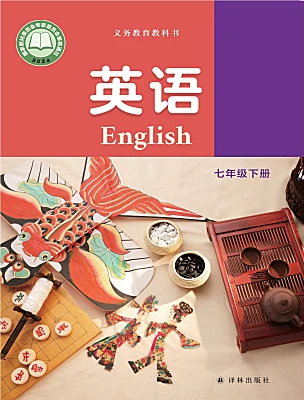
这是一份牛津译林版(2024)七年级下册(2024)Unit 7 Outdoor fun导学案及答案,共14页。
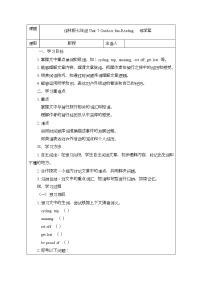
cycling /ˈsaɪklɪŋ/ n. 骑自行车运动(或活动)
“g + 动名词” 结构含义为 “去做某件事(运动 / 休闲)
考点:搭配“g cycling”;
We usually g cycling in the park n weekends.(我们周末通常去公园骑自行车。)
hrse riding n. 骑马
考点:搭配“g hrse riding”;
She tried hrse riding fr the first time during her trip t the cuntryside.(她去乡村旅行时第一次尝试骑马。)
skating /ˈskeɪtɪŋ/ n. 滑冰,溜冰
考点1:搭配“g skating”;
The children are lking frward t ging skating n the lake this winter.(孩子们期待着今年冬天去湖上滑冰。)
break /breɪk/ n. 间断,暂停;休息
考点1:搭配“have a break”“take a break” 休息一会儿
Let’s take a break after finishing this task.(完成这项任务后我们休息一下吧。)
考点2:搭配“a break in sth”表“间断、暂停”
There was a break in the rain, s we went ut fr a walk.(雨停了一会儿,所以我们出去散步了。)
balance /ˈbæləns/ n. 平衡能力;平衡
考点1:表“平衡能力”;
Yga can help imprve yur balance.(瑜伽有助于提高你的平衡能力。)
He lst his balance and fell ff the bike.(他失去了平衡,从自行车上摔了下来。)
考点2:表“平衡”,常用搭配“keep the balance f...”(保持……的平衡);
It’s imprtant t keep the balance f nature.(保持自然平衡很重要。)
might /maɪt/ mdal v. 可能
考点1:“might” 后必须跟动词原形(d);
It might rain tmrrw, s take an umbrella with yu.(明天可能会下雨,所以带上伞吧。)
考点2:用于礼貌请求,常用“might I...”;
Might I use yur phne t make a call?(我可以用一下你的手机打电话吗?)
n ne's wn 独自;独立地
考点:可替换为“by neself”;
She can finish the prject n her wn.(她可以独自完成这个项目。)
He went t the cinema n his wn because his friends were busy.(因为朋友们很忙,他独自去了电影院。)
wuld /wʊd/ mdal v. 将会,就会;愿意
考点1:表“将会、就会”,用于过去将来时或虚拟语气;
She said she wuld visit us next mnth.(她说她下个月会来看我们。)
考点2:表“愿意”,用于礼貌请求或提议;
Wuld yu like t g fr a walk with me?(你愿意和我一起去散步吗?)
experience /ɪkˈspɪəriəns/ n. (一次)经历;经验
考点1:表“(一次)经历”,为可数名词;
She had an exciting experience during her trip t Africa.(她去非洲旅行时有一次令人兴奋的经历。)
考点2:表“经验”,为不可数名词,常用搭配“have experience in sth.”;
He has rich experience in teaching English.(他有丰富的英语教学经验。)
set ff 出发
考点:搭配“set ff fr + 地点”表示“动身去某地”;
We will set ff fr the campsite early tmrrw mrning.(我们明天一早就出发去野营地。)
fllw /ˈfɒləʊ/ vt. 遵循;vt.&vi. 跟随
考点1:表“跟随”,可接人或物;
Please fllw me, and I’ll shw yu the way t the library.(请跟着我,我带你去图书馆的路。)
The little by fllwed his mther clsely in the crwd.(小男孩在人群中紧紧跟着妈妈。)
考点2:表“遵循”,常用搭配“fllw the rules/instructins”;
Everyne must fllw the schl rules.(每个人都必须遵守校规。)
detail /ˈdiːteɪl/ n. 具体情况;细节
考点:搭配“in detail”(详细地);
The teacher explained the prblem in detail s that everyne culd understand.(老师详细地解释了这个问题,以便每个人都能理解。)
Dn’t frget t tell me all the details abut yur trip.(别忘了告诉我你旅行的所有细节。)
cuntryside /ˈkʌntrisaɪd/ n. 农村,乡村
考点1:搭配“in the cuntryside”在农村;在乡村;
My grandparents live in the cuntryside.(我的祖父母住在农村。)
lst /lɒst/ adj. 迷路的;丢失的
考点:搭配“get lst”迷路;走开(口语中表 “别烦我”);
We gt lst in the frest.(我们在森林里迷路了。)2. G away and get lst!(走开,别烦我!)
be lst in sth.沉迷于 / 专注于某事;迷路于某地
1He was lst in reading and didn’t hear the drbell.(他沉迷于阅读,没听见门铃。)
The hiker was lst in the muntains.(徒步旅行者在山里迷路了。)
wrried /ˈwʌrid/ adj. 担心的,发愁的
搭配 1:be wrried abut + 人 / 事物(对某人 / 某事担心)
My parents are wrried abut my grandma’s health.(我父母担心奶奶的健康。)
搭配 2:be wrried + that 从句(担心某事会发生)“that” 可省略
She is wrried (that) she can’t finish hmewrk.(她担心完不成作业。)
cycle /ˈsaɪkl/ vi. 骑自行车
考点:不及物动词,搭配“cycle t + 地点”;
He usually cycles t schl because it’s gd fr the envirnment.(他通常骑自行车去上学,因为这对环境有益。)
We cycled alng the river fr tw hurs yesterday.(昨天我们沿着河边骑了两个小时的自行车。)
arrive /əˈraɪv/ vi. 到达
考点:搭配“arrive in + 大地点”“arrive at + 小地点”;
We will arrive in Beijing at 6 p.m. tmrrw.(我们明天下午6点到达北京。)
She arrived at the statin just in time fr the train.(她及时到达车站赶上了火车。)
find ut 查明,弄清(情况)
考点:固定短语,表“通过努力查明真相或情况”;
She called the plice t find ut mre abut the accident.(她打电话给警察,想了解更多关于事故的情况。)
enjyable /ɪnˈdʒɔɪəbl/ adj. 令人愉快的
We had an enjyable picnic by the lake last weekend.(上周末我们在湖边进行了一次令人愉快的野餐。)
The mvie we watched yesterday was very enjyable.(我们昨天看的电影非常令人愉快。)
prud /praʊd/ adj. 自豪的
搭配1:be prud f sb/sth为某人 / 某事自豪
We are prud f ur schl.(我们为学校自豪。)
搭配2:be prud that...为某事发生自豪
She is prud that her brther is a dctr.(她为哥哥是医生感到自豪。)
搭配3:be prud t d sth为能做某事自豪
She is prud t be a vlunteer.(她为成为一名志愿者感到自豪。)
hiking /ˈhaɪkɪŋ/ n. 远足,徒步旅行
考点1:指“长途徒步旅行”,常用搭配“g hiking”“;
We are ging hiking in the muntains next Saturday.(下周六我们要去山里远足。)
nn /nuːn/ n. 正午,中午
考点:搭配“at nn”在中午;
We usually have lunch at nn.(我们通常在正午吃午饭。)
later /ˈleɪtə(r)/ adv. 后来,随后
考点:配“later n”(后来);
I’ll call yu later when I finish my wrk.(我完成工作后会给你打电话。)
We met at the park in the mrning. Later n, we went t watch a mvie tgether.(我们早上在公园见了面,后来一起去看了电影。)
at first 起初
At first, I didn’t like English, but nw I’m interested in it.(起初,我不喜欢英语,但现在我对它感兴趣了。)
skate /skeɪt/ n. (旱)冰鞋;vi. 滑冰
考点1:作名词“(旱)冰鞋”,常用搭配“a pair f skates”;
He bught a new pair f skates fr his daughter.(他给他女儿买了一双新旱冰鞋。)
考点2:作动词“滑冰”,常用搭配“g skating”;
She can skate very well—she wn the schl skating cmpetitin.(她滑冰滑得很好,她赢得了学校的滑冰比赛。)
little by little 缓慢地,逐渐地
He imprved his English little by little by reading every day.(他通过每天阅读,逐渐提高了他的英语水平。)
picnic /ˈpɪknɪk/ n. 野餐
考点:“have a picnic”“g n a picnic”去野餐;
We are ging t have a picnic in the park this Sunday.(这个周日我们要去公园野餐。)
because f /bɪˈkɒz əv/ prep. 因为
考点:后接名词、代词或名词短语,不能接句子;
We culdn’t g ut because f the heavy rain.(因为大雨,我们不能出去了。)
relaxed /rɪˈlækst/ adj. 放松的,冷静的
After the exam, I felt very relaxed.(考试后,我感到非常放松。)
while /waɪl/ n. 一段时间,一会儿;cnj. 当……时候;然而
考点1:作名词,搭配“fr a while”一会儿、一段时间;
Can yu wait fr me fr a while? I need t finish this letter.(你能等我一会儿吗?我需要写完这封信。)
考点2:作连词“当……时候”,引导时间状语从句;
While I was reading, my mther came in.(当我正在读书时,妈妈进来了。)
考点3:作连词“然而”,表对比;
He likes sprts, while his brther prefers music.(他喜欢运动,而他的哥哥更喜欢音乐。)
补充:but直接转折,但是、可是(强调 “观点 / 事实与前文相反”,直接否定或补充相反信息)
He is tired, but he still wrks.(他很累,但仍在工作。)
ever /ˈevə(r)/ adv. 在任何时候;曾经
考点1:用于疑问句、否定句和条件句,表“曾经”,常与现在完成时连用;
Have yu ever been t the Great Wall?(你曾经去过长城吗?)
考点2:用于“if ever”结构,表“如果有过的话”;
He rarely ges ut, if ever.(他很少外出,就算有也极少。)
fcus /ˈfəʊkəs/ vi.&vt. 集中(注意力、精力于);聚焦(于)
考点1:搭配“fcus n sth/ding sth”(集中注意力在某事/做某事上);
We need t fcus n ur lessns in class and nt lk at ur phnes.(上课要集中注意力在功课上,不要看手机。)
When facing difficulties, we shuld fcus n finding slutins instead f cmplaining.(面对困难时,我们应该集中精力寻找解决方案,而不是抱怨。)
考点2:第三人称单数形式为“fcuses”;
She always fcuses n imprving her ral English.(她总是专注于提升英语口语。)
mind /maɪnd/ n. 头脑;思考能力;聪明人
考点1:表“头脑;思考能力”;
She has a quick mind—she can slve math prblems quickly.(她头脑灵活,能快速解数学题。)
Reading bks can enrich yur mind and braden yur hrizns.(读书能丰富你的思维,拓宽你的视野。)
考点2:表“聪明人”,搭配“a man/wman f great mind”指 “极具才智、思维敏锐的人”;
Einstein was a man f great mind wh changed the wrld with his theries.(爱因斯坦是位伟人,用他的理论改变了世界。)
rll ut 展开
考点1:表“具体物品的展开”(如毯子、睡袋等);
He rlled ut the map t shw us the rute f ur hiking trip.(他展开地图,给我们看徒步旅行的路线。)
考点2:表“抽象事物的推出”(如计划、产品等);
The schl rlled ut a new after-schl activity plan this semester.(学校这学期推出了一项新的课后活动计划。)
fall /fɔːl/ vi. 进入(某状态);落下,掉落;倒下
考点1::表“落下,掉落”,搭配“fall ff sth”①从…… 表面掉落(物理动作);②(数量、质量、水平等)下降、减少。
物理掉落:The bk fell ff the desk when I passed by.(我路过时书从桌子上掉了下来。)
数量下降:Sales f this prduct have fallen ff recently.(这款产品的销量最近下降了。)
考点2:表“进入某状态”,常用搭配“fall asleep”(入睡)、“fall ill”(生病);
After a lng day f hiking, she fell asleep as sn as she lay dwn.(徒步一天后,她一躺下就睡着了。)
考点3:表“倒下”,搭配“fall dwn”摔倒、跌倒;
The ld tree fell dwn in the strng wind last night.(昨晚那棵老树在大风中倒下了。)
asleep /əˈsliːp/ adj. 睡着
考点1:仅作表语,不能作定语(区别于“sleepy”(困倦的)),常用搭配“fall asleep”(入睡)、“be asleep”(处于睡眠状态);
Dn’t wake her up—she fell asleep just nw.(别叫醒她,她刚睡着。)
I feel sleepy after drinking the warm milk.(喝了温牛奶后我觉得困了。)
chance /tʃɑːns/ n. 机会;可能性
考点1:表“机会”,常用搭配“have a chance t d sth.”(有机会做某事)、“get a chance”(得到机会);
She has a chance t study abrad next year.(她明年有机会出国留学。)
We finally have a chance t visit the museum.(我们终于有机会参观博物馆了。)
考点2:表“可能性”,常用搭配“the chance f (ding) sth.”(做某事的可能性);
There’s little chance f raining tmrrw.(明天下雨的可能性很小。)
had better 应该,最好
考点1:had better d sth:最好……,主要用于表达“针对当前或即将发生的情况,给出建议、提醒或轻微警告”。
Yu had better g t bed early tnight—yu have an exam tmrrw.(你今晚最好早点睡,明天要考试。)
We had better take an umbrella—it lks like it’s ging t rain.(我们最好带把伞,天看起来要下雨了。)
考点2:否定形式为“had better nt + 动词原形”;
Yu had better nt play cmputer games befre finishing yur hmewrk.(你最好完成作业再玩电脑游戏。)
thirsty /ˈθɜːsti/ adj. 口渴的
考点1:表“生理上口渴”,常用搭配“be thirsty”(口渴);
After playing basketball fr an hur, I’m very thirsty—can I have a glass f water?(打了一小时篮球后,我很渴,能给我一杯水吗?)
考点2:引申义“渴望的”,搭配“be thirsty fr sth.”(渴望某物);
She is thirsty fr knwledge and reads bks every day.(她渴望知识,每天都读书。)
n prblem 没什么,不客气;没问题
— Thank yu fr helping me carry the bags!(谢谢你帮我拎包!)
— N prblem!(不客气!)
supprt /səˈpɔːt/ vt.&n. 帮助;支持;支撑
考点1:作动词“帮助;支持”,搭配“supprt sb. (in sth.)”(在某事上支持/帮助某人);
My parents always supprt me in my hbbies, like painting and music.(父母一直支持我的爱好,比如画画和音乐。)
She supprted her family by wrking tw jbs after her father passed away.(父亲去世后,她打两份工养家。)
考点2:作名词“帮助;支持”,搭配“give supprt t sb.”(给某人支持)、“get supprt frm sb.”(从某人那里得到支持);
We give supprt t the pr students by dnating bks and statinery.(我们通过捐赠书本和文具帮助贫困学生。)
He gt a lt f supprt frm his friends when he was in truble.(他遇到困难时,从朋友那里得到了很多支持。)
考点3:作动词“支撑”,表“承受重量”;
The table is supprted by fur strng legs.(这张桌子由四条结实的腿支撑着。)
这是一份牛津译林版(2024)七年级下册(2024)Unit 7 Outdoor fun导学案及答案,共14页。
这是一份初中英语牛津译林版(2024)七年级下册(2024)Unit 7 Outdoor fun优质导学案及答案,共34页。学案主要包含了用法讲解,常见搭配,知识拓展,易混辨析,用法详解,用法辨析等内容,欢迎下载使用。
这是一份初中牛津译林版(2024)Unit 7 Outdoor fun优质导学案,共3页。学案主要包含了学习目标,学习重难点,学习过程等内容,欢迎下载使用。
 新教材
新教材

注册成功
资料篮

在线客服
添加在线客服
获取1对1服务
官方微信
关注“教习网”公众号
打开微信就能找资料
赛课定制
添加在线客服
获取1对1定制服务
职称咨询
添加在线客服
获取1V1专业指导服务

免费福利


.png)