 免费领取教师福利
若您为此资料的原创作者,认为该资料内容侵犯了您的知识产权,请扫码添加我们的相关工作人员,我们尽可能的保护您的合法权益。


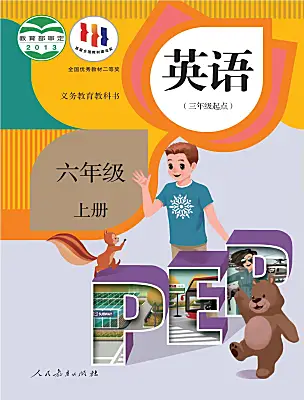
Unit 2 Ways to go to school主讲老师:小学英语人教版六年级上册第二单元01 单词词组过关02 句型过关03 语法过关04 语音过关05典型例题06 写作指导单词词组过关第一部分任务一:四会单词词组,大声读出下列词组on footby busby planeby subwayby trainSlow down and stop at a yellow light.Stop and wait at a red light.Go at a green light.Traffic rules任务一:四会单词词组,大声读出下列词组任务一:四会单词词组,大声读出下列词组公共汽车_____ 飞机_____ 出租车______ 船_____ 地铁_______ 火车_________ 慢的__________ 减少;降低__________ 停下________ 步行_______ 慢下来___________ 和……玩_____________ 和……不同________________ 和……一样____________在右边_______________ 乘公共汽车___________注意___________ 交通信号灯___________从...到...___________ 在那里___________ busplanetaxi shipsubwaytrain slowdown stopon footslow downplay withbe different from the same ason the right sideby buspay attention totraffic lightsfrom...to...over there任务一:三会单词词组,大声读出下列词组早到的.___________ 头盔.___________ 必须.___________ 戴.___________ 很多关于自行车的照片.___________ 看向右边.___________ 穿过马路.___________ 乘坐雪橇.___________ 乘坐轮渡.___________ 快速的.___________ earlyhelmetmustwearSo many pictures of bikeslook rightcross the roadby sledby ferryfast任务二:根据字母发音规律,选择画线部分发音与所给单词相同的单词。apple____________book____________snow____________ fly____________but____________foottaxihave bookstoreslowyellowlightby subwayrun 任务三:找出与所给单词同类的一项。( ) 1. plane A. crossing B. cinema C. subway( ) 2. by A. wait B. on C. stop( ) 3. bookstore A. museum B. ship C. foot( ) 4. left A. under B. right C. in ( ) 5. light A. fan B. straight C. ferryCBABB任务三:根据图片补全单词。1. Look, this is a________. It’s fast. 2. The ________ on the water is very big.3. The ________ looks like a train. It often goes under the ground. 4. The ________ is coming. We can take it to school. planeshipbussubway任务四:读一读,判断以下描述是否与图片相符,相符写Yes, 不相符写No。________1. We often go to school on foot. _______2. Let’s go to the nature park on Saturday. _______3. They go to the restaurant by taxi. _______4. They get to Shanghai from Beijing by train. NoNoYesYes任务五:火眼金睛,圈出每句画线单词中不同类的单词。1. He likes oranges and red. I like apples and yellow. 2. He drives a car and turns right at the crossing. 3. They get to the park first, and then go to the cinema together. 4. I can not play now. I must finish my homework first. 任务六:观察下面交通警察的手势,并根据其含义写出单词,补全句子。1. The light is________. Please________. green go点拨:这个手势是通行手势,所以灯应该是绿色,并给出通行信号。2. The light is________. Please________. 点拨:这个手势是禁止通行的手势,对应的信号灯应该是红色。red stop 3. The light is_______. Please ______ ______ and ______. yellow slow down stop点拨:这个手势是慢行等待的手势,对应的信号灯应该为黄色。4. You can’t go now. But you can________ ______. 点拨:这是右转手势。在很多路口,红灯时虽不能直行,但可以右转。turn right任务七:读一读,在句中圈出与所给单词同类的一项。1. early That’s good for you. 2. sometimes I usually walk to work.3. bus Do you have a car?4. get How do you go to school?5. Mrs That woman is Miss Wang.任务八:读一读,判断下列单词中画线部分的发音是(T)否(F)相同。( ) 1. A. slowB. downC. yellow( ) 2. A. redB. ferryC. sled( ) 3. A. bikeB. lightC. this( ) 4. A. comeB. mustC. cousin( ) 5. A. canB. takeC. trafficFTFTF任务九:根据图片及所给首字母,补全单词,完成句子。1. S______ and w_____ at a red light.2. Turn l____ at the bookstore.3. Many students go to school by b_____.4. Go s_______ and you can find the shop.topaiteftustraight句型过关第二部分任务一:重点句型复习。Don’t go at the red light. 红灯处不要行走。2. You must pay attention to the traffic lights. 你必须注意交通灯。3. How do you go to school? 你/你们怎么去上学?4.Usually,I come on foot. 通常我走路来。5. I often go by subway. 我经常乘地铁去。6. That’s good exercise. 那是很好的锻炼。7. How do you get to the USA from China?你怎么从中国到达美国?8. How can I get to the Fuxing Hospital? 我怎样到达福兴医院 ?9. Take the No.57 bus over there. 去那边乘坐57路公交车。10.So many pictures of bikes. 这么多自行车的照片。11.In the USA people on bikes must wear one. 在美国,骑自行车的人们必须戴一个(头盔)。12. Slow down and stop at a yellow light. 在黄灯处减速停车。13. Stop and wait at a red light. 红灯处停车等待。14. Go at a green light. 绿灯时行驶。15.You must look right before you cross the road.当你过马路时,你必须看向右边16.Don‘t touch the door. 不要触摸门。任务二:读一读,根据图片提示,补全句子。(一空一词)1. —________do you go to________?— I sometimes ________ to ________by ________.2. —________will you go to the park? —We will go________ ________. HowschoolgoschoolbikeHowby bus3. —Do you usually ________ to school ______ foot? —Yes, I usually________.4. —________you usually come ________ bus?—Yes. ____________ I come ________ car.goonwalkDo by Sometimes by任务三:选词填空,完成短文。1. We need to put ________________at this crossing. That’s good for the cars, bikes and people. 2. Look at the__________. I think you need it when you ride a bike on the way. 3. __________please! The bus is coming!traffic lightsmust helmet traffic lights attention wearhelmetAttentionmust helmet traffic lights attention wear4. We have no time. We __________ finish the work today. 5. You can’t __________ a hat here. mustwear There are some different ways to go to school. In Jiangxi,China, some childrengo to school 1.________ every day. They must wear a 2.________. In MunichGermany ,some children go to school 3.________.It's good exercise. However,they must 4.________ the traffic light. When it's red,they must stop and5.________. EBADC任务四:读一读,圈出更加符合语境的一项。1. You can(take by)the No. 30 bus at this bus stop. 2. The light is(red green). Let's go. 3. You(must don’t need to)wear a helmet in China. 4. Look at these people(by on)bikes. They look very happy. 5. Can I(get get to)there on time?任务五:读一读,为下列标识选择正确的描述。( ) 1. A. Don’t stop here. B. Stop, please. A( ) 2. A. Don’t touch the door. B. Open the door with your hand. ( ) 3. A. Please run and play here. B. Pay attention to the children. AB任务五:读一读,为下列标识选择正确的描述。( )4. A. The traffic lights are red. B. Pay attention to the traffic lights. B任务六:按要求完成下列各题。1. Go at a red light. (改为否定句)________________________________________________. 2.He often gets there by subway. (对画线部分提问)____________________________________________________Don’t go at a red light.How does he often get there?点拨:祈使句变否定句,要在句首加Don’t点拨:1.确定疑问词:划线部分是方式,所以用how来提问 2.借助助动词:he是三单形式,需要借助does 3.助动一出现,动词变原形,gets要变为get任务六:按要求完成下列各题。3. He usually walks to the nature park. (写出同义句)__________________________4. Amy comes to school by bus. (改为一般疑问句)____________________________________________________He usually goes to the nature park on foot.Does Amy come to school by bus?点拨:walk的同义词是on foot,但on foot 要放在句尾。点拨:1.含有实义动词的陈述句变一般疑问句要借助助动词do/does 2.Amy 是第三人称单数,要借助does 3.助动一出现,动词变原形,comes要变为come任务六:按要求完成下列各题。5. There are three traffic lights in every country. (对画线部分提问)_______________________________________________How many traffic lights are there in every country?点拨:1.确定疑问词:划线部分是数字,用How many 提问 2.将句中be词提前,are提前 3.其他照抄,句尾加?任务七:补全对话。Amy: Hello, Tom !Tom: Hi, Amy ! 1.____________Amy: OK. 2.____________Tom: Yes, I do. Stop and wait at a red light. Slow down and stop at a yellow light. And…Amy: 3.____________Tom: You are right. Look ! 4.____________ Let's cross the road !Amy: OK. 5.____________Tom: Usually I go to school on foot. Sometimes I go to school by subway.Amy: Look ! The bus is coming. Bye.Tom: Bye.BDECA任务八:连词成句。1. how, to, you, come, do, school (?) _________________________________________2. sometimes, come, by, I, bike (.)_________________________________________3.we, slow, stop, at, down, and, a, yellow, must, light(.)_________________________________________4. you, can, bus, over, take, the, No.21, there (.)________________________________________How do you come to school ?Sometimes I / I sometimes come by bike.We must slow down and stop at a yellow light.You can take the No.21 bus over there.任务九:读一读,为问句选答语。( ) 1. Where is the bus stop? ( ) 2. Is there a pet hospital here? ( ) 3. How can I get to the cinema? ( ) 4. Can I take a bus? ( ) 5. How do you go to Beijing? By train. B. Yes, you can. C. Yes, there is. D. You can walk there. E. It’s next to the bank.ECDBA语法过关第三部分come/go后面接的是地点名词时,需用“to+地点名词”;后面接副词home, here, there等时,要省略掉介词to,表示“来/去……”。例句:How do we go home? 我们怎样回家? How does he go there? 他怎样到那里? How does Amy come here? Amy怎样来这里?语法点一:地点副词前不加介词to1.Can you come ________ by bike?A. here B. to here C. school2.How can we________?A. get to thereB. get thereC. get the hospital典型例题:AB语法点二:频度副词频度副词:表示事物发生频率的词。例句:I often do my homework in the evening. 我经常晚上做作业。Peter is never late for school.彼得上学从不迟到。Sometimes, we go to the bookstore on foot.有时,我们步行去书店。易错点提示频度副词在句子中一般位于实义动词之前,be动词、助动词或情态动词之后。但有时候也放在句首用来强调频率。根据发生的频率为下列单词点亮星星,最多的5颗,最少的1颗。neveralwaysoftensometimesusually1.My home is near my school. So I ________ go to school on foot. A.usually B.sometimes C.never2.We always stay at home.(改为否定句)We ________ stay at home.典型例题:Anever点拨:always表示“总是”,反义词应该是“从来不”。3.We ________ go to school by bike. __________ we walk.A. always; OftenB. usually; Sometimes C. usually; Often 4.I often come to school by bike. ________I come________foot. A. Usually; onB. Sometimes; onC. Often; by典型例题:BB语法点三:on foot 与walk交通方式一般用介词by+交通工具。但on foot这一词组中,介词必须用on。同义转换:go to+地点+on foot=walk to+地点例句:I go to the park on foot.=I walk to the park. 我步行去公园。语法点四:take的用法考点1:take是动词,可以表示“乘坐”,通常用“take a/the+交通工具”来表达交通方式。考点2:by是介词,通常用“by+交通工具”来表达,交通工具前不加任何冠词。考点3:take a bus to+某地=go to+某地+by bus例句:I take a bus to school.=I go to school by bus.1.Do you often ________ bus to work?A. by B. take C. take a2.Let's ________a bus________. A. take; homeB. by; homeC. take; to home典型例题:CA语法点五:祈使句定义:表示命令,请求,要求,警告的句子叫做祈使句。类型:V型,L型, D型,B型,N型1.V型:动词原形+其他. Open the door. 打开门。2.L型:Let+人+动词原形+其他.Let Tom go home now. 让Tom现在回家。语法点五:祈使句3.B型:Be 动词+其他 Be quite! 安静4.D型:“Don’t +动词原形+...” 祈使句的否定形式 Don’t open the door, please. 请不要打开门。5.N型:No+名词或动词的-ing 形式! No swimming!禁止游泳!1.Don't ________ your child run on the bus. A. lettingB. let C. lets2.Don't ______ the road at the red light. A. cross B. crossing C. across3.Take the No.56 bus over there.(变为否定句) _____________________________________典型例题:BADon't take the No.56 bus over there.语法点六:情态动词情态动词(Modal verbs)的含义:情态动词是一种表示语气的单词,用来丰富说话人对这一动作或状态的看法和情感。不能单独做谓语,总是用在动词原形之前。情态动词有can (could), may (might), must, have to, shall (should), will (would), need (needed),等语法点六:情态动词情态动词的主要形式:can 1.表示能力:Can you play football? We can’t go to the zoo today. 2.表示允许:Can I go outside now?may 表示允许:May I see it? 语法点六:情态动词must 1.表必须:We must cross the road. 2.表示猜测:He must be tall and strong. should 表示应该:We should always remember: “Learning by doing.” He should see a doctor. 语法点六:情态动词句型转换1. I can speak English.变为一般疑问句:__________________________变为否定句:__________________________对划线处提问:__________________________Can you speak English? I can't speak English.What can you do?语法点六:情态动词2. He will go to the USA next year.变为一般疑问句:__________________________变为否定句:______________________________对划线处提问:__________________________ Will he go to the USA next year?He will not go to the USA next year. When will he go to the USA ?语法点六:情态动词3. We will have an English party this Sunday.变为否定句:_______________________________________对划线处提问:_______________________________________We will not have an English party this Sunday.What will you do this Sunday?语法点六:情态动词4. My friend can jump high.变为否定句:_______________________________________对划线处提问:_______________________________________My friend can not jump high.Whose friend can jump high?语法点六:情态动词总结:情态动词要记牢,动词原型来跟梢,不分人称和数量, 不同情感要看好。 Can表能力和许可,也许、可能may来, 表一定必须must,should应该来报道。否定变化也不难,情态后把not添。疑问变化往前跑,Must回答要记好。语法点七:陈述句变一般疑问句的方法步骤1.有情用情,有be用be,一提二改三问号一提:句中含有be 动词或情态动词,将be 动词或情态动词提前二改:I,we变为you my,our 变为your,am变为are,some 变any and 变 or三问号:句尾加?语法点七:陈述句变一般疑问句的方法例题:1.I am a teacher.(变为一般疑问句)________ ________ a teacher?肯定回答:____________________否定回答:____________________AreyouYes,I am.No,I am not.语法点七:陈述句变一般疑问句的方法例题:2.He can swim.(变为一般疑问句并做肯定与否定回答)________ ________ swim?肯定回答:____________________否定回答:____________________CanheYes,he can.No,he can’t.语法点七:陈述句变一般疑问句的方法2.无情无be找求助,助动一出现,动词变原形找求助:当句子中没有be动词也没有情态动词时,要借助助动词do/does/did (过去式)主语是第一人称或复数:借助do,主语是第三人称单数:借助does助动一出现,动词变原形:原句中的动词恢复原形语法点七:陈述句变一般疑问句的方法例题:1.I usually go to school by bike. (变为一般疑问句,并做肯定和否定回答)________ ________ ________ go to school by bike?肯定回答:____________________否定回答:____________________DoyouYes,I do.No,I don’t.usually语法点七:陈述句变一般疑问句的方法例题:1.He usually goes to school by bike. (变为一般疑问句,并做肯定和否定回答)________ ________ ________ ________ to school by bike?肯定回答:____________________否定回答:____________________DoesheYes,he does.No,he doesn’t.usuallygo语法点七:陈述句变一般疑问句的方法练习:将下列句子变为一般疑问句并做肯定否定回答1.She goes to hospital by car. ______________________________________________________________________________Does she go to hospital by car ? Yes, she does.\ No, she doesn’t. 点拨:看句中没有be动词或情态动词,决定句前加Do或Does,再看主语是she,所以句前加Does, 动词goes还原为go。语法点七:陈述句变一般疑问句的方法练习:将下列句子变为一般疑问句并做肯定否定回答2.He is playing a game.______________________________________________________________________________点拨:句中有be动词,直接提前Is he playing a game?Yes, he is.\ No, he isn’t. 语法点七:陈述句变一般疑问句的方法练习:将下列句子变为一般疑问句并做肯定否定回答3. I can fly kites.______________________________________________________________________________点拨:句中有情态动词,直接提前,I 变为youCan you fly kites?Yes, I can.\ No, I can’t. 语音过关第四部分英语句子中连读的运用在同一个意群(意思密切相关的一组词)中,如果前一个词的读音以辅音结尾,后一个词的读音以元音开头,前边的辅音和后边的元音可以连起来读,这种现象叫连读。用符号“ ︶ ”表示。连读所构成的音节一般不重读。英语句子中连读的运用如果句中的短语之间或句子之间有停顿,则其相邻的音不连读。例句:Put it on. 穿上它。 I want a cup of tea. 我想要一杯茶。 This is a coat. 这是一件外套。︶︶︶︶︶︶英语句子中连读的运用争做“朗读小明星”:读一读,标出正确的连读。 (1) Look at it. (2) Not at all. (3) It isn't a pen. ︶︶︶︶︶︶典型例题第五部分( )1.You can cross the road ________ a green light. A. at B. on C. of( )2. The subway is very ________, but the bike is very slow. A. good B. fast C. slow( )3. Don't ________ your child run on the bus. A. letting B. let C. lets( )4.We ________ go to school by bike. __________ we walk.A. always; OftenB. usually; Sometimes C. usually; Often一.单项选择ABBB( )5. In Alaska, USA, it snows a lot. Some kids go to school________. A. by ferryB. by sled C. by ship( ) 6. He must ________attention ________the traffic lights. A. pays; with B. pay; to C. paying; to( ) 7. In Hong Kong, people drive ________the ________side. A. on; left B. on; right C. at; left( ) 8. Let's ________a bus________. A. take; home B. by; homeC. take; to homeBBAA( ) 9. Munich is a city in________. A. AlaskaB. the UKC. Germany( ) 10. I often come to school by bike. ________I come________foot. A. Usually; onB. Sometimes; onC. Often; by( ) 11. ________the USA people ________bikes must wear a helmet. A. In; onB. On; inC. In; by( ) 12. I usually________. That's good exercise. A. walk to schoolB. come to school by carC. come to school with my mumCBAA( ) 13. You must________ at a ________light. A. go; yellowB. go slowly; redC. stop; red( ) 14. Look, it means________. A. you can go straight and turn left hereB. you can go straight and turn right hereC. you can't go straight or turn right here( ) 15. How can we________?A. get to thereB. get thereC. get the hospitalCBB( ) 16. —______ do you go to school? — I go to school ______ bike. A. How ; by B. What ; by C. How ,on( ) 17. My uncle goes to Australia ______. He flies there. A. by bus B. by train C.by plane( ) 18. Don’t _______at the red light. A. wait B. go C. going( ) 19. In England, drivers drive on the ______. A. both sides B. left side C. right sideACBB二.判断对错FTTFTF写作指导第五部分四步法写交通方式题目:以“How do I go to school?”为题,写一写自己去学校的交通方式。四步法用于介绍自己去学校的交通方式第一步: 审题、抓取关键词:去学校;交通方式第二步: 罗列重要信息:介绍自己家离学校的远近、去学校的一些交通方式以及频度副词的运用第三步: 知识储备:1.常用的频度副词:usually 通常, often 经常, sometimes 有时 2.常见的交通方式:on foot 步行, by bike 骑自行车,by bus 乘公共车,by train 乘火车,by subway 乘地铁, by ship 坐船3.常用的句型: My home is ... the school. 我的家……学校。Usually/Sometimes I go to school... 通常/有时我……去学校。I often go to school... 我经常……去学校。第四步:连词成句,连句成篇。How do I go to school①?Hi, everyone. My home is near my school. So I usually go to school on foot . Sometimes I go to school by bike. But I never take the train or subway③ to school. I will take my father’s car to school when it rains. What about you? Please tell me.范文:小练笔:写一写你和家人是怎样去上学或上班的。要求:1. 语句通顺,书写工整。2. 不少于50个单词。Hi, I’m Tina. There are three people in my family. I’m a student in No.1 School. My home is near my school. So I go to school by bike every day. My father teaches English in my school. He goes to school on foot. He thinks walking is a good way to exercise. 参考例文: My mother is a doctor. Her hospital is far from our home. She usually goes to work by bus. We all pay attention to the traffic lights. Slow down and stop at a yellow light. Stop and wait at a red light. Go at a green light.Thank you!
注册成功
资料篮

在线客服
添加在线客服
获取1对1服务
官方微信
关注“教习网”公众号
打开微信就能找资料
赛课定制
添加在线客服
获取1对1定制服务
职称咨询
添加在线客服
获取1V1专业指导服务

免费福利


.png)
.png)
(1)(1).png)
