 免费领取教师福利
若您为此资料的原创作者,认为该资料内容侵犯了您的知识产权,请扫码添加我们的相关工作人员,我们尽可能的保护您的合法权益。


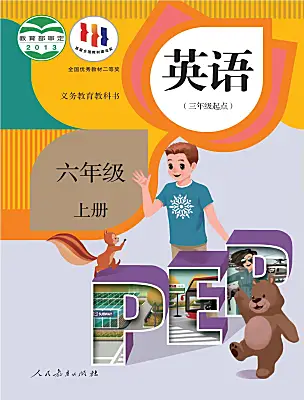
Unit 4 I have a pen pal 小学英语人教版六年级上册复习课件主讲教师:语音过关写作指导典型例题语法过关单词词组过关句型过关复习内容Part 1 单词词组过关任务一:三会单词词组What are your hobbies?/What do you like? dancingsingingreading storiesdoing kung fuplaying football任务一:三会单词词组John lives in Australia, but he studies Chinese.cooks Chinese foodstudies Chinesedoes word puzzlesgoes hiking任务一:三会单词词组学习(study的三单式)_______ 谜______远足_______ 笔友_______ 读故事_____________踢足球_______________ 练功夫______________成为朋友________________ 业余爱好_______________ 对……感兴趣______________与……聊天_________与某人交谈____________ 做运动______________看电视______________ 弹琵琶__________________听音乐_________________爬山_________________studiespuzzlehikingpen palreading stories playing football doing kung fube friends be interested inchat with talk withplaying sports watching TVplay the pipalistening to musicclimbing mountainshobby任务二:四会单词词组茉莉_______ 主意______堪培拉_______ 令人惊奇的_______ 表示征求意见(情态动词)_____________ 不同的______________射门_______________ 加入______________俱乐部________________分享______________读故事_________在一个农场上____________ 最好的朋友______________采访______________ 同班同学__________________信息____________科目___________居住在__________给...写一封电子邮件__________________对...感兴趣__________________ 为什么不呢__________________jasmineideaCanberraamazingshalldifferentgoaljoinclubsharereading storieson a farmbest friendon a farmclassmatemessagesubjectlive in/atwrite an email to...be interested inWhy not?任务二:四会单词词组足球俱乐部 __________________ 科学俱乐部__________________ 科学室 _______________ 制造机器人 __________________ 松鼠 ________ 国王________ 呼喊________________ 扔 ________ 得到________ 浓密的________ 真实的________在森林里________________ 每天 ________________ 不得不________________ 从...得到________________ 在...前面 ________________ 读书 ________________ 为...唱歌________________把...从...扔出去 ________________ 从那天起________________ 走开 ________________football clubscience clubscience roommake robotssquirrelkingshout(shouted)throw(threw)squirrelbushytruein a forestevery dayhave toget fromin front ofread bookssing forthrow...out offrom that day on go away任务三:根据图片写出单词或短语,补全句子。1. Lily likes________. 2. My grandmother likes________. 3. Dongdong and his friends like______________. 4. Tom likes_________________. 5. Her little sister likes_______________. playing footballdancingsingingdoing kung fureading stories任务三:根据图片写出单词或短语,补全句子。1. He s hard at school and at home . He is a good boy. 2. My mother c for us in the kitchen. 3. Peter g h with his friends on Sundays. 4. Do you know the answer to the word p ?tudiesooks uzzleoes iking1. Yangyang likes ______________ ______________. 2. —Do you like doing______________ ______________? —Yes, I do. 3. Lingling______________ ______________every day.4. Tim likes ______________ ______________with his friends on the weekend. 5. He likes______________ ______________ ______________. 任务三:根据图片写出单词或短语,补全句子。playing footballword puzzlesreads booksgoing hikingdoing kung fu1. Peter________Chinese in Guangzhou. 2. My brother________word________every day. 3. My family________ ________every weekend. 4. ________(Canberra Ottawa)is the capital city of Australia. 5. After school, students will go to different________(bookshops clubs). 任务三:根据图片写出单词或短语,补全句子。teachesdoes puzzlesgoes hikingCanberraclubsPart 2 句型过关任务一:重点句型复习1.问他/她的爱好,用句型:What are his /her hobbies?或者:What does he/she like? 回答:He/She likes singing.2.Tea is ready!茶准备好啦!3. You like tea a lot! 你很喜欢茶!4. Does he live on the South Island? 他住在南岛吗?5. He lives on a farm. 他住在一个农场里。任务一:重点句型复习6. What are Peter’s hobbies? 彼得的爱好是什么?7. He likes reading stories. 他喜欢读故事。8. Sometimes he reads to the cows.有时候他读给奶牛听。9. He also likes singing. 他也喜欢唱歌。10. You like singing, too.你也喜欢唱歌。11. I’m going to teach him the Chinese song “Jasmine Flower”!我将教给他中国的歌曲“茉莉花”。12. I’m writing an email to my new pen pal in Australia. 我正在给澳大利亚的新笔友写电子邮件。任务一:重点句型复习15.Why not? 为什么不可以呢?16. Come and see my new pen pal. 来见见我的新笔友。17. Shall we dance?我们将要跳舞吗?18. There is a dance class on Sunday at 1 p.m. 在周日的下午一点有舞蹈课。19. I need a partner. 我需要一个舞伴。20. Do you want to learn about robots? 你想了解机器人吗?21. He teaches students to make robots.他教给学生制作机器人。任务二:读一读圈出与所给句子内容相符的图片。1. Look, he is reading to the cow. 2. They like climbing mountains. 任务二:读一读圈出与所给句子内容相符的图片。3. Linda and her friends like playing the pipa . 4. The boys like playing sports after school. 任务二:读一读选出与所给句子内容相符的图片。( )1. He is writing emails on his computer. He is very busy.( )2. They are playing word puzzles. They like that very much.( )3. We often go hiking in our holiday. We think that is fun. ( )4. It lives in China. It is very cute. DABC1. He________(live)in a small city. 2. Danny likes___________(swim). 3. Let's read______________(story).4. Can you teach________(he) that song?5. What are your________(hobby)? 任务三:读一读,用所给词的正确形式填空。点拨:he为第三人称单数形式,动词应加s。livesswimminga story/stories点拨:teach为动词,其后出现的人称代词为宾格形式。himhobbies1. What are Amy's hobbies?____________________________________________________2. What do you like?____________________________________________________ 3. What does he usually do on Sundays?____________________________________________________ 任务四:根据图片提示回答问题。She likes dancingI like swimming.He usually cooks Chinese food.任务五:读一读,选一选。( )1. What________you doing?A. do B. does C. are点拨: you后出现的是doing,为动词的现在分词形式,与be动词构成现在进行时态,此题应选are。C( )2. Here is________email for you. A. an B. a C. two点拨: email为以元音音素开始的单词,不定冠词应用an。A任务五:读一读,选一选。( )3. ________Danny live in China now?A. Is B. Do C. Does( )4. My brother________hiking. A. like going B. likes going C. likes go( )5. I want to write a letter________my new pen pal. A. of B. to C. onCB点拨: write. . . to. . . 表示“给……写……”,为固定搭配。B任务五:读一读,选一选。( )1. We like________kung fu. A. play B. doing C. do( )2. “ Jasmine Flower”is a(n)________. A. Chinese song B. English song C. grass( )3. I want to________music. A. listen B. listen to C. listening to( )4. You like Chinese. I like Chinese, ______. A. too B. also C. toBABAPart 3 语法过关 概念:一般现在时用来表示人或物经常性或习惯性的动作或状态,也可以用来表示人或物现在的状态或者用来表示主语现在具有的性格或能力等。语法点1:一般现在时一般现在时的概念1.表示经常的或习惯性的动作,常与表示频度的时间状语连用。频度副词:always, usually, often, sometimes,never…时间状语:every morning, every day, every Sunday, every week, every year,twice a week ,once a month…Tom is always late for school.What time do you usually get up every day? 2.表示主语具备的性格、能力和特征。eg. Nancy is very tall. Wang Bing plays table tennis very well. 3.表示客观的状态或事实:eg.The earth moves around the sun. Shanghai is in the east of China.一般现在时的概念判断下列句子是否属于一般现在时1.含be动词或情态动词的一般现在时I am a student.Mike is a new student. They are in the forest. My father can swim. I must go home now. I would like some cakes. 一般现在时的结构2.含实义动词的一般现在时(主语是三单时,实义动词要变三单形式)eg. I go to school by bus.My father likes fishing.第三人称单数:1.第三人称:he, she, it2.单个的人名,地名,国家名3.可数名词单数4.单个不可数名词(两个不可数名词构成一个整体事物:如:黄油面包the bread and butter)一般现在时的结构判断下列句子是否属于第三人称单数形式实义动词变三单形式的变化规则:1. 通常加s:like-likes cook-cooks play-plays2. 以s,x,ch,sh结尾的动词,加es: watch-watches wash-washes 3. 以辅音字母加y结尾的动词,去y加ies如:study-studies try-tries carry-carries4. 特殊情况:have-has go-goes do-does含实义动词的一般现在时1. We often ______(play) on the playground at weekends. 2. He _________( get) up at six every day. 3. My father_________ (brush) teeth twice a day.4. The bread ______(look) nice.5.Danny __________(study) English, Chinese, math and art at school.6.Mike sometimes ______(go) to the park with his sister.用所给动词的适当形式填空playgetsbrusheslooksstudiesgoes1.当句中含be动词或情态动词时一提:将be动词或情态动词提前二改:am→are I we→you my our→your some→any三问号:句尾加? I am a girl. Are you a girl? My father can swim. Can your father swim?一般现在时的句型转换--陈述句改一般疑问句:1.My mother is a doctor, too.Is your mother a doctor, too?2.Mike can play football and basketball well.Can Mike play football and basketball well?典型例题3.There are some apples and pears.Are there any apples and pears?4.I must go to school at seven.Must you go to school at seven?典型例题2.当句中没有be动词和情态动词时,借助助动词do/does,动词变原形。一借:借助助动词do/does(主语为三单,借助does)二还原:动词变原形 三改:am→are I we→you my our→your some→any Mike likes dogs. Does Mike like dogs?特殊情况:I'd like some apples. Would you like some apples?一般现在时的句型转换--陈述句改一般疑问句:1.He likes flying kites and singing English songs.Does he like flying kites and singing English songs2.He likes reading stories.Does he like reading stories?3.We have some dogs. Do you have any dogs?典型例题典型例题:改为一般疑问句4. Peter does word puzzles every day. (改为一般疑问句)____________________________________________5. He likes playing football.(改为一般疑问句)____________________________________________Does Peter do word puzzles every day?Does he like playing football?典型例题:改为一般疑问句,并做肯定和否定回答1. He likes playing football. __________________________ __________________________2. She goes to school by bus. __________________________ __________________________Does he like playing football?Yes, he does. / No, he doesn't.Does she go to school by bus? Yes, she does. / No, she doesn't.3. I can cook meals. __________________________ __________________________4. He is a teacher. __________________________ __________________________Can you cook meals? Yes, I can. / No, I can't. Is he a teacher?Yes, he is. / No, he isn't. 1.当句中含be动词或情态动词时,在它们后面加not。I am a student,too. I am not a student, either.My father can swim.My father can not swim. 陈述句改否定句:(some变any,and变or,too变either)1.My mother is a doctor, too.My mother is not a doctor, either.2.Mike can play football and basketball well.Mike can not play football and basketball well.典型例题2.当句中没有be动词和情态动词时,找到动词,在动词前面加don't,动词是三单形式时加doesn't,动词变原形。We have some dogs.We don't have any dogs.Mike likes dogs.Mike doesn't like dogs.陈述句改否定句:(some变any,and变or,too变either)1.He likes flying kites and singing English songs.He doesn’t like flying kites and singing English songs.2.He likes reading stories.He doesn’t like reading stories.3.We have some dogs. We don’t have any dogs. 典型例题特殊疑问句(对划线部分进行提问)事情:What时间:When人物:Who地点:Where原因:Why方式:how1. I like playing pingpong and running. (对画线部分提问)__________________________________________典型例题What are your hobbies?What+be动词+...’s hobby/hobbies?be动词根据句中hobby的单复数形式来确定。句型中的...’s指的是名词所有格,也可以是形容词性物主代词,如:Tom’s, your, his, her, their, its等。其答语为:主语+like/likes+名词/动词ing形式。What is your hobby?What are your hobbies?语法点2:询问某人爱好的句型询问爱好的句型还可以用:What do/does+某人+like? 某人喜欢什么?例句:What do you like? 你喜欢什么? What does Mary like? 玛丽喜欢什么?语法点2:询问某人爱好的句型典型例题:单项选择。1. What are Amy’s ________? A. hobbies B. hobby C. hobbysA点拨:句中be动词用的是are,故hobby要用复数形式,hobby的复数形式是hobbies。考点1:like+名词 意为“喜欢某物” 例句:I like storybooks. 我喜欢故事书。考点2:like+动词ing形式 意为“喜欢做某事”,表示经常性或习惯性的爱好。例句:I like singing. 我喜欢唱歌。考点3:like +to+动词原形 意为“喜欢做某事”,侧重于一次性的行为或动作。例句:I like to visit the Great Wall.我喜欢参观长城。语法点3:like 的用法1. 一般在动词后面加-ing,如go—going2. 以不发音字母e结尾的去e加-ing,如take— taking3. 以重读闭音节结尾的词,末尾只有一个辅音字母,双写末尾辅音字母,再加-ing,如put—putting语法点4:动词ing形式的构成方式动词ing很好记,一般情况直接加。哑e结尾去掉e,然后再加ing。结尾重读闭音节,双写再加ing。记忆口诀语法点4:动词ing形式的构成方式ask— do — swim — have — write — sing — draw — fly — listen — climb — shop — plan — dance — hike —askingdoingswimminghaving writingsingingdrawing flying listening climbingshopping planning dancing hiking典型例题: ( )1. We like________kung fu. A. play B. doing C. do( ) 1. I like________. A. playing the footballB. play footballC. playing football( ) 2. My brother________piano. A. likes playing theB. like playing theC. likes playingBCA典型例题:看图完成句子。1. --What’s your hobby? --I like___________.2. --What is your mother’s hobby?--She likes_________________.3. --What is your brother’s hobby?--He likes__________________.playing footballdancingplaying the pipa典型例题:用所给单词的适当形式填空。1. Does Tom like________(do) kung fu?doing点拨:like+动词ing形式, 喜欢做某事,表示经常性或习惯性的动作。2. I like___________(read) funny stories.reading点拨:句意为“我喜欢读有趣的事。”like 后加动词ing形式。also 也,用于肯定句,在句中的位置常放在实义动词前面。 I also like playing the piano. 我也喜欢弹钢琴。too 也, 用于肯定句,多置于句末,前面常用逗号隔开。 I have a ruler, too. 我也有一把尺子。as well 也,用于肯定句,句末 。I have a ruler as well.either 也,用于否定句,句末。I don’t have a ruler either.总结:also,too,as well都用于肯定句,区别为在句中的位置不同,either用于否定句句末。语法点5:英语中的“也”also,too,as well,either,典型例题:( )1.You like Chinese. I like Chinese, ______. A. too B. also C. to( )2.You don’t like Chinese. I don’t like Chinese, ______. A. too B. also C. either( )3.You like Chinese. I ______ like Chinese. A. too B. also C. eitherACB考点1:teach+sb.(宾格)+sth.意为“教某人某事”。 Mike is going to teach me English this evening. 今天晚上迈克打算教我英语。考点2:teach sb. to do sth.意为“教某人做某事”。My father teaches me to make kites. 我爸爸教我制作风筝。语法点6:teach 的用法典型例题: 1.I’m going to teach ________Chinese.A. he B. his C. him2.Can you teach________(he) that song?C点拨:“teach+sb.(宾格)+sth.”意为“教某人某事”,其中sb.用宾格,故选C。him(1) play+球类/棋类 如:play basketball/football/volleyball(2) play+the+乐器 如:play the piano/pipa/erhu/violin(3) play with+其他 如:play with snow玩雪语法点7:play 的用法典型例题:I like playing ________ football. A. a B. the C. /点拨:由于横线后面的单词是football(足球),“play+球类/棋类”,中间不能用冠词。Cshall :表示征求意见,用于第一人称,意为“……好吗?”例句:Shall I open the window? 我打开窗 子,好吗? Shall we dance? 我们去跳舞,好吗?语法点8:情态动词shall的用法典型例题:1.李磊想知道能不能打开窗户,他应该怎么说? —_________ A. Please open the window.B. Shall I open the window?B典型例题:2.老师和同学们决定去动物园,去那儿做什么呢?下是同学们的建议。请在与情景相符的句子前面“ ”。 ( ) A. Shall I take pictures?( ) B. Shall we play football?( ) C. Shall we go hiking?( ) D. Shall we see the animals?1. What+a\an+形容词+可数名词单数+主语+谓语! eg: What a clever boy he is!2. What+形容词+可数名词复数+主语+谓语! eg: What good children they are!3. What+形容词+不可数名词+主语+谓语! eg: What fine weather it is today!语法点9:感叹句6种4. How+形容词\副词+主语+谓语! eg: How kind she is!5. How+形容词+a\an+可数名词单数+主语+谓语! eg: How kind a girl she is!6. How+主语+谓语! eg: How time flies!语法点9:感叹句6种典型例题:1. _____a great story! A. What B. How 2. _____ fast she runs! A. What B. How 3. _____an important meeting it is! A. What B. How ABA典型例题:4. ______ a quiet woman she is! A. What B. How 5. ______ big the apple is! A. What B. How ABPart 4 语音过关句子重音是指对句中的某个或某些词加以强调。重音的特点是:发音用力较多,音量较大,时间较长。在英语中,名词、动词、形容词、副词、感叹词、数词等一般都要重读,而代词、介词、冠词和连词一般不重读。句子重音句子重音例句:Do you want to learn about robots? 你想学习关于机器人的知识吗?See you on the playground. 在操场上见你。Part 5 典型例题典型例题--单项选择( )1.My grandfather ________ in Beijing. A. live B. livesC. living( )2.I often ________ my homework in the evening, but my sister often ________ to music. A. do; listenB. do; listensC. does; listens( )3.Sorry, I don't have ________ water. A. someB. a C. any( )4.Do you want to learn ________ music?A. ofB. aboutC. for( )5.It's ________ that you like climbing mountains too. A. bad B. amazing C. excitedBBCBB典型例题( ) 6. My grandfather________in Beijing. A. don't livesB. doesn't livesC. doesn't live( ) 7. Mrs. Green________English. A. teach usB. teaches usC. teaches we( ) 8. Linda________long hair. A. doesB. haveC. has( ) 9. I like apples. I________like oranges. A. tooB. alsoC. and( ) 10. I like tea________. A. lots ofB. a lot ofC. a lotCBCBC典型例题( ) 11. I like________. A. playing the footballB. play footballC. playing football( )12. My brother________piano. A. likes playing theB. like playing theC. likes playing( ) 13. What________his hobby?A. areB. isC. am( )14. It's a kind of flower. It's white and small. It smells great. It's a________. A. leaf B. jasmineC. root( ) 15. __________! Let's try it!A. Good ideaB. Good thinkC. Good listeningCABBA典型例题16. What should I do? Do you have an ________?A.idea B.ideas C.planA典型例题--按要求完成句子1. Every afternoon I study Chinese and do my homework. (用she替换I改写句子)_________________________________________________________________2. Lucy loves to play with her cat. (改为一般疑问句)_________________________________________________________________3. My grandma has some nice cake. (改为否定句)_________________________________________________________________4. I like playing pingpong and running. (对画线部分提问)_________________________________________________________________5. Does your pen pal live in Shanghai?(给出否定回答)_________________________________________________________________Every afternoon she studies Chinese and does her homework. Does Lucy love to play with her cat?My grandma doesn't have any nice cake. What are your hobbies?No, he doesn't. 典型例题--按要求完成句子6. I like running and swimming.(就划线部分提问) ______ _______ your ________?7. collecting, too ,he, likes, stamps (.)(连词成句) ___________________________________8. He lives in China.( 变一般疑问句) ____________________________________ 9. also he reads cows to the (连词成句) _______________________________________ 10. Does he like doing words puzzles?(做否定回答) _______________________________________WhatarehobbiesHe likes collecting stamps, too.Does he live in China?He also reads to the cows.No, he doesn’t.典型例题--按要求完成句子11. I also like singing Chinese songs.( 改为同义句) _______________________________________12. teaches to robot he make students (连词成句) _______________________________________I like singing Chinese songs , too.He teaches students to make robots.Part 6 写作指导三要素法写征笔友信写作指导题目:你想结交笔友吗?你会写电子邮件吗?请写一封电子邮件介绍一下自己的兴趣爱好及对笔友的要求。三要素法用于写征笔友信要素一: 称呼。①要素二: 正文。此封书信的主要内容是围绕着征集笔友来展开,所以在内容上,应该包括以下方面: 首先,简要说明你写信的目的。② 其次,介绍自己的个人信息。③ 最后,提出你对笔友的要求。④要素三: 落款。⑤范文Dear friends, ① I am Cao Jia. I am looking for a pen pal. ② I have many hobbies.③ I like singing, dancing and making friends. I often go hiking on the weekend. I can cook Chinese food. Do you like Chinese food? I want to study English. Can you help me?④ Write to me soon.Yours,Cao Jia⑤小练笔以“My pen pal”为题,介绍你的笔友的爱好,不少于50个单词。范文 My pen palI have a pen pal. His name is Tom. He likes English very much. He reads English every day. He likes speaking English. Sometimes he teaches me to learn English. He likes playing football. He often plays football after school. His teachers and friends love him very much. He loves them, too.

注册成功
资料篮

在线客服
添加在线客服
获取1对1服务
官方微信
关注“教习网”公众号
打开微信就能找资料
赛课定制
添加在线客服
获取1对1定制服务
职称咨询
添加在线客服
获取1V1专业指导服务

免费福利

.png)
.png)
(1)(1).png)
