 免费领取教师福利
若您为此资料的原创作者,认为该资料内容侵犯了您的知识产权,请扫码添加我们的相关工作人员,我们尽可能的保护您的合法权益。


这是一份人教版PEP(2024)六年级上册(2024)Part C教学设计,共9页。教案主要包含了语篇研读,教学目标,核心语言,教学重难点,学情分析,教学工具与教学方法,教学过程,课堂练习等内容,欢迎下载使用。
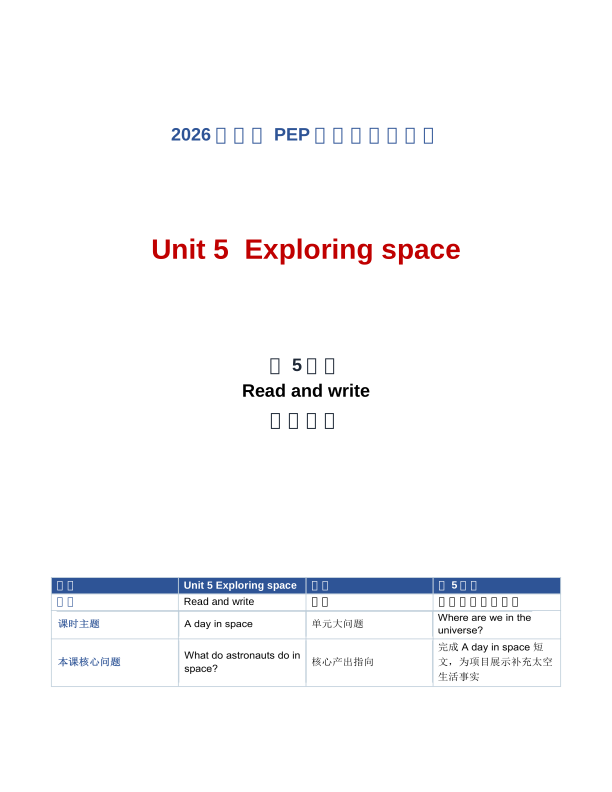
2026秋人教PEP六年级上册英语
Unit 5 Explring space
第6课时
Part C Prject & Reading time
教学设计
一、语篇研读
● Lead-in
本课是 Unit 5 的单元整合课,聚焦核心产出 Share the facts f Earth, the Sun and the Mn。学生需要综合运用本单元语言,制作 fact cards 和模型,并用英语进行展示。
● Presentatin|What
Part C Prject 要求学生以小组形式整理 Earth, the Sun and the Mn 的事实,制作 fact cards 和模型并分享。Reading time 提供太阳系趣味事实,包括 Venus is the httest planet, Jupiter has the Great Red Spt, Neptune has the fastest wind, Saturn has many mns, ftprints can stay n the Mn fr a lng time, space junk is grwing arund Earth。
● Presentatin|Why
本课实现从“学习教材语言”到“真实项目表达”的迁移。学生不仅要会说单词和句子,还要判断事实是否准确、能否清楚介绍、能否合作完成项目。Reading time 拓宽学生科学阅读视野,培养 read fr facts, numbers and superlatives 的阅读策略。
● Presentatin|Hw
项目表达采用 fact card 结构:Name / What is it? / Imprtant facts / Interesting pint。展示语言包括 The Sun is a star. It gives us light and keeps us warm. Earth is a planet. There is water n Earth. The Mn travels arund Earth.
二、教学目标
完成 Earth, the Sun and the Mn 的 fact cards 与模型制作,确保科学事实准确。(应用实践)
运用一般现在时、There be 和 travel arund 等结构介绍天体事实。(应用实践)
阅读 Reading time,获取 Venus, Jupiter, Neptune, Saturn, Mn ftprints, space junk 等太阳系趣味事实。(学习理解)
通过项目展示和同伴评价,反思本单元学习成果并提升科学表达能力。(迁移创新)
达成评价(可观察表现)
• 能按项目模板完成作品,内容包含主题、关键信息和个人表达。
• 能用4—6句英语进行展示,声音清楚,信息顺序合理。
• 能依据 Cntent / Language / Thinking / Presentatin 四项量规完成自评或互评。
三、核心语言
1. 核心词汇
2. 核心句型
四、教学重难点
【教学重点】
完成并展示 Earth, the Sun and the Mn fact cards。
准确运用一般现在时和 There be 表达科学事实。
读懂 Reading time 中的太阳系趣味事实,提取 facts, numbers and superlatives。
【教学难点】
学生在项目展示中容易出现事实不准确或语言过于零散,需要 fact card 结构支架。
Reading time 中最高级和科学名词较多,需要通过关键词阅读降低难度。
小组合作中要兼顾语言表达、模型制作和展示评价。
五、学情分析
经过前五课时学习,学生已具备 Earth / Mn / Mars / space explratin / astrnauts life 等语言积累。
项目课中学生容易重制作轻表达,因此教师应明确评价标准:facts 准确、句型正确、展示清楚、合作有效。
Reading time 可作为拓展阅读,不宜过度讲解每个科学细节,应重点训练抓事实和关键词。
六、教学工具与教学方法
科学概念降难支架
• 先用图片、轨道图、事实卡帮助学生看懂关系,再要求英语表达;不做复杂天文学原理讲解。
• 科学事实控制在学生能说出的简句层面,如 Earth travels arund the Sun. / There is sil n Mars.
• Reading time 采用抓关键词、数字和趣味事实的方式处理,避免逐句翻译和概念过载。
中英文呈现建议
• PPT和板书以英文关键词、句型和任务指令为主,中文只用于必要概念提示和课堂管理。
• 核心语言采用“英文句型 + 简短中文释义”的层级,避免整页中文解释挤占学生英语输入。
• 学生输出页保留英文支架,如 I can... / I shuld... / We ,鼓励学生用英语完成最终表达。
七、教学过程
Step 1 Review the unit 单元复习
【设计意图】通过复习激活项目所需语言。
Step 2 Understand the prject 理解项目要求
【设计意图】明确任务要求,避免项目流于手工制作。
Step 3 Grup wrk 制作事实卡和模型
【设计意图】在合作项目中综合运用语言。
Step 4 Prepare the presentatin 准备展示稿
【设计意图】将 fact cards 转化为可展示语言。
Step 5 Shw time 项目展示
【设计意图】通过展示实现核心产出。
Step 6 Reading time 拓展阅读
【设计意图】拓宽科学阅读视野,训练抓事实。
Step 7 Read fr facts 阅读策略提升
【设计意图】培养事实阅读策略。
Step 8 Self-assessment 单元自评
【设计意图】帮助学生形成单元学习闭环。
Step 10 Summary 课堂小结
Prject: Share the facts f Earth, the Sun and the Mn.
Fact card structure: Name / What is it? / Imprtant facts / Interesting pint.
Reading strategy: read fr facts, names, numbers and superlatives.
八、课堂练习
练习一:Cmplete the fact card
Name: ______
What is it? It is a ______.
Imprtant facts: It ______. There is/are ______.
Interesting pint: ______.
练习二:Read and chse
1. Venus is the ______ planet. A. httest B. cldest
2. Jupiter has the ______. A. Great Red Spt B. fastest wind
3. Space junk is grwing arund ______. A. Earth B. Mars
练习三:Self-check
I can name things in space. □
I can use There is / There are. □
I can share facts clearly. □
九、课后作业
基础作业
完善小组 fact cards 和模型介绍稿。
朗读自己的项目展示稿。
提高作业
查找一个太阳系小知识,用英语写 2—3 句话分享。
拓展作业
制作一张个人 Space Fun Fact Card。
十、板书设计
Unit 5 Explring space
Part C Prject + Reading time
Share the facts f Earth, the Sun and the Mn
Fact card:
Name: ______
What is it? ______
Imprtant facts: ______
Interesting pint: ______
The Sun is a star.
Earth ges arund the Sun.
The Mn ges arund Earth.
There is/are...
Reading tip: names + numbers + facts + superlatives
十一、教学反思参考
本课项目展示能有效检测学生是否真正掌握本单元语言。教师应重点关注事实准确性与表达清晰度,而不仅是模型是否美观。
Reading time 难度略高,建议采用抓关键词和趣味事实分享的方式处理,避免逐句翻译。单元结束时,学生应能够用简单英语清楚介绍 Earth, the Sun and the Mn 的事实。
单元
Unit 5 Explring space
课时
第6课时
板块
Part C Prject + Reading time + 单元整合
课型
项目展示与拓展阅读课
课时主题
Space fact cards
单元大问题
Where are we in the universe?
本课核心问题
Hw can we share space facts clearly?
核心产出
Share the facts f Earth, the Sun and the Mn
英文 / 短语
中文释义 / 教学提示
fact card
事实卡
mdel
模型
slar system
太阳系
Venus
金星
Jupiter
木星
Neptune
海王星
Saturn
土星
ftprints
脚印
space junk
太空垃圾
httest / fastest
最热的 / 最快的
英文 / 短语
中文释义 / 教学提示
The Sun is a star.
太阳是一颗恒星。
It gives us light and keeps us warm.
它给我们光并让我们保持温暖。
Earth ges arund the Sun.
地球围绕太阳运行。
There are ceans, muntains and cluds arund Earth.
地球周围有海洋、山脉和云。
The Mn ges arund Earth.
月球围绕地球运行。
My fact is abut...
我的事实是关于……
教学工具
PPT、fact card 模板、模型材料、太阳系图片、Reading time 文本、展示评价表、自评表。
教学方法
项目化学习、合作学习、拓展阅读、展示评价、读写说综合实践。
教学目标
学习活动
效果评价
回顾核心词汇、句型和科学事实。
1. 教师展示 unit review bard:Earth, Mn, Sun, Mars, telescpe, astrnaut, space statin。
2. 学生抢答核心事实:Earth travels arund the Sun. There is water n Mars. We use telescpes t lk int space.
3. 教师明确本课项目任务:Share the facts f Earth, the Sun and the Mn。
教师观察学生是否能快速回忆本单元核心语言。
教学目标
学习活动
效果评价
明确 fact card 结构和展示要求。
1. 教师出示 fact card 模板:Name / What is it? / Imprtant facts / Interesting pint。
2. 学生阅读项目任务:Share the facts f Earth, the Sun and the Mn.
3. 教师展示示例:The Sun is a star. It gives us light and keeps us warm。
教师确认学生理解项目产出和评价标准。
教学目标
学习活动
效果评价
小组合作整理事实并制作模型。
1. 学生分组选择 Earth / the Sun / the Mn。
2. 小组填写 fact card,检查事实准确性。
3. 制作或完善模型。
4. 教师巡视,指导语言和事实。
教师关注 facts 是否准确,句子是否完整。
教学目标
学习活动
效果评价
形成清晰口头展示。
1. 学生根据支架写展示稿:This is... It is... It travels... There is/are... I think it is...
2. 小组分工:speaker, mdel hlder, fact checker。
3. 小组内排练。
教师检查展示稿是否包含至少3条事实。
教学目标
学习活动
效果评价
完成小组展示并进行评价。
1. 小组展示模型和 fact cards。
2. 听众记录一个最有趣的 fact。
3. 同伴评价:facts accurate / vice clear / teamwrk gd。
4. 教师进行总结反馈。
教师综合评价语言准确性、事实准确性和展示效果。
教学目标
学习活动
效果评价
阅读太阳系趣味事实,提取信息。
1. 学生阅读 Reading time,圈出 planet names 和 superlatives。
2. 完成信息表:Venus / Jupiter / Neptune / Saturn / Mn ftprints / space junk。
3. 学生分享最感兴趣的事实。
教师观察学生是否能抓住 httest, Great Red Spt, fastest wind, many mns, space junk。
教学目标
学习活动
效果评价
掌握事实类阅读方法。
1. 教师引导学生总结:Lk fr names, numbers, facts and superlatives.
2. 学生判断句子 true r false。
3. 学生用 My favurite fact is... because... 分享。
教师关注学生是否能用事实支撑表达。
教学目标
学习活动
效果评价
反思单元目标达成情况。
1. 学生根据自评单检查:I can name things in space. I can talk abut Earth and uter space. I can describe ways t explre space. I can write abut a day in space.
2. 学生写一句本单元收获。
3. 教师总结本单元大问题:Where are we in the universe?
教师根据自评结果了解学生掌握情况。
这是一份人教版PEP(2024)六年级上册(2024)Part C教学设计,共7页。教案主要包含了语篇研读,教学目标,核心语言,教学重难点,学情分析,教学工具与教学方法,教学过程,课堂练习等内容,欢迎下载使用。
这是一份英语六年级上册(2024)Unit 6 Energy nature and usPart C教学设计,共7页。教案主要包含了语篇研读,教学目标,核心语言,教学重难点,学情分析,教学工具与教学方法,教学过程,课堂练习等内容,欢迎下载使用。
这是一份小学英语人教版PEP(2024)六年级上册(2024)Part B教学设计,共7页。教案主要包含了语篇研读,教学目标,核心语言,教学重难点,学情分析,教学工具与教学方法,教学过程,课堂练习等内容,欢迎下载使用。
注册成功
资料篮

在线客服
添加在线客服
获取1对1服务
官方微信
关注“教习网”公众号
打开微信就能找资料
赛课定制
添加在线客服
获取1对1定制服务
职称咨询
添加在线客服
获取1V1专业指导服务

免费福利


.png)
.png)
