免费领取教师福利
若您为此资料的原创作者,认为该资料内容侵犯了您的知识产权,请扫码添加我们的相关工作人员,我们尽可能的保护您的合法权益。


这是一份英语Unit 8 Once upon a Time学案,共28页。
1.Listening: Cnversatins which tell stries
2.Speaking: Retell a stry
3.Reading: The stry The Ugly Ducking
4.Writing: Write an ending fr a stry
5.Grammar: Simple past tense(2)
二:单元语法: 一般过去时(二)
一般过去时与一般现在时的区别:
(二)感叹句的句式结构:
1. What引导的感叹句句式结构:
①What + a / an+ adj.+可数名词单数(+主语+谓语)!
·What a sweet vice (it is) !多么甜美的嗓音啊!
②What + adj.+可数名词复数(+主语+谓语)!
·What lvely clthes(they are)! 多漂亮的衣服啊!(Hw lvely the clthes are)
③What + adj.+不可数名词(+主语+谓语)!
·What fresh air (it is) !多么清新的空气啊!
2. Hw引导感叹句句式结构::
①Hw+ adj. / adv.(+主语+谓语)!
·Hw sweet the vice is! 多么甜美的嗓音啊!
②Hw+ adj.+a/ an+可数名词单数(+主语+谓语)!
·Hw clever a by he is! 多么聪明的一个男孩!
③Hw +主语+谓语!(对动词进行修饰)
·Hw quickly he runs!他跑得多么快!
·Hw time flies!时光飞逝!
(三)重点句型表达
1. It takes / tk sb. sme time t d sth.某人花费多长时间做某事。
该句型中it作形式主语,动词不定式t d sth.是真正的主语;sb.使用宾格形式,如him; her; us; them; me等。
·It tk her years t play the pian well.她花了多年时间才弹好钢琴。
·It usually takes me ne and a half hurs / ne hur and a half t d my hmewrk.
我通常花费一个半小时做作业。
2.“特殊疑问词 + 不定式”结构,在句中通常起名词性作用,主要作宾语、主语或表语。常见的有hw t d / g;
what t d; when t d; where t g等。
·I dn't knw hw t slve this prblem.我不知道如何解决这个问题。
·Where t g is the main questin nw.现在的主要问题是去哪里。
·The prblem is what t d next.问题是接下来做什么。
三:重点词汇
1. upn prep.在上。(常用于正式或书面语言中,与n同义)
upn和n一般可通用,但有以下不同:
(1)表示在某一日子或日期时一般只用n,不用upn.
(2)在某些约定俗成的表达中,upn和n不能互相替换,如:nce upn a time.
(3) n比upn通俗,常用于口语; upn比较正式,常用于书面语。
2. nce upn a time从前;很久以前。
nce upn a time相当于(lng) lng ag或a lng time ag,是一般过去时的标志,通常用于故事的开头。
·Once upn a time, there was a very ld man...从前,有一个非常老的人……
·He climbed upn his hrse.他爬上他的马。
3. depend upn / n取决于;依赖
·The success f the prject depends upn / n the teamwrk.项目的成功取决于团队合作。
4. bite v.咬;咬伤。既可作及物动词也可作不及物动词。过去式是bit。 /
·The dg bit my she.这只狗咬了我的鞋子。
·Be careful. The fish might bite.小心,鱼可能会咬钩。
5. bite thrugh咬穿
·The gat bit thrugh the paper n the grund.山羊咬破了地上的纸。
6. bite ff咬掉
·Dn't bite ff mre than yu can chew.贪多嚼不烂。[谚语]
7. bite还可用作可数名词,意为“咬;(咬下的)一口”。
8. take a bite意为“咬一口”。(作名词)
·He tk a big bite f the sandwich.他咬了一大口三明治。
hunter n. 猎人;搜寻者。
是由“hunt(v.打猎)+-er(后缀)”构成的。hunt指狩猎或寻找的行为或过程。-er是常见的表示职业的名词后缀,
常加在动词之后,表示“从事⋯⋯的人”。类似的词还有:play—player,sing—singer。
·The hunter fllwed the deer thrugh the frest.猎人跟随鹿穿过森林。
hunt v.捕猎,猎取;搜寻;
hunt fr寻找;搜寻
·The lin hunts fr fd at night.狮子在夜间捕猎食物。
·She is still hunting fr a new jb.她还在找新工作。
12. prmise v.承诺;保证 / n. 承诺;诺言(可数名词)
(1)作动词的常见搭配:
prmise (nt) t d sth.许诺(不)做某事
·I prmise t help yu learn hw rbts wrk.我保证会帮你学习机器人是如何工作的。
prmise sb. sth. = prmise sth. t sb.向某人许诺某事
·He prmised me a beautiful present n my birthday.
= He prmised a beautiful present t me n my birthday.他许诺过在我生日时送给我漂亮的礼物。
prmise + that从句,意为“许诺……”
·I prmise I will call yu tmrrw.我保证明天会给你打电话。
作名词的常见搭配:
make a prmise许下诺言
·She made a prmise t shw us the Chinese dragn dance.她承诺给我们展示中国舞龙。
keep a prmise遵守诺言
·She kept her prmise and returned the bk n time.她遵守诺言,按时还了书。
break a prmise违背承诺
·I gt angry when he brke his prmise.当他违背诺言时,我生气了。
lng ag很久以前
war n.战争
Wrld War II第二次世界大战
at war交战
neighbur 熟义:n.邻居(美:neighbr);
生义:n.邻近的人或物
·A gd neighbur is better than a brther far ff.远亲不如近邻。[谚语]
·Britain's nearest neighbur is France.英国最近的邻国是法国。
neighburhd n.社区;街区
19. wise adj.明智的;高明的(既可作表语也可作定语)
·My grandfather is very wise and always gives gd advice.我爷爷非常有智慧,总是给出很好的建议。
20. It is wise t d sth.做某事是明智的。
·It is wise t save mney fr the future.为未来存钱是明智的。
21. a wise chice 明智的选择
·He made a wise chice t study bth science and art.他做出了一个明智的选择,既学科学又学艺术。
wise advice明智的建议
·He gave us sme wise advice.他给了我们一些明智的建议。
wisely adv.明智地;聪明地
· She wisely chse t ask fr help when the prject became t difficult.当项目变得太困难时,她明智地选择了寻求帮助。
24. act wisely明智地行事
25.(1)lie v. 撒谎(过去式为lied,现在分词形式为lying) / n. 谎言
lie t sb. = tell lies t sb.对某人撒谎
·It's wrng t lie t yur friends.对你的朋友撒谎是不对的。
lie abut sth.就某事撒谎
·Peter lied abut finishing his hmewrk.彼特撒谎说完成了作业。
tell a lie / tell lies说谎(作名词)
·Dn't tell a lie.不要说谎。
(2)lie v.躺;位于。(过去式为lay,现在分词形式为lying)
常见短语:lie dwn躺下
·She likes t lie n the grass and watch the cluds.她喜欢躺在草地上看云。
·The village lies in a beautiful valley.这个村庄位于一个美丽的山谷中。
·Yu’d better lie dwn and rest.你最好躺下休息。
记忆口诀:说谎规则lie-lied-lied, 躺不规则lie—lay—lain。
26. pretend v. 假装;伪装(后可接动词不定式或从句)
27. pretend t d sth.假装做某事
·He pretended t fall asleep when his mther came in.当他妈妈进来时,他假装睡着了。
28. pretend + that从句,意为“假装……”
·The little girl likes t pretend she is a princess.这个小女孩喜欢假装自己是公主。
·They pretend that they are astrnauts explring space.他们假装自己是探索太空的宇航员。
fficial 熟义:n.官员;高级职员
生义:adj. (只用于名词前)公务的;公职的;(常用于名词前)官方的;正式的
·The fficial in charge f the prject is very experienced and knwledgeable.负责这个项目的官员非常有经验和学识。
·The president made an fficial visit t the neighburing cuntry.总统对邻国进行了正式访问。
·The fficial rules f the cmpetitin state that all participants must wear unifrms.
比赛的官方规则规定,所有参赛者必须穿制服。
decide v. 决定
decide (nt) t d sth.决定(不)做某事
·They decide t visit the museum this weekend.他们决定这个周末去参观博物馆。
decide +“特殊疑问词+ t d”,意为“决定……”
·He can't decide what t eat fr dinner.他无法决定晚餐吃什么。
decide + that从句,意为“决定……”
·We decided that it was the best plan.我们决定那是最好的计划。
decide n sth.决定某事
·We' re still trying t decide n a venue.我们仍然在设法选定一个会场。
decisin n.决定
make a decisin作决定(相当于decide)
·She made a decisin t mve t anther city.
= She decided t mve t anther city.她决定搬到另一个城市。
praise v. & n.赞美;表扬
(1)作及物动词,后面可以跟某人或某物作宾语。
praise sb./sth. 表扬某人;称赞某物
·We shuld praise students when they try their best.当学生们尽力而为时,我们应该表扬他们。
·Peple in the street praised the emperr’s new clthes.街上的人们都称赞皇帝的新衣。
praise sb. fr (ding) sth.“因(做)某事而赞扬某人”。
·She praised her friend fr helping her with the prject.她称赞她的朋友帮助她做这个项目。
作名词,意为“赞扬;颂扬”,是不可数名词。
win high praise fr因……赢得高度赞扬
·The ck wn praise fr preparing an amazing meal at the event.这位厨师因在活动中准备了美味的餐食而得到了称赞。
receive / get praise受到表扬
·The mvie received a lt f praise frm critics.这部电影得到了评论家们的许多赞誉。
give praise t sb. = give sb. praise给予某人表扬
·The teacher gave her high praise fr her excellent wrk.老师对她出色的作品给予了高度赞扬。
in (high) praise f(高度)赞扬……
·The sng is a beautiful in praise f lve and devtin.这首歌是对爱与奉献的美好赞颂。
afraid adj.害怕的;担心的(常作表语,与系动词be连用)
be afraid f(ding)sth.害怕某物
·The little girl is afraid f the dark.这个小女孩怕黑。
·Dn't be afraid f making mistakes when learning t speak a language.学习说一门语言时不要害怕犯错。
be afraid t d sth.害怕去做某事
·He is afraid t speak in public.他害怕在公众场合讲话。
be afraid + that从句,意为“恐怕……”
·I'm afraid that it is a bit expensive.恐怕它有点贵。
I'm afraid...意为“恐怕……”,用于表达遗憾,常用于委婉地拒绝或给出不好的消息。
·I'm afraid I can't cme t the party.我恐怕不能来参加聚会。
I'm afraid s / nt. 意为“恐怕是这样。/恐怕不是这样。”
·—D yu think the prject will be delayed?你认为这个项目会被延期吗?
—I'm afraid s.恐怕是的。
suddenly adv.突然地;出乎意料地(常用于指某事发生得快且出乎意料,常用于句首、句中或句末)
·A thught suddenly came int my mind.我突然有了一个想法。
sudden adj.忽然的;突然的
all f a sudden = suddenly突然
·All f a sudden, wham! I fell ff my bicycle.突然,砰!我从自行车上摔了下来。
at first起初;最初(在句中作状语,可位于句首或句末,相当于in the beginning。)
辨析:at first, first f all与first
at first“起初;最初”,用以描述最初阶段的情况,尤指与后来的不同情况相比较。
first f all“首先;第一”,用于列举一系列事项或观点时,表示第一个或最重要的一个。
first“第一;首先”,用以引出一系列事实、意见、理由等。
·At first, I thught the mvie wuld be bring, but it turned ut t be very interesting.
起初,我以为这部电影会很无聊,但结果证明它非常有趣。
·It was difficult at first, but I gt used t it later.开始很困难,但后来我习惯了。
·First f all, we need t slve the prblem.首先,我们需要解决这个问题。
·First, we need t gather all the necessary infrmatin.首先,我们需要收集所有必要的信息。
true adj.符合事实的;真正的
·This is a true stry abut a scientist.这是一个关于一位科学家的真实故事。
·That can’t be true.那不可能是真的。
be true t ne's wrd言而有信
·It's imprtant t be true t yur wrd. When yu make a prmise, peple can trust yu.
重要的是要言而有信。当你许下承诺时,人们能信任你。
cme true实现(梦想、愿望等)
·His dream t becme a space engineer finally came true.他成为航天工程师的梦想终于实现了。
truth n.真相;事实
·I realized the truth t late.我知道真相太晚了。
tell the truth讲/说实话
·She prmised t tell the truth during the investigatin.她承诺在调查期间说实话。
t tell the truth = t be hnest老实说
·T tell the truth, I dn’t agree with yu.说实话,我不同意你的意见。
in truth事实上
·In truth, I dn’t like spicy fd at all.事实上,我一点也不喜欢辣的食物。
truly adv.真正;确实
·I am truly srry, but I can’t jin yu tday.我真的很抱歉,今天我不能和你们在一起了。
make mney赚钱
·We can make a lt f mney by lying t the emperr.我们可以通过欺骗皇帝赚很多钱。
save mney省钱;存钱
hate v.不喜欢;厌恶;讨厌(hate及物动词,同义词是dislike,反义词为lve/ like)
hate sb. / sth.讨厌某人/某事
·She hates the taste f brccli.她讨厌西兰花的味道。
hate ding sth.讨厌做某事
·They hate being late fr imprtant meetings.他们讨厌重要会议迟到。
hate t d sth.不喜欢做某事
·I hate t truble yu.我不愿麻烦你。
·I hate t be different.我讨厌与众不同。
hate sb. ding / t d sth.讨厌某人做某事
·Mary hates yu t use her cmputer.玛丽讨厌你用她的电脑。
hate n.仇恨,憎恨(不可数名词)
·The little by filled with a lt f hate.那个小男孩满腔仇恨。
·Hate can make peple d terrible things.仇恨能让人做出可怕的事情。
(1)get ut逃脱;离开
·Let's get ut! 咱们出去吧!
(2)get ut把取出来;拿出某物(动副结构)
·She gt her phne ut t check the time.她拿出手机看时间。
·Can yu get it ut?你能把它拿出来吗?
get ut f逃避/摆脱某事;离开某地
·She finally gt ut f that bad relatinship.她终于摆脱了那段糟糕的关系。
·We need t get ut f the huse befre it starts raining.我们需要在开始下雨前离开这座房子。
artist n.美术家;艺术家
artist是以元音音素开头的单词,不定冠词用an。表示人的后缀-ist构成,类似构成的单词还有:
vilin小提琴→vilinist小提琴家;jurnal报纸→jurnalist新闻记者;science科学→scientist科学家
·The picture was painted by an artist.这幅画是由一位艺术家画的。
·He is a plice artist.他是一位警方画像师。
quickly adv.快速地;很快
通常用来修饰动词,表示动作发生或完成得很快,也可指人的思维敏捷。反义词:slwly adv.缓慢地。
·He quickly finished his hmewrk and went ut t play.他迅速完成了作业,然后出去玩了。
quick adj.快的,迅速的(用来修饰名词或名词短语。反义词:slw adj.缓慢的)
·She gave a quick answer t the questin.她快速回答了这个问题。
* * * 构词法记单词:-ly常加在形容词后构成副词。
类似的词还有:sad(adj.难过的)→sadly(adv.难过地);quiet(adj.安静的)→quietly(adv.安静地)
smile v.微笑;/ n.微笑;笑容
smile v.微笑(是不及物动词,后面不能直接跟宾语,通常与at连用。)
smile at sb./ sth.对某人/某物微笑
·Bill always smiles during difficult time.比尔在困难的时候总是微笑。
·The baby smiled at everyne in the rm.这个婴儿对房间里每个人都微笑了。
(2)smile n.微笑;笑容
·A smile can change smene's day.一个微笑可以改变一个人的一天。
·He said with a smile.他微笑着说。
give a smile 露出微笑
with a smile (n ne's face) 面带笑容
a bright / warm / friendly smile明亮的/温暖的/友好的微笑
There is a smile n ne's face.某人脸上展现出笑容。
(3)辨析:smile与laugh
smile“微笑”。通常指友好或善意的微笑,一般情况下作不及物动词。smile at sb.“对某人微笑”。
laugh“发笑;笑”,指发出声音地笑,表示的感情有高兴/快乐,也可以表示轻视/藐视。laugh at sb.“嘲笑某人”。
all ver到处;遍及(all ver常用来表示某物或某事物“遍及某地”或“到处都有”,强调分布的广泛性。)
·There were flwers all ver the garden.花园里到处都是花。
all ver the wrld世界各地
·Peple all ver the wrld celebrate the New Year in different ways.世界各地的人们以不同的方式庆祝新年。
all ver还可以表示“完全结束”。
·It's all ver nw.现在一切都结束了。
ugly adj. 丑陋的;难看的
在句中作表语或定语,反义词是pretty, gd-lking或beautiful,均表示“漂亮的,好看的”。
·The building lks ugly cmpared t the thers.和其他建筑相比,这座建筑看起来很丑陋。
·He made an ugly face when he heard the news.他听到消息时做了一个鬼脸。
·Yu lk s pretty in that dress!你穿那件连衣裙真漂亮!
ugliness n.丑陋
·The eyes redeem the face frm ugliness.这双眼睛弥补了他其貌不扬的缺陷。
real adj.真的;真正的
·I want a real pet, nt a ty.我想要一个真正的宠物,而不是玩具。
really adv.真正地;的确
·I really like this restaurant. The fd is really delicius.我真的喜欢这家餐厅。食物非常美味。
辨析:real与true
real强调某物或某人的存在或真实性,可以指物理对象或体验的真实性。
true更强调事实的准确性和真实性,通常用于表达说法、答案或信念是否符合实际。
·Is that a real painting by van Ggh?那是梵高的真迹吗?
·Everything abut him is true.关于他的一切都是真的。
g away走开;消失(动词短语,可以用于人或事物的离开,或问题、感觉的消失。)
·They tld the stranger t g away.他们叫这个陌生人走开。
·The pain will g away after a few hurs.几个小时后疼痛会消失。
g ff离开;响起,发出声音(尤指去做某事)
·The train is abut t g ff, s hurry up!火车即将出发,所以快点!
·My alarm went ff at 7 a.m.我的闹铃早上7点响起。
g after跟随;追赶
·He decided t g after his dream jb.他决定追求理想的工作。
g against违反;违背
·Cheating ges against schl rules.作弊违反校规。
g ahead先走;进行
g back返回
search v.寻找;搜寻(既可作不及物动词,也可作及物动词)
(1)search可作不及物动词,通常与介词fr连用,search fr sb. / sth.搜寻某人/某物
·I search fr my keys in the living rm.我在客厅里寻找我的钥匙。
·The plice are searching fr the missing persns.警方正在搜寻失踪人员。
·We need t search fr a slutin t this prblem.我们需要寻找这个问题的解决办法。
search作及物动词,意为“搜查;搜身”。
search sb.(尤指警察)搜查某人
·The plice searched everyne present at the scene f the crime.警察搜查了在犯罪现场的每一个人。
search +地点,意为“搜查某地”。
·The plice searched the river fr the lst child.警察搜查了这条河,寻找那个丢失的孩子。
search + 地点+ fr + sb. / sth.在某处搜寻某人/某物
·The plice are searching the train statin fr the criminal.
search还可作名词,意为“搜索,搜寻”。
in search f…,意为“寻找……”
·They went int the frest in search f rare plants.他们走进森林寻找珍稀植物。
d a search n the Internet在互联网上搜索
·She did a search n the Internet fr infrmatin.她在网上搜索信息。
hpefully adv.有希望地(通常用在句子开头,常用于表达希望某种结果的可能性,语气带有不确定性。)
·Hpefully, it wn't rain tmrrw.但愿明天不下雨。
·He lked at me hpefully, waiting fr gd news.他带着希望地看着我,等待着好消息。
hpeful adj.满怀希望;抱有希望
·She is hpeful abut the future.她对未来充满希望。
lay v.下(蛋);放置;搁 (lay的过去式为laid /leɪd/, 现在分词为laying)
lay v.下(蛋)(指鸟类或其他动物产蛋的行为)
lay eggs下蛋
·The hen lays an egg every day.这只母鸡每天产一个蛋。
lay v.放置;搁(通常指把某物放在某个地方);
·He laid the keys n the table.他把钥匙放在了桌子上。
lay dwn放下
·Lay dwn yur bk n the table.把你的书放在桌子上。
lay ut“布置,安排;展开”,其中ut是副词。
·They laid ut the tls befre starting the wrk.他们在开始工作前摆放好了工具。
t sb.'s surprise出乎某人的意料;令某人惊讶的是。
t sb.' s surprise是一个固定短语,常位于句首,其后加“’”,有时在surprise前加big, great等词表示程度。
sb.' s根据不同的主语变化为my, his, her, their等;也可以是名词所有格。
·T my surprise, he passed the exam with a high scre.令我惊讶的是,他以高分通过了考试。
·T ur great surprise, he didn't pass the driving test.令我们非常惊讶的是,他没有通过驾驶考试。
·T their surprise, the meeting ended earlier than expected.令他们惊讶的是,会议结束得比预期早。
·T Jhn' s surprise, his friends threw him a birthday party.令约翰惊讶的是,他的朋友们为他举办了生日聚会。
* * * 类似“t + ne's + 带感情色彩的名词”的表达还有:
t ne's jy / happiness令/使某人高兴/幸福的是; t ne's disappintment令/使某人失望的是
t ne's shame令某人羞愧的; t ne's satisfactin令/使某人满意的是
believe v. 相信;认为;(后接名词、代词或从句作宾语。一般不用于进行时态。)
believe it r nt信不信由你
·I dn't believe yu!我不相信你!
·I d believe yu' re right.我的确相信你是对的。
·Believe it r nt, he asked me t marry him! 信不信由你,他向我求婚了!
辨析:believe与believe in
believe表示相信某人的话,相信某事等,是一种相对客观的判断。
believe in表示“信任,信赖”,表达一种更为主观、深入且持久的信念。
nly if只有
nly if是连词短语,引导条件状语从句,用来表示在特定条件下才会发生某事。它通常用于强调条件的重要性。
·Yu can g t the party nly if yu finish yur hmewrk.你只有完成作业才能去参加聚会。
·Yu can brrw my bks nly if yu prmise t return them.你可以借我的书,前提是你保证会还回来。
fisherman渔夫(其复数名词为fishermen)
fishing n.钓鱼;捕鱼
g fishing去钓鱼
fishing net渔网
cme ut出现;盛开;出版;发行;(消息、真相等)为人所知(固定搭配,无被动语态。)
·These animals nly cme ut at night.这些动物只在夜晚出现。
·Flwers begin t cme ut in spring.春天花开始开放。
·His first bk came ut in the 1920s.他的第一本书在二十世纪二十年代出版。
·The truth is beginning t cme ut abut what happened.所发生的事情的真相开始为大家所知。
die v. 死亡;消失 (常用于人或动植物的死亡。过去式为died)
·Many sldiers died in the war.许多士兵在战争中牺牲了。
(1)die dwn逐渐变弱;逐渐消失。(常用于表示某事物逐渐减弱或消失,比如声音、风、情绪等)
·The wind started t die dwn after the strm.暴风雨过后,风开始逐渐减弱。
(2)辨析:die f与die frm
die f意为“死于”,宾语均为死亡的原因。用于因疾病、饥饿、年老等内部因素而死亡。
die frm用于因事故、伤害、感染等外部因素而死亡。
·She died f heart disease.她死于心脏病。
·The man died frm a traffic accident.那个人死于交通事故。
(3)die的词形变化:
dead adj.死的;失去生命的(表示状态)
·The plant is dead because we frgt t water it.这株植物死了,因为我们忘了给它浇水。
death n.死亡
·Lucy was very sad because f her pet's death.由于她宠物的死,露西非常难过。
dying adj.垂死的,临终的
·He visited his dying grandmther in the hspital.他去医院探望了他临终的祖母。
smene prn.某人;有人
smene是不定代词,表示“某人;有人”,相当于smebdy,用来指代身份不明确或不特定的人,常用于
肯定句中。
·I need smene t help me with this task.我需要有人来帮我做这个任务。
smene作主语时,谓语动词用第三人称单数形式。
·Smene is calling yu.有人在打电话给你。
形容词修饰复合不定代词,应放在形容词之后,如smene special一些特别的人
·I am ging t meet smene special this afternn.今天下午我打算去见一个特别的人。
(2)辨析:smene与anyne
smene“某人;有人”,常用于肯定句中。
anyne“某人”,常用于否定句和疑问句中。
·Smene left his bag n the bus.有人把包落在了公交车上。
·Jane is angry and she desn't talk with anyne.简生气了,她不和任何人说话。
·Is anyne interested in being a vlunteer?有人对做志愿者感兴趣吗?
·If anyne sees Lisa, ask her t call me.如果有任何人看见丽萨,让她给我打电话。(anyne用于条件状语从句中)
* * * 其他以-ne结尾的不定代词:anyne任何人; everyne每个人;人人
set v. 使处于某种状况;使开始(其过去式set;现在分词setting)
·The news set him thinking abut his future.这条新闻让他开始思考自己的未来。
set ... free释放;放开(常用于表示还人或动物的自由)
·The judge decided t set the man free.法官决定释放那个人。
set v. 放置;设定
·He set the alarm clck fr 6 a. m.他把闹钟设定为早上6点。
·We need t set the table befre dinner.我们需要在晚餐前摆好餐具。
set sth. smewhere把某物放在某处
·She set the bk n the table.她把书放在了桌子上。
set up建立;搭建
·They set up a new cmpany last year.他们去年成立了一家新公司。
set sb./ sth. ding sth.使某人/某物开始做某事
·What he said set me thinking.他的话让我深思。
set ff出发
·They set ff n their trip arund the wrld.他们开始了环游世界的旅程。
set ut开始工作
·He set ut t write a nvel.他着手/开始写一本小说。
set n.一套;一副
a set f一套……;一副……
·The teacher gave us a set f questins t practice.老师给了我们一组题目进行练习。
tea set“茶具”
·Linda received a tea set frm her Chinese friend.琳达从她的中国朋友那里收到了一套茶具。
(1)rich adj.富有的;富含……的
可以指金钱、资源、经验、情感等。既可作表语也可作定语,反义词为pr贫穷的。
·She cmes frm a rich family.她出身于一个富裕的家庭。(作定语)
·He has rich experience in teaching.他在教学方面有丰富的经验。(作定语)
be rich in富含……
·The area is rich in wildlife.这个地区的野生动植物很多。
(2)油腻的;口味浓郁的。(用来形容食物的味道或口感。)
·The dessert is rich and creamy.这道甜点口感丰富,奶油味浓郁。(作表语)
(3)(土地)肥沃的
·Farmers grw rice in the rich sil.农民们在肥沃的土地上种水稻。
pwerful adj.强大的;有影响力的(指能力、力量、影响力等。既可作表语也可作定语。)
·The strm was very pwerful and caused a lt f damage.这场暴风雨非常强大,造成了很多破坏。(作表语)
·She gave a pwerful speech.她发表了一场有影响力的演讲。(作定语)
·He is a pwerful leader wh inspires his team.他是一位有影响力的领导者,激励着他的团队。
pwer n.力量;权力;电力供应
·They shwed great pwer during the cmpetitin.他们在比赛中展现了强大的力量。
·Knwledge is pwer.知识就是力量。
·We must save pwer.我们必须节约用电。
instead f 而不是;代替
instead f是介词短语,位于句首或句中,后面可以接名词、代词或动名词(短语)。用来表示选择某物或某人而
不是另一个,其被否定的部分是f后的内容。
·I will have tea instead f cffee.我喝茶,不喝咖啡。
·Instead f watching TV, he likes t read bks.他喜欢读书,而不是看电视。
·Yu shuld eat fruits instead f sweets fr a healthy diet.为了健康的饮食,你应该吃水果而不是糖果。
succeed in ding sth.成功做成某事
它是一个固定搭配,常用于表示通过努力或克服困难后取得成功。in后跟名词、代词或动名词。
·She succeeded in the cmpetitin.她在比赛中取得了成功。
·He succeeded in it after many attempts.他在那件事上经过多次尝试后取得了成功。
succeed in = be successful in在……方面获得成功
·She succeeded in passing the exam.
= She was successful in passing the exam.她成功通过了考试。
himself prn.他自己;他本人(himself是反身代词,意为“他自己”,在句中可作宾语、同位语等。)
·He intrduced himself t the grup members.他向小组成员介绍了自己。
·The by is prud f himself fr winning the race.那个男孩为自己赢得比赛而感到自豪。
·He himself cleaned the whle huse.他自己打扫了整座房子。
by neself亲自
·He fixed the car by himself.他自己修好了车。
teach neself 自学
·We taught urselves English.我们自学了英语。
enjy neself玩得开心;过得愉快
·He enjyed himself a lt in the park.他在公园里玩得很开心。
* * * 其他反身代词有:
in the end最后;终究
用来表示某件事情的最终结果或结局,通常放在句首或句尾,也可放在句中作状语。其中end作名词,意为
“结尾;尽头”。同义词是finally,同义短语是at last;反义短语是at first(起初)。
·In the end, we decided t g t the beach instead f the muntains.最后,我们决定了去海滩,而不是去山上。
·She wrked very hard, and in the end, she passed the exam.她非常努力地学习,最后通过了考试。
·They met many prblems, but in the end, they fund a slutin.他们遇到了许多问题,但最终找到了解决方案。
四:单词表外重点知识
let sb. / sth. d... 让某人/某物做
let the muse g放了老鼠
lng ag很久以前
cme back with... 带着回来
break sb.’s +身体部位,意为“摔断”
jin the war参军;参战
buy sb. sth. = buy sth. fr sb.给某人买某物
make clthes做衣服;
lk silly看起来愚蠢
shw sb. sth. = shw sth. t sb. 给某人展示某物
in the street / city街上/在城里
have ... n穿着;戴着(表示状态,与wear同义)(注意:n的用法,try n试穿)
·Lk!The emperr has n clthes n! 看!皇帝没穿衣服。(原文)
·She’s having n a pink dress.
= She is wearing a pink dress. 她正穿着一件粉色的连衣裙。
lk at ne anther互相看着对方(两个知识点:lk at sth.与ne anther/each ther的连用)
start / begin ding sth.开始做某事
at the end最后
read sth. fr ... class在课上读了
chse sth.选择某物
chse t d sth.选择做某事
the stry f The Emperr’s New Clthes《皇帝的新装》这个故事(注意f的用法 )
tell sb. abut sth.告诉某人关于某事
tell sb. sth. = tell sth. t sb.告诉某人某事
ask sb. t d sth.让/要求/请求某人做某事
ask sb. nt t d sth.让/要求/请求某人不要做某事
ask sb. fr sth.向某人要求/请求某物(该结构中的sth.可以是help或advice)
feel + adj.意为“感觉的”;feel sad/happy感到难过/高兴
lse sth.丢失某物
lse ne’s way迷路(“迷失方向”比喻迷失了正确道路或目标)
lse ne’s heart失去信心/勇气;气馁
get lst迷路
give sb. sth. = give sth. t sb.给某人某物
wait fr sb. / sth等待某人/某物
a few +复数名词,意为“一些;几个”。 a few mnths几个月
grw angry渐渐变得生气(grw + adj.渐渐变得的)
a picture f... 一幅的画/图
make sb. d sth.使某人做某事
make sb./sth.+adj.使某人/某物是的
s lng这么久(修饰前面的动词)
take sb. t sp.把某人带到某地
lk like sb.看起来像某人
ther +复数名词,意为“其他”(不特指)
the ther+复数名词,意为“剩下的其他的”(表示特指剩下其余的人或物)
at the river在河边
all the +复数名词,意为“所有的”; all the turists所有的游客
the whle+单数名词,意为“整个”; the whle family整个家庭
live with sb.与某人住在/生活在一起
ne day有一天(通常用于一般过去时或一般将来时)
stay with sb./sth.与某人/某物待在一起
sme days later几天以后
cme t sp.来到某地; g t sp.去某地
ne f+复数名词,意为“其中之一”
all f +复数名词 / 不可数名词,意为“中的所有”
(f后接复数名词,谓语动词为非单三;f后接不可数名词,谓语动词为单数形式)
lk dwn向下看,俯视 / 看不起,蔑视
in size and clur在大小和颜色上
be similar t与相似
prepare fr为做准备
prepare t d sth.准备做某事
in the scenes场景中
take place发生
character n. 角色
smething surprising一些令人惊讶的东西
shiny adj.闪闪发光的;有光泽的
express ne’s thughts and feelings abut sth.表达我对某事物的想法和感受
五:重点句子
1. What are yur favurite stries? 你最喜欢的故事是什么?
2. —Did yu read Little Wmen fr English class? 你在英语课上读《小妇人》了吗? —N,I didn't.没有,我没读。
3. What lvely clthes!多么可爱的衣服啊!
4. Please tell me what yu think!请告诉我你的想法!
5. It tk me mnths t learn hw t paint a hrse well! 我花了几个月的时间才学会如何画好一匹马!
6. Once upn a time, there was a mther duck.从前,有一只鸭妈妈。
7. The duckling lked dwn, and t his surprise, he saw that he was a beautiful white swan t!
丑小鸭向下看,令他惊讶的是,他看到他也是一只美丽的白天鹅!
六:单元作文
Mr. Dnggu and a wlf东郭先生与狼
Lng time ag, there was a man named Mr. Dng Gu.很久以前,有一位被叫作东郭先生的男子。
He is very kind.他很善良。
One day, Mr. Dnggu went alng the rad n his dnkey.
有一天,东郭先生骑着毛驴走在一条马路上。
Suddenly, a wld rushed ut f the wds. It was hurt.突然,一只狼从树林里冲了出来。它受伤了。
The wlf asked Mr. Dnggu t save it. A hunter was running after it.
那只狼让东郭先生救救它,有个猎人正在追着它。
S Mr. Dnggu let the wlf get int his big bag. 因此,东郭先生让狼钻进了他的大袋子里。
When the hunter came up t him, Mr. Dnggu lied t him.当猎人走到他面前时,东郭先生对他撒了谎。
The hunter went away and the wlf came ut.猎人离开了,而且狼也出来了。
The wlf laughed at him and said:“Yu are s silly!”.狼嘲笑他而且说道:“你怎么这么蠢呢!”
Mr. Dnggu started t realize his mistake at that time.东郭先生那时开始意识到自己的错误。
At the mment, a farmer came ver.此刻,一位农夫走来。
Mr. Dnggu tld him the truth abut it.东郭先生告诉他关于此事的实情。
The farmer didn’t believe him.农夫不相信东郭先生。
Because he thught the bag was t small t hld the wlf.因为他认为袋子太小装不下狼。
The wlf shwed him again.狼再一次展示给他。
The farmer tied the bag at nce.农夫马上系上了袋子。
They threw it int the river and it drwned.他们把它扔到河里淹死了。
Mr. Dnggu and a wlf
Lng time ag, there was a man named Mr. Dng Gu. He is very kind.
One day, Mr. Dnggu went alng the rad n his dnkey. Suddenly, a wld rushed ut f the wds.It was hurt. The wlf asked Mr. Dnggu t save it. A hunter was running after it. S Mr. Dnggu let the wlf get int his big bag. When the hunter came up t him, Mr. Dnggu lied t him. The hunter went away and the wlf came ut. The wlf laughed at him and said:“Yu are s silly!”. Mr. Dnggu started t realize his mistake at that time. At the mment, a farmer came ver.
Mr. Dnggu tld him the truth abut it. The farmer didn’t believe him. Because he thught the bag was t small t hld the wlf. The wlf shwed him again. The farmer tied the bag at nce. They threw it int the river and it drwned.
Being a kind man is gd but we shuld give ur kindness t thse real kind peple.
东郭先生与狼
很久以前,有一位被叫作东郭先生的男子。他很善良。
有一天,东郭先生骑着毛驴走在一条马路上。突然,一只狼从树林里冲了出来。它受伤了。 那只狼让东郭先生救救它,有个猎人正在追着它。因此,东郭先生让狼钻进了他的大袋子里。当猎人走到他面前时,东郭先生对他撒了谎。猎人离开了,而且狼也出来了。狼嘲笑他而且说道:“你怎么这么蠢呢!”东郭先生那时开始意识到自己的错误。此刻,一位农夫走来。东郭先生告诉他关于此事的实情。农夫不相信东郭先生。因为他认为袋子太小装不下狼。狼再一次展示给他。农夫马上系上了袋子。他们把它扔到河里淹死了。
做一名善良的人是好的,但是我们应该把我们的善良送给那些真正善良的人。一般过去时
一般现在时
用法不同
表示过去某个时间或某一时间段内发生的动作或存在的状态。
e.g. I played badmintn with my father last
weekend.我上周末和我爸爸一起打羽毛球了。
表示经常发生或习惯性的动作或现在的状态。
e.g. I ften play badmintn with my father.
我经常和我爸爸一起打羽毛球。
时间状语不同
一般过去时常与表示过去的时间状语连用,如last week、yesterday、tw days ag等。
e.g. I rde a bike t schl yesterday.
我昨天骑自行车去学校。
一般现在时常与表示现在的时间状语连用,如every week、every day等。
e.g. We read English every mrning.
我们每天早上读英语。
谓语动词不同
谓语动词使用过去式,没有人称和数的变化(was和were除外)。
e.g. Julia did her hmewrk and I did sme reading after class yesterday.昨天下课后,朱莉娅做家庭作业,我看书。
谓语动词有人称和数的变化。第三人称单数作主语时,谓语动词用第三人称单数形式 (be动词用is);其他人称作主语时,则用动词原形 (be动词用am或are). e.g. My mther enjys ging shpping and I enjy traveling.我妈妈喜欢购物,我喜欢旅行。
注意:通常情况下,一般现在时与频度副词(如:ften、always等) 连用,但一般过去时也可以与频度副词连用,表示过去某个动作发生的频率。
第一人称
第二人称
第三人称
单数
myself
yurself
himself / herself / itself
复数
urselves
yurselves
themselves
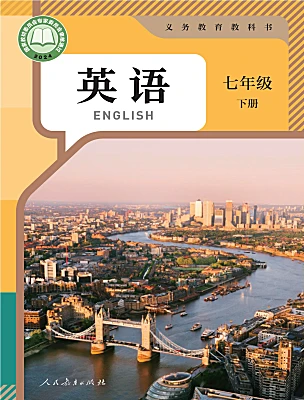
这是一份初中英语人教版(2024)七年级下册(2024)Unit 8 Once upon a Time导学案,共31页。
这是一份英语七年级下册(2024)Unit 8 Once upon a Time精品学案及答案,共22页。学案主要包含了高频词汇/短语解析,教材原句,用法 1,用法 2,用法 3,常用结构,小试牛刀,单元话题等内容,欢迎下载使用。
 新教材
新教材注册成功
资料篮

在线客服
添加在线客服
获取1对1服务
官方微信
关注“教习网”公众号
打开微信就能找资料
赛课定制
添加在线客服
获取1对1定制服务
职称咨询
添加在线客服
获取1V1专业指导服务

免费福利

.png)
.png)