 免费领取教师福利
若您为此资料的原创作者,认为该资料内容侵犯了您的知识产权,请扫码添加我们的相关工作人员,我们尽可能的保护您的合法权益。


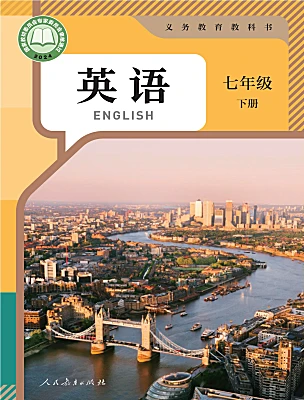
这是一份初中英语人教版(2024)七年级下册(2024)Unit 4 Eat Well教案,共18页。教案主要包含了教学目标,教学重难点,教学方法,教学过程,教学反思,Hmewrk等内容,欢迎下载使用。
课题
人教版七年级下册 Unit 4 Eat well Sectin A 1a-prnunciatin 教案
课型
新授课
主备人
一、教学目标
1. 语言能力目标
学生能够正确识别和说出与食物相关的词汇,如 carrt, nin, ckie, muttn, cabbage, watermeln 等。
学生能够听懂关于饮食偏好和日常饮食的简单对话,并能正确回答相关问题。
学生能够运用所学句型“What d yu usually have fr breakfast/lunch/dinner?”询问他人的饮食,并做出相应的回答。
学生能够掌握正确的语音语调,包括单词的发音和句子的语调。
2. 学习能力目标
通过听力和口语练习,培养学生的英语听说能力和信息获取能力。
引导学生通过小组合作和交流,提高学生的合作学习能力和语言表达能力。
3. 思维品质目标
培养学生的逻辑思维能力,如在对话中理解因果关系和先后顺序。
鼓励学生对不同的饮食选择进行思考和比较,培养批判性思维。
4. 文化意识目标
了解中西方饮食文化的差异,培养学生的跨文化交际意识。
二、教学重难点
1. 教学重点
掌握与食物相关的词汇和句型。
能够听懂并正确回答关于饮食的问题。
掌握正确的语音语调。
2. 教学难点
运用所学句型进行真实情境下的交流,询问和描述饮食。
理解听力材料中的细节信息。
三、教学方法
任务型教学法、情景教学法、互动教学法
四、教学过程
(一)导入(5 分钟)
1. 教师展示一些美食的图片,包括中餐和西餐,如饺子、披萨、面条、汉堡等,问学生:“What can yu see in the pictures?”引导学生说出图片中的食物名称,从而引出本节课的主题——饮食。
2. 教师提问:“D yu like these fds? Why r why nt?”让学生自由发言,分享自己对不同食物的喜好和原因,激发学生的兴趣和积极性。
(二)词汇学习(10 分钟)
1. 教师展示 1a 中的图片,让学生将食物词汇写在相应的图片下方。
2. 教师带读单词,学生跟读,纠正发音。
3. 学生两人一组,互相提问:“Which fd(s) d yu like?”并回答。
(三)听力练习(5分钟)
1. 教师播放 1b 的录音,学生边听边在表格中勾选 Ella 和 Peter 谈论的主题。
2. 教师再次播放录音,核对答案,讲解重点句型和词汇。
3. 教师播放 1c 的录音,学生听完后填写 Jane 的饮食表格。
4. 教师与学生一起核对答案,引导学生理解对话内容。
(四)口语练习(10 分钟)
1. 学生根据 1d 的要求,写下自己的早餐、午餐和晚餐通常吃什么。
2. 学生两人一组,互相询问对方的饮食,运用句型“What d yu usually have fr breakfast/lunch/dinner?”和“I usually have...”进行交流。
3. 教师邀请几组学生进行展示,给予表扬和鼓励。
(五)语音学习(10 分钟)
1. 教师播放 Prnunciatin 部分的录音,学生先听一遍,感受语音语调。
2. 教师带读,学生跟读,注意单词的发音和句子的语调。
3. 教师让学生分组练习,每个小组选择一组单词或句子进行朗读,其他小组进行评价。
4. 教师再播放录音,让学生模仿,注意语音语调的变化。
(六)总结与作业布置(5 分钟)
1. 教师与学生一起回顾本节课所学的内容,包括食物词汇、句型和语音知识。
2. 布置作业:
让学生用所学句型询问家人的饮食,并记录下来。
背诵本节课所学的单词和句型。
五、教学反思
通过本节课的教学,学生对与食物相关的词汇和句型有了一定的掌握,能够在一定程度上运用所学进行交流。在教学过程中,应多给学生创造语言实践的机会,让学生在真实情境中运用英语,提高语言运用能力。同时,在语音教学方面,还需要加强训练,让学生的发音更加准确、自然。
课题
人教版七年级下册 Unit 4 Eat well Sectin A 2a-2e 英文教案
课型
新授课
主备人
一、Teaching Objectives
1. Language skills
Students will be able t understand and use the key vcabulary related t fd and drinks, such as "Gngba chicken", "tfu", "salad", "sup", "rice", "juice", etc.
Students will be able t listen fr specific infrmatin and circle the clured wrds they hear.
Students will be able t read and cmplete a table based n the cnversatin.
Students will be able t rle-play a cnversatin abut rdering fd and drinks in a restaurant.
2. Language knwledge
Master the new wrds and phrases: Gngba chicken, tfu, ht, cld, alternative questins.
Understand and use the sentence patterns: What wuld yu like Wuld yu like...
3. Cultural awareness
Understand the differences in fd culture between China and ther cuntries.
4. Thinking quality
Develp students' lgical thinking ability by understanding and rganizing the infrmatin in the cnversatin.
Encurage students t think creatively when rdering fd and making chices.
5. Learning ability
Imprve students' listening, speaking, reading and writing skills thrugh varius activities.
Cultivate students' ability t cperate and cmmunicate with thers.
二、Teaching Key Pints
1. Key vcabulary: Gngba chicken, tfu, ht, cld, salad, sup, rice, juice, etc.
2. Key sentence patterns: What wuld yu like Wuld yu like...
三、Teaching Difficult Pints
1. The understanding and crrect usage f alternative questins.
2. The prnunciatin and intnatin in the cnversatin.
四、Teaching Methds
1. Task-based teaching methd: Design varius tasks t help students master the language knwledge and skills.
2. Cmmunicative teaching methd: Encurage students t cmmunicate and interact with each ther in English t imprve their ral English.
3. Audi-visual teaching methd: Use audi and vide materials t stimulate students' interest and help them better understand the cntent.
五、Teaching Aids
Multimedia, PPT, audi materials
六、Teaching Prcedures
Step 1: Warming-up (5 minutes)
1. Greet the students and have a free talk abut fd. Ask students sme questins like: What's yur favrite fd? D yu like Chinese fd r Western fd?
2. Shw sme pictures f delicius fd and drinks n the PPT and ask students t name them.
Step 2: Pre-listening (5 minutes)
1. Present the new wrds and phrases related t fd and drinks, such as Gngba chicken, tfu, ht, cld, salad, sup, rice, juice, etc. Teach the prnunciatin and meaning f these wrds.
2. Explain the task f 2a. Ask students t predict what wrds they might hear in the cnversatin.
Step 3: While-listening (10 minutes)
1. Play the audi f 2a fr the first time. Students listen and circle the clured wrds they hear.
2. Check the answers. Play the audi again if necessary and explain any difficult wrds r sentences.
Step 4: Reading (10 minutes)
1. Ask students t read the cnversatin in 2b silently and cmplete the table.
2. Check the answers tgether. Discuss with students why they made thse chices and explain any misunderstandings.
Step 5: Pst-reading (5 minutes)
1. Play the audi f 2c again and ask students t pay attentin t the intnatin in the alternative questins.
2. Explain the rules f intnatin in alternative questins. Let students practice the intnatin by repeating sme example sentences.
Step 6: Rle-play (5 minutes)
1. Ask students t rle-play the cnversatin in pairs. One student acts as the waiter/waitress and the ther acts as the custmer.
2. Walk arund the classrm and ffer help and guidance. Invite sme pairs t perfrm in frnt f the class.
Step 7: Grup wrk (3 minutes)
1. Divide students int grups f fur. Ask them t discuss what fd and drink they wuld like t rder at a restaurant and take ntes.
2. Encurage students t use the wrds and sentence patterns they have learned.
Step 8: Presentatin and feedback (2 minutes)
1. Invite sme grups t present their ideas. The ther grups listen and give cmments.
2. Summarize the main pints f this lessn and praise the students fr their active participatin.
七、Hmewrk
1. Review the new wrds and sentence patterns.
2. Write a shrt dialgue abut rdering fd and drinks in a restaurant.
课题
人教版七年级下册 Unit 4 Eat well Sectin A Grammar 英文教案
课型
新授课
主备人
一、Teaching Objectives
1. Language skills
Students will be able t understand and use cuntable and uncuntable nuns crrectly in different cntexts.
Students can cmplete sentences and passages with the crrect frms f nuns.
They can ffer fd and drink t thers using the target language.
2. Language knwledge
Students will master the rules f cuntable and uncuntable nuns.
Learn the usage f sme cmmn cuntable and uncuntable nuns such as "ndles", "rice", "juice", "vegetable", etc.
3. Cultural awareness
Understand the differences in fd culture between different cuntries and regins.
4. Learning strategies
Thrugh reading and practice, students can summarize the rules f cuntable and uncuntable nuns by themselves.
Use cntext clues t guess the meaning and usage f unknwn nuns.
5. Emtinal attitude and values
Cultivate students' healthy eating habits and awareness.
Enhance students' cmmunicatin skills and curtesy in the prcess f ffering fd and drink.
二、Teaching Key and Difficult Pints
1. Teaching key pints
The distinctin and usage f cuntable and uncuntable nuns.
The crrect frms f nuns in different sentences and passages.
2. Teaching difficult pints
Sme nuns can be bth cuntable and uncuntable depending n the cntext, such as "fish" and "chicken".
Hw t apply the knwledge f cuntable and uncuntable nuns accurately in practical cmmunicatin.
三、Teaching Methds
1. Task-based teaching methd: Design varius tasks t guide students t cmplete, helping them master the key pints.
2. Cmmunicative teaching methd: Create real cmmunicatin situatins t enable students t practice the language.
3. Inductive teaching methd: Let students summarize the rules f cuntable and uncuntable nuns thrugh examples.
四、Teaching Prcedures
Step 1: Lead-in (5 minutes)
1. Shw sme pictures f fd and drink n the PPT and ask students t name them in English.
2. Divide the fd and drink int tw grups: cuntable and uncuntable. Fr example, apples are cuntable, while milk is uncuntable.
3. Ask students t think abut the differences between cuntable and uncuntable nuns and lead int the tpic.
Step 2: Grammar Fcus (10 minutes)
1. Present the sentences in Grammar Fcus n the PPT.
Wuld yu like rice r ndles with yur meal?
Which wuld yu like, juice r cffee?
What d yu usually have fr breakfast? I usually have bread and milk.
Smetimes I have eggs and beans.
2. Ask students t read the sentences alud and circle all the nuns fr fd and drink.
3. Discuss in pairs: Are they cuntable r uncuntable in the cntext? Then invite sme pairs t share their ideas.
4. Summarize the rules f cuntable and uncuntable nuns with the help f students' answers.
Step 3: Practice 3a (8 minutes)
1. Students read the sentences in 3a independently and circle all the nuns fr fd and drink.
2. Wrk in grups t discuss whether they are cuntable r uncuntable in the cntext.
3. Invite sme grups t reprt their results and explain the reasns.
Step 4: Practice 3b (8 minutes)
1. Present the humrus cnversatins in 3b n the PPT.
2. Students cmplete the cnversatins with the crrect frms f the nuns in brackets individually.
3. Check the answers in pairs and crrect mistakes if any.
4. Invite sme students t share their answers and explain the thinking prcess.
Step 5: Practice 3c (5 minutes)
1. Students read the passage in 3c and cmplete it with the crrect frms f the nuns in brackets.
2. Share the answers in grups and have a discussin if there are any differences.
3. The teacher checks the answers and explains the key pints.
Step 6: Rle-play 3d (7 minutes)
1. Imagine that yur friends are at yur hme. Ask students t wrk in pairs and ffer fd and drink t each ther using the target language.
A: Wuld yu like apples r bananas?
B: I'd like bananas.
A: What juice wuld yu like, range juice r apple juice?
B: Orange juice, please.
2. Walk arund the classrm and ffer guidance and help.
3. Invite sme pairs t act ut their cnversatins in frnt f the class.
Step 7: Summary and Hmewrk (2 minutes)
1. Summarize the key pints f this lessn: the distinctin and usage f cuntable and uncuntable nuns.
2. Hmewrk:
Write five sentences using cuntable nuns and five sentences using uncuntable nuns.
Make a dialgue abut ffering fd and drink with yur parents at hme.
课题
人教版七年级下册 Unit 4 Eat well Sectin B 1a-1d 英文教案
课型
新授课
主备人
一、Teaching Objectives
1. Language skills
Students will be able t understand and use the key vcabulary and expressins related t healthy eating, such as "fast fd", "put n weight", "feel sleepy", "have breakfast", etc.
Students will be able t read and understand the article abut pr eating habits and answer related questins.
Students will be able t list their wn fd chices fr tmrrw and discuss whether they are healthy, giving reasns.
2. Language knwledge
Students will learn abut the negative effects f pr eating habits and the imprtance f healthy eating.
Students will understand the structure and main ideas f the article.
3. Emtinal attitude and values
Students will develp an awareness f the imprtance f healthy eating and frm gd eating habits.
Students will be encuraged t make wise chices in their daily diet.
4. Cultural awareness
Students will understand the differences in eating habits between different cultures and the influence f diet n health.
5. Learning strategies
Students will learn t summarize the main pints f the article and draw cnclusins.
Students will practice cperative learning thrugh grup discussins.
二、Teaching Key Pints
1. Key vcabulary and expressins: fast fd, put n weight, feel sleepy, have breakfast, t many sweet things.
2. Understanding the article and answering the questins.
3. Discussing and evaluating fd chices.
三、Teaching Difficult Pints
1. Analyzing and understanding the reasns fr the negative effects f pr eating habits.
2. Encuraging students t express their pinins and reasns clearly in English during discussins.
四、Teaching Methds
1. Task-based teaching methd: Students will cmplete varius tasks t achieve the teaching bjectives.
2. Cmmunicative teaching methd: Students will have pprtunities t cmmunicate and discuss in English t imprve their language skills.
3. Reading cmprehensin strategies: Skimming, scanning, and detailed reading t understand the article.
五、Teaching Aids
1. Multimedia presentatin: PPT, pictures, and vides related t fd and eating habits.
2. Blackbard and chalk.
六、Teaching Prcedure
Step 1: Warming-up (5 minutes)
1. Shw sme pictures f different kinds f fd, such as fast fd, fruits, vegetables, and sweets. Ask students t classify them as healthy r unhealthy.
2. Have a shrt cnversatin with students abut their favrite fd and whether they think it is healthy.
Step 2: Pre-reading (5 minutes)
1. Present the title f the article "Imprve Yur Eating Habits" and ask students t predict what the article might be abut.
2. Intrduce sme key wrds and phrases related t the tpic, such as "pr eating habit", "result", and "reasn".
Step 3: While-reading (15 minutes)
1. Skimming
Ask students t read the article quickly and find the main idea.
Check their understanding by asking sme questins, such as "What is the main tpic f the article?"
2. Scanning
Have students read the article again and find the infrmatin t cmplete the table.
Check the answers tgether.
3. Detailed reading
Ask students t read the article carefully and answer the questins in 1d.
Have students wrk in pairs t discuss their answers and then share with the class.
Step 4: Pst-reading (10 minutes)
1. Grup discussin
Divide students int grups f fur. Ask them t discuss the pr eating habits mentined in the article and share their wn experiences r bservatins abut these habits.
Encurage students t think f ways t imprve these eating habits.
2. Presentatin
Invite several grups t present their discussins t the class.
Step 5: Language practice (5 minutes)
1. Ask students t list what they want t eat tmrrw n a piece f paper.
2. Have students exchange papers with their partners and discuss whether the chices are healthy. They shuld give reasns fr their pinins.
Step 6: Summary and Hmewrk (5 minutes)
1. Summarize the key pints f the lessn, emphasizing the imprtance f healthy eating and gd eating habits.
2. Assign hmewrk:
Write a shrt paragraph abut their understanding f healthy eating and hw they plan t imprve their wn eating habits.
Read the article again and try t retell it t their parents r friends.
课题
人教版七年级下册 Unit 4 Eat well Sectin B 2a-2b 英文教案
课型
新授课
主备人
一、Teaching Objectives
1. Language skills
Students will be able t understand and use the key vcabulary and expressins related t eating habits, such as "n time", "all kinds f", "t many", "enugh", etc.
Students will be able t read and understand the passage abut Lisa's eating habits and answer related questins.
Students will be able t write a shrt passage abut their wn eating habits.
2. Learning strategies
Students will learn t summarize the main idea f the text and extract key infrmatin.
They will practice self-assessment and reflectin n their eating habits and think f imprvement measures.
3. Cultural awareness
Students will understand the imprtance f a balanced diet and healthy eating habits in different cultures.
4. Emtinal attitude and values
Students will develp an awareness f the imprtance f healthy eating and be willing t frm gd eating habits.
二、Teaching Key Pints
1. Help students understand the text abut Lisa's eating habits and master the key wrds and phrases.
2. Guide students t analyze and reflect n their wn eating habits and express them in writing.
三、Teaching Difficult Pints
1. Hw t help students use the language accurately and fluently t describe their eating habits and imprvement plans.
2. Hw t guide students t frm crrect views n healthy eating and have the mtivatin t change bad eating habits.
四、Teaching Methds
1. Task-based teaching methd: Design varius tasks t guide students t cmplete, such as reading cmprehensin, grup discussin, and writing practice.
2. Cmmunicative teaching methd: Encurage students t cmmunicate and share their ideas and experiences in class.
3. Situatinal teaching methd: Create real-life situatins t make the teaching cntent mre vivid and interesting.
五、Teaching Prcedure
Step 1: Lead-in (5 minutes)
1. Shw sme pictures f different kinds f fd and drinks, such as vegetables, fruits, sft drinks, and hamburgers. Ask students t classify them as healthy r unhealthy.
2. Have a free talk with students abut their favrite fd and drinks and whether they think they have a balanced diet.
Step 2: Pre-reading (5 minutes)
1. Present the title f the passage "Lisa's Eating Habits" and ask students t predict what they think the passage will be abut.
2. Teach sme key wrds and phrases that may appear in the passage, such as "n time", "all kinds f", "t many", and "enugh".
Step 3: While-reading (15 minutes)
1. Fast reading
Ask students t read the passage quickly and answer the questin: Hw many eating habits des Lisa write abut? What are they?
Check the answers with the whle class.
2. Careful reading
Divide the class int grups f fur. Each grup is assigned a paragraph f the passage t read carefully and discuss the fllwing questins:
What are Lisa's gd eating habits?
What are Lisa's bad eating habits?
Why des Lisa think sft drinks are bad fr her?
What shuld Lisa d t imprve her drinking habits?
Have each grup reprt their discussins and answers. The teacher gives feedback and explanatins.
Step 4: Pst-reading (10 minutes)
1. Summary
Ask students t summarize Lisa's eating habits and the main idea f the passage.
The teacher supplements and emphasizes the key pints.
2. Discussin
Ask students t think abut their wn eating habits and cmpare them with Lisa's. D they have similar gd r bad habits?
Have students share their thughts in grups and then have sme representatives share with the class.
Step 5: Writing (10 minutes)
1. Ask students t write a shrt passage abut their wn eating habits based n the questins in 2b. They can refer t the structure and language f Lisa's passage.
2. Walk arund the classrm and ffer help and guidance t students.
Step 6: Presentatin and Evaluatin (5 minutes)
1. Invite sme students t cme t the frnt and read their passages alud.
2. The ther students listen carefully and give cmments and suggestins.
3. The teacher als gives evaluatins and praises the students' effrts and achievements.
六、Hmewrk
1. Revise their writing based n the feedback frm classmates and the teacher.
2. Make a plan t imprve their eating habits and share it with their parents.
七、Blackbard Design
Unit 4 Eat well Sectin B 2a-2b
Lisa's Eating Habits
Gd habits:
Eat three meals a day n time.
Eat all kinds f vegetables.
Bad habits:
Drink t many sft drinks.
Dn't drink enugh water.
Students' Own Eating Habits
课题
人教版七年级下册 Unit 4 Eat well Sectin B prject 教案
课型
新授课
主备人
一、教学目标
1. 语言能力目标
学生能够运用所学词汇和句型,准确地描述各种菜品、饮料的名称和价格。
学生能够在餐厅点餐的情境中,进行流利的对话交流,询问菜品和饮料,表达自己的需求。
2. 学习能力目标
通过小组合作完成餐厅菜单的制作,培养学生的团队协作能力和创新思维。
学生能够在交流和互动中,积极倾听他人的意见,提高沟通和理解能力。
3. 思维品质目标
学生能够对不同的菜品和饮食选择进行分析和思考,培养批判性思维。
鼓励学生发挥创意,设计独特的菜单,培养创新思维。
4. 文化意识目标
了解不同国家的饮食文化,拓宽文化视野。
培养学生对多元文化的尊重和欣赏。
二、教学重难点
1. 教学重点
掌握各种菜品、饮料的英文表达以及相关的价格描述。
能够运用点餐用语进行实际的餐厅场景交流。
2. 教学难点
如何引导学生设计出富有创意且合理的餐厅菜单。
让学生在角色扮演中准确、流利地运用所学语言进行点餐交流。
三、教学方法
任务驱动法、小组合作法、情景教学法
四、教学过程
(一)导入(5 分钟)
1. 教师通过播放一段关于不同国家美食的视频,引起学生的兴趣。
2. 提问学生:“What kinds f dishes did yu see in the vide?” 引导学生回忆并说出视频中出现的美食名称。
(二)知识讲解(10 分钟)
1. 教师展示一些常见的菜品和饮料的图片,教授新单词和短语,如“special dish”“cuntable nuns”“uncuntable nuns”等。
2. 讲解可数名词和不可数名词在食物和饮料表达中的用法,通过举例让学生理解和区分。
(三)小组活动 1:创建餐厅菜单(10 分钟)
1. 教师将学生分成小组,每组 4 - 5 人。
2. 要求学生从中国或其他国家选择菜品,创建一份餐厅菜单,同时可以添加价格或其他信息,如菜品的特色介绍等。
3. 教师在小组间巡视,提供必要的帮助和指导,鼓励学生发挥创意。
(四)小组展示与交流(10 分钟)
1. 每个小组派代表展示他们创建的菜单,并向全班介绍菜单的特色和亮点。
2. 其他小组的同学认真倾听,记录优点和需要改进的地方。
(五)小组活动 2:角色扮演(5 分钟)
1. 学生们交换菜单,然后两两一组进行角色扮演。一个学生扮演服务员,另一个学生扮演顾客,模拟在餐厅点餐的情景。
2. 教师鼓励学生运用所学的点餐用语和句型进行交流,如 “Wuld yu like smething t drink first?” “What drinks d yu have?” 等。
(六)总结与评价(5 分钟)
1. 教师引导学生回顾本节课的重点内容,包括菜品和饮料的词汇、点餐用语、可数和不可数名词的用法等。
2. 让学生根据“Reflecting”部分的内容,对自己在本节课中的表现进行自我评价,如能否准确说出食物、饮料和特色菜品的名称,能否为他人提供饮食选择等。
3. 教师对学生的表现进行总体评价,肯定学生的优点和进步,同时指出存在的问题和不足,鼓励学生在今后的学习中不断改进。
五、教学反思
通过本节课的教学,学生在小组合作中积极参与,发挥了创意,提高了语言运用能力和团队协作能力。但在角色扮演环节,部分学生仍存在语言表达不够流利的问题,在今后的教学中应加强口语训练,提供更多的语言实践机会,让学生能够更加自信、准确地运用英语进行交流。
 新教材
新教材注册成功
资料篮

在线客服
添加在线客服
获取1对1服务
官方微信
关注“教习网”公众号
打开微信就能找资料
赛课定制
添加在线客服
获取1对1定制服务
职称咨询
添加在线客服
获取1V1专业指导服务

免费福利

.png)
.png)
.png)
