免费领取教师福利
若您为此资料的原创作者,认为该资料内容侵犯了您的知识产权,请扫码添加我们的相关工作人员,我们尽可能的保护您的合法权益。


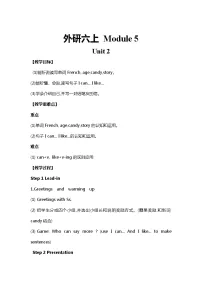
这是一份小学英语冀教版(三起)2024六年级上册(2024)Unit 2 How to solve problemsLesson 1教案及反思,共11页。教案主要包含了学情分析,教材分析,核心素养教学目标,教学重难点,教学过程,课堂小结等内容,欢迎下载使用。
六年级学生已经具备五年多英语学习基础,掌握一般现在时,初步接触一般过去时,具备基础听说认读能力,能够进行简单日常对话交流。本班学生个体差异明显,部分学生敢于开口表达,也有不少学生和课文主人公Mira一样,害怕开口说英语,担心犯错,课堂主动发言意愿不强。学生已经积累一定动词过去式词汇,但对be afraid f ding、practice ding等固定短语掌握不扎实,在真实语境中运用一般过去时描述过去遇到的学习难题以及解决办法的能力较为薄弱。六年级学生思维逐步由具象向抽象过渡,乐于参与情景对话、小组问答活动,对于“遇到困难如何解决”这一贴近自身学习生活的主题具备共情理解能力,适合依托课文对话开展语言学习与品格渗透。
二、教材分析
本课选自冀教版(三起)新版六年级上册Unit2《Hw t slve prblems》第一课时,单元主题为人与自我,聚焦学习生活中的困难与解决策略。本课语篇是李明与Mira的情景对话,课文原文:
Hi, Mira! Yu did a gd jb in tday's English class.
Thanks!
Yu didn't always speak much in English class.
I was afraid f making mistakes.
Hw did yu slve the prblem?
I asked Jenny fr help. We ften talk in English and watch English films tgether.
That's great! What else did yu d?
I als practiced speaking English nline. It helped a lt. I can speak English much better nw.
语篇以Mira英语口语进步为线索,使用一般过去时回顾过去遇到的学习困难、讲述解决问题的多种方法,同时用一般现在时描述现在取得的进步。核心词汇:slve, prblem, mistake, afraid, practice, nline, better;重点短语:d a gd jb, be afraid f making mistakes, ask…fr help, practice speaking English;核心句型:Hw did yu slve the prblem? What else did yu d?。本课既是单元开篇课,承担激活单元主题,学习核心词汇句型、一般过去时在叙事语境中的运用的任务,同时渗透不怕犯错、主动想办法解决学习难题的育人导向,为单元后续阅读、表达输出做好铺垫。教材设置Lk, listen and say主对话板块,搭配Read, write and say练习板块,实现听、读、说、写综合训练。
三、核心素养教学目标
(一)语言能力
能够认读、理解、掌握本课核心词汇、短语,读懂对话语篇,获取Mira英语口语进步的背景、遇到的困难、解决方法、取得的结果等关键信息。
能够正确朗读课文对话,掌握一般过去时否定句、特殊疑问句句式,熟练运用句型Hw did yu slve the prblem? What else did yu d? 询问他人解决问题的方式;掌握be afraid f ding、practice ding固定搭配,区分一般过去时与一般现在时在本篇对话中的使用场景。
能够模仿课文对话结构,口头简单讲述自己曾经遇到的学习难题以及解决办法,做到语音语调基本正确。
(二)文化意识
感受中外学生在语言学习中都会遇到害怕犯错的共性困境,理解语言学习中犯错是正常现象,懂得主动求助、坚持练习是提升语言能力的有效途径,形成正确的语言学习观念。
(三)思维品质
能够梳理对话逻辑,借助表格梳理Mira遇到的问题、采取的措施、收获的结果;能够对比过去与现在的学习状态,分析问题与解决办法之间的因果关系,提升观察、归纳、逻辑叙事的思维能力。
(四)学习能力
学会在对话语篇中抓取关键信息的阅读策略;乐于参与课堂问答、角色扮演活动;建立不怕犯错、主动寻求帮助解决学习困难的学习意识,掌握模仿对话框架进行口语输出的表达方法。
四、教学重难点
教学重点
掌握核心词汇短语:slve, prblem, mistake, afraid, practice, nline, better;d a gd jb, be afraid f making mistakes, ask…fr help, practice speaking English。
掌握核心句型Hw did yu slve the prblem? What else did yu d?,理解一般过去时在描述过去经历中的运用,读懂、熟练朗读课文对话。
教学难点
理解be afraid f + ding、practice + ding动名词固定结构,区分一般过去时和一般现在时在课文语境中的切换使用。
能够仿照课文框架,结合自身真实经历,口头叙述过去遇到的学习问题以及解决办法。
五、教学过程
第一课时(词汇感知、课文听读理解,处理Lk, listen and say主对话板块)
1. 课堂导入,主题激活
教师出示两张情景图片:一张是学生课堂不敢开口回答问题,一张是学生大胆用英语发言。
师:Lk at these tw pictures. What can yu see?
生:Sme students dn’t want t speak. Sme students speak English in class.
师:Yes. In English study, many f us have sme trubles. Smetimes we meet prblems. 板书单词prblem,带领学生拼读,讲解词义“问题,难题”,拓展动词slve,板书slve,领读slve the prblem,翻译“解决问题”。
师:Have yu ever met prblems when yu learn English? Fr example, yu can’t remember wrds, r yu are afraid t speak English. Wh wants t share?
生1:I can’t remember new wrds.
生2:I am afraid t speak English.
师:Many students are afraid f speaking English. Tday we will meet a girl called Mira. She als had this prblem befre, but nw she can speak English better. 板书课题 Lessn1 I can speak English better nw.,带领学生齐读课题,简单讲解better为gd的比较级,含义“更好的”。
设计意图:借助图片和学生真实学习经历导入单元主题,引出prblem、slve、better核心生词,让学生快速进入本课主题,建立文本与生活经验的联结。
2. 新知词汇学习,扫清阅读障碍
教师结合课文语境,依次呈现本课重点词汇短语,结合例句讲解,师生互动问答巩固。
师:Nw let’s learn sme new wrds first. First, mistake. 板书mistake,复数mistakes,make mistakes“犯错误”。
师:When we speak English, smetimes we make mistakes. 提问:Wh can make a sentence with “make mistakes”?
生:I make mistakes in English hmewrk.
师:Great. Next phrase, be afraid f. “害怕……”,注意f后面动词要加‑ing,be afraid f making mistakes,害怕犯错误。板书该短语,反复领读。
师:If yu are afraid f making mistakes, will yu speak English ludly in class?
生:N.
师:Next ne, practice,动词“练习”,practice ding sth,练习做某事,practice speaking English练习说英语。板书practice speaking English。
师:What can we practice after class?
生:I can practice reading English.
师:nline,副词,在网上;ask…fr help,向……寻求帮助。
设计意图:在例句与问答情境中学习词汇短语,重点突破动名词搭配难点,为后续课文对话学习扫清词汇障碍,避免孤立记单词。
3. 初听课文对话,整体感知语篇
师:Nw please lk at the textbk, Lk, listen and say. This is the dialgue between Li Ming and Mira. Let’s listen t the audi fr the first time, please listen carefully and answer tw simple questins:①Wh are talking? ②What’s Mira’s change?
播放课文录音,学生看书听录音。
师:OK, stp. Wh can tell me yur answers?
生1:Li Ming and Mira are talking.
生2:Mira can speak English better nw.
师:Perfect. That is the main idea f this dialgue. Nw we will listen again, and try t find: What was Mira’s prblem befre?
二次播放录音。
师:What was her prblem? Which sentence can tell us?
生:I was afraid f making mistakes.
师:Yes!以前Mira在英语课不敢多说英语,因为害怕犯错误。板书表格,引导学生梳理文本信息:
设计意图:两次分层听录音,从整体大意到细节信息,训练学生听力抓取关键信息的能力,借助表格搭建文本信息框架,降低阅读理解难度。
4. 逐句精讲课文对话,理解文本细节
教师带领学生逐句研读教材原文,结合板书、师问生答,解析句式、时态,结合课本原文逐句讲解。
师:Please fllw me, read the first sentence: Hi, Mira! Yu did a gd jb in tday's English class. 提问:What des “did a gd jb” mean?
生:做得好。
师:Right. d a gd jb表示做得很棒,这里是过去式,d变为did。李明夸奖Mira今天英语课表现很棒。
生齐读句子。
师:Next sentence: Yu didn't always speak much in English class. 提问:Did Mira speak much English class befre?
生:N, she didn’t.
师:didn’t是did nt缩写,一般过去时否定句,表示过去不经常做某事。以前Mira课上不常开口说英语。
师:Mira answers: I was afraid f making mistakes. 请同学们观察,这里be动词用was,为什么?
生:讲过去的事情。
师:Exactly,讲述过去的心理状态,I后面am的过去式是was;be afraid f后面动词要使用ding形式,making mistakes,害怕犯错误。这就是Mira过去遇到的难题,我们把这个信息填进表格。教师板书填写表格第一栏:Mira’s past prblem:She was afraid f making mistakes, s she didn’t speak much in English class.
师:Li Ming asks: Hw did yu slve the prblem? 板书这个核心句型,翻译:你是如何解决这个问题的?注意问句助动词用did,用来询问过去如何处理问题。请大家齐读这个问句。
学生齐读。
师:Nw, let’s find Mira’s answers. What did she d first? Read the sentence: I asked Jenny fr help. We ften talk in English and watch English films tgether.
师:ask…fr help,向……寻求帮助。Mira向Jenny求助,她们一起用英语交谈,看英文电影。这是第一个解决办法,填入表格。
师:Li Ming says: That's great! What else did yu d?板书句型What else did yu d?,翻译:你还做了什么?else此处表示“其他的,另外的”,继续追问过去还做过哪些事。
师:What else did Mira d? Let’s read:I als practiced speaking English nline. It helped a lt.
师:practice speaking,practice后面动词加‑ing,练习说英语;nline在网上;helped a lt帮助很大。这是第二个解决办法,填入表格。
师:Lk at the last sentence:I can speak English much better nw. 提问:Why can she speak better nw?
生:Because she did many things t slve her prblem.
师:Yes!Nw we fill in the result。表格Result nw:She can speak English much better nw。
完整表格展示给学生,完整梳理Mira故事脉络。
设计意图:依托教材原文逐句解析,落实词汇、时态、句型知识点,通过持续师生问答推进文本解读,表格可视化梳理语篇逻辑,区分一般过去时描述过去困难、过去行动,一般现在时描述现在结果,突破本课语法重点。
5. 跟读课文,分层朗读训练
师:Nw let’s fllw the audi sentence by sentence. Pay attentin t prnunciatin and intnatin.
播放音频,学生逐句跟读课文对话。
师:Nw read the dialgue in tw grups. Grup1 acts as Li Ming, Grup2 acts as Mira. Let’s read the whle dialgue tgether.
学生分组分角色齐读对话。
师:Wh wants t read in pairs in frnt f class? Yu can lk at yur bk.
邀请2‑3组学生分角色朗读课文对话,教师纠正读音、停顿。
设计意图:模仿录音跟读,分组分角色朗读,夯实课文朗读,内化对话语言,为第二课时的语言输出做好铺垫。
6. 第一课时小结
师:In this class, we learn new wrds and phrases, we read the dialgue. We knw Mira’s prblem, her ways and her result. Wh can retell the stry by using ur chart?
学生借助板书表格简单复述故事主干。
师:Remember,when we meet prblems,dn’t be afraid f making mistakes. We can find ways t slve them。
第二课时(巩固句型、Read, write and say板块学习,语言内化输出)
1. 复习回顾,唤醒旧知
教师出示上节课填写的信息表格。
师:Lk at this chart. Let’s review the dialgue. Wh can tell me:What was Mira’s prblem?
生:She was afraid f making mistakes. She didn’t speak much in English class.
师:Hw did she slve the prblem?
生:She asked Jenny fr help. They talked in English and watched English films. She als practiced speaking English nline.
师:What’s the result?
生:She can speak English much better nw.
师:Very gd. Nw let’s recite the tw key sentences tgether:Hw did yu slve the prblem? What else did yu d?
全班齐读核心问句。
师:Nw let’s review imprtant phrases tgether,教师板书短语,学生集体认读翻译:d a gd jb;be afraid f making mistakes;ask…fr help;practice speaking English。教师随机提问,抽查学生掌握情况。
师:Questin:Why d we use “did” in these sentences?
生:Because we talk abut things in the past.
师:Yes,询问过去做的事,问句要借助助动词did。
设计意图:借助表格回顾上节课课文对话内容,复习核心句型短语,再次巩固一般过去时问句结构,为本课时输出练习搭建语言支架。
2. 回归教材Read, write and say板块学习
师:Turn t yur textbk, lk at Read, write and say part. This part helps us use the wrds and sentences we learned.教师展示教材板块内容,讲解本板块任务:读懂小语段,完成填空,再口头说一说。
出示板块文本素材:
Befre, I ____ afraid f speaking English. I didn’t speak much in class. My teacher tld me dn’t be afraid f ____ mistakes. I ____ my friend fr help. We ____ English tgether. I als ____ speaking English nline. Nw I can speak English much ____.
师:Please lk at this shrt passage. It is similar t Mira’s stry. It tells a student’s English learning stry. Let’s read it silently first, think abut which wrds we can fill in the blanks.
学生默读语段,独立思考填空内容。
师:Nw let’s d it ne by ne. Number ne:Befre, I ____ afraid f speaking English. 讲述过去,I的be动词过去式?
生:was。
师:第二空:dn’t be afraid f ____ mistakes。be afraid f后动词用ding形式?
生:making。
师:第三空 I ____ my friend fr help。ask…fr help,过去式?
生:asked。
师:第四空 We ____ English tgether,结合课文语境,练习说英语。
生:practiced。
师:第五空 I als ____ speaking English nline。
生:practiced。
师:最后一空 Nw I can speak English much ____.
生:better。
师生共同核对完整填空答案,学生把完整答案填写在课本上。
师:Nw read the full shrt passage tgether.
全班齐读完整语段。
师:Wh can read it alne? 点名学生朗读。
设计意图:紧扣教材Read, write and say板块,依托和课文主题一致的语篇,训练学生对本课短语、动词过去式、动名词结构的书面运用,实现从对话阅读到简短语段读写过渡。
3. 句型操练,情景问答练习
教师创设情景,依托课文核心句型开展师生问答,之后过渡生生问答。
师:Nw we will practice ur key sentences. Suppse yu met sme study prblems befre. I will ask yu questins. Yu answer me.
师提问学生A:What prblem did yu have befre?
学生A:I culdn’t remember English wrds.
师:Hw did yu slve the prblem?
学生A:I read wrds every mrning.
师:What else did yu d?
学生A:I wrte wrds in my ntebk.
师:Great. Nw wrk in pairs. Use these sentences:What prblem did yu have befre? Hw did yu slve the prblem? What else did yu d? Yu can talk abut yur English study prblems r ther subjects.
学生两人一组,参照课文对话框架开展问答练习,教师巡视课堂,倾听小组对话,适时点拨,提醒学生注意动词过去式变化,注意be afraid f ding、practice ding的用法。
挑选几组学生进行课堂展示对话。
生1:What prblem did yu have befre?
生2:I was afraid f reading English ludly.
生1:Hw did yu slve the prblem?
生2:I asked my deskmate fr help. We read English tgether.
生1:What else did yu d?
生2:I practiced reading English every evening.
设计意图:迁移课文对话框架,把课文语言转化为学生自己可以使用的交际语言,实现语言从输入到输出,落实本课语言运用目标。
4. 文本对比辨析,突破语法难点
教师板书两组句子,引导学生对比课文原句,区分时态与动名词结构。
① I was afraid f making mistakes.(过去害怕犯错误)
② I am afraid f making mistakes.(现在害怕犯错误)
师:Please lk at these tw sentences. What is different?
生:was和am。
师:Right,was讲过去,am讲现在;但是f后面都用making,记住:be afraid f + ding sth。
再出示两组句子:
① I practiced speaking English nline.(过去练习)
② I practice speaking English every day.(现在练习)
师:What can yu find?
生:practice后面都加speaking。
师:Yes!不管什么时态,practice后面动词都要加‑ing。
再对比课文中问句:
Hw did yu slve the prblem?(询问过去)
Hw d yu slve yur prblem?(询问现在)
师:When we talk abut things happened in the past,we use did;talk abut nw,we use d。请同学们结合课文对话,再次体会课文里面什么时候用一般过去时,什么时候用一般现在时。Mira讲述过去遇到的困难、过去采取的行动,全部用一般过去式;描述现在的结果I can speak English much better nw,用一般现在时。
设计意图:针对本课语法难点做对比辨析,结合课文原句,帮助学生理清动名词搭配规则和时态切换逻辑,化解教学难点。
5. 依托课文框架,口头复述小故事
师:Nw please try t retell Mira’s whle stry withut reading the bk. Yu can use the chart we wrte n the blackbard as yur hint。
给学生时间准备,学生借助板书表格复述课文故事。
生:Befre, Mira didn’t speak much English in class. She was afraid f making mistakes. She asked Jenny fr help. They talked in English and watched English films tgether. She als practiced speaking English nline. Nw she can speak English much better.
教师针对复述内容做简单纠错引导。
师:Excellent. Yu can als try t tell yur wn stry, like Mira. Talk abut yur ld prblem and yur ways t slve it.
请2‑3名学生尝试口头讲述自己的小故事。
设计意图:复述课文,内化文本;迁移到讲述自身经历,落实本课综合语言输出,呼应单元主题“hw t slve prblems”。
六、课堂小结
两课时整体小结:本节课我们学习Unit2 Lessn1《I can speak English better nw》,通过李明和Mira的对话,读懂Mira克服不敢开口说英语的学习难题的完整故事。我们掌握slve, prblem, mistake, afraid, practice, nline, better核心词汇,掌握d a gd jb、be afraid f making mistakes、ask…fr help、practice speaking English重点短语;熟练掌握核心句型Hw did yu slve the prblem? What else did yu d?;理解be afraid f ding、practice ding后接动名词的用法,能够区分对话中一般过去时描述过去经历、一般现在时描述当下结果的语境用法。通过学习Mira的故事,我们懂得学习遇到困难、犯错误都是很正常的,不要畏惧难题,我们可以主动寻求帮助、坚持练习,找到合适方法解决自己学习中遇到的各类问题。
Mira’s past prblem
Ways t slve the prblem
Result nw
这是一份小学英语冀教版(三起)2024六年级上册(2024)Unit 2 How to solve problemsLesson 1教案及反思,共11页。教案主要包含了学情分析,教材分析,核心素养教学目标,教学重难点,教学过程,课堂小结等内容,欢迎下载使用。
这是一份小学英语冀教版(三起)2024六年级上册(2024)Lesson 2教案,共11页。教案主要包含了学情分析,教材分析,核心素养教学目标,教学重难点,教学过程,课堂小结等内容,欢迎下载使用。
这是一份北师大版(2024)四年级下册(2024)Lesson 2教学设计,共4页。
 新教材
新教材
注册成功
资料篮

在线客服
添加在线客服
获取1对1服务
官方微信
关注“教习网”公众号
打开微信就能找资料
赛课定制
添加在线客服
获取1对1定制服务
职称咨询
添加在线客服
获取1V1专业指导服务

免费福利

添加在线客服
领取免费福利


.png)