 免费领取教师福利

若您为此资料的原创作者,认为该资料内容侵犯了您的知识产权,请扫码添加我们的相关工作人员,我们尽可能的保护您的合法权益。


这是一份小学人教版PEP(2024)Part A一等奖表格教学设计,共5页。
课时安排
共6课时
第1课时
教学内容
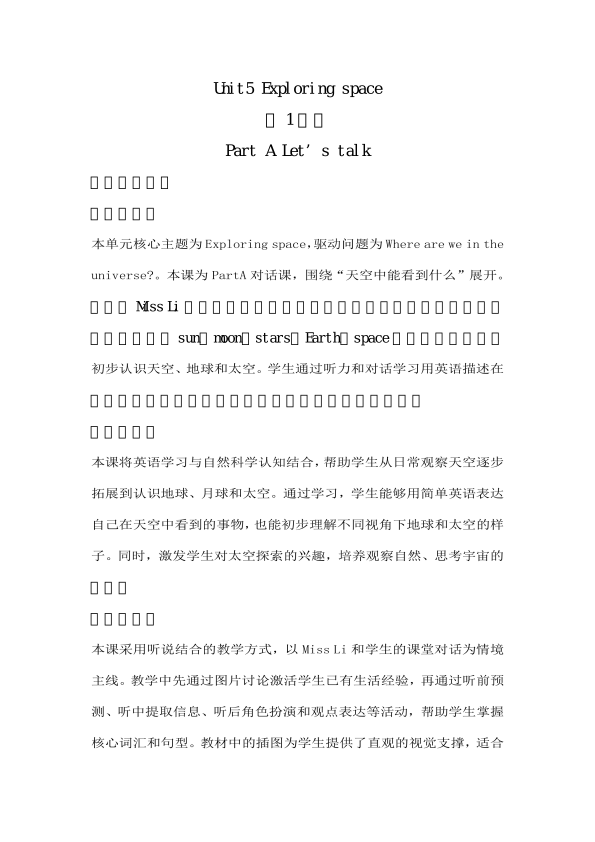
Unit 5 - Part A What can we see in the sky?
教学目标
☆语言知识目标
词汇:掌握相关的词汇(标粗的是需要学生做到听说读的二级词),如planet, earth, sky, daytime, clud, mn, star, space, uter space, space statin, cean, marble, satellite。
句型:What can yu see in the sky?
I can see...
At night/in the daytime, we can see...
... travels arund...
☆思维&情感&文化目标
1.思维品质:培养观察、对比和归纳能力,能区分白天与夜晚天空中的不同事物
2.情感态度:激发对宇宙、地球的好奇心与探索欲,树立保护地球家园的意识
3.文化意识:了解中国航天成就(如 “天宫课堂”),感受人类探索太空的精神
教学重难点
重点:掌握核心词汇与询问、描述天空事物的句型
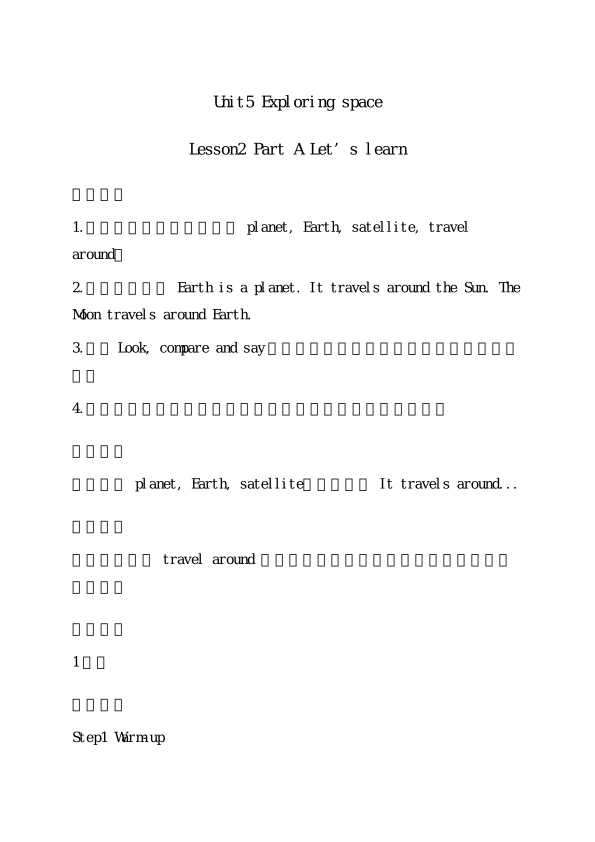
能理解地球、月球、卫星的运行关系(Earth travels arund the Sun; Mn travels arund Earth)
难点:准确运用句型描述不同场景(白天 / 夜晚、地球 / 太空视角)下的视觉景象
理解并表达 “从不同视角(hill/plane/Mn)能看到的事物” 的差异
教学准备
多媒体课件:包含 “天宫课堂” 图片、地球 / 月球 / 卫星动态示意图、星空视频
单词卡片:Earth, Sun, Mn, star, satellite, planet, cean, muntain
小组活动材料:空白画纸、彩笔
音频材料:Let’s talk 对话音频、Listen and sing 歌曲音频
教学过程
一、Warm-up & Lead-in(热身导入)
1.情境引入
播放 “天宫课堂” 短视频片段,提问:What can yu see in the vide? Where are the astrnauts?
板书课题:Unit 5 Explring space Part A What can we see in the sky?,带领学生齐读课题
2.语言铺垫:
出示星空、太阳、云朵图片,引导学生用简单词汇回答:I can see the Sun/stars/cluds...
二、Presentatin & Practice
Let’s talk
1.引入
播放 Let’s talk 对话音频,让学生完成听力选择题:
What class will Mrs Green have this afternn? (B. Science)
Where was Mr Liu befre? (A. On the space statin)
核对答案后,再次播放音频,让学生跟读对话,感知对话情境
2.语言表达呈现
精读对话,提取核心句型与词汇:
What can yu see in the sky?
In the daytime/At night, we can see...
核心词汇:Earth, Sun, Mn, star, clud, cean, muntain
3.重点讲解
对比讲解:
白天:We can see the Sun, cluds, birds, planes...
夜晚:We can see the Mn and the stars...
文化拓展:介绍 “Blue Planet/Mther Earth” 的别称,联系 “天宫课堂” 中从太空看地球的景象
4.练习——游戏:“我是小小观察员”
两人一组,一人扮演 “白天观察员”,一人扮演 “夜晚观察员”
用句型 At night, I can see... / In the daytime, I can see... 进行对话,比比谁描述的事物更多
Chse and talk
1.引入
出示三张图片:frm a hill, frm a plane, frm the Mn,提问:What can yu see frm the hill/plane/Mn?
引导学生观察图片差异,感知 “视角不同,看到的事物不同”
2.语言表达呈现
呈现范例句型:What can yu see
I can see...
补充词汇:building, river, city, sea, Earth
3.重点讲解
强调介词 frm 的用法:表示 “从……(视角)”
对比不同视角:frm a hill: buildings, trees, rivers...
frm a plane: cluds, muntains, cities...
frm the Mn: Earth (a big blue marble)...
4.练习——活动:“画一画,说一说”
4 人一组,选择一个视角(hill/plane/Mn),合作画一幅景象图
每组派代表用句型 We can see... frm... 介绍自己的画作
Let’s learn
1.引入
出示地球、月球、卫星的动态示意图,提问:What is Earth? What travels arund Earth?
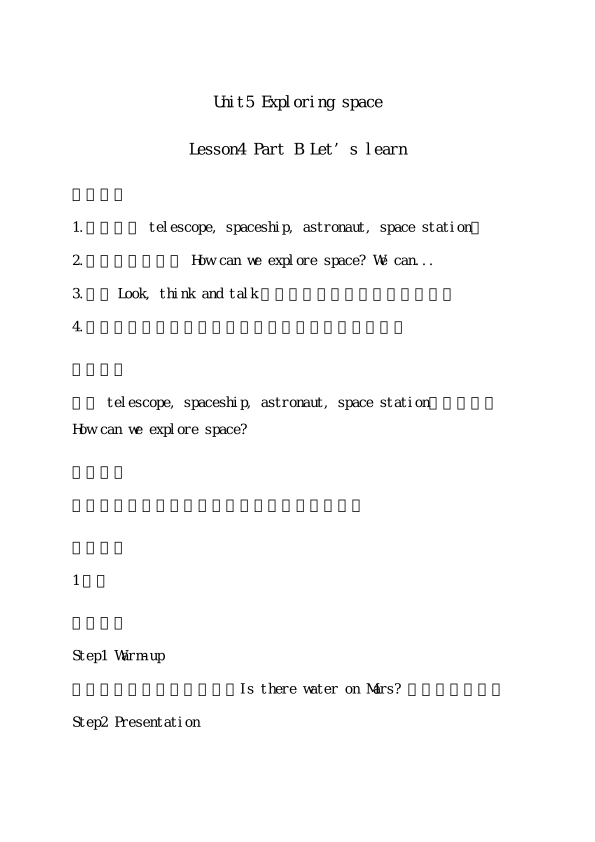
引出核心词汇:planet, neighbur, travel arund, satellite
2.语言表达呈现
朗读句子:Hi, I’m Earth. I’m a planet. I travel arund the Sun.
The Mn is my neighbur. It travels arund me t.
Satellites travel arund me.
3.重点讲解
梳理天体运行关系:Earth → travels arund the Sun
Mn → travels arund Earth
Satellite → travels arund Earth
语音渗透:带读 star, Mars, park 等词,感知 ar 发音 /ɑː/
4.练习
chant 巩固:Earth, Earth, a big blue planet.Travels, travels, arund the Sun.Mn, Mn, my little neighbur.Travels, travels, arund me, t!
角色扮演:一人扮演 Earth,一人扮演 Mn,用句型 I travel arund... / Yu travel arund... 进行对话
Lk, cmpare and say
1.引入
出示两张对比图:夜晚星空图、白天热气球图,提问:What can yu see in these tw pictures?
引导学生对比白天与夜晚的视觉差异
2.语言表达呈现
呈现完整句型:
At night, we can see the Mn and the stars frm Earth. We can see sme planets t.
In the daytime, we can see the Sun, cluds, planes, ballns...
3.重点讲解
对比归纳:
时间
能看到的事物
白天
Sun, cluds, birds, planes, ballns...
夜晚
Mn, stars, planets...
强调 frm Earth 的视角限定,拓展 frm space 能看到的景象(如地球全貌)
4.练习(Class game: “Spt the difference”)
全班分为两组,轮流说出白天 / 夜晚能看到的事物,不能重复
说出最多且正确的小组获胜,强化句型运用
三、Summary & Prductin
结合单元开篇 “Write, cmpare and share” 任务:
让学生写下 3 个关于太空的事实(如Earth is a blue planet. The Mn travels arund Earth.)
两人一组对比事实,选出最有趣的 2 个
邀请几组学生向全班分享
板书设计
Unit 5 Explring space Part A What can we see in the sky?
Vcabulary: planet, earth, sky, daytime, clud, mn, star, space, uter space, space statin, cean, marble, satellite
Sentences: What can yu see in the sky?
I can see...
At night/In the daytime...
... travels arund...
Facts: Earth → Sun
Mn → Earth
Satellite → Earth
作业设计
1.基础作业:抄写核心词汇(各 3 遍),并给家长朗读 Let’s talk 对话
2.拓展作业:画一幅 “我眼中的太空”,并用 3 句话描述画中的事物(如I can see Earth and the Mn. The Mn travels arund Earth.)
3.实践作业:和家长一起观察夜晚的天空,记录看到的事物,下次课分享
教学反思
1.成功之处
以 “天宫课堂” 情境导入,有效激发了学生的学习兴趣和民族自豪感;游戏化、活动化的练习形式(如 “小小观察员”“画一画说一说”)让学生在玩中学,提升了参与度;分层设计的教学环节,符合学生认知规律,帮助学生逐步掌握词汇与句型
2.不足之处
部分学生对 satellite 等较难词汇的发音掌握不扎实,需课后加强跟读练习;“Lk, cmpare and say” 板块的时间分配稍紧,部分小组未能充分完成对比表达;对学困生的个别指导不足,需在小组活动中增加互助环节
3.改进方向
下次课增加 5 分钟词汇跟读环节,重点突破难词发音;优化时间分配,给拓展练习预留更充足的时间;设计 “小老师” 互助机制,让优等生帮助学困生完成对话与表达
这是一份小学人教版PEP(2024)Part A一等奖表格教学设计,共5页。
这是一份小学英语人教版PEP(2024)六年级上册(2024)Part A教学设计,共11页。
这是一份人教版PEP(2024)六年级上册(2024)Unit 5 Exploring spacePart B教案,共11页。
 新教材
新教材
注册成功
资料篮

在线客服
添加在线客服
获取1对1服务
官方微信
关注“教习网”公众号
打开微信就能找资料
赛课定制
添加在线客服
获取1对1定制服务
职称咨询
添加在线客服
获取1V1专业指导服务

免费福利

.png)
.png)
