 免费领取教师福利
若您为此资料的原创作者,认为该资料内容侵犯了您的知识产权,请扫码添加我们的相关工作人员,我们尽可能的保护您的合法权益。


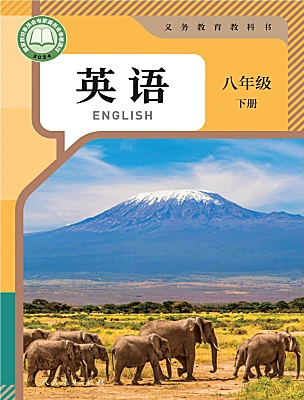
这是一份八年级下册英语专项复习(一) 语法填空 课件(内嵌视频)2025-2026学年人教版八年级英语下册,共18页。
Lead in八年级下册英语专项复习(一)语法填空八下英语RJ Do you often feel tired at school? Maybe you need to learn how to relax better. Many students feel stressed because of too much homework and exams. It’s important to find a good way to (1) (relax) after studying. Last week, I asked my classmates about their favorite (2) (relax) activities. Here are the results: Tom likes (3) (play) basketball. He says playing sports makes him feel (4) (relax). Lucy prefers listening to music. She thinks music helps her (5) (forget) her problems. I enjoy reading books. It’s a good way to take my mind off (6) (stress) things. However, some students don’t know how to relax. They usually sit in front of the computer for hours, (7) (play) games or watching TV. That’s not good for their eyes or health.My teacher often tells us: “You (8) (should) study hard, but you (9) (must) also relax. Otherwise, you’ll get sick easily.”So, remember: It’s okay to take a break! You can try (10) (do) something you love every day, like drawing, dancing, or walking.阅读下面短文,在空白处填入适当的单词或括号内单词的正确形式Review of Unit1 relaxrelaxingplayingrelaxed(to) forgetstressfulplayingshouldmustdoing重点语法点回顾: 情态动词 should/could/must: 提建议或强调必要性动名词作宾语: like doing, enjoy doing, try doing, take off one’s mind off doing形容词辨析: relaxing(物)vs. relaxed(人),stressful(有压力的)固定搭配: take a break, take one’s mind off sth.Fun timeReview of Unit2 Health is very important for everyone. To stay healthy, we need to develop good habits. First, we should (1) (eat) healthy food every day. For example, fruits and vegetables are rich in vitamins, so we should eat them (2) (much) than meat. Second, doing exercise is also necessary. You can play sports like running, swimming, or (3) (ride) a bike. It’s great to spend at least 30 minutes (4) (exercise) every day. What’s more, getting enough sleep is essential. Many students don’t get enough sleep because they stay up late (5) (study) or play games. It’s important (6) (sleep) for 8-9 hours every night. If you don’t sleep well, you (7) (feel) tired and might get sick easily. Finally, we need to stay away from bad habits. Smoking and drinking alcohol (8) (be) harmful to health. We should also try (9) (relax) ourselves. Listening to music or chatting with friends can help.In short, by (10) (keep) these habits, we can stay healthy and happy. Remember, health is wealth!阅读下面短文,在空白处填入适当的单词或括号内单词的正确形式eatmoreridingexercisingstudyingto sleepwill feelareto relaxkeeping核心语法点总结 —— 情态动词:should, need, must 等后接动词原形比较级:由 than 引导的比较级(如 more, less, better 等)动名词/现在分词:like, spend, by 等词后接动名词;分词作状语不定式:It’s + adj. + to do sth. / try to do sth. 等固定句型条件状语从句:if 从句用一般现在时,主句用一般将来时Fun timeReview of Unit3阅读下面短文,在空白处填入适当的单词或括号内单词的正确形式 Growing up is not always easy. There are many lessons we learn (1) (experience). My parents often told me, "The harder you work, the luckier you will be." But I didn’t understand this until I started middle school. When I was 13, I (2) (feel) nervous about joining the school basketball team. I was smaller than most players and (3) (not be) very fast. My coach encouraged me, "You can do it if you believe in yourself." I practiced every day, even (4) (early) than others. Gradually, I became stronger and faster. (5) (look) back now, I realize that challenges can help us grow. Last year, I failed a math exam. Instead of giving up, I asked my teacher for help and studied harder. I still remember how proud I felt when I got an A on the next test!Now, I understand that growing up means (6) (face) problems bravely and learning from them. My parents were right: hard work (7) (pay off). I hope to be a better person (8) the future, and I will keep learning new things. 附加: When I was 10, I (9) (already learn) to ride a bike without training wheels. My dad once said, "You (10) (not give up) so easily!" Now, I use this lesson to face new challenges.to experiencefeltwasn’tearlierLookingfacingpays offinhad already learnedshouldn’t give up核心语法总结 —— 不定式:作目的状语(to do)、主语(It is + adj. + to do);比较级:the + 比较级..., the + 比较级...(越...越...);现在分词:作伴随状语 (doing)、介词后接动名词 (如 look back, mean doing);情态动词:should, must, need 等后接动词原形,表达建议或必要性;过去完成时:表示“在过去某个时间之前已完成的动作”。Fun timeReview of Unit4阅读下面短文,在空白处填入适当的单词或括号内单词的正确形式Nature is full of amazing (1) (wonder). From towering mountains to vast oceans, there are countless sights that take our breath away.Mount Everest, the world’s highest peak, (2) (discover) by Sir Edmund Hillary in 1953. Standing at 8,848 meters, it’s taller than any other mountain on Earth. The Yangtze River, one of China’s longest rivers, (3) (flow) through 11 provinces and cities. It’s not only a source of water but also a home to many rare species. Have you ever seen the Northern Lights? These colorful lights dance across the sky (4) the polar regions. They are formed (5) charged particles from the sun collide with Earth’s atmosphere. Scientists say this phenomenon (6) (study) for centuries, but there’s still much to learn! (7) beautiful nature is, we must protect it. Many animals are losing their habitats due to pollution and deforestation. We should plant more trees and reduce waste. Only by doing so can we ensure that future generations (8) (can) enjoy these wonders too.附加:The Amazon rainforest is (9) (large) than any other rainforest in the world. It (10) (cover) over 5.5 million square kilometers.We (11) (not visit) Mount Qomolangma yet, but we hope to go there next year.The old temple (12) (build) hundreds of years ago and still stands tall today.wonderswas discoveredflowsinwhenhas been studiedAlthough/ Thoughcanlargercovershaven’t visitedwas built核心语法总结 —— 被动语态: be + 过去分词(如 was discovered, has been studied)比较级:形容词比较级 + than (如 larger, taller); 现在完成时:have/has + 过去分词 (如 haven’t visited)介词与连词:in(地点)、when(时间)、although(让步)Fun timeReview of Unit5阅读下面短文,在空白处填入适当的单词或括号内单词的正确形式 Nature’s power is often beyond our control. Storms, floods, and earthquakes are examples of (1) (nature) disasters that can cause great damage. Last month, a severe flood hit our town. Many houses (2) (destroy) by the rising water. However, help (3) (send) quickly by the government and volunteers. They provided food, shelter, and medical care for those in need. Earthquakes are even more terrifying. Scientists say buildings (4) (build) with stronger materials can better withstand shocks. For instance, the 2008 Sichuan earthquake taught us that preparedness (5) (be) key. We should learn first-aid skills and know how to protect ourselves during emergencies. (6) naturecan be fierce, it also reminds us of its beauty. The rainbow after a storm, the quiet of a snowfall—these moments make us grateful for life. We must respect nature and learn to live in harmony(和谐) with it. Otherwise, we (7) (face) more disasters if we keep ignoring(忽视) its warnings.附加:The local park (8) (should / shouldn’t) be turned into a flood-resistance area.Scientists (9) (have discovered / are discovering) new ways to predict natural disasters.naturalwere destroyedwas sentbuiltisAlthoughwill faceshouldhave discovered核心语法点总结 —— 被动语态: 一般过去时:was/were + 过去分词(如 were destroyed, was sent); 现在完成时:has/have + been + 过去分词(如 have discovered); 比较级:隐含比较(如 stronger materials),需注意形容词比较级变化; 情态动词:should 表建议(should be done),must 表必要性; 连词:although/though 引导让步状语从句,表“尽管”。Fun timeReview of Unit6阅读下面短文,在空白处填入适当的单词或括号内单词的正确形式 Different countries have different customs. When you visit a foreign country, you (1) learn about their table manners first. For example, in Japan, you (2) use chopsticks properly. You shouldn’t stick them (3) (in/on) your food. In India, people usually eat (4) their right hands because the left hand is considered dirty. Have you (5) been to a country where people bow instead of shaking hands? My cousin (6) (go) to France last summer and he learned many cultural differences there.He told me that French people often greet each other (7) a kiss on both cheeks, (8) (especial) when meeting friends. When you are invited to a dinner party in the US, you (9) (suppose) to arrive on time or a few minutes late. Remember: (10) (cross) cultures can be fun, but it’s important to respect others’ ways of life.shouldmustinwitheverwentwithespeciallyare supposedCrossing重点语法点回顾 —— 情态动词 should/must:提建议或强调行为的必要性; 现在完成时:have been to(去过某地,已回)vs. have gone to(去了某地,未回),此处用 have you ever been to... ; 介词搭配:with (用)、in (插入)、on (在……表面)、across (穿过); 动名词作主语:Crossing cultures 中,crossing是动名词,作句子主语Fun timeReview of Unit7阅读下面短文,在空白处填入适当的单词或括号内单词的正确形式 Reading is a good way to relax. I (1) (read) Treasure Island since last month, and I (2) (finish) it yet. Have you ever read Little Women? It’s one of my favorite books. It (3) (write) by Louisa May Alcott in 1868. The book tells the story of four sisters (4) (be) brave and kind. I think Robinson Crusoe is (5) (interesting) book I’ve ever read. It’s full of adventure! When I read, I always take notes (6) (that) I can remember the key ideas later. (7) you ever read a book more than once? I have! The Old Man and the Sea is so inspiring that I (8) (read) it twice already. Some people say, “You (9) read more books about science, but I prefer novels. They make me feel (10) (happy) than science books!”have been readinghaven’t finishedwas writtenwho arethe most interestingso thatHavehave readshouldhappier重点语法点回顾 —— 现在完成时: 持续动作:have been reading(since...); 完成动作:haven’t finished(yet);重复动作:have read(already/twice); 被动语态:be + 过去分词(was written),强调动作的承受者;定语从句:who/that 指代人,which/that 指代物,此处先行词是“人”,用 who;比较级与最高级: 最高级:the most + 多音节形容词(interesting→most interesting); 比较级:形容词 + er(happy→happier)Fun timeReview of Unit8阅读下面短文,在空白处填入适当的单词或括号内单词的正确形式 Everyone can (1) (make) a difference to the world. Last week, I (2) (join) a volunteer group to clean up the park near my home. We (3) (collect) more than 200 plastic bottles and 50 bags of litter by noon(到中午为止). It was tiring, but we felt (4) (proud)of what we did. Our teacher often says, “Small steps (5) (lead) to big changes.” For example, if we (6) (not recycle) paper, more trees will be cut down. I (7) (already start) a “Book Exchange” club at school. Now students can share books instead of (8) (buy) new ones. If you want to help others, you (9) (can) start with small things, like (10) (plant) a tree or helping the elderly cross the street.makejoinedhad collectedproudleaddon’t recyclehave already startedbuyingcanplanting重点语法点回顾 —— 现在完成时:强调过去动作对现在的影响:have already started(已开始并持续影响);过去完成时:had collected(到过去某个时间点已完成);情态动词 can/must/should:can 表“能力/许可”,must 表“必须”,should 表“建议”(本单元未涉及,但可拓展);动词不定式 vs. 动名词: instead of 后接动名词(buying),like 后接动名词(planting)表举例;条件状语从句:if 引导的从句用一般现在时表将来(don’t recycle...);Goodbye
注册成功
资料篮

在线客服
添加在线客服
获取1对1服务
官方微信
关注“教习网”公众号
打开微信就能找资料
赛课定制
添加在线客服
获取1对1定制服务
职称咨询
添加在线客服
获取1V1专业指导服务

免费福利

.png)
.png)
.png)
