 免费领取教师福利

若您为此资料的原创作者,认为该资料内容侵犯了您的知识产权,请扫码添加我们的相关工作人员,我们尽可能的保护您的合法权益。


这是一份新人教版初中英语八下Unit 6 单元单词讲解-课件,共84页。
Crossing CulturesHow different are our cultures?单元词汇讲解shake【常见搭配】 shake hands (with)(与…握手) shake one’s head(摇头) shake with fear(吓得发抖)【原文例句】 We usually just say “hello” or shake hands in the US.【中考考点】 不规则动词:shake – shook – shaken。 短语 shake hands 中的 hands 用复数。与(某人)握手;摇动 v. (shook, shaken)②cn.奶昔(是一种用牛奶,冰激凌和水果或巧克力做成的饮料)奶昔a milk shakebow【常见搭配】 bow to sb(向某人鞠躬) take a bow(鞠躬答谢)【原文例句】 In Japan, we bow as soon as we meet a teacher.【中考考点】 一词多性:动词和名词。 注意发音:作“鞠躬”时读 /baʊ/;作“弓”或“蝴蝶结”时读 /bəʊ/。鞠躬 v. & n.bump/bʌmp/v. 碰;撞;n. 碰撞(撞击造成的)肿块Be careful not to bump your head on the wall.当心别撞到墙。①vt.(尤指身体部位)碰;撞②vi.撞;碰(常与介词against, into连用)He bumped against the door.他撞到门上了。We heard a bump in the next room.我们听到隔壁房间发出一声撞击声。③cn.碰撞(声);(撞击造成的)肿块撞上;偶然碰见bump into...撞到墙上bump against the wallfist 【常见搭配】 clench one’s fist(握紧拳头) bump fists(碰拳问候)【原文例句】 Match the greetings with the pictures: bump fists.【中考考点】 可数名词。 与动词搭配:make a fist(握拳)。拳头 n.碰拳bump fists用拳头打某人hit sb with a fist rub 【常见搭配】 rub one’s eyes(揉眼睛) rub shoulders with(与…有交往)【原文例句】 Match the greetings with the pictures: rub noses.【中考考点】 动词,过去式、过去分词:rubbed。摩擦;揉 v.cheek/tʃiːk/n. 脸颊摸某人的脸颊touch sb's cheek1. 在法国,我们亲吻朋友的脸颊来打招呼!红红的脸颊red cheeksIn France, we kiss friends on the cheek to say hello!The little girl had red cheeks after running.2. 小女孩跑后有红红的脸颊。cheek【常见搭配】 rosy cheeks(红润的脸颊) cheek to cheek(脸贴脸)【原文例句】 In France we kiss friends on the cheek to say hello!【中考考点】 可数名词,常用复数。 固定短语:turn the other cheek(容忍,不予回击)。脸颊 n.hug【常见搭配】 give sb a hug(给某人一个拥抱) hug each other(互相拥抱)【原文例句】 We hug sometimes, but we don’t usually kiss to say hello.【中考考点】 一词多性:动词和名词。拥抱 v. & n.embarrassed【常见搭配】 feel embarrassed(感到尴尬) an embarrassed smile(尴尬的微笑)【原文例句】 Don’t look so embarrassed!【中考考点】 形容词,描述人的感受。 动词形式:embarrass(使尴尬)。尴尬的 adj. embarrassed adj. 尴尬的拓展:相关词形变化embarrass vt.使困窘;使局促不安embarrassing adj.使人难堪的;令人尴尬的用法:用于描述事物,表示某件事或某个行为令人感到尴尬。(可作定语或表语,主语通常是事物。)用法:用于描述人的感受,表示某人自己感到尴尬。(常作表语,主语通常是人。)1.当我犯了一个错误时,我感到很尴尬。I was ____________ when I made a mistake.embarrassed2.那是一个令人尴尬的场面。That was an _____________ situation.embarrassing3.他不想通过提问使她难堪。He didn’t want to __________ her by asking questions.embarrassconfused/kənˈfjuːzd/adj. 困惑的对...困惑be confused about ...1. 面对复杂的题目,他感到很困惑。He felt confused when facing the difficult problem.I am confused about this grammar point.2. 我对这个语法点感到困惑。感到/看起来/变得困惑feel/look/get confusedconfused adj. 困惑的拓展:相关词形变化confuse v. 使困惑;混淆confusing adj. 令人困惑的1.他看着这道题,看起来很困惑。He looked at the problem and looked ___________.confused2.不要把这两个单词弄混。Don't ___________ these two words with each other.confuse3.这是一个令人困惑的问题。This is a ____________ question.confusing把A和B弄混confuse A with B事物/情况让人困惑(修饰事/物)人感到困惑、迷茫(修饰人)formal /ˈfɔːml/adj. 正式的不够正式not formal enough1. 这种场合穿西装太正式了。正式服装formal clothesWearing a suit is too formal for this occasion.We need to wear formal clothes at a wedding.2. 参加婚礼要穿正式服装。正式会议a formal meetingformal 【常见搭配】 formal language(正式用语) formal occasion(正式场合)【原文例句】 We don’t / never … because it’s too formal / not formal enough.【中考考点】 形容词,反义词:informal(非正式的)。正式的 adj.curry【常见搭配】 chicken curry(咖喱鸡) eat curry(吃咖喱)【原文例句】 People in India often eat a lot of curry.【中考考点】 不可数名词,指一类菜肴。咖喱菜 n. rude【常见搭配】 be rude to sb(对某人粗鲁) a rude remark(粗鲁的言论)【原文例句】 It is rude / polite to give or take things with your left hand.【中考考点】 形容词,反义词:polite(有礼貌的)。粗鲁的 adj. uncommon【常见搭配】 an uncommon sight(罕见的景象)【原文例句】 Dishes with beef are common / uncommon.【中考考点】 形容词,由 common(常见的)加否定前缀 un构成。罕见的;不寻常的 adj.uncommon adj. 罕见的;不寻常的拓展:相关词形变化common adj. 常见的;共同的1.我们有很多共同爱好。We have many hobbies in common.2.这是一个常见错误。This is a common mistake. 有共同之处have sth in common常见错误a common mistakepalm【常见搭配】 palm tree(棕榈树) read one’s palm(看手相)【原文例句】 They press their palms together, bow, and say, “Namaste.”【中考考点】 可数名词。手掌 n.双手合十press their palms together拍手clap one's palmsnamaste【常见搭配】 say “namaste”【原文例句】 They press their palms together, bow, and say, “Namaste.”【中考考点】 专有名词,了解其文化背景即可。有礼了(印度人行合十礼时口中所念之词) interj.fork 【常见搭配】 knife and fork(刀叉) a fork in the road(岔路口)【原文例句】 They seldom eat with a knife and fork.【中考考点】 可数名词。 与餐具词汇一起记忆:knife, fork, spoon, chopsticks。叉子 n. Indian 【常见搭配】 Indian food(印度食物) an Indian friend(一位印度朋友)【原文例句】 Complete the sentences about Indian culture.【中考考点】 一词多性:形容词和名词。印度的;印度人的 adj.;印度人 n.manner【常见搭配】 in a ... manner(以…方式) table manners(餐桌礼仪)【原文例句】 But English table manners are so confusing that I’m a little worried.【中考考点】 单数意为“方式”,复数意为“礼仪”。 table manners 是固定短语。方式 n.;(pl. manners) 礼仪so ... that【常见搭配】 so + adj./adv. + that ... so many/much/few/little + n. + that ...【原文例句】 English table manners are so confusing that I’m a little worried.【中考考点】 引导结果状语从句,是中考句型转换和完形填空的高频考点。 可与 such ... that 互换(such + a/an + adj. + n. + that)。如此……以至于unless 【常见搭配】 unless ...(引导条件状语从句)【原文例句】 Bring a small gift, but don’t bring food unless the host asks you to.【中考考点】 引导条件状语从句,相当于 if ... not。 主句常用将来时或情态动词,从句用一般现在时表将来。除非;如果不 conj.proper 【常见搭配】 proper behavior(得体的行为) at the proper time(在适当的时候)【原文例句】 Could you tell me the proper way to use a knife and fork too?【中考考点】 形容词,反义词:improper。恰当的;正确的 adj.proper adj. 恰当的;正确的拓展:相关词形变化improper adj. 不合适的properly adv. 恰当地;正确地1.在走廊里面跑是不合适的。It’s __________ to run in the hallways.improper2.您能正确地解这道数学题吗?Can you solve the math problem __________?properly正确做某事do sth properly不合适的行为improper behaviorsit up【常见搭配】 sit up straight(坐直)【原文例句】 Sit up straight.【中考考点】 动词短语。坐直keep ... off【常见搭配】 keep your elbows off the table(别把手肘放在桌上) keep off the grass(勿踏草坪)【原文例句】 Keep your elbows off the table.【中考考点】 动词短语。使不碰到;使避开elbow 【常见搭配】 at one’s elbow(在某人手边)【原文例句】 Keep your elbows off the table.【中考考点】 可数名词。手肘 n.serving 【常见搭配】 serving spoon(公勺) a large serving(一大份)【原文例句】 Use serving chopsticks and spoons to take food from shared dishes.【中考考点】 一词多性:形容词和名词。分菜用的 adj.;一份食物 n.chopstick 【常见搭配】 a pair of chopsticks(一双筷子) use chopsticks(用筷子)【原文例句】 Use serving chopsticks and spoons to take food from shared dishes.【中考考点】 通常以复数形式 chopsticks 出现。筷子 n. (usually pl.)serving chopsticks【常见搭配】 use serving chopsticks【原文例句】 Use serving chopsticks and spoons to take food from shared dishes.【中考考点】 复合名词,了解其文化含义即可。公筷be/get used to【常见搭配】 be/get used to (doing) sth(习惯于(做)某事)【原文例句】 But once I was used to it, I became more curious...【中考考点】 后接名词、代词或动名词。 注意与 used to do(过去常常做)的区分,是中考最高频考点之一。习惯于occasion/əˈkeɪʒn/n. 场合;重大活动为场合着装dress for the occasion1. 你应该始终根据场合着装。在特殊场合on special occasionsYou should always try to dress for the occasion.She used her best china on special occasions.2. 她在特殊场合使用最好的瓷器。正式场合a formal occasion盛大场合a big/great occasion愉快的场合a happy occasioncultural 【常见搭配】 cultural differences(文化差异) cultural exchange(文化交流)【原文例句】 It’s so interesting to discover cultural differences like this!【中考考点】 形容词,名词形式:culture(文化)。与文化有关的;文化的 adj.hear from得到…消息;收到…来信(或电子邮件,电话等)1. 我昨天收到了笔友的来信。I heard from my pen pal yesterday.It's so great to hear from you. 2. 收到你的来信真是太开心了。注意:heard的过去式为heard,是不规则变化拓展:听说hear of = hear about给某人写信write (a letter) to sb给某人打电话give a (telephone) call to sb = give sb a (telephone) call1. 我听说过这个故事。I heard of the story. Kate writes to her parents once a month.2. 凯特一个月给她父母写一封信。She gave a call to her mum to say she was safe.3. 她给妈妈打电话报平安。custom/ˈkʌstəm/n. 习俗;风俗不同的/当地的习俗different/local customs1. 不同的国家有不同的风俗。印度习俗Indian customsDifferent countries have different customs.We should respect local customs.2. 我们要尊重当地风俗。传统习俗traditional customs3. 春节吃饺子是我们的习俗。It is our custom to eat dumplings during the Spring Festival.主要指某个民族或社会在发展过程中长期沿袭下来的礼节、风俗或习惯。辨析: 指一个人经常做某事,久而久之形成的习惯或习性。1. 日本的风俗习惯与中国的不同。The Japanese customs are different from the Chinese ones.Leaving homework until the last minute is one of her bad habits.2. 把家庭作业留到最后一刻是她的一个坏习惯。nicely/ˈnaɪsli/adv. 漂亮地;令人愉快地穿得漂亮dress nicely1. 看到每个人都穿得那么漂亮,真是令人意外。说话得体speak nicelyIt was surprising to see how nicely everyone was dressed. Talk nicely to your classmates.2. 要友好地和同学说话。把某事做好do sth nicelynice adj. 美好的;漂亮的;友好的今天是美好的一天。It's a nice day today. blouse/blaʊz/n. (女式)衬衫或短上衣一件简单的女式衬衫a simple blouse1. 她穿了一件简单的白色女式衬衫。穿女式衬衫wear a blouseShe wore a simple white blouse.She likes to wear a blouse.2. 她喜欢穿女式衬衫。private/ˈpraɪvət/adj. 注重隐私的;私人的She is a very private person.她是一个不喜欢谈论私事的人。①adj.不喜欢谈论私事的②adj.私人的(同义词为personal)私人问题private questions私人生活private lifeWe shouldn't ask about others' private life.1.我们不要打听别人的私人生活。Everyone needs private space.2.每个人都需要私人空间。private/ˈpraɪvət/adj. 注重隐私的;私人的③n.私下;私密;独处的状态私下的;单独地in privateI’ll tell you this in private.我将私下里告诉你这件事。private adj. 注重隐私的;私人的拓展:相关词形变化privacyn. 隐私privately adv. 私下地私下交谈talk privately保护某人的隐私protect one's privacy1.老师和他私下交谈。The teacher talked with him ___________.2.我们要保护自己的隐私。We need to protect our __________.privatelyprivacywhether/ˈweðə(r)/conj. 是否;不管…还是…是否(引导宾语从句,和 if 通常可以互换)I wonder whether/if he likes collecting old coins.我想知道他是否喜欢收藏古币。注意:下列情况只能用weather不能用ifa.引导的从句作介词的宾语时I’m thinking about whether we should go to the movies.我正在考虑我们是否应该去看电影。b. 直接与 or not 连用时I’m not sure whether or not his answer is right.我不确定他的答案是否正确。c.后面直接跟带 to 的不定式时Mike didn’t know whether to go to Australia.迈克不知道是否要去澳大利亚。married/ˈmærid/adj.已婚的;婚姻的1. 我的叔叔结婚了。My uncle is married.在句中可以作表语或定语.(与...)结婚be/get married (to...)2. 他和一个友善的女孩结婚了。He got married to a nice girl.marriedadj. 已婚的;婚姻的拓展:相关词形变化marry v. 结婚;娶;嫁1.他和一个护士结婚了。He married a nurse.2.我父母在1995年结婚。My parents married in 1995. 和某人结婚marry sb嫁给某人;娶亲marry sb to sb3.他们把女儿嫁给了一名警察。They married their daughter to a policeman.注意:1.她五年前和陈先生结婚了。She married Mr Chen 5 years ago.= She got married to Mr Chen 5 years ago.2.她已经和陈先生结婚五年了。She has been married to Mr Chen for 5 years.① 当表示“和……结婚”时,marry 不能与介词 with 搭配使用,但可用 marry sb 结构。② marry 和 get married 都表示瞬间动作,不能与表示一段时间的状语连用,be married 表示状态,可与表示一段时间的状语连用。merci【常见搭配】 say “merci”【原文例句】 I found that even a simple “merci” goes a long way!【中考考点】 外来词,了解即可。谢谢(法语) interj.go a long way【常见搭配】 go a long way to/towards (doing) sth(对…大有帮助)【原文例句】 I found that even a simple “merci” goes a long way!【中考考点】 动词短语,常指“(在达到某个目标方面)起很大作用”。 近义表达:be very helpful, make a big difference。帮助很大 au revoir/ˌəʊ rəˈvwɑː/interj. 再见(法语)她挥手对法国朋友说“au revoir”。She waved and said "au revoir" to her French friend.说再见say au revoirget along相处融洽;进展与他人相处融洽get along with others1. 我们应该学会如何与不同文化的人相处融洽。与某人相处得好get along well with sbWe should learn how to get along with people from different cultures. I get along well with my deskmate.2. 我和同桌相处得很好。correct /kəˈrekt/ adj. 正确的;恰当的 v. 纠正纠正错误correct the mistake1. 这道题的正确答案是A。正确答案correct answer The correct answer to this question is A.The teacher corrected my pronunciation.2. 老师纠正了我的发音。correct adj. 正确的;恰当的 v. 纠正拓展:相关词形变化incorrect adj. 错误的correctly adv. 正确地1.他正确回答了所有问题。He answered all the questions ___________.correctly2.你的答案是错误的。Your answer is __________.incorrect unsafe【常见搭配】 unsafe conditions(不安全的条件)【例句】 In the larger neighbourhood, I felt very unsafe.在较大的街区,我感到非常不安全。【中考考点】 形容词,由 safe 加否定前缀 un- 构成。不安全的;危险的 adj.unsafe adj. 不安全的;危险的拓展:相关词形变化safe adj. 安全的;平安的safety n. 安全1.开车要安全驾驶。Drive _______ when driving a car.2.我们要注意安全。We need to pay attention to ________.safelysafetysafely adv. 安全地improper【常见搭配】 improper behavior(不当行为)【原文例句】It would be improper to comment at this stage.在这个阶段发表评论并不恰当。【中考考点】 形容词,反义词:proper(合适的)。不合适的 adj.informal adj. 非正式的;随意的拓展:相关词形变化formaladj. 正式的不够正式not formal enough正式服装formal clothes正式会议a formal meeting1. 这种场合穿西装太正式了。Wearing a suit is too formal for this occasion.We need to wear formal clothes at a wedding.2. 参加婚礼要穿正式服装。We can wear informal clothes on weekends.3. 周末可以穿休闲装。improper【常见搭配】 improper behavior(不当行为)【原文例句】It would be improper to comment at this stage.在这个阶段发表评论并不恰当。【中考考点】 形容词,反义词:proper(合适的)。不合适的 adj.improper adj. 不合适的;不恰当的拓展:相关词形变化proper adj. 恰当的;正确的properly adv. 恰当地;正确地正确做某事do sth properly1. 这是解决这个问题的恰当方式。This is the proper way to solve the problem.Do this problem in the proper way.2. 以正确方式做这道题。You should put your books in the schoolbag properly before you go to school.3. 你应该在上学前把书整齐地放进书包里。。jeans/dʒiːnz/n. (pl) 牛仔裤穿牛仔裤wear jeans1. 在那里穿短裤、短裙或牛仔裤是 不合适的。一条牛仔裤a pair of jeansIt is improper to wear shorts, short skirts, or jeans there. He likes to wear jeans with a white T-shirt.2. 他喜欢穿牛仔裤搭配白T恤。蓝色牛仔裤blue jeansmarry/ˈmæri/v. 结婚;娶;嫁和某人结婚marry sb嫁给某人;娶亲marry sb to sb1.他和一个护士结婚了。He married a nurse.2.他们把女儿嫁给了一名警察。They married their daughter to a policeman.congratulate/kənˈɡrætʃəleɪt/ v. 祝贺祝贺某人congratulate sb因某事祝贺某人congratulate sb on sth1.我太兴奋了,迫不及待要祝贺他们。I'm so excited, and I can't wait to congratulate them.2.老师祝贺我们顺利通过了期末考试。The teacher congratulated us on passing the final exam smoothly.congratulate v. 祝贺拓展:相关词形变化congratulation n. 祝贺(常复数congratulations)在某方面祝贺某人congratulations to sb on sth1. 恭喜!你考上了理想的中学。 Congratulations! You got into your ideal middle school.He received congratulations from relatives and friends.2. 他收到了来自亲朋好友的祝贺。Congratulations to you on passing the exam.3. 祝贺你通过了考试。Asian/ˈeɪʒn; ˈeɪʃn/adj. 亚洲的;亚洲人的 n. 亚洲人亚洲国家Asian countries1. 日本和韩国都是亚洲国家。亚洲人Asian peopleJapan and South Korea are both Asian countries.Asian culture is rich and colorful and worth learning.2. 亚洲文化丰富多彩,值得我们学习。在亚洲in Asia①adj.亚洲的(名词为Asia:亚洲)拓展:在某些表示国家或大洲的名词后加 -n,可构成形容词(也可作名词表示“某国人/某洲人”):Asia (亚洲) → Asian (亚洲的;亚洲人的;亚洲人)Africa (非洲) → African (非洲的;非洲人的;非洲人)America (美国;美洲) → American (美国的;美国人的;美洲的;美国人;美洲人)Australia (澳大利亚) → Australian (澳大利亚的;澳大利亚人的;澳大利亚人)Canada (加拿大) → Canadian (加拿大的;加拿大人的;加拿大人)India (印度) → Indian (印度的;印度人的;印度人;印第安人)Russia (俄罗斯) → Russian (俄罗斯的;俄罗斯人的;俄语;俄罗斯人)tradition/trəˈdɪʃn/n. 传统;传统习俗遵循/传承传统follow/keep the tradition1. 关于如何使用筷子,有很多规则和传统习俗。规则和传统rules and traditionsThere are many rules and traditions about how to use chopsticks.Respecting the elderly and caring for the young is a Chinese tradition.2. 尊老爱幼是中国的传统美德。中国传统Chinese tradition...的传统the tradition of...tradition n. 传统;传统习俗拓展:相关词形变化traditional adj. 传统的传统美食traditional food1. 中秋节是中国重要的传统节日。The Mid-Autumn Festival is an important traditional Chinese festival.Dumplings are traditional Chinese food. 2. 饺子是中国的传统美食。We have the tradition of visiting relatives during the Spring Festival.3. 我们有在春节期间拜访亲戚的传统。传统节日traditional festival firstly /secondly /thirdly【常见搭配】 Firstly, … Secondly, … Thirdly, … Finally, …【补充例句】 Firstly, let me thank you all for coming. Secondly, I’ll explain the plan. 【中考考点详解】 1. 功能:用于列举观点或步骤,使逻辑清晰。是书面语和演讲常用词。 2. 位置:通常置于句首,用逗号隔开。首先 / 其次 / 第三拓展:Firstly, I will finish my homework in the morning.Secondly, I will help my mom clean the house.Thirdly, I will go to the library to read books with my friend.首先,我会在早上完成作业。其次,我会帮妈妈打扫房子。第三,我会和朋友一起去图书馆看书。first(ly)…, second(ly)…, third(ly)…last(but not least)… 意为“首先……接下来……然后……最后(但同样重要的)……”,用来叙述做某事的过程或步骤的先后顺序,使叙述更加条理。correctly/kəˈrektli/adv. 正确地;恰当地1. 她能正确回答老师提出的所有问题。She can answer all the teacher's questions correctly.Please pronounce this word correctly along with the recording.2. 请跟着录音正确发音这个单词。receive/rɪˈsiːv/v. 收到;接到收到礼物receive a gift1. 当你拜访中国家庭时,会受到热烈的欢迎。收到一封信receive a letterYou will receive a warm welcome when you visit a Chinese family. I received an email from the teacher yesterday.2. 昨天我收到了老师发来的邮件。收到一封邮件receive an email收到强调客观上收到了某物(不涉及主观是否愿意接受)辨析: 接受强调主观上接受某物(体现个人意愿)1. 我收到了他的礼物,但是我没有接受。I ___________ his gift, but I didn’t __________ it.I will ________ your kind invitation.2. 我会接受你善意的邀请。receivedacceptacceptsign-off/ˈsaɪnɒf/n.(信件/广播的)结束语;收尾邮件结束语email sign-off1. 这封邮件的结束语很礼貌。礼貌的收尾a polite sign-offThe email sign-off is very polite.Use a formal sign-off when writing emails to clients.2. 给客户写邮件要用正式的结束语。in one’s forties【常见搭配】 in his/her/their forties【补充例句】 She started her own business in her forties.【中考考点详解】 1. 固定结构:in one’s + 逢十的基数词复数,表示“在某人几十多岁时”。 2. 易错点:基数词必须用复数(twenties, thirties, forties…)。在某人四十多岁时 main【常见搭配】 main idea/road/reason(主要意思/道路/原因)【补充例句】 The main reason for his success is hard work.【中考考点详解】 同义词:major, chief。副词:mainly主要的 adj.main adj. 主要的;最重要的拓展:相关词形变化mainly adv. 主要地;大部分地主要关于...mainly about...1. 这本书主要关于动物保护。 This book is mainly about animal protection. The students in our class are mainly from this city.2. 我们班的学生主要来自本市。false【常见搭配】 false information/name(虚假信息/名字) true or false(对或错)【补充例句】 He gave a false name to the police.【中考考点详解】 1. 反义词:true(正确的),real(真实的)。 2. 一词多义:可指“错误的”(false idea),也可指“人造的、冒充的”(false teeth 假牙)。错误的;不真实的;假的 adj. impression 【常见搭配】 make a good/bad impression on sb(给某人留下好/坏印象) have the impression that…(有…的印象)【补充例句】 Her kindness left a deep impression on me.【中考考点详解】 1. 可数名词。 2. 动词形式:impress(给…留下印象),常用搭配 impress sb with sth。 3. 固定搭配:make an impression on sb 中的介词 on 是考点。印象 n.impression n. 印象;感想拓展:相关词形变化impress v. 给…留下印象给某人留下印象impress sb1. 她的才华给所有人留下了深刻印象。Her talent impressed everyone deeply. He impressed me with his sincerity.2. 他用真诚给我留下了好印象。用某事给某人留下印象impress sb with sthcheer【常见搭配】 give a cheer(欢呼一声) cheer up(振作起来) cheer for(为…加油)【补充例句】 A loud cheer went up from the crowd when the team scored.【中考考点详解】 1. 一词多性:作名词时为可数名词;作动词。 2. 动词短语:cheer up(使人)高兴起来,是高频短语。欢呼 n.;欢呼,使振奋 v.cheers interj. 再见;干杯拓展:相关词形变化cheer v. 欢呼;喝彩;鼓励 n. 欢呼;喝彩使...高兴起来;安慰cheer up1. 人群中爆发出巨大的欢呼声。A great cheer went up from the crowd.He feels sad. Let’s cheer him up!2. 他很伤心。咱们安慰安慰他吧!(在比赛中)为...加油cheer onWe cheered on our school team during the basketball match.3. 篮球比赛时,我们为校队加油。
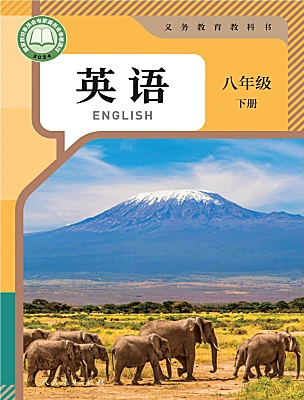 新教材
新教材
注册成功
资料篮

在线客服
添加在线客服
获取1对1服务
官方微信
关注“教习网”公众号
打开微信就能找资料
赛课定制
添加在线客服
获取1对1定制服务
职称咨询
添加在线客服
获取1V1专业指导服务

免费福利


.png)
.png)
.png)
