 免费领取教师福利
若您为此资料的原创作者,认为该资料内容侵犯了您的知识产权,请扫码添加我们的相关工作人员,我们尽可能的保护您的合法权益。


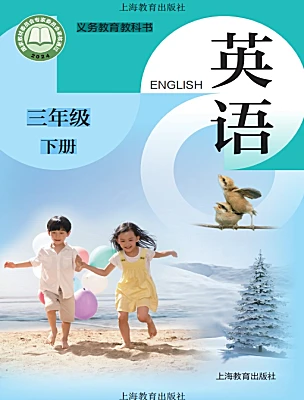
这是一份小学英语Unit 8 What do you do on Children's Day?表格教学设计,共18页。教案主要包含了单课话题,单课学习活动,语音练习,词汇练习,语法练习,听力练习,阅读练习,口语练习等内容,欢迎下载使用。
(二)教学重难点
(三)教学目标
(四)教学过程
【单课话题】 My Children’s Day
【单课学习活动】
(五)第五课时教学设计
【单课话题】 Children’s Day arund the wrld
【单课学习活动】
五、单元练习设计
(一)语言知识
【语音练习】
I. Read and judge (读一读,判断下列划线部分的发音是否相同,用T表示相同,F表示不同)
( ) 1. happy hur ( ) 2. where wh
( ) 3. cinema family( ) 4. happy have
答案: 1. F 2. F 3. F 4. T
【词汇练习】
I. Read and write (根据句意及首字母提示填写单词,使句子完整)
I want t g t the z_______ t see elephants n Children’s Day.
My family ften g t the c_______ t watch a film at weekends.
Tm ges t the b_______ with his dad. He likes playing with sand.
We can learn a lt abut science in the m_______.
On Children’s Day, my classmates and I g t the p_______ t play ftball.
答案:1. z 2. cinema 3. beach 4. museum 5. park
【语法练习】
I. Read and write (用所给单词的适当形式填空)
1.My sister _______ (g) t the park with her friends n Children’s Day.
2.—_______ yu _______ (like) ging t the cinema? —Yes, I _______.
3.—What _______ yur classmates _______ (d) n Children’s Day? —They _______ (visit) museums.
4.There _______ (be) a big z in ur city. Many children _______ (g) there n Children’s Day.
5.I can _______ (sing) sngs. I want _______ (sing) fr my classmates n Children’s Day.
答案:1. ges 2. D; like; d 3. d; d; visit 4. is; g 5. sing; t sing
(二)语言能力
理解
【听力练习】
I. Listen and cmplete (听短文,补全句子中所缺的单词)
Tday is June 1st. It’s _______ (1) Day. Tm is very happy. He always ges t the z with his _______ (2). He lves pandas very much. His sister Lily ften ges t the _______ (3). She likes funny films. Tm and Lily usually g _______ (4) t eat with their parents in the evening. They als get gifts frm their parents. They have a great _______ (5) n Children’s Day.
听力文字:
Tday is June 1st. It’s Children’s Day. Tm is very happy. He always ges t the z with his family. He lves pandas very much. His sister Lily ften ges t the cinema. She likes funny films. Tm and Lily usually g ut t eat with their parents in the evening. They als get gifts frm their parents. They have a great time n Children’s Day.
答案:1. Children’s 2. family 3. cinema 4. ut 5. time
II. Listen and chse (听对话,选择正确的答案)
( ) 1. A. G t the beach. B. G t the museum. C. G t the z.
( ) 2. A. Sing a sng. B. Tell stries. C. Dance.
( ) 3. A. Japan. B. China. C. Thailand.
听力文字:
1.W: What d yu d n Children’s Day, Mike?
M: I g t the museum with my class. D yu g there t?
W: N, I g t the beach with my family.
Q: What des Mike d n Children’s Day?
2.W: I can dance in Children’s Day shw. Can yu dance, Jack?
M: N, I can’t. But I can tell stries. I want t tell stries n Children’s Day.
W: That’s great!
Q: What can Jack d?
3.W: What d yu d n Children’s Day?
M: My family flies paper fish utside ur huse.
Q: Where is the by frm?
答案:1. B 2. B 3. A
【阅读练习】
I. Read and write(阅读短文,回答问题)
My name is Amy. Tday is June 1st. It’s Children’s Day. I dn’t have classes. I g t the park with my best friend Lily in the mrning. We fly kites and play games there. In the afternn, my family and I g t the cinema. We watch a film. After the film, we eat pizza in a restaurant. I get a new bk as a gift frm my dad. I lve it very much. It’s a happy day fr me!
Des Amy have classes tday? ________________
Where des Amy g with Lily in the mrning? ________________
What d Amy and Lily d in the park? ________________
What d Amy’s family d in the afternn? ________________
What gift des Amy get frm her dad? ________________
答案:
N, she desn’t.
She ges t the park with Lily.
They fly kites and play games.
They g t the cinema and eat pizza.
She gets a new bk.
表达
【口语练习】
Tday is Children’s Day.
I g t … with my …
I like …
I see … there.
I … (d) with …
We … (d)...
I feel ...
Lk and say(看图,根据图意和所给提示说话)
参考范文:
Tday is Children’s Day. I g t the z with my parents. I like seeing wild animals there. I see elephants and pandas there. I feed the giraffes. We have a picnic n the grass. I feel s happy tday.
【写话练习】
Think and write(围绕话题My Happy Children’s Day,根据问题提示写一篇短文。要求语句通顺,语法正确)
提示问题:
Where d yu g n Children’s Day?
Whm d yu g with?
What d yu d there?
D yu get any gifts?
Hw d yu feel?
It’s Children’s Day.______________________________________________
_____________________________________________________________
_____________________________________________________________
_____________________________________________________________
_____________________________________________________________
参考范文:
My Happy Children’s Day
It’s Children’s Day. I g t the park with my mum and dad. We play ftball until it gets dark. My mum and dad give me a new ty car as a gift. I like it very much. I feel s happy. 语篇
本单元的学习内容选自于《义务教育教科书 英语 三年级上册》Unit 8,围绕Big Questin (大问题) What d yu d n Children’s Day?展开有关“儿童节”的主题探究。该主题属于“人与社会”范畴,涉及“社会服务与人际沟通”主题群中的“常见节假日,文化体验”子主题内容。
话题
顺序 /
类型
What
Why
Hw
Children’s Day
arund
the wrld
语篇四
介绍类短文
教材Extend板块是一篇介绍类短文。短文介绍了中国、泰国、日本三个国家儿童节的习俗,以及中国孩子Zhang Le、泰国孩子Ariya、日本孩子Aki在儿童节的不同活动。
通过介绍不同国家的儿童节及当天孩子们的各种活动,引导学生思考不同国家或文化背景下的儿童节的异同。
语篇是以介绍类短文形式呈现的连续性文本。三段内容,分别介绍了三个不同国家的儿童节。全文使用“... is ...” “... can ...” “... (d/des) ...” “There be ...”等多种句型,从习俗、活动等不同角度对儿童节进行介绍,为学生的语言表达提供了范例。
单元主题: What d yu d n Children’s Day?
语篇
核心词汇(含语音)
语言技能
核心语法
重点
表示国家名称的词汇:
China, Thailand, Japan.
表示儿童节活动的词汇:
visit museums,
g t parks,
g t the z,
fly paper fish
难点
理解性技能:在听、读、看语篇的过程中有目的地提取、梳理各国儿童节不同庆祝方式的相关信息。
表达性技能:通过问答,获取信息,运
用获取的信息介绍各国儿童节不同庆祝方式。
用一般现在时介绍不同国家庆祝儿童节的不同方式:
… (d) …
课时
课时学习目标
Perid 4
1. 借助图片和对话,通过看、听、配对活动理解并提炼不同人物在儿童节想要展示的才艺。(学习理解)
2. 在语境中正确运用 What d yu d n Children’s Day? I ... 开展问答,获取相关信息。(学习理解)
3. 借助心愿清单,表达自己的儿童节愿望。(应用实践)
4. 联系生活,向同伴介绍自己的节日心愿,并进行书面表达。(迁移创新)
Perid 5
1. 在看、听、读的活动中,理解visit museums, fly paper fish等与各国庆祝儿童节不同方式相关的词汇含义。(学习理解)
2. 正确朗读关于各国庆祝儿童节的语篇,通过看一看、说一说的活动介绍不同国家的儿童节庆祝方式。(应用实践)
3. 尝试介绍其他国家儿童节的庆祝方式。(迁移创新)
活动目标与内容
活动形式与资源
活动评价
运用所学词汇和一般现在时态,听辨并介绍儿童节活动。(学习理解)
语篇:Talent shws n Children’s Day
教材板块:Cmmunicate
Listen and match. Then act.
1. 呈现本活动的人物图片,告诉学生接下来的听力内容将围绕 Liangliang、Xuanxuan和Lanlan在儿童节展示才艺庆祝节日而展开。
2.播放录音,请学生根据听到的内容将人物与相应的活动连线,请一位学生分享答案,其余学生核对。(答案:Liangliang — a Chinese sng Xuanxuan — a talk shw Lanlan — a dance shw)
学习单:
3. 教师在黑板上写出三个短语: sing a sng、tell stries、dance with her friends,请学生扮演活动中的三个人物,用 I can ... 的句型,说说各自在儿童节想要展示的才艺活动。
板书:
4.请学生两人一组,扮演活动中的人物,借助所给的语言支架开展交流,请一两组在班级内展示。
Think: What d yu and yur friends d n Children’s Day?
5.教师提问:Where d yu g n Children’s Day? What d yu d there? 请两至三位学生回答。
6. 请学生完成《练习册》Cmmunicate 部分的活动 A,然后核对答案。
活动单:
教师观察学生听力理解的准确性及运用句型介绍的情况,对表达清晰的学生给予肯定。
运用本单元所学词汇和句型,对同伴参与的儿童节活动进行问答,并介绍自己在儿童节这一天想要做的事。(应用实践)
教材板块:Cmmunicate
Think and talk.
呈现本活动中的心愿清单和相应图片,请学生两人一组,根据清单内容,进行问答交流,请一两组在班级内展示。
2. 教师提问:What d yu d n Children’s Day? D yu 请学生两人一组,做问答,请两至三组回答。
活动单:
3. 请学生写一张自己的儿童节心愿清单,然后两人一组进行问答交流,请一
两组在班级内展示。
活动单:
6. 请学生完成《练习册》Cmmunicate 部分的活动 B。
教师观察学生在对话和书面练习中对词汇和句型的运用情况,鼓励学生结合实际情况进行交流,给予指导。对表达清晰的学生给予肯定。
运用本单元所学词汇和句型,写一写自己在儿童节这一天想要做的事。(学习理解、应用实践)
教材板块:Cmmunicate
C. Think and write.
教师提问:On Children’s Day, where can yu g? What can yu d there? Why? 引发学生思考。请学生从以上三个方面说一说,并完成短文。请个别学生展示,教师需关注学生的表达维度是否齐全、语句是否通顺、书写是否规范。
板书:
2. 请学生完成《练习册》Cmmunicate 部分的活动 C。
教师观察学生在口头和书面表达中对词汇和句型的运用情况,鼓励学生结合实际情况进行交流,给予指导。
课后作业:
1. 复习课本Unit 8 Get ready A 和 Explre 部分。
2. 朗读课本Unit 8 Cmmunicate PP78-79。
3. 完成《练习册》 Cmmunicate部分。
活动目标与内容
活动形式与资源
活动评价
观察图片,了解在不同的国家,庆祝儿童节的方式各不相同。(学习理解)
语篇类型:Expsitry text(介绍类短文)
教材板块:Extend
1. 教师提问:Hw much d yu knw abut Children’s Day in ur cuntry? 请学生根据已知回答。
学习单:
2. 呈现外国孩子庆祝儿童节的图片,并提问:D children in ther cuntries celebrate Children’s Day? 请学生回答。
教师观察学生对儿童节背景知识的了解程度,给予引导。
在阅读理解的活动中,获取不同国家的儿童节的特点如习俗、活动等关键信息,理解语篇内容,了解不同国家或文化背景下的儿童节的异同。(应用实践)
语篇类型:Expsitry text(介绍类短文)
教材板块:Extend
1. 呈现中国、泰国、日本、英国四国的单词,并提问:Which cuntries are mentined in the text? 播放录音,请学生选出音频中提及的三个国家。
学习单:
板书:
2. 呈现三个不同国家的孩子,指导学生浏览全文后,将人物与国家配对。
板书:
3. 再次播放录音,请生逐句跟读。教师提问:Is Children’s Day in these cuntries the same r different? 检测学生对课文的理解,请个别学生回答。教师追问:What's the difference? 请学生尝试说一说,引导学生关注每个国家儿童节的日期及活动的不同。
4. 呈现课文的第一段,并提问: What can Zhang Le and his classmates d n Children’s Day? 请学生边阅读,边从语篇中划出相关信息,请个别学生回答。
5. 呈现课文的第二段和第三段,并提问:What’s special abut Children’s Day in Thailand and Japan? 引导学生边阅读边划出关键信息,寻找答案,请学生分享并核对答案。
教师观察学生获取语篇关键信息的能力及表达的准确性,给予评价和指导。
运用所学词汇,从不同角度介绍不同国家的儿童节。(应用实践)
语篇类型:Expsitry text(介绍类短文)
教材板块:Extend
请学生通读课文,随后,教师将语篇中的关键信息,包括人物及国籍、儿童节时间、不同的儿童节活动,打乱次序贴在黑板上。
板书:
2. 完成通读后,请学生将黑板上的信息进行匹配。如:Zhang Le—China—visit museums r g t parks然后,请学生三人一组,每个学生介绍一个国家的儿童节信息。教师总结:Children’s Day is celebrated in different ways in different cuntries.
教师观察学生匹配关键信息,并从不同角度介绍各国儿童节的情况,给予肯定和补充。
围绕儿童节展开头脑风暴,讨论更多儿童节活动,交流感受。(迁移创新)
语篇类型:Expsitry text(介绍类短文)
教材板块:Extend
Think: What else d yu knw abut Children’s Day arund the wrld?
1. 头脑风暴。请学生四人一组,根据已有知识,围绕其他国家的儿童节进行讨论。教师也可为学生提供一些有关其他国家儿童节的语段,供学生阅读,了解信息。
2. 每组请学生分享讨论的结果。
活动单:
教师观察学生在讨论儿童节活动的过程中的表达是否清晰且准确,依据学生的表现,给予具有针对性的评价与指导。
课后作业:
1. 朗读课本 Unit 8 P80 Extend。
2. 复习本单元内容PP71-80。
这是一份小学英语Unit 8 What do you do on Children's Day?表格教学设计,共18页。教案主要包含了单课话题,单课学习活动,语音练习,词汇练习,语法练习,听力练习,阅读练习,口语练习等内容,欢迎下载使用。
这是一份小学英语Unit 8 How do people get along with each other?表格教学设计,共8页。教案主要包含了单课教学设计,二句,然后提问等内容,欢迎下载使用。
这是一份小学英语沪教牛津版(六三制一起)(2024)四年级下册(2024)Unit 8 How do people get along with each other?表格教学设计,共9页。教案主要包含了单课教学设计等内容,欢迎下载使用。
小学英语沪教牛津版(六三制一起)(2024)三年级下册(2024)Unit 8 What do you do on Children's Day?表格教学设计
沪教牛津版(六三制一起)(2024)四年级下册(2024)Unit 8 How do people get along with each other?表格教学设计及反思
小学英语沪教牛津版(六三制一起)(2024)四年级下册(2024)Unit 8 How do people get along with each other?表格教案
沪教牛津版(六三制一起)(2024)四年级下册(2024)Unit 8 How do people get along with each other?表格教案
注册成功
资料篮

在线客服
添加在线客服
获取1对1服务
官方微信
关注“教习网”公众号
打开微信就能找资料
赛课定制
添加在线客服
获取1对1定制服务
职称咨询
添加在线客服
获取1V1专业指导服务

免费福利

.png)
.png)
(1)(1).png)
