 免费领取教师福利


若您为此资料的原创作者,认为该资料内容侵犯了您的知识产权,请扫码添加我们的相关工作人员,我们尽可能的保护您的合法权益。


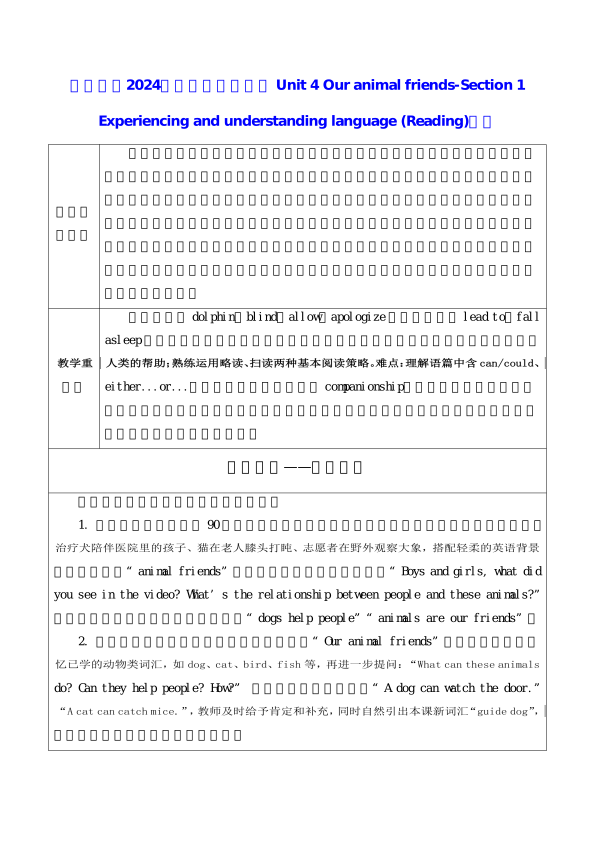
这是一份沪教牛津版(2024)七年级下册(2024)Section 4表格教案,文件包含试卷定稿pdf、化学阅卷细则1pdf等2份试卷配套教学资源,其中试卷共9页, 欢迎下载使用。
核心素养目标
语言能力:掌握与动物文化相关的核心词汇及句型,能读懂不同国家动物文化的简短语篇,简单表达各国动物的象征意义。文化意识:了解中西方及其他国家动物文化的差异与共性,尊重多元文化,树立人与动物和谐共生的理念。思维品质:通过对比、分析、归纳动物文化差异,培养逻辑思维与辩证思考能力,提升跨文化对比的思维意识。学习能力:能主动搜集动物文化相关信息,在合作探究中积累知识、提升技能,养成自主学习与合作交流的习惯。
教学重难点
教学重点:掌握与动物文化相关的词汇和句型,理解不同国家动物(如狗、龙、熊猫等)的象征意义,能读懂关于动物文化的简短语篇并提取关键信息,初步进行跨文化动物文化对比。教学难点:理解中西方动物文化差异的深层原因,能准确用英语表达不同动物在各国的象征意义,克服文化思维差异带来的表达障碍,树立尊重多元动物文化的意识。
教学过程——主要思路
(一)热身导入(Warm-up & Lead-in)
1. 情境创设:教师展示一组动物图片(狗、猫、龙、熊猫、大象),播放轻快的动物主题英文儿歌,引导学生跟着哼唱,同时观察图片,说出自己认识的动物英文名称。随后提问:“What’s yur favrite animal? Why d yu like it?” 邀请3-4名学生发言,鼓励学生用本单元已学词汇和句型表达自己的想法,如 “My favrite animal is the dg. It’s friendly and lyal.”
2. 过渡引导:教师结合学生的发言,自然过渡到文化主题:“We all like different animals, and they are ur gd friends. But d yu knw? In different cuntries, the same animal may have different meanings. Tday, we will explre the animal culture arund the wrld tgether.” 同时在黑板上板书课题:Sectin 4 Extending and develping cmpetencies (Fcusing n culture)。
设计意图:以学生熟悉的动物图片和英文儿歌为切入点,营造轻松愉悦的课堂氛围,激发学生的学习兴趣,同时复习本单元已学的动物相关词汇和句型,为新课学习做好语言铺垫。通过生活化的提问,拉近学生与课堂主题的距离,自然引出本节课的核心——动物文化,引导学生快速进入学习状态。
(二)新知呈现(Presentatin)
本环节聚焦中西方及其他国家典型的动物文化,分模块呈现新知,结合语篇、图片、视频等素材,帮助学生理解动物的象征意义,掌握核心词汇和句型,同时渗透文化意识。
1. 模块一:中国的代表性动物文化(Pandas & Dragns)
(1)教师展示熊猫的高清图片和短视频(片段时长1-2分钟,内容为熊猫的生活习性及中国对熊猫的保护),提问:“What d yu knw abut pandas? Where are they frm? What d they symblize in China?” 引导学生自由发言,之后总结:“Pandas are unique t China. They are cute and gentle. In China, pandas symblize peace, friendship and happiness. They are als a symbl f China, and many peple arund the wrld lve them.”
(2)呈现“龙”的图片,提问:“What abut dragns? In Chinese culture, what des the dragn stand fr?” 结合学生的回答,补充讲解:“In Chinese culture, the dragn is a pwerful and sacred animal. It symblizes pwer, luck, prsperity and gd frtune. We ften say ‘Lng Live the Dragn’, and many Chinese peple think they are descendants f dragns.” 同时板书核心词汇:symblize(象征)、peace(和平)、friendship(友谊)、pwer(力量)、luck(运气)、prsperity(繁荣)。
(3)句型呈现:结合上述讲解,呈现核心句型:“In China, + 动物名称 + symblize(s) + 象征意义.” “+ 动物名称 + is/are a symbl f + 事物/品质.” 带领学生朗读句型,讲解用法,然后让学生尝试用句型描述熊猫和龙,如 “In China, pandas symblize peace and friendship.” “The dragn is a symbl f pwer in China.”
2. 模块二:西方国家的代表性动物文化(Dgs & Cats)
(1)教师展示狗的图片(不同场景:导盲犬、宠物狗、警犬),提问:“We all knw dgs are friendly. In Western cuntries, what d dgs symblize? Is it the same as in China?” 播放简短英文片段,内容为西方人对狗的看法及狗在西方生活中的作用,之后讲解:“In Western cuntries, dgs are als very ppular. They symblize lyalty, hnesty and cmpaninship. Peple ften call dgs ‘man’s best friend’. They live with their wners and help them a lt, such as guide dgs helping blind peple.”
(2)对比讲解:引导学生对比中西方对狗的认知差异:“In China, smetimes peple use ‘dg’ in a bad way, such as ‘a lazy dg’, but in Western cuntries, dgs are always regarded as gd friends. This is a cultural difference we need t remember.”
(3)呈现猫的图片,提问:“What abut cats? In Western cuntries, d they have special meanings?” 讲解:“In sme Western cuntries, cats symblize independence and cleverness. But in sme ld stries, cats are smetimes related t bad luck, but nw mst peple think cats are cute and lvely pets.” 补充核心词汇:lyalty(忠诚)、hnesty(诚实)、cmpaninship(陪伴)、independence(独立)、cleverness(聪明)。
(4)句型巩固:让学生运用所学句型描述西方文化中的狗和猫,如 “In Western cuntries, dgs symblize lyalty and cmpaninship.” “Cats are a symbl f independence in sme Western cuntries.” 教师巡视指导,纠正学生的发音和句型错误,确保学生掌握句型用法。
3. 模块三:其他国家的动物文化(Elephants & Kalas)
(1)教师展示大象的图片,介绍:“Elephants are very big and strng. In India and sme African cuntries, elephants have special meanings. They symblize wisdm, strength and gd luck. Peple respect elephants very much, and smetimes they are used in imprtant ceremnies.”
(2)展示考拉的图片,补充:“Kalas are unique t Australia. They are cute and quiet. In Australia, kalas symblize kindness and peace. They are ne f the mst famus animals in Australia, and many turists g t Australia t see them.”
(3)词汇拓展:结合上述内容,拓展词汇:wisdm(智慧)、ceremny(仪式)、unique(独特的)、turist(游客),带领学生朗读记忆,结合例句帮助学生理解,如 “Elephants are a symbl f wisdm.” “Kalas are unique t Australia.”
设计意图:分模块呈现不同国家的动物文化,符合七年级学生“由浅入深、循序渐进”的认知规律。结合图片、短视频等直观素材,降低学生对文化知识的理解难度,同时将词汇、句型教学与文化教学有机结合,让学生在理解文化的过程中掌握语言知识,避免孤立背单词、记句型。通过中西方动物文化的对比,初步培养学生的跨文化对比意识,引导学生尊重文化差异。
(三)语篇解读(Text Interpretatin)
本环节结合教材语篇,引导学生自主阅读、合作探究,提取关键信息,巩固新知,同时提升学生的阅读理解能力和合作学习能力,深入理解动物文化的差异与共性。
1. 语篇预习:教师分发教材语篇(Sectin 4 的核心语篇),要求学生自主阅读,圈出不认识的单词和短语,结合上下文猜测词义,同时思考两个问题:① What animals are mentined in the text? ② What d these animals symblize in different cuntries?
2. 词汇答疑:邀请学生分享自己圈出的生词和短语,教师进行集中讲解,重点讲解语篇中出现的核心词汇和固定搭配,如 “be regarded as(被视为)” “be related t(与……相关)” “play an imprtant rle in(在……中扮演重要角色)” “different frm(与……不同)”,结合语篇原句帮助学生理解用法,如 “Dgs are regarded as man’s best friend in Western cuntries.”
3. 自主探究与合作交流:
(1)自主探究:学生再次阅读语篇,完成教师设计的任务单(任务1:找出语篇中提到的动物及其对应的国家和象征意义,填写表格;任务2:找出语篇中描述动物文化差异的句子,抄写下来)。教师巡视指导,鼓励学生自主思考,遇到困难可举手提问。
(2)合作交流:将学生分成4-5人小组,小组内交流自己完成的任务单,核对答案,讨论自己不懂的地方,互相帮助解决问题。同时讨论问题:“Why d the same animals have different meanings in different cuntries?” 引导学生结合自己的生活经验和所学知识,尝试分析原因(如历史、习俗、生活环境等)。
4. 语篇梳理与总结:
(1)邀请各小组代表分享任务单的完成情况,教师在黑板上汇总语篇中提到的动物、国家及象征意义,确保学生准确提取关键信息。
(2)针对小组讨论的问题,教师进行总结:“The same animals have different meanings in different cuntries because f different histries, custms and living envirnments. These differences make ur wrld mre clrful, and we shuld respect all kinds f animal cultures.”
(3)语篇朗读:带领学生齐读语篇,注意语音、语调和停顿,引导学生在朗读中进一步理解语篇内容,感受语言的韵律美,同时巩固所学的词汇和句型。
设计意图:语篇解读是本节课的核心环节,通过“预习—答疑—自主探究—合作交流—总结”的流程,培养学生的自主阅读能力和合作学习能力。任务单的设计贴合语篇核心,帮助学生快速提取关键信息,梳理语篇脉络。小组讨论环节鼓励学生主动思考、互相交流,不仅能解决学习中的困难,还能培养学生的表达能力和合作意识。语篇朗读则能帮助学生巩固语言知识,提升语音语调水平。
(四)巩固练习(Cnslidatin)
本环节设计分层练习,从基础到提升,兼顾不同层次学生的学习需求,巩固所学的词汇、句型和文化知识,同时提升学生的语言运用能力和跨文化对比能力。
1. 基础练习:句型转换与补全句子
(1)句型转换:根据例句,将下列句子进行转换。例句:In China, pandas symblize peace. → Pandas are a symbl f peace in China.
① In Western cuntries, dgs symblize lyalty. ② In India, elephants symblize wisdm.
(2)补全句子:用所学词汇和句型补全下列句子,每空一词。
① In China, the dragn ______(象征)pwer and luck. ② Dgs are ______(被视为)man’s best friend in Western cuntries. ③ Pandas are ______(独特的)t China. ④ Elephants play an imprtant ______(角色)in sme African cuntries.
学生自主完成练习,之后教师带领学生核对答案,讲解易错点,确保学生掌握核心词汇和句型的用法。
2. 提升练习:跨文化对比写作
要求学生结合本节课所学知识,写一段50-80词的短文,题目为 “Different Animal Cultures”,内容包括中西方及其他国家一种动物的象征意义,对比其差异,表达自己对动物文化的看法。教师给出写作提示:① Chse ne animal (dg, panda, dragn, etc.). ② Intrduce its meanings in different cuntries. ③ Cmpare the differences and share yur pinins.
学生自主写作,教师巡视指导,重点帮助基础薄弱的学生梳理写作思路,纠正词汇和句型错误。写作完成后,邀请2-3名学生分享自己的短文,教师进行点评,肯定优点,指出不足,给出改进建议。
3. 拓展练习:小组竞赛
将学生分成小组,开展“动物文化知识竞赛”。教师提出问题,各小组抢答,答对得分,答错不得分,最后得分最高的小组获得“动物文化小达人”称号。问题设计如下:① What des the panda symblize in China? ② In Western cuntries, what animal is regarded as man’s best friend? ③ Which cuntry are kalas unique t? ④ What des the dragn symblize in Chinese culture? ⑤ Why d the same animals have different meanings in different cuntries?
设计意图:分层练习的设计兼顾了不同层次学生的学习需求,基础练习重点巩固词汇和句型,确保全体学生掌握核心知识;提升练习侧重语言运用能力,引导学生将所学知识转化为书面表达,培养写作能力;拓展练习以竞赛的形式开展,激发学生的竞争意识和参与热情,同时巩固所学的动物文化知识,活跃课堂氛围。
(五)拓展延伸(Extensin)
1. 文化分享:教师引导学生分享自己课前搜集的其他动物文化知识,如“澳大利亚的袋鼠象征什么?”“日本的仙鹤象征什么?”“西方的鸽子象征什么?” 邀请学生主动发言,分享自己的搜集成果,教师进行补充和点评,拓宽学生的文化视野。
2. 情感升华:教师结合本节课所学内容,进行情感引导:“Animals are ur gd friends, and they play an imprtant rle in different cultures arund the wrld. We shuld nt nly understand and respect different animal cultures, but als lve and prtect all animals, because they make ur wrld mre beautiful and clrful. Let’s wrk tgether t live in harmny with animals.”
3. 实践任务:布置课后实践任务,让学生选择一种自己喜欢的动物,搜集该动物在不同国家的文化意义,制作一张英文手抄报,要求包含动物图片、英文介绍(词汇、句型运用正确)、文化差异对比等内容,下节课进行展示交流。
设计意图:拓展延伸环节旨在拓宽学生的文化视野,培养学生的自主搜集信息的能力和实践能力。文化分享环节鼓励学生主动展示自己的学习成果,增强学生的自信心和表达能力;情感升华环节渗透德育教育,引导学生树立热爱动物、尊重多元文化、人与自然和谐共生的理念;课后实践任务将课堂学习延伸到课外,巩固所学知识,同时培养学生的动手能力和创新能力。
(六)课堂小结(Summary)
1. 学生自主小结:邀请2-3名学生发言,分享本节课所学的知识,包括核心词汇、句型、不同国家的动物文化以及自己的收获和体会,如 “Tday I learned that pandas symblize peace in China, and dgs symblize lyalty in Western cuntries. I als knw that we shuld respect different animal cultures.”
2. 教师总结:教师结合学生的小结,对本节课的核心内容进行梳理和总结:“Tday we explred the animal culture arund the wrld, learned the symblic meanings f pandas, dragns, dgs, cats, elephants and kalas in different cuntries, mastered sme cre wrds and sentences, and understd the differences and cmmnalities f animal cultures. We shuld remember t respect different cultures and lve all animals. I hpe yu can apply what yu have learned tday and learn mre abut animal culture after class.”
设计意图:课堂小结环节让学生自主梳理所学知识,培养学生的归纳总结能力和表达能力,同时帮助学生巩固本节课的核心内容,形成系统的知识体系。教师的总结则能进一步强化学生的记忆,升华课堂主题,引导学生将课堂学习与课外拓展结合起来。
这是一份沪教牛津版(2024)七年级下册(2024)Section 4表格教案,文件包含试卷定稿pdf、化学阅卷细则1pdf等2份试卷配套教学资源,其中试卷共9页, 欢迎下载使用。
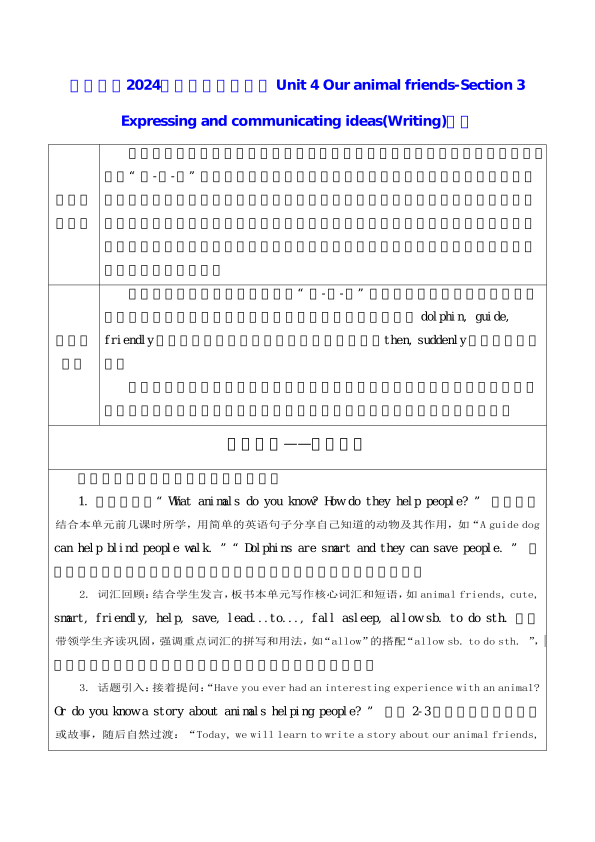
这是一份沪教牛津版(2024)七年级下册(2024)Section 3表格教学设计,共4页。教案主要包含了教学内容分析,语篇分析,学情分析,教学目标,教学重难点,教学活动设计等内容,欢迎下载使用。
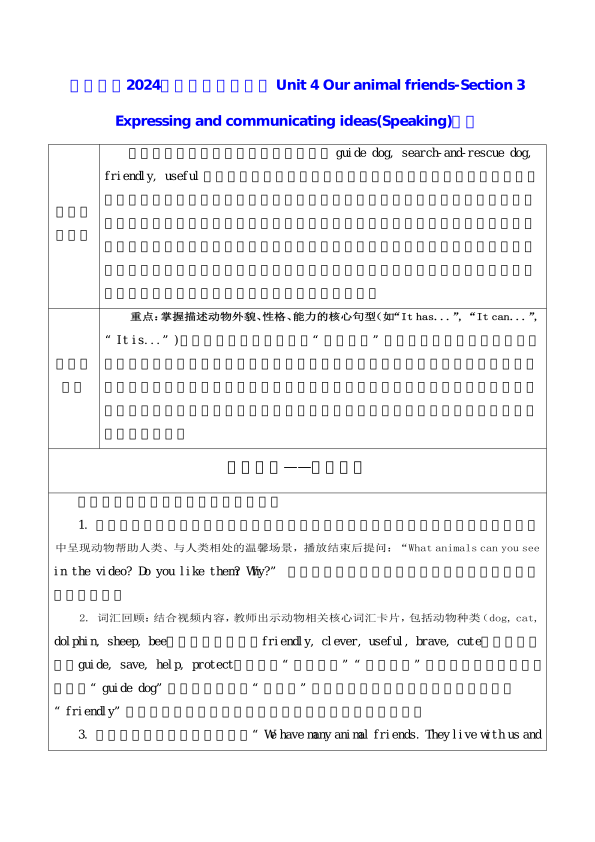
这是一份英语七年级下册(2024)Unit 4 Our animal friendsSection 2表格教案,文件包含试卷定稿pdf、化学阅卷细则1pdf等2份试卷配套教学资源,其中试卷共9页, 欢迎下载使用。
 新教材
新教材

注册成功
资料篮

在线客服
添加在线客服
获取1对1服务
官方微信
关注“教习网”公众号
打开微信就能找资料
赛课定制
添加在线客服
获取1对1定制服务
职称咨询
添加在线客服
获取1V1专业指导服务

免费福利

.png)
.png)
.png)
