 免费领取教师福利
若您为此资料的原创作者,认为该资料内容侵犯了您的知识产权,请扫码添加我们的相关工作人员,我们尽可能的保护您的合法权益。


这是一份北师大版(2024)Lesson 2 Helping Out at Home教案,共8页。
知识与技能
能熟练掌握核心词汇(help ut, chres, husehld, tidy up, sweep, mp, wash up, fld, take ut the rubbish, respnsible, fair, share 等),做到准确发音、拼写,并能在语境中灵活运用。
能理解并运用与 “分担家务” 相关的核心句型(I ften help ut with...; Culd yu ; It's ne's respnsibility t...; We shuld share husehld chres because...; Need t/need ding sth.),完成日常对话与书面表达。
能读懂关于家庭家务分工及分担意义的短文,获取关键信息(常见家务类型、分担家务的原因、不同家庭成员的家务职责),把握文章逻辑结构。
能结合自身实际,用所学词汇和句型描述自己常做的家务、谈论分担家务的重要性,提出合理的家务分工建议。
过程与方法
通过情境导入、词汇情境化教学、课文精读、小组讨论、角色扮演等活动,层层递进提升语言理解与运用能力。
借助图片、家务场景视频、句型支架等教学资源,帮助学生直观感知词汇和句型用法,培养阅读理解和口语交际能力。
通过同伴互动、观点分享等形式,让学生在真实语境中运用语言,提升沟通与合作学习能力。
情感态度与价值观
认识到分担家务是家庭成员的责任,树立 “家务不分你我、共同分担” 的家庭观念。
培养负责任、爱劳动的良好品质,体会父母的辛劳,乐于为家庭贡献自己的力量。
学会与家人沟通协商家务分工,促进家庭和谐,增强家庭责任感。
教学重难点
教学重点
掌握与家务劳动相关的核心词汇和短语。
读懂课文,提取关键信息,理解分担家务的重要性及家庭分工的意义。
能运用所学词汇和句型描述家务、谈论分担家务的看法及提出相关建议。
教学难点
准确运用 “need t d sth.” 与 “need ding sth.” 的区别,以及 “It's ne's respnsibility t d sth.” 句型进行表达。
能在真实情境中自然运用目标句型发起请求、表达观点,做到语气得体、逻辑清晰。
结合自身实际,有逻辑地阐述分担家务的原因及合理的分工方式。
教学准备
教师准备
制作多媒体课件,包含核心词汇对应的家务图片、家务分工场景视频、课文音频、句型支架卡片。
准备词汇卡片、家务类型分类表、课堂练习任务单。
设计情境任务卡(如 “劝说弟弟 / 妹妹分担家务”“与父母协商家务分工”)。
学生准备
预习教材 Lessn 2 部分的词汇和课文,标注陌生词汇和疑难句子。
思考自己常做的家务、家中的家务分工情况,准备课堂分享。
教学过程
导入新课(5 分钟)
教师创设情境:“家是我们共同的港湾,维持家庭的整洁有序需要每个家庭成员的努力。分担家务不仅能减轻父母的负担,还能培养我们的责任感。今天我们就通过 Lessn 2 ‘Helping Out at Hme’,一起学习与家务相关的英语表达,探讨分担家务的重要性,学会如何合理分工家务。”
提问互动:“What chres d yu ften d at hme? Hw d yu help yur parents ut?” 邀请 3-4 名学生自由发言,分享自己做过的家务(如 sweep the flr, wash dishes, fld clthes 等),教师用核心词汇(chres, help ut, tidy up 等)回应,自然引出话题。
出示课题,明确本节课学习目标:读懂课文、掌握词汇句型、学会谈论家务分担相关话题。
讲授新课(28 分钟)
核心词汇与短语教学(10 分钟)
情境化呈现词汇:教师结合课件图片或动作示范逐一讲解,让学生直观理解含义:
help ut:展示 “孩子帮妈妈洗碗” 的图片,讲解 “帮忙;分担”,搭配 “help ut with sth.”(帮忙做某事),举例:I ften help ut with husehld chres n weekends.
chres/husehld chres:讲解 “家务杂活”,举例:Ding husehld chres is everyne's respnsibility.
具体家务词汇:结合动作示范或图片讲解 tidy up(整理)、sweep the flr(扫地)、mp the flr(拖地)、wash up(洗碗)、fld the clthes(叠衣服)、take ut the rubbish(倒垃圾)、clean the windws(擦窗户),让学生模仿动作,加深记忆。
respnsible:讲解 “负责任的”,名词形式 “respnsibility”(责任),搭配 “be respnsible fr sth.”(对某事负责),举例:We shuld be respnsible fr ur wn husehld chres.
fair:讲解 “公平的”,搭配 “It's fair t d sth.”(做某事是公平的),举例:It's fair t share chres amng family members.
share:讲解 “分享;分担”,搭配 “share sth. with sb.”(与某人分担 / 分享某物),举例:We shuld share husehld chres with ur parents.
词汇操练:
领读跟读:教师领读,学生跟读 2-3 遍,强调重音位置(如 husehld /ˈhaʊshəʊld/、respnsible /rɪˈspɒnsəbl/)和发音难点。
动作配对:教师说出家务词汇,学生快速做出相应动作;或展示家务图片,学生说出对应的英文表达。
短语造句:让学生用 “help ut with” “be respnsible fr” “share... with...” “take ut the rubbish” 等短语造句,教师巡视指导,挑选典型句子进行展示和点评。
课文精读与理解(12 分钟)
听读感知:播放课文音频,学生跟随音频默读课文,标注段落层次,初步感知文章主旨。提问:“What is the main idea f the passage?” 引导学生总结:The passage talks abut the imprtance f sharing husehld chres and hw t divide chres fairly amng family members.
精读提取信息:
研读第一段(分担家务的重要性):
提问:Why shuld we share husehld chres? 学生细读段落,找出关键信息:It can help reduce parents' stress; it teaches us respnsibility; it makes the family life fairer and happier.
教师讲解重点句子:“Many parents wrk hard all day. Sharing chres can help them relax and have mre time t spend with the family.” 分析 “reduce stress”(减轻压力)、“spend time with sb.”(与某人共度时光)的用法,让学生结合自身感受理解。
研读第二段(家务分工建议):
提问:Hw can we divide husehld chres fairly? 学生细读段落,找出核心建议:Divide chres accrding t age and ability; make a chre list; take turns ding difficult chres.
教师讲解重点句子:“Yunger children can tidy up their wn rms r take ut the rubbish. Older children can sweep the flr, mp the flr r wash up.” 分析 “accrding t”(根据)、“take turns ding sth.”(轮流做某事)的用法,举例:We can take turns cleaning the bathrm.
研读第三段(核心观点):
提问:What is the key pint f the passage? 学生细读段落,提取核心观点:Ding chres is nt just parents' jb. Everyne in the family shuld help ut.
教师讲解重点语法:“The huse needs cleaning every week.” 与 “We need t clean the huse every week.” 对比,说明 “need ding sth.”(某事需要被做)与 “need t d sth.”(某人需要做某事)的区别,让学生模仿造句。
信息梳理:发放 “家务分工表”,让学生根据课文内容填写不同年龄段孩子适合做的家务,师生共同核对,强化对文章内容的理解。
句型讲解与运用(6 分钟)
提炼核心句型:教师结合课文原句,逐一讲解句型结构与用法:
描述常做的家务:I ften help ut I usually... at hme.
示例:I ften help ut with washing up after dinner. / I usually fld the clthes n Sundays.
提出请求:Culd yu / Wuld yu
示例:Culd yu please sweep the flr? / Wuld yu mind taking ut the rubbish?
表达责任:It's ne's respnsibility We are respnsible fr...
示例:It's ur respnsibility t keep the huse tidy. / We are respnsible fr ur wn chres.
说明原因:We shuld share chres Sharing chres can help...
示例:We shuld share chres because ur parents are tired. / Sharing chres can help the family becme happier.
need 的用法:We need The huse needs...
示例:We need t clean the windws tday. / The rm needs tidying up.
句型仿写:让学生结合自身实际,模仿以上句型各造 1 个句子,教师巡视指导,挑选典型句子进行展示和点评,纠正语法错误。
巩固练习(7 分钟)
角色扮演:让学生两人一组,抽取情境任务卡进行对话练习,如:
情境一:A 想让弟弟帮忙倒垃圾,B 起初不愿意,A 劝说弟弟分担家务。
Culd yu please take ut the rubbish, Tm?
Why me? I did it yesterday.
We shuld share husehld chres. Parents are tired after wrk. It's ur respnsibility t help ut.
Yu're right. I'll d it right away.
A: Thanks! Maybe we can take turns ding it next time.
教师提供句型支架,鼓励学生大胆表达,巡视并给予指导。
短文填空:给出一段关于 “分担家务” 的短文,留出核心词汇和句型的空白,让学生完成填空,巩固所学知识。
短文示例:
Sharing husehld ______ (chres) is imprtant fr every family. As family members, we shuld ______ (help ut) with husewrk. I ften ______ (sweep the flr) and ______ (wash up) after dinner. My sister usually ______ (flds the clthes) and ______ (takes ut the rubbish). We need t ______ (be respnsible) fr ur wn tasks. It's ______ (fair) t share chres because everyne shuld cntribute t the family. With ur help, parents can ______ (relax) mre and ur hme becmes ______ (happier).
课堂小结(5 分钟)
师生共同回顾本节课所学:
核心词汇与短语:help ut, chres, husehld, tidy up, sweep the flr, mp the flr, wash up, fld, take ut the rubbish, respnsible, fair, share, be respnsible fr, take turns ding sth.
核心句型:I ften help ut with...; Culd yu ; It's ne's respnsibility t...; We shuld share... because...; Need t/need ding sth.
课文要点:分担家务的重要性(减轻父母压力、培养责任感、让家庭更和谐)、家务分工建议(按年龄和能力分配、制定家务清单、轮流做难事)。
教师总结:“今天我们学习了与家务相关的英语表达,认识到分担家务是每个家庭成员的责任。做家务不仅能锻炼我们的能力,还能让我们体会父母的辛劳。希望大家今后能主动分担家务,与家人共同营造整洁、和谐的家庭环境。”
布置作业:
熟读并背诵课文核心段落(第一段和第二段)。
用 5-8 句话写一篇短文,题目为 “My Husehld Chres”,描述自己常做的家务及分担家务的感受,运用本节课所学词汇和句型。
预习 Lessn 3 的内容,标注新词汇和疑难句子。
板书设计
Unit 2 Helping Hands-Lessn 2 Helping Out at Hme
核心词汇与短语
基础词汇:chres(家务),husehld(家庭的),respnsible(负责任的),fair(公平的),share(分担),relax(放松),cntribute(贡献)
家务短语:help ut with(帮忙做),tidy up(整理),sweep the flr(扫地),mp the flr(拖地),wash up(洗碗),fld the clthes(叠衣服),take ut the rubbish(倒垃圾),clean the windws(擦窗户)
常用短语:be respnsible fr(对…… 负责),take turns ding sth.(轮流做某事),accrding t(根据),reduce stress(减轻压力),spend time with sb.(与某人共度时光)
核心句型
描述家务:I ften help ut with...; I usually... at hme.
提出请求:Culd yu ; Wuld yu
表达责任:It's ne's respnsibility t...; We are respnsible fr...
说明原因:We shuld share... because...; Sharing can help...
need 的用法:We need t...; The... needs...
课文要点
分担家务的重要性:
减轻父母压力;
培养责任感;
让家庭更公平、更幸福。
家务分工建议:
按年龄和能力分配;
制定家务清单;
轮流做困难的家务。
核心观点:Everyne shuld help ut with husehld chres.
主题思想
Share husehld chres: take respnsibility + help parents relax + build a harmnius family
这是一份北师大版(2024)Lesson 2 Helping Out at Home教案,共8页。
这是一份北师大版(2024)Unit 2 Helping HandsLesson 2 Helping Out at Home表格教案设计,共9页。教案主要包含了核心词汇,核心句型,情感升华等内容,欢迎下载使用。
这是一份初中英语北师大版(2024)八年级下册(2024)Unit 2 Helping HandsLesson 3 How Can We Help?教案,共8页。
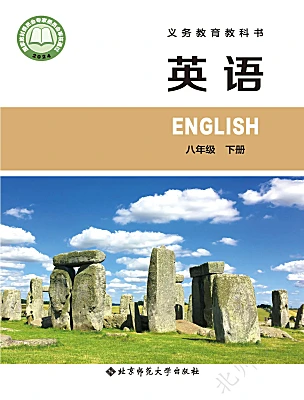 新教材
新教材
注册成功
资料篮

在线客服
添加在线客服
获取1对1服务
官方微信
关注“教习网”公众号
打开微信就能找资料
赛课定制
添加在线客服
获取1对1定制服务
职称咨询
添加在线客服
获取1V1专业指导服务

免费福利

.png)
.png)
.png)
