免费领取教师福利
若您为此资料的原创作者,认为该资料内容侵犯了您的知识产权,请扫码添加我们的相关工作人员,我们尽可能的保护您的合法权益。


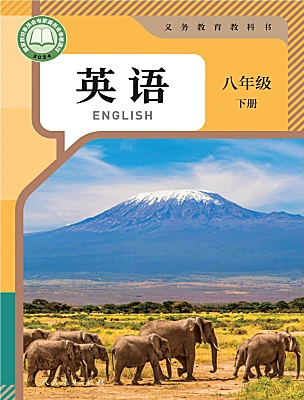
这是一份人教版(2024)八年级下册(2024)Section A第1课时教学设计及反思,共5页。教案主要包含了What,核心词汇,核心句型等内容,欢迎下载使用。
教材分析
【What】本课主题为“如何度过业余时间(Hw d yu spend yur free time?)”,主要围绕课余活动展开:1a通过图片匹配梳理吹长笛、书法、绘画、滑雪、徒步、编程等业余活动;1b - 1c借助听力访谈了解不同学生的业余活动及参与目的;2a - 2c则以滑冰、游泳为切入点,探讨业余活动中遇到的挑战、首次尝试的经历及克服困难的过程;同时设置口语互动任务,让学生交流自身的业余活动及原因。
【Why】一是引导学生关注并丰富自身的业余生活,了解多样化的休闲活动形式;二是传递“面对业余活动中的挑战要勇于尝试、克服恐惧”的积极态度;三是让学生体会业余活动不仅能放松身心、锻炼身体,还能表达情感、培养技能,实现个人成长。
【Hw】本课以“听说任务链”为核心,遵循“输入(图片匹配、听力)—内化(匹配目的、完成句子)—输出(口语交流)”的逻辑,从基础的活动认知到深层的情感与体验交流,层层递进。大量使用一般现在时,运用 like ding/t d 、 lve ding 等表达喜好的句型,以及 Why d yu d it? I d it t... 等问答句式,词汇聚焦业余活动(如 skiing, hiking, prgramming )和情感、目的类词汇(如 relax, express feelings, get exercise )。在语言上,主要实现“询问与表达业余活动”“说明做活动的目的”“谈论活动挑战与经历”的口语交际功能,同时培养学生的听力获取信息、口语输出表达的能力。
学情分析
K(Knw)--已知
W(Wnder)--想知/未知
L(Learn)--能知
学生已掌握基础的日常活动词汇和一般现在时基本用法,具备简单的口语问答能力;对“业余活动”话题有生活体验,能说出常见的休闲方式。
对 calligraphy, prgramming, flute 等专业活动词汇的认知不足;难以熟练用 I d it t... 句式清晰说明活动目的;缺乏用英语描述“克服活动挑战的经历”的语用能力。
通过图片、听力、口语互动等任务,掌握业余活动相关词汇和核心句型;能围绕“业余活动”进行完整的问答交流;能理解并表达参与业余活动的意义及克服困难的过程。
核心素养教学目标
通过本课学习,学生能够:
1.语言能力:正确识读并运用 playing the flute, ding calligraphy 等业余活动词汇,熟练运用 What d yu d in yur free time? Why d yu d it? 等句型进行口语交流;能从听力中提取学生的业余活动及目的、活动挑战等关键信息。
2.学习能力:通过图片匹配、听力训练、小组对话等活动,提升自主获取信息、合作交流的能力;学会借助生活体验理解和运用新的语言知识。
3.思维品质:通过探讨业余活动的意义和挑战,培养逻辑思考能力;通过分享首次尝试活动的经历,发展批判性思维和创新表达能力。
4.文化意识:了解中外学生业余活动的共性与差异(如书法是中国特色业余活动),感受业余活动对身心健康和文化体验的重要性;培养积极参与休闲活动、勇于克服困难的生活态度。
完成课时目标所需的核心语言如下:
【核心词汇】
d the calligraphy, ski, prgramme, express feelings, hurt all ver, fall many times, be scared f, get ver,used t d, get back up, free-time activities, challenges f, expect t d sth
【核心句型】
① —What d yu d in yur free time? —I like t...
② —Why d yu d it? —I d it
③ —I was afraid first.—What help yu t get ver yur fear? —I practised by...
教学重难点
教学重点:掌握业余活动相关词汇和 like ding/t d 、目的表达句型;能听懂并提取听力中关于业余活动、挑战的信息;能进行“询问—表达—说明原因”的口语对话。
教学难点:熟练运用 I d it t... 句式准确说明活动目的;用英语连贯描述“首次尝试业余活动的经历及克服困难的过程”;理解并运用 be scared f 、 get ver fear 等表达情感与克服困难的词汇和句型。
教学过程
教学环节
教师活动
学生活动
设计意图
Lead in
情景导入
Set a situatin that a reprter frm the 21st Century Educatinal Website wants t knw abut students’ free-time activities.
T:What d yu usually d in yur free time?
Have a free talk .
Sa:I usually play pin-png with my classmates.
Sb: I ften read bks at hme.
Sc:...
Lead in
情景导入
T: Great! These are yur hbbies. Tday we’ll learn hw t talk abut free-time activities and share yur experiences.
以“记者采访课余活动”为真实情景,激活学生已有生活体验和基础词汇;通过自由问答降低表达门槛,营造轻松的课堂氛围,自然引出“业余活动”核心话题,为后续学习铺垫。
Presentatin
学习理解
Listen t sme sunds and lk at the pictures, then learn sme phrases abut free-time activities.
Sa:They are playing basketball
Sb:They’re prgramming.
Sc:They’re playing the flute.
Ss:We can als paint/d calligraphy/skiing/hiking...
Match the activities with the pictures.
Play sme recrds and shw sme pictures t lead my students learn sme wrds abut free-time activities.
T:Listen, see and tell me what are they ding?
T:Great! And what ther activities can we d in ur free time?
Guide students t finish 1a.
借助“听声音+看图片”的多感官输入方式,帮助学生直观认知新词汇(如calligraphy、prgramming),降低词汇学习难度;通过图片匹配任务巩固词汇记忆,实现“音形义”结合;引导学生拓展更多业余活动,丰富话题素材库。
Practice
探究应用
ListeningⅠ
Try t circle the key wrds f the sentences in 1b.
Listen t three interviews. Cmplete the sentences with the students’ activities. Then reprt the answers t have a check.
1.Teng Fei likes prgramming after schl.
2. Teng Fei als likes hiking at the weekend.
3. Helen lves painting pictures in her free time.
4. Chen Jie likes tplay the flute.
Listen again.Match the pictures with the statements frm 1b.
Have a summary abut hw t make an interview abut free-time activities.
Wrk with partners t talk abut free-time activities
ListeningⅡ
Sa:When I tried ice skating, I fell dwn many times. Nw I hurt all ver but I dn’t give up!
Sb:I used t be scared f water, I started swimming t get ver my fear. Nw I like swimming!
Sc:...
Read the items in 2b, then listen t a cnversatin between Fu Xing and Emma. Tick the things they talk abut.
Listen again and cmplete the sentences. Reprt the answers ne by ne.
1. Emma went t the sprts centre t try ice skating.
2. Emma didn't want t g ice skating again at first.
3. Fu Xing tld Emma that n ne expected her t be perfect frm the start.
4. The instructr tld Emma nt t give up s easily.
5. Fu Xing used t be scared f water, but she started swimming t get ver her fear.
6. Fu Xing encuraged Emma t try ice skating again.
Learn sme language pints frm the listening.
ListeningⅠ
Let Ss lk at the instructin in 1b and lead them t circle the key wrds befre listening.
Play the recrding twice and call Ss t reprt his r her answers.
Play the recrding again t let the students finish 1c.
Guide the students t think and say hw t make an interview abut free-time activities.
Let the students wrk in pairs t talk abut their free-time activities with a partner.
ListeningⅡ
T:Free-time activities are nt nly clrful and relaxing but als full f challenges.
S what are the challenges f ding these tw activities? Share yur ideas.
Befre listening, guide the students t understand the meaning f each item in 2b. Then play the recrding and check the answers.
Play the recrding fr anther twice t let the students finish 2c.
Pint ut sme language pints frm the listening and lead the students learn abut them.
Listening Ⅰ 听前引导圈画关键词,培养学生的听力策略意识;通过两次听力训练(完成句子+图片匹配),层层递进提取“活动名称”“参与对象”等关键信息,落实“听懂业余活动相关内容”的目标;小组对话任务为学生提供语言输出机会,强化like ding/t d等基础句型的运用。
Listening Ⅱ 以“活动挑战”为切入点,衔接前文的“活动认知”,深化话题内涵;听前解读2b选项,帮助学生明确听力焦点;多次听力训练(勾选话题+完成句子),提升学生捕捉“情感态度”“解决方法”等细节信息的能力;讲解核心语言点(如be scared f、get ver),突破语法和词汇难点,为后续连贯表达奠定基础。
Prductin
迁移创新
Read the cnversatin between Fu Xing and Emma.
Sa:没有人一开始就期待你十全十美。
Sb:凡事都是先难后易。
Sc: I agree. Because...
Ss:I lve ... nw, but I was afraid f / used t... at first. I practised by…That/It...
Let my students read the cnversatin between Fu Xing and Emma ,have a further thinking and answer the questins:
1. Hw d yu understand the meaning f the tw sentences?
(1)Nbdy expects yu t be perfect frm the start.
(1)Everything's difficult befre it's easy.
2. D yu agree with these ideas? Why r why nt?
T:What was it like when yu did yur favurite free-time activity fr the first time? Discuss with yur classmates and share yur experiences.
通过解读经典句型,引导学生感悟“勇于尝试、克服困难”的积极态度,落实情感目标;设置“分享首次尝试经历”的口语任务,鼓励学生结合自身体验,灵活运用所学词汇和句型(如used t d、I practised by...),实现“从输入到输出”的能力转化;小组讨论培养学生的合作交流和逻辑表达能力,提升批判性思维。
Summary
归纳总结
Have a summary f the new wrds, grammar and sentences with the T’s help.
Ask the students t sum up the new wrds, grammar and sentences .
引导学生自主梳理重点词汇、句型和语法,构建系统的知识框架;通过师生共同总结,强化核心知识点记忆,帮助学生理清知识脉络,巩固课堂学习成果。
分层作业设计
A层: 基础巩固
绘制思维导图总结本堂课的重点单词、短语和句型。
B层: 能力运用
参照2b的听力原文编写一组采访身边人空闲活动的对话。
C层: 拓展挑战
利用网络资源搜寻中西方学生空闲的空闲活动区别并与同学分享。
教学反思
这是一份人教版(2024)八年级下册(2024)Section A第1课时教学设计及反思,共5页。教案主要包含了What,核心词汇,核心句型等内容,欢迎下载使用。
这是一份人教版(2024)Unit 1 Time to RelaxSection A第2课时教学设计及反思,共6页。教案主要包含了What,核心词汇,核心句型等内容,欢迎下载使用。
这是一份人教版(2024)八年级下册(2024)Unit 1 Time to RelaxSection A教学设计,共3页。
 新教材
新教材

注册成功
资料篮

在线客服
添加在线客服
获取1对1服务
官方微信
关注“教习网”公众号
打开微信就能找资料
赛课定制
添加在线客服
获取1对1定制服务
职称咨询
添加在线客服
获取1V1专业指导服务

免费福利


.png)