免费领取教师福利

若您为此资料的原创作者,认为该资料内容侵犯了您的知识产权,请扫码添加我们的相关工作人员,我们尽可能的保护您的合法权益。


这是一份英语八年级下册(2024))本单元综合与测试优质学案,文件包含2026外研新版八年下册英语Unit2Growingpainsandgains教师版讲义docx、2026外研新版八年下册英语Unit2Growingpainsandgains学生版讲义docx等2份学案配套教学资源,其中学案共79页, 欢迎下载使用。
PM (名词) 下午(用于表示钟点的数字之后)
【用法讲解】 PM为Pst Meridiem的缩写形式,指中午12点到午夜12点之前的时间段,与AM ( Ante Meridiem 上午) 相对。
Eg: The stre pens frm 9 AM t 6 PM.
商店营业时间为上午9点到下午6点。
Prmise (动词) 许诺、保证、答应;(名词) 保证、承诺、诺言
【用法讲解】 prmise为可数名词,其复数形式为prmises。
Eg: She prmised t help me with my English hmewrk.
她承诺帮我完成英语作业。
Keeping yur prmise is a sign f gd character.
信守承诺是良好品格的体现。
【常见搭配】 prmise t d sth. 承诺做某事
Prmise (that) 从句 答应...
keep/ break a prmise 信守/违背承诺
Eg: She prmised t call me yesterday but she didn’t.
她昨天答应给我打电话,但是她没有。
They prmised (that) the prject wuld be cmpleted n time.
他们答应按时完成这项工程。
He brke his prmise t quit smking.
他违背了戒烟的诺言。
【即学即用】
Can yu prmise ___________ (finish) the assignment n time?
答案:t finish
Tnight (副词) (在)今晚
【用法讲解】 tnight为副词时,常作时间状语;tnight还可作名词,此时作主语、宾语等。
Eg: We are ging t the mvies tnight.
我们今晚要去看电影。
Tnight will be cld.
今晚会很冷。
Let’s meet tnight.
我们今晚见吧。
【即学即用】
The weather frecast says it will rain t_________.
答案:tnight
Interrupt (动词) 打断(某人的)讲话、中断(某人的)行动、打扰
Eg: Srry t interrupt, but we need yur decisin nw.
抱歉打断您,但现在需要您的决定。
【常见搭配】 interrupt sb. with sth. 用... ...打断
Be interrupted by ... 被... ... 打断
Eg: He kept interrupting me with questins.
他用问题打断我。
The class was interrupted by a fire drill.
班级被火警演习打断。
【派生词】 interruptin为名词,意味“中断、打断”。
Eg: I succeeded in studying fr three hurs withut interruptin.
我成功连续学习了三小时。
【即学即用】
( )1. His speech was cnstantly interrupted ______ applause.
in B. with C. t D. by
The rain cntinued withut __________ (interrupt).
答案: 1. D 2. interruptin
Realise (动词) 知道、明白、认识到、顿悟
【用法讲解】 realise常为英式写法,美式写法为realize,还可意味“实现(目标/梦想)”。
Eg: She realised her mistake t late.
她太晚意识到错误。
【常见搭配】 realise + (that) 从句 意识到... ...
Realise ne’s dream 实现某人的梦想
Eg: I realised (that) I had left my keys at hme.
我意识到把钥匙落在家里了。
He finally realised his dream f becming a pilt.
我最终实现了成为飞行员的梦想。
【派生词】 realisatin为名词,译为“意识、领悟”。
Eg: The realisatin that she had wn made her jump with jy.
意识到自己获胜,她高兴得跳了起来。
【即学即用】
When I saw the test paper, I r___________ I had made a stupid mistake.
It was a sudden __________ (realise) that changed his life.
答案:1. realised 2. realisatin
Lamp (名词) 灯
【用法讲解】 lamp为可数名词,其复数形式为lamps。
Eg: I need t buy a new lamp fr my bedrm. 我需要为我的卧室买一盏新灯。
【常见搭配】 desk lamp 台灯
Street lamp 路灯
Eg: I need a desk lamp t read at night. 我需要一盏台灯来晚上阅读。
The street lamp illuminated the dark rad. 路灯照亮了黑暗的道路。
【即学即用】
She lit the _______ (灯) t read a bk.
答案:lamp
Bluse (名词) 女士宽松短衫、女衬衫
【用法讲解】 bluse为可数名词,其复数形式为bluses。
Eg: She paired the bluse with a pencil skirt.
她搭配衬衫和铅笔裙。
【即学即用】
She bught a chiffn ________ (女衬衫) matches well with yur jeans.
答案:bluse
Pale (形容词) 苍白的
【用法讲解】 pale在句中常作定语或表语,还可译为“浅淡的”。
Eg: The pale mnlight made the whle rm peaceful.
浅淡的月光让整个房间平和。
She lks pale because she’s ill.
因为生病她看起来很苍白。
【常见搭配】 turn pale 脸色煞白
Pale blue/ yellw... 淡蓝/黄... ...
Pale in cmparisn 相形见绌
Eg: She turned pale when she heard the news.
听到这个消息后她脸色苍白。
These pale yellw curtains are s beautiful.
这些浅黄色的窗帘如此漂亮。
His achievements pale in cmparisn t his brther’s Olympic gld medal.
与他哥哥的奥运金牌相比,他的成就相形见绌。
【即学即用】
他的脸因为害怕变得苍白。
His face ________ ________ because he was frightened.
答案:turned pale
Attach (动词) 系、绑、贴
【用法讲解】 attach还可译为“固定、连接、附着”。
Eg: Be careful f the handle -- it’s nt very well attached.
当心那个手柄 -- 它贴得不太牢。
She attached a cheque t the rder frm.
她在订货单上附了一张支票。
【常见搭配】 attach sth. t sth. 把某物贴在某物上
Attach neself t sb./ sth. 忠于某人或某物
Be attached t sth./ sb. 被连接或附属于某物/某人
Eg: Please attach the label t yur luggage.
请把标签贴在行李上。
He has always attached himself t his family values.
他一直坚守着家庭价值观。
The child feels attached t her grandmther.
孩子很依恋她的祖母。
【派生词】 attachment为名词,译为“附件、附加物、爱慕、依恋”。
Eg: Fr simplicity, use nly ne attachment fr ur test.
为了方便起见,我们的测试仅使用一个附件。
While we all have this need fr attachment, the way we shw it differs.
虽然我们都有依恋的需要,但表达方式不同。
【即学即用】
( )1. Our schl _______ great imprtance ______ after - class activities.
attaches; t B. gives; fr D. takes; with
答案:A
Wrist (名词) 手腕
【用法讲解】 wrist为可数名词,其复数形式为wrists。
Eg: She wears a watch n her left wrist.
她把手表戴在左手腕上。
【即学即用】
The dctr checked the injury n my _________(手腕).
答案:wrist
Plicewman (名词) 女警察
【用法讲解】 plicewman为可数名词,其复数形式为plicewmen。
Eg: Yu can ask the plicewman fr directins.
你可以向那位女警察咨询方向。
【派生词】 pliceman为名词,译为“男警察”。
Eg: My father is a pliceman.
我爸爸是一名警察。
【即学即用】
These _________ (plicewman) helped the lst child find his parents.
答案:plicewmen
Elderly (形容词) 年老的、渐老的
【用法讲解】 elderly在句中常作定语修饰名词。
Eg: This elderly gentleman is my grandfather.
这个年老的绅士是我爷爷。
【常见搭配】 the elderly = elderly peple 老年人
Elderly patient 老年病人
Eg: Shuld we give seats t the elderly n buses?
我们在公交车上应该把座位让给老年人?
The elderly patient needs mre time.
老年患者需要更多时间。
【派生词】 elder为形容词,译为“更年长的”。
Eg: This is my elder brther.
这是我的哥哥。
【即学即用】
Hw can we help the _________ (elder) in ur cmmunity?
答案:elderly
Plt (名词) 情节
【用法讲解】 plt为可数名词,其复数形式为plts,还可译为“小块土地”;plt还可为动词,译为“密谋”。
Eg: This plt shws Mnkey King’s jurney.
这个情节讲述孙悟空的旅行。
Our schl has a small plt fr grwing flwers.
我们学校有一小块地用来种花。
The thieves pltted t steal the painting.
这些贼密谋偷那幅画。
【常见搭配】 main plt 主线情节
Plt a curse 规划路线
Eg: The main plt f the stry describes a by’s grwth.
故事的主线情节描述一个男孩的成长。
Let's plt a curse frm the library t the playgrund.
让我们规划从图书馆到操场的路线。
【即学即用】
The p______ f the mvie surprised everyne.
答案:plt
Pint (名词) 要点、重点、中心意思、主要含义
【用法讲解】 pint在为可数名词,其复数形式为pints;pint还可为动词,译为“指、指出”。
Eg: The pint n the map indicates the lcatin f the treasure.
地图上的点指示了宝藏的位置。
She made several imprtant pints during her presentatin.
她在演讲中提出了几个重要的观点。
She pinted ut the flaws in the plan.
她指出了计划中的缺陷。
【常见搭配】 at this pint 在这个阶段
Make a pint f sth. 特别重视某事
Pint f view 观点、视角
Pint in time 某个时刻
Pint ut 指出
Pint t 指向
Pint at ... 指某一物体,指向人时(有粗鲁或不礼貌之意)
Eg: At this pint, we need t reassess ur strategy.
在这个阶段,我们需要重新考虑我们的策略。
He made a pint f arriving early.
他特别重视提前到达。
Frm my pint f view, this is the best ptin.
就我看来,这是最好的选择。
We need t make a decisin at this pint in time.
我需要在某个时刻对其做出决定。
I’d like t pint ut the imprtance f teamwrk.
我想要指出团队工作的重要性。
He pinted t the sky t shw us the airplane.
他指向天空给我们看飞机。
The teacher pinted at the map and tld me where Britain was.
老师指着地图告诉我英国在哪。
【即学即用】
( )1. He quickly pinted _______ a mistake.
ut B. t C. at D. with
答案:A
Lazy (形容词) 懒洋洋度过的
Eg: He is very lazy persn, sleeping all day.
他非常懒惰,整天睡觉。
【派生词】 laziness为名词,译为“怠惰、懒散”;
Lazily为副词,译为“懒洋洋地”。
Eg: He ften finds excuses fr his laziness.
他常常为自己的懒惰找借口。
She wke up and stretched lazily.
她醒来伸了个懒腰。
【即学即用】
His ________ (lazy) really ticked me ff.
答案: laziness
Sfa (名词) 长沙发
【用法讲解】 sfa为可数名词,其复数形式为sfas。
Eg: The ld sfa in the living rm needs t be replaced.
客厅里的旧沙发需要更换了。
【常见搭配】 n the sfa 在沙发上
Eg: I like t sit n the sfa and watch TV.
我喜欢坐在沙发上看电视。
【易混辨析】 sfa与cuch区别:
Sfa比较正式、有靠背和扶手的长沙发,常用于客厅等正式场合;
cuch更口语化,也可指长沙发,但有时也指那种没有扶手或靠背比较矮的沙发。
【即学即用】
She likes t lie n the ________ (沙发) after wrk.
答案:sfa
Term (名词) 学期
【用法讲解】 term为可数名词,其复数形式为terms,还可译为“术语、条款、任期”;term也可为动词,译为“把...成为”。
Eg: The new term starts next week.
新学期下周开始。
This technical term is difficult t understand fr beginners.
这个专业术语对初学者来说很难理解。
We need t read the terms f the agreement carefully befre signing it.
在签署协议之前,我们需要仔细阅读协议条款。
The president’s term f ffice is fur years.
总统的任期是四年。
Scientists have termed this phenmenn “quantum entanglement.”
科学家们将这种现象称为“量子纠缠”。
【常见搭配】 in terms f... 就...而言、在...方面
Cme t terms with 接受(不愉快的事)、与...达成协议
On gd terms with 与...关系好
Eg: In terms f salary, this jb is better than the previus ne.
就工资而言,这份工作比上一份好。
She finally came t terms with her husband’s death.
她最终接受了丈夫去世的事实。
He is n gd terms with his clleagues.
他和同事们关系很好。
【即学即用】
The academic year in the UK is divided int three ________ (学期).
就健康而言,锻炼很重要。
______ ______ _______ health, exercise is imprtant.
答案:1. terms 2. In terms f
Cnversatin (名词) 谈话、交谈、会话
【用法讲解】 cnversatin为可数名词,其复数形式为cnversatins。
Eg: We had a lng cnversatin abut schl life.
我们进行了关于学校生活的漫长对话。
【常见搭配】 daily cnversatin 日常会话
Private cnversatin 私人谈话
Have a cnversatin with sb. 与某人进行交谈
Eg: We practice English daily cnversatins in class.
我们在课堂上练习英语日常会话。
Students shuldn’t interrupt teachers’ private cnversatins.
学生不应该打断老师们的私人对话。
I had a lng cnversatin with my friend abut ur future plans.
我和朋友就我们的未来计划进行了长时间的交谈。
【派生词】 cnverse为动词,译为“交谈”。
Eg: They cnverse daily. 他们每天聊天。
【即学即用】
The c__________ between the tw leaders lasted tw hurs.
答案:cnversatin
Disagreement (名词) 意见不合、分歧、争论
【用法讲解】 disagreement为可数名词,其复数形式为disagreements。
Eg: We had a slight disagreement abut the plan.
我们对这个计划有点分歧。
【常见搭配】 in agreement with 与... ...意见不合
Eg: He is in agreement with ur plan.
他同意我们的计划。
【派生词】 agree为动词,译为“同意”;
agreement为可数名词,其复数形式为agreements,译为“一致、相符”。
Eg: I agree with yu. 我同意你的观点。
The climate there desn’t agree with me.
那里的气候对我不适合。
They reached an agreement n the price.
他们就价格达成了一致。
【即学即用】
There was serius __________ (disagree) between the scientists.
答案:disagreement
Peer (名词) 同龄人
【用法讲解】 peer为可数名词,其复数形式为peers;peer为动词,译为“仔细看”。
Eg: She enjys the respect f her peers.
她受到同龄人的尊敬。
He peered clsely at the phtgraph.
他聚精会神地端详着照片。
【常见搭配】 peer pressure 同辈压力
Peer at/ int ... 凝视、窥视
Eg: Peer pressure is strng amng yung peple.
年轻人受到强大的同辈压力。
He peered int the darkness, trying t see what was there.
他凝视着黑暗,试图看清那里有什么。
【即学即用】
Teenagers are ften influenced by their ________ (同龄人).
答案:peers
Pressure (名词) (工作或生活中的)压力
【用法讲解】 pressure表示“压力、压强”时为不可数名词;pressure表示“不同方面的压力”时为可数名词,其复数形式为pressures;pressure还可为动词,译为“对...施加压力、迫使”。
Eg: The pressure f wrk is making her stressed.
工作的压力让她感到焦虑。
His parents pressured him t study harder.
他的父母迫使他更努力学习。
The cmpany is pressuring its emplyees t meet the deadline.
公司正在迫使员工赶工期。
【常见搭配】 bld pressure 血压
Atmspheric pressure 大气压
Under pressure 在压力下
Put pressure n sb. 对某人施加压力
Eg: High bld pressure can lead t health prblems.
高血压可能导致健康问题。
The atmspheric pressure is lw tday.
今天气压很低。
She’s wrking under pressure t meet the deadline.
她在压力下工作以赶工期。
The manager put pressure n the team t finish the prject.
经理对团队施加压力要求完成项目。
【派生词】 pressurize为动词,译为“给...施压”;
pressurized为形容词,译为“施加压力的”。
Eg: The pilt pressurized the cabin befre takeff.
飞行员在起飞前给机舱加压。
The pressurized envirnment made it hard t breathe.
加压环境让人难以呼吸。
【即学即用】
老板给员工施加压力,要求他们提高销售额。
The bss _______ ________ _______ his emplyees t increase sales.
答案:put pressure n
Disappinted (形容词) 失望的、沮丧的
【用法讲解】 disappinted在句中常位于be动词之后作表语,常常用来修饰人。
Eg: The results disappinted ur hpes.
结果使我们的希望破灭。
【常见搭配】 be disappinted with/ in sb. 对某人失望
Be disappinted at/ abut sth. 对某事失望
Be disappinted f... 因得不到某物或实现布料某愿望而失望
Be disappinted t d sth. 失望做某事
Be disappinted that 从句 对...感到失望
Eg: I’m disappinted in yu!
你让我失望了!
We are all disappinted at this failure.
我们都为他的失败感到失望。
I was disappinted f the car.
没等到车子我感到很失望。
He was disappinted t hear the news.
听到这个消息他很失望。
We were disappinted that yu culdn’t cme.
我没被选中,感到很沮丧。
【派生词】 disappinting为形容词,译为“令人失望的”,用来修饰物;
Disappint为动词,译为“使失望”;
disappintment为名词,译为“失望”。
Eg: In summary, this was a disappinting perfrmance.
总的说来,这场演出令人失望。
His latest nvel des nt disappint.
他最近发表的这部小说没有使人失望。
I always felt I was a disappintment t my father.
我总觉得我使父亲失望了。
【即学即用】
When he came back, his ________ lk n his face, he failed in the interview.
disappinted B. disappinting C. disappint D. disappintment
答案:A
Fail (动词) 失败、未做到
Eg: I failed the test.
我考试不及格了。
He failed t arrive n time.
他未能准时到达。
【常见搭配】 fail t d sth. 未能完成某事
Fail in sth. 在某方面失败
Withut fail 必定、一定
Fail in ne’s duty 未尽职责
Fail in health 健康衰退
Eg: He failed t persuade her.
他未能说服她。
He failed in business.
他经商失败了。
He will be there withut fail.
他一定会去那里。
He failed in his duty t prtect his team.
他未能进到保护队友的职责。
His father failed in health after the accident.
他爸爸在事故后健康衰退。
【派生词】failure通常为不可数名词;在指“具体失败的人/事”或“某次的失败”时为可数名词。
Eg: Failure is ften the first step t success.
失败通常是成功的第一步。
The prject was a cmplete failure.
这个项目是一次彻底的失败。
【常见搭配】 failure t d sth. 未能做某事
Failure in sth. 在某方面的失败
Avid failure 避免失败
Due t failure 由于失败
In failure 处于失败状态
Put failure dwn t... 将失败归因于...
End in failure 以失败告终
Eg: Failure t fllw the rules may lead t penalties.
不遵守规则可能导致处罚。
His failure in the exam surprised us.
他的考试不及格使我们吃惊。
By planning ahead, yu can avid failure.
通过提前计划,你可以避免失败。
The prject was delayed due t failure f the key cmpnent.
由于关键部件故障,项目被延误。
The cmpany fund itself in failure after a series f bad investments.
这家公司在一系列糟糕的投资后陷入了失败境地。
He put the failure f his business dwn t bad luck.
他将生意失败归因于运气差。
The prject ended in failure.
项目以失败告终。
【即学即用】
We can learn a lt frm ________ (fail) if we apprach it with the right mindset.
( )2. They failed ________ the summit due t bad weather.
reach B. reaching C. t reach D. t reaching
答案:1. failure 2. C
Heartbreaking (形容词) 使人心碎的
【用法讲解】 heartbreaking在句中常作定语或表语。
Eg: This is a heartbreaking stry.
这是一个令人心碎的故事。
The mvie’s ending was heartbreaking.
这个电影的结局让人心碎。
【即学即用】
It was a ___________ (使人心碎的) decisin t leave the jb he lved.
答案:heartbreaking
Skiing ( 名词) 滑雪运动
【用法讲解】 skiing为不可数名词。
Eg: Skiing is my favurite winter sprt.
滑雪是我最喜欢的冬季运动。
【常见搭配】 g skiing 去滑雪
Eg: We went skiing in the Alps last winter.
我们去年冬天去阿尔卑斯山滑雪。
【派生词】 ski为动词,译为“滑雪”;ski还可为名词,译为“滑雪板”。
Eg: Ski is a ppular winter sprt in muntainus regins.
滑雪是山区流行的冬季运动。
He bught a new pair f skis fr the winter trip.
他为冬季旅行买了一副新滑雪板。
【即学即用】
We went ________ (ski) in Switzerland last winter.
答案:skiing
Cmpletely (副词) 完全地、全部地、彻底地
【用法讲解】 cmpletely在句中常用来修饰动词、形容词或其他副词。
Eg: The engine has been cmpletely verhauled.
发动机已彻底检修。
She’s cmpletely exhausted.
她完全筋疲力尽。
【派生词】 cmplete为动词,译为“完成”。
Eg: She cmpleted the task.
她完成了任务。
【即学即用】
I __________ (cmplete) agree that students shuld d sprts.
答案:cmpletely
Upn (介词) 在上面
【用法讲解】 upn作介词还可译为“靠近、在...后不久、根据”;upn还可为副词,译为“在上方”。
Eg: She placed the bk upn the table.
她把书放在桌子上。
Upn hearing the news, he rushed ut f the rm.
一听到这个消息,他就冲出了房间。
We made ur decisin upn careful cnsideratin.
我们经过仔细考虑后做出了决定。
The sun rse, and the birds flew upn.
太阳升起来了,鸟儿飞上了天空。
【常见搭配】 nce upn a time 从前
Depend upn 依赖、取决于
Fall upn 落在(某人)身上
Eg: Once upn a time, there was a beautiful princess.
从前,有一位美丽的公主。
The success f the prject depends upn teamwrk.
项目的成功取决于团队合作。
The duty fell upn me t help them.
这个责任落在我身上帮助他们。
【即学即用】
The bk lies ________ (在...上) the table.
这些叶子落在草地上。
These leaves ______ _______ the grund.
答案:1. upn 2. fell upn
Clearly (副词) 清楚地、明白地
【用法讲解】 clearly在句中常修饰动词或整个句子。
Eg: Yu shuld speak clearly s that everyne can understand yu.
你应该说清楚,这样每个人都能理解你。
Clearly, he is nt interested in this prpsal.
显然,他对这个提议不感兴趣。
【常见搭配】 be clearly visible 清晰可见
Eg: The muntains in the distance are clearly visible n a sunny day.
在晴天,远处的山清晰可见。
【派生词】 clear为动词,译为“澄清”,clear还可为形容词,译为“清晰的、晴朗的”。
Eg: Please clear the snw frm the path.
请把小路上的雪清理掉。
She cleared up the misunderstanding.
她澄清了误解。
The instructins are very clear.
说明非常清晰。
The weather is clear tday.
今天天气晴朗。
【常见搭配】 clear ut 清理、丢掉
Clear up 天气放晴
In the clear 摆脱困境
Keep clear f... 主动避开危险或麻烦
Make clear 讲清楚、使明白
Eg: I need t clear ut my clset.
我需要清理我的衣柜。
The sky cleared up in the afternn.
下午填空放晴了。
He is in the clear nw.
他现在摆脱困境了。
Drivers shuld keep clear f the accident area.
司机应避开事故区域。
Yu need t make clear yur intentins befre yu start the prject.
在开始这个项目之前,你需要讲清楚你的意图。
【即学即用】
She spke ________ (clear) s everyne culd hear her.
我们正在把阁楼里的旧家具清理出去。
We are ________ _________ the ld furniture frm the attic.
答案:1. clearly 2. clearing ut
课文解析
Grwing pains and gains 成长的烦恼与收获
【用法讲解】 pain泛指“疼痛”时为不可数名词;pain特指“身体部位的疼痛”或“pain”前有形容词修饰时为可数名词,pain也可引申为“劳苦、辛劳”;pain还可为动词,译为“使疼痛”。
Eg: He suffered great pain after the accident.
事故后他遭受了巨大痛苦。
He has a pain in his knee.
他膝盖疼。
Her wrds pained him deeply.
她得话使他深感痛苦。
【常见搭配】 N pains, n gains. 不劳无获。
Have a pain in 身体部位 身体某部位疼
In pain 处于痛苦中
Take pains t d sth. 尽力做某事
Spare n pains t d sth. 不遗余力做某事
Eg: He has a sharp pain in his stmach.
他肚子疼得厉害。
The injured man was lying in pain n the grund.
受伤的男子痛苦地躺在地上。
She tk pains t make the party a success.
她煞费苦心使聚会取得成功。
The teacher spared n pains t help the students imprve their grades.
老师不遗余力地帮助学生提高成绩。
【派生词】 painful为形容词,译为“疼痛的、痛苦的”。
Eg: The painful memry still haunts him.
那段痛苦的记忆仍然萦绕在他心头。
【易混辨析】 pain与ache区别:
Pain使用范围较广,可指身体各部位的剧烈疼痛,也可指精神上的疼痛;
ache通常指持续的、隐隐的疼痛,多用于身体部位。
Eg: I have a pain in my stmach.
我肚子疼。
I have a bad headache.
我头痛得厉害。
【即学即用】
She has a cnstant p________ in her knee.
答案:pain
Grwing up can be exciting and difficult at the same time. 成长既令人兴奋又困难重重。
【用法讲解】 Grw为动词,译为“生长、成长、种植、发展、变得、产生”等,其过去式为grew,其过去分词为grwn。
Eg: I’ve decided t let my hair grw.
我已决定留长发。
Plants need sunlight and water t grw.
植物需要阳光和水才能生长。
The ecnmy cntinues t grw.
经济持续增长。
He grew mre cnfident as he spke.
他说话时变得越来越自信。
A clseness grew up between the tw girls.
这两个女孩的关系越来越亲密。
【常见搭配】 grw up 长大、成长
Eg: She wants t be a dctr after she grws up.
她长大后想当一名医生。
【易混辨析】 becme, turn, g, grw和get的区别
Becme译为“变得”,强调变化过程的完成及身份的变化;
Turn译为“变得”,强调变化的结果,侧重颜色、方向或状态的变化;
g译为“变得”,强调由好变坏;
grw译为“变得”,强调逐渐变化的过程;
get译为“变得”,强调短暂或逐渐的变化,常与形容词连用。
Eg: He became famus.
他变得很有名。
The leaves turned yellw in autumn.
树叶在秋天变成黄色。
The meat went bad.
肉变质了。
The tree grew tall.
树长高了。
The days are getting lnger and lnger.
白天变得越来越长。
【即学即用】
( )1. The pllutin prblem is _________ serius.
becming B. turning C. getting D. grwing
答案: D
Hw are yu getting alng with yur peers? 你与同辈相处得如何?
【用法讲解】 短语“get alng (well/ badly) with sb./sth. ”译为“与某人相处得(好/不好)”或“某事进展的(顺利/不顺利)”,就well/badly提问时用疑问词hw。
Eg: I get alng well with my classmates.
我和同学们相处得很好。
We need t make prgress in getting alng with this prject.
我们需要在这个项目上取得进展。
Hw are yu getting alng with yur new jb?
你新工作进展得如何?
【即学即用】
She gets alng well with her neighbur. (就划线部分提问)
_______ ______ ______ _______ alng with her neighbur?
答案: Hw des she get
What were Anne’s “grwing trubles”? 安妮的“成长烦恼”是什么?
【用法讲解】 truble为可数名词,译为“困难、烦恼、麻烦事”等,其复数形式为trubles;truble还可为动词,译为“使忧虑、使苦恼”。
Eg: The student’s failing grades trubled his parents deeply.
这个学生成绩不及格使其父母深感忧虑。
Scientists are putting a gd face n the trubles.
科学家们对这些困难似乎不以为意。
I’m having truble finding anything new t say n this subject.
在这个课题上要提出什么新看法,我有困难。
【常见搭配】 have truble (in) ding sth. 在做某事方面有困难
Get int truble 陷入麻烦
Get ut f truble 走出困境
Make truble 惹事生非
Be in truble 处于困境中
Take the truble 不怕费力
Eg: I have truble understanding the instructins.
他理解这些指示有困难。
She gt int truble with the law.
她惹上了官司。
With his help, I gt ut f truble quickly.
在他的帮助下,我很快走出了困境。
He always makes truble fr thers.
他总是给别人惹麻烦。
He is in truble and needs ur help.
他遇到了麻烦,需要我们的帮助。
He tk the truble t explain the prblem t me.
他不怕费力地向我解释了这个问题。
【即学即用】
I have truble ___________ (understand) this passage.
别惹事,否则你会有麻烦的。
Dn’t ________ ________, r yu will ______ ______ _______.
答案:1. understanding 2. make truble; get int truble
Challenge 挑战
【用法讲解】 challenge为可数名词,其复数形式为challenges,译为“挑战、质疑”;challenge也可为动词,译为“向(某人)挑战、对...怀疑”。
Eg: Then new plicy faced a lt f challenges frm the public.
这项新政策遭到了公众的诸多质疑。
The scientist challenged the traditinal thery with his new research.
这位科学家用他的新研究对传统理论提出了质疑。
【常见搭配】 take up/accept the challenge 接受挑战
Face a challenge 面临一个挑战
Challenge sb. t d sth. 挑战某人做某事
Eg: The team decided t take up the challenge f designing a new app.
团队决定接受设计新应用程序的挑战。
The team faced many challenges during the cnstructin f the bridge.
团队在建造桥梁过程中面临许多挑战。
He challenged me t a game f chess.
他挑战我一盘棋。
【派生词】 challenging为形容词,译为“充满挑战的”。
Eg: Teaching in a multicultural envirnment is a challenging but rewarding jb.
在多元文化环境中教学是一份充满挑战但有回报的工作。
【即学即用】
Climate change pses a serius c________ fr humanity.
答案:challenge
Lss 失落
【用法讲解】 lss作不可数名词时,译为“丧失、损失、丢失”;lss为可数名词时,译为“损失的人/事/物”等,其复数形式为lsses。
Eg: The cmpany reprted a huge financial lss this year.
公司今年报告了巨大的财务亏损。
She felt a deep sense f lss after her pet passed away.
宠物去世后,她感到深深的失落。
The team suffered three cnsecutive lsses in the turnament.
该队在比赛中连续三场失利。
【常见搭配】 at a lss 困惑、不知所措
Cut ne’s lsses 及时止损
Eg: I’m at a lss as t what t d next.
我不知道下一步该做什么。
The cmpany decided t cut its lsses and clse the unprfitable branch.
公司决定及时止损,关闭亏损的分公司。
【派生词】 lse为动词,译为“丢失”;
Lst为形容词,译为“丢失的”。
Eg: Did yu lse yur wallet yesterday?
你昨天丢钱包了吗?
She was lst in the frest.
她在森林里迷路了。
【即学即用】
She felt a deep _______ (lse) when her best friend mved away.
答案:lss
Cnfidence 信心
【用法讲解】 cnfidence为不可数名词。
Eg: Gaining cnfidence is key t success.
获得信心是成功的关键。
【常见搭配】 have/ shw cnfidence in ... 对...有信心
With cnfidence 自信地
Eg: We shuld have cnfidence in urselves.
我们应该对自己有信心。
He answered the questins with cnfidence.
他自信地回答了问题。
【派生词】 cnfident为形容词,译为“自信的”。
【常见搭配】 be cnfident (in neself) (对自己)充满信心
Be cnfident f ... 对...有把握
Be cnfident abut ... 对...有信心
Eg: She is a cnfident wman.
她是一个自信的女人。
She is cnfident in her ability t succeed.
她自信有能力成功。
I am cnfident f my success.
我对成功有把握。
I am cnfident abut my future.
我对我的未来很有信心。
【即学即用】
I’m ________ (cnfidence) that yu will get the jb.
她对自己的能力有信心。
She _______ __________ _______ her abilities.
答案:1. cnfident 2. has cnfidence in
Risk 风险
【用法讲解】risk为可数名词,其复数形式为risks;risk还可为动词,译为“使冒险”。
Eg: He is willing t take a risk t start his wn business.
他愿意冒险创办自己的公司。
I wuldn’t risk driving in such bad weather.
我不会冒着这么恶劣的天气开车的。
【常见搭配】 at risk 处于危险中
Risk ding sth. 冒险做某事
Risk ne’s life 冒着生命危险
Eg: Hundreds f thusands f peple are at risk.
有几十万人正处于危险中。
She risked lsing her jb by speaking ut against crruptin.
她因公开反对腐败而冒着失业的风险。
They risk their lives t save the drwning child.
他们冒着生命危险去救那个溺水的孩子。
【派生词】 risky为形容词,译为“有危险的、有风险的”。
Eg: Skydiving is a risky sprt.
高空跳伞是一项高风险运动。
【即学即用】
We have been advised nt t risk __________ (travel) in these cnditins.
( )2. If yu put all yur eggs in ne basket, yu ______ lsing everything all at ne time.
risk B. enjy C. avid D. cnsider
答案:1. travelling 2. A
Fear 恐惧
【用法讲解】 fear在泛指抽象的恐惧时为不可数名词;在特指具体恐惧对象或多种恐惧时为可数名词,其复数形式为fears;fear也可为动词,译为“恐惧”。
Eg: I have a fear f heights.
我害怕高处。
There is a fear f a further increase in prices.
人们担心价格进一步上涨。
He fears the dark.
他害怕黑暗。
【常见搭配】 Have n fear 不要害怕、别担心
Fr fear f... 由于怕...、以防...
In fear f ... 害怕、担心
fear ding sth. 害怕做某事
Fear fr ... 担心、忧虑
Eg: Nw I have n fear.
现在我不害怕。
She avided the tpic fr fear f ffending him.
她避免了这个话题,以免冒犯他。
They wrked in fear f being caught.
他们在害怕被抓的状态下工作。
He fears disappinting thers.
他害怕让别人失望。
She felt fear fr her sn’s safety.
她为儿子的安全担忧。
【派生词】 fearful为形容词,译为“害怕的、担心的”;
fearless为形容词,译为“无畏的”。
Eg: Parents are ever fearful fr their children.
父母总是为子女担忧。
Lu Xun is a fearless fighter.
鲁迅是一名无畏的战士。
【即学即用】
When yu are ________ (fear), yu can g a lt faster.
答案:fearless
Respnsibility 责任
【用法讲解】 respnsibility常为可数名词,其复数形式为respnsibilities;但respnsibility在表示抽象责任概念,如道德、社会或法律层面的总体义务时为不可数名词。
Eg: Her respnsibilities include managing the team and verseeing prjects.
她的职责包括管理团队和监督项目。
Success cmes with great respnsibility.
成功伴随重大责任。
【常见搭配】 take respnsibility (fr) ... 主动承担责任
scial respnsibility 社会责任
Sense f respnsibility 责任感
Eg: He tk respnsibility fr the mistake.
他主动承担了错误的责任。
Cmpanies shuld have scial respnsibility.
企业应有社会责任感。
She shws a strng sense f respnsibility.
她表现出强烈的责任感。
【派生词】 respnsible为形容词,译为“有责任的、可靠的”。
Eg: Parents shuld be respnsible fr their children’s behavir.
父母应该对孩子的行为负责。
【即学即用】
It is the teacher’s ____________ (respnsible) t ensure that all students understand the lessn.
答案:respnsibility
I shuld always make my parents prud. 我应该总是让父母感到骄傲。
【用法讲解】 prud为形容词,在句中常作定语或表语,译为“骄傲的、自豪的”。
Eg: That prud man never listens t thers’ advice.
那个骄傲的人从不听取别人的建议。
Dn’t be s prud; yu still have a lt t learn.
别这么骄傲,你还有很多要学的。
【常见搭配】 be prud f ... = take pride in ... 以...为傲
Eg: I’m prud f my daughter fr winning the cmpetitin.
= I take pride in my daughter fr winning the cmpetitin.
我为女儿在比赛中获胜感到自豪。
【派生词】 pride为名词,译为“自豪感、傲慢”。
Eg: He takes pride in his wrk. 他以自己的工作为傲。
【即学即用】
I hpe yu can have a life t be _______ (pride) f.
答案:prud
Breathing quickly 气喘吁吁
【用法讲解】 breathe为动词,译为“呼吸”。
Eg: She frgt t breathe while she was singing.
她在唱歌时忘记了呼吸。
【常见搭配】 breathe a sigh f relief 送了一口气
Eg: After finishing the exam, the students all breathed a sigh f relief.
考试之后,所有的学生都松了一口气。
【派生词】 其名词形式为breath,译为“呼出的气、吸入的气”。
【常见搭配】 Hld ne’s breath 屏住呼吸
Shrt f breath 喘不上气来
Out f breath 气喘吁吁地
Take a deep breath 深吸一口气
Eg: His breath smelled f garlic.
她呼吸中有大蒜味。
Hld yur breath and cunt t ten.
屏住呼吸,数到十。
I am shut f breath when ging upstairs.
我们上楼梯会觉得喘不过气来。
We were ut f breath after nly five minutes.
我们五分钟后便气喘吁吁了。
Take a deep breath and see hw lng yu can stay underwater.
深吸一口气,看你能在水里待多久。
【即学即用】
( )1. When we _________ (breath), the air ges int ur lungs.
2. 她到达山顶时,已经气喘吁吁了。
She was _______ ______ ________ when she reached the tp f the muntain.
答案:1. breathe 2. ut f breath
In a lw vice 低声说
【用法讲解】 vice指“某人的嗓音或说话的方式”时为可数名词,在泛指“声音或声响”时为不可数名词;vice还可为动词,译为“表达、吐露、发声”。
Eg: She has a beautiful vice.
她有一副美妙的嗓音。
He viced his cncerns abut the prject.
他表达了对这个项目的担忧。
The bird can vice different sunds.
这只鸟能发出不同的声音。
【常见搭配】 give vice t ... 表达、说出
With ne vice 异口同声地、一致地
Raise ne’s vice 提高嗓门、大声说话
Eg: He gave vice t his fears abut the future.
他表达了对未来的担忧。
The members f the cmmittee agreed with ne vice.
委员会成员一致同意。
She raised her vice t make herself heard in the nisy rm.
她在嘈杂的房间里提高嗓门以便让别人听到。
【派生词】 viceless为形容词,译为“无声的、无声调的”。
Eg: The viceless letters in the wrd are ften ignred.
单词不发音的字母常常被忽略。
【易混辨析】 sund, vice与nise区别:
sund指自然界中所有的声音
Vice指人说话的声音或悦耳的鸟叫
Nise指让人不舒服的噪音
Eg: sund f music 音乐之声
That sunds great. 听起来不错。
The girl’s vice is sweet.
这个女孩的声音很甜美。
Dn’t make nise, please. 请不要制造噪音。
【即学即用】
在辩论中,他提高嗓门以强调自己的观点。
During the debate, he ______ _____ _______ t emphasize his pint.
( )2.My sister has a very beautiful _______.
sund B. nise C. vice
答案:1. raised his vice 2. C
A deal is a deal! 一诺千金!
【用法讲解】 deal为名词,译为“交易、协议”;deal还可作动词,还可以为“分配、经营”。
Eg: They reached a deal after lng negtiatins.
经过长时间的谈判,他们达成了协议。
He has t deal with a lt f paperwrk every day.
他每天都要处理大量的文件工作。
The teacher dealt the cards t the students.
老师把牌分给了学生们。
She deals in antiques.
她经营古董生意。
【常见搭配】 make a deal 达成协议
A gd deal 优惠、划算
Deal with 处理 = d with
注意:deal with为动词短语,表示处理、应对或解决某种问题或情况,常与疑问词hw连用;其同义词组为d with,deal with与疑问词what连用。
Eg: They made a deal t share the prfits equally.
他们达成了一项协议,平分利润。
I gt a gd deal n this car.
我买这辆车很划算。
Hw are yu ging t deal with these bks?
= What are yu ging t d with these bks?
你打算怎么处理这些书?
【即学即用】
朋友给了他极大的鼓励。
Friends gave him _______ _______ ______ _______ encuragement.
我不知道如何处理这辆车?
I dn’t knw hw t _______ ______ the car.
答案: 1. a great deal f 2. deal with
I was heading back at 8:30. 我8点半就往回走了。
【用法讲解】 head为动词,译为“带领、朝...方向前进”;head还为名词,译为“头、头脑、领导、顶端”;head还可为形容词,译为“头部的、主要的”。
Eg: The team is heading fr success.
这个团队正在走向成功。
She heads a team f 20 designers.
她领导着一个20人的设计团队。
She ndded her head in agreement.
她点头表示同意。
He’s the head f the marketing department.
他是市场部的负责人。
This is the head ffice f ur cmpany.
这是我们公司的总部。
【常见搭配】 head fr/ twards... 朝...方向去
Head back 返回
Head straight fr ... 径直走向...
Keep ne’s head 保持冷静
At the head f ... 在...的前端
Eg: We’re heading fr the beach this weekend.
我们这周末要去海滩。
It’s late, let’s head back hme.
很晚了,我们回家吧。
She headed straight fr the exit.
她径直朝出口走去。
In an emergency, it’s imprtant t keep yur head.
在紧急情况下,保持冷静很重要。
She std at the head f the line.
她站在队伍的最前面。
【即学即用】
The train is h________ twards Beijing.
答案:heading
I’m srry fr being crss with yu, 对不起,我对你发脾气了。
【用法讲解】 crss可为形容词,译为“生气的、恼怒的”;crss动词,译为“反对、违背、穿越”;crss还可为名词,译为“十字架、十字形记号”;。
Eg: The river is t wide t crss.
这条河太宽,跨不过去。
The tw lines crss at this pint.
这两条线在这个点相交。
Dn’t crss yur parents’ wishes.
不要违背你父母的意愿。
Make a crss n the map where yu are.
在地图上你所在的位置做个十字记号。
He was crss with me fr being late.
因为我迟到了,他对我很生气。
【常见搭配】 crss ne’s mind 突然想到
Crss ut 划掉、删除
Be crss with sb. 和某人生气
Eg: It never crssed my mind that he wuld lie t me.
我从未想到他会对我说谎。
Crss ut the wrng answers.
把错误的答案划掉。
He was crss with himself fr frgetting the keys.
他因忘记钥匙而自责。
【派生词】 acrss为介词,译为“穿过”;
crssing为名词,译为“十字路口、交叉点”。
Eg: Please be careful when yu walk acrss the street.
过马路时请当心。
Take care at the crssing.
在十字路口要小心。
【即学即用】
_______ the rad at the zebra _________ (crss).
答案:Crss; crssing
The mum was angry and wrried at first, but was very prud f her sn in the end.
妈妈起初又生气又担心,但最后以她的儿子为傲。
【用法讲解】 end为名词,译为“结尾、尽头”;end还可为名词,译为“结束”。
Eg: The war ended in 1945. 战争在1945年结束。
The strike was ended after a week f negtiatins. 经过一周的谈判,罢工结束了。
The end f the bk is very interesting. 书的结尾很有趣。
【常见搭配】 at the end f... 在...的尽头、末端
By the end f ... 到...为止
In the end 最后
Fr the end f... 为了...的目的
Cme t an end 结束、终止
Eg: At the end f the mnth, we will have a party. 月底我们将举办一个聚会。
By the end f the year, he had read all the bks in the library.
到年底,他已经读完了图书馆中所有的书。
In the end, he realized his mistake. 最后,他意识到了自己的错误。
He studied hard fr the end f getting a gd jb. 他努力学习是为了找到一份好工作。
The party came t an end at midnight. 聚会在午夜结束了。
【派生词】 ending为名词,译为“结局、结尾”;
endless为形容词,译为“无尽的、无限的”。
Eg: The mvie had a sad ending. 这部电影有一个悲伤的结局。
The universe seems endless. 宇宙似乎是无尽的。
【即学即用】
( )1. ______ this street yu’ll find a bkshp.
At the end f B. At the end C. In the end D. By the end f
答案: A
Betty’s dad didn’t allw her t have a lazy day n the sfa.
贝蒂的爸爸不允许她在沙发上过懒散的一天。
【用法讲解】 Allw为动词,译为“允许、容许、准许”。
【常见搭配】 be allwed t d sth. 被允许做某事
Allw sb. t d sth. 允许某人做某事
Allw ding sth. 允许做某事
Allw fr 考虑到、体谅
Eg: She is allwed t watch TV after schl. 她放学后被允许看电视。
Please allw me t carry yur bag. 请允许我替你拿包。
They allwed smking in this rm nly. 他们只允许在这间屋子里吸烟。
We shuld allw fr every pssible delay. 我们考虑到任何可能的延误。
【即学即用】
( )1. Passengers are nt allwed ________ n the plane.
smke B. smking C. t smke D. t smking
答案: C
Rbert’s mum turned dwn his idea f hiking alne in the muntains.
罗伯特的妈妈拒绝了他独自登山的想法。
【用法讲解】 turn在此处为动词,译为“转变”,还可译为“转动、改变方向”等。
Eg: Please turn the key in the lck. 请把钥匙插到锁里转动。
Turn left at the crner. 在拐角处左转。
【常见搭配】 turn... int ... 把...变成...
Turn ... ff 关闭(常指关掉自来水、电灯及家用电器等)
Turn... n 打开(常指开灯或打开家用电器等)
Turn dwn 把声音调低、拒绝
Turn up 把声音调高、出现
Turn ne’s head 转头
Eg: The magician turned the flwer int a bird. 这个魔术师把一朵花变成了一只鸟。
Yu must turn ff the light when yu g t bed. 你应当在你睡觉前关灯。
I want t watch TV, can I turn it n? 我想要看电视,我能开吗?
Dn’t frget t turn dwn the vlume when yu leave the rm. 当你离开房间时,别忘了调低音量。
He has turned dwn the letter. 他拒绝了信。
Dn't wrry, it will turn up. 别担心,它会出现的。
I can't hear the music clearly, please turn up the radi. 我听不清音乐,请把收音机声音调高。
【即学即用】
他转头看着他的妈妈。
He _______ ______ ______ arund t lk at his mther.
( )2. The music is t nisy, please ______.
turn it n B. turn in ff C. turn it up D. turn it dwn
答案:1. turned his head 2. D
It helps me stay in tuch with my friends after schl. 它帮我放学后和朋友们保持联系。
【用法讲解】 tuch作动词,还可译为“影响、感动、达到、触碰”;tuch还可作名词,译为“触觉、少量”。
Eg: Dn’t tuch the ht stve. 不要触摸那个热炉子。
The speech tuched the audience deeply. 这个演讲深深地感动了观众。
The temperature tuched 30 degrees. 温度达到了30度。
The fabric has a sft tuch. 这个布料有温柔的触感。
Add a tuch f salt t the sup. 在汤里加一点盐。
【常见搭配】 tuch and g 危险的、紧要关头的
Keep in tuch with sb. 和某人保持联系
Eg: The situatin was tuch and g, but they managed t escape. 形势很紧急,但是他们设法逃脱。
He needed t keep in tuch with her at all times. 他需要随时和她保持联系。
【派生词】 tuched为形容词,译为“被感动的”;
tuching为形容词,译为“动人的”。
Eg: I was deeply tuched by her kind wrds. 我被她善意的话深深感动了。
It was a tuching stry. 这是一个感人的故事。
【即学即用】
It was a ________ (tuch) stry that mved many f us t tears.
她和她之前的同学通过微信联系。
She _______ ______ _______ _______ her frmer classmates via WeChat.
答案: 1. tuching 2. stays in tuch with
But nw I am cut ff frm them! 但现在我与他们失联了!
【用法讲解】 cut为动词,译为“切、割、剪”等。
Eg: He cut himself a great thick slice f cake.
他给自己切了厚厚的一大片蛋糕。
He cut the cake int pieces. 他把蛋糕切成片。
【常见搭配】 cut ff 切断、中断
Cut dwn 削减、砍倒
Cut in 插嘴、超车
Cut ut 切断、删去
Eg: The pwer was cut ff. 电力中断了。
We shuldn’t cut dwn the trees all the time. 我们不应该一直砍树。
“Nt true,” she cut in. “不是真的”她插嘴道。
I listened t the prgramme and fund they’d cut ut all the interesting stuff.
我听到了这个项目,返现他们删去了有趣的东西。
【即学即用】
( )1. Please _______ the vegetables fr the salad.
cut dwn B. cut ff C. cut ut D. cut up
答案:D
At times, yur attentin is drawn away during family meals.
有时,在家庭聚餐时你的注意力被吸引走。
【用法讲解】 time作不可数名词时,译为“时间”;time作可数名词时,译为“次数”;time在表示“倍数”时,常以复数形式出现。
Eg: We spend lts f time playing basketball. 我们花了很多时间打篮球。
I have been t Beijing three times. 我已经去北京三次了。
He is three times taller than me. 他比我高三倍。
【常见搭配】 at times 有时
A time t d sth. 一个做某事的时间
It’s time fr sth. = It’s time t d sth. 到了做某事的时候
What time is it? = What’s the time? 几点了?
at the time 当时
three times 三次
All the time 一直
At the same time 同时
On time 准时
In time 及时
Ahead f time 提前
Eg: At times, even experienced teachers feel nervus befre class.
有时,即使经验丰富的老师课前也会紧张。
He fund a time t talk t her. 他找到了一个时间和她说话。
It’s time fr dinner. = It’s time t have dinner. 到了吃晚饭的时候了。
It seemed like a gd idea at the time. 当时这注意好像不错。
Yu can’t be with yur baby all the time. 你不能总守在你的宝宝身边。
All the bats and carts started ff at the same time. 车船齐发。
The bus came right n time. 公共汽车正好准时到达。
I hpe we get there in time. 我希望我们及时到达那里。
We finished 15 minutes ahead f time. 我们提前15分钟完成。
【即学即用】
( )1. It is time _______ the chains f life.
break B. t break C. breaking D. fr breaking
2. 有时,在这个地区的WiFi信号很弱。
______ _______, the wifi signal in this area gets weak.
答案: 1. B 2. At times
Many teens have experienced peer pressure. 许多青少年都经历过同辈压力。
【用法讲解】 experience为动词,译为“经历”;experience作可数名词时,译为“经历”;作不可数名词时,译为“经验”。
Eg: We experienced many difficulties during the prject.
我们在项目中经历了许多困难。
Teaching gives me valuable experience.
教学给了我宝贵的经验。
I had a wnderful experience in Guilin.
我在桂林有过一次美妙的经历。
【常见搭配】experience in/ f ... 在...方面的经验
Eg: Experience is the best teacher. 经验是最好的老师。
She had many interesting experiences while travelling in Africa.
她在非洲旅行时,有很多有趣的经历。
She has rich experience in marketing. 她在市场营销方面有丰富的经验。
【即学即用】
( )1. It was a really unfrgettable _______. I made sme new friends and learned a lt.
experience B. stry C. lessn D. game
答案: A
I culdn’t help laughing at my heartbreaking wrds then.
当时那些令人心碎的话让我忍不住笑了出来。
【用法讲解】 culdn’t help ding sth.译为“忍不住/情不自禁做某事”,是“can’t help ding sth.”的过去式形式。
Eg: She culdn’t help laughing when she watched the mvie. 当她看到这部电影时她禁不住大笑。
【即学即用】
当我看到那只可爱的小狗时,我忍不住笑了。
When I saw the cute puppy, I _______ _______ _______.
答案:culdn’t help smiling
Why nt try smething else, like swimming r skiing?
为什么不尝试别的东西,比如游泳或滑雪呢?
【用法详解】 else为形容词或副词,译为“其它的、其他的”;在句中可修饰疑问代词或不定代词,此时需位于疑问代词或不定代词之后。
Eg: Wh else can yu see? 你还能看见别的人吗?
Is there anything else in yur bag? 你的包里还有别的东西吗?
【易混辨析】 ther与else区别
else可为形容词或副词,在句中可修饰疑问代词或不定代词,此时需位于疑问代词或不定代词之后。
Other可为形容词,用于修饰名词或代词,位于所修饰词之前。
Eg: Nbdy else in my schl cmes frm America. 我们学校没有其他人来自美国。
D yu have any ther questins? 你还有别的问题吗?
【即学即用】
( )1. I think yu must be mixing me up with _______.
smene ther B. ther smene C. smene else D. else smene
答案:C
At first, I swam just t take my mind ff things. 起初,我只是为了转移注意力才游泳的。
【用法讲解】 mind在此处为名词,译为“头脑、思想”;mind也可作动词,译为“介意”。
【常见搭配】Change ne’s mind 改变某人的主意
Make up ne’s mind (t d sth.) 下决心(做某事)
mind (ne’s) ding sth. “介意(某人)做某事”
Mind + 从句
Eg: She made up her mind t imprve her English. 她下定决心提高她的英语。
Wuld yu mind my pening the dr? 你介意我开门吗?
I dn’t mind if yu have free time. 我不介意你是否有空闲时间。
【即学即用】
( )1. --Wuld yu mind my _______?
-- Of curse. D it as yu like, please.
t play the pian B. playing the pian C. play the pian D. t playing the pian
答案:1. B
Life is waiting fr us with many ther surprises. 生活正带着许多其他的惊喜等待着我们。
【用法讲解】 surprise在此处为名词,译为“惊喜、惊讶”;surprise还可为动词,译为“使惊讶”。
【常见搭配】 T ne’s surprise 令某人惊讶的是
In surprise 惊讶地
Surprise sb. with sth. 以某事引发惊讶
Surprise sb. by ding sth. 通过某种行为使某人惊讶
Eg: T my surprise, all the questins were different. 令我吃惊的是,所有的问题都不一样。
He lked at me in surprise. 他惊讶地看着我。
She surprised him with a handmade gift. 她用手工礼物让他惊喜。
He surprised everyne by quitting his jb. 他通过辞职让所有人惊讶。
【派生词】surprising为形容词,译为“令人惊奇的”,常常用来修饰物;
surprised为形容词,译为“感到吃惊的”,常常用来修饰人。
【常见搭配】be surprised at sth. 对某事感到惊讶
Be surprised t d sth. 做某事感到惊讶
Eg: I was surprised at hw quickly he finished the prject. 我对他这么快完成项目感到惊讶。
She was surprised t win the prize. 她对自己获奖感到非常惊讶。
T my surprise, she passed the exam easily. 令我惊讶的是,她轻松地通过了考试。
【即学即用】
对于那些见过她努力工作的人来说,她的晋升并不令人惊讶。
Her prmtin ________ ______ ______ ________ t thse wh had seen her hard wrk.
Are yu _______ (surprise) when smene lks at yu in surprise?
答案:1. came as n surprise 2. surprised
When ne dr clses, anther pens. 天无绝人之路。
【用法讲解】 clse为动词,译为“关、关闭”;clse可为副词,译为“靠近、接近”;clse也可为形容词,译为“密切的、亲密的”;。
Eg: They sat clse tgether. 他们亲密地靠在一起。
Millie is a clse friend f mine. 米勒是我的一个亲密的朋友。
Please clse the dr. 请关门。
【常见搭配】 be clse t ... 靠近...;接近...
Clse dwn 关闭
Eg: The stre is clse t my huse. 这家商店离我家很近。
The factry clsed dwn last year. 这个工厂去年关闭了。
【即学即用】
( )1. My schl ________ the park.
clse t B. is clsed t C. is clse t D. is clse n
答案:C
语法解析
被动语态其它时态的构成
1. 一般过去时: 主语 + was/were + 动词过去分词
Eg: The rm was cleaned yesterday.
昨天房子被打扫。
2. 现在进行时: 主语 + am/is/are + being + 动词过去分词
Eg: The rm is being cleaned nw.
房子现在被打扫。
3. 过去进行时: 主语 + was/were being + 动词过去分词
Eg: The rm was being cleaned when I came in.
当我进来的时候房子正在被打扫。
4. 现在完成时: 主语 + have/has been + 动词过去分词
Eg: The rm has already been cleaned.
房子已经被打扫完了。
“主语 + 谓语 + 宾语 + 宾语补足语”句式的被动语态
这种类型的句子变为被动语态时,通常将主动句中的宾语变为被动句的主语,谓语动词变为被动结构,宾语补足语不发生变化,但相应地成为主语补足语。宾语补足语如果为不带t的不定式,句子变为被动语态时要加上t(谓语动词为let时除外)
Eg: The teacher asked us t finish the hmewrk befre Friday.
老师要求我们在周五之前完成作业。
-- We were asked t finish the hmewrk befre Friday by the teacher.
我们被老师要求在周五之前完成作业。
We were made t clean the classrm by the teacher.
老师让我们打扫教室。
写作
本单元写作主题为“个人成长与经历感悟”
内容:学习生活中遇到困难后受到教诲并改变;从痛苦或失败中得到收获及感悟;分享你的故事和感受。
常用句型
During my prcess f grwing up, I learned a lt frm the experience.
I have had this experience that taught me a lt.
I knew I must depend n myself.
The best way was t experience and practice by myself.
With her help, I finally succeeded in making prgress.
Frm this experience, I learned t be brave and independent.
The beauty can nly be seen after yu make yur effrts.
写作模板
审人称:第一、三人称 2. 审体裁:记叙文 3. 审时态:一般过去时
范文
I have changed a lt since I was in Grade 8. In the past, I used t be weak and had difficulty in learning English. I felt tired when I studied fr the exams.
Then my friend Tm ffered me help. Fllwing his advice, I changed my learning methds. Firstly, I listened t the teacher carefully and tk ntes in class. Secndly, I kept practicing the new wrds by repeating after the tape. What’s mre, I jined the sccer club. I felt relaxed when playing sccer. It made me strnger than befre.
What great changes! I get t knw it’s never t late t change urselves fr the better.
这是一份英语八年级下册(2024))本单元综合与测试优质学案,文件包含2026外研新版八年下册英语Unit2Growingpainsandgains教师版讲义docx、2026外研新版八年下册英语Unit2Growingpainsandgains学生版讲义docx等2份学案配套教学资源,其中学案共79页, 欢迎下载使用。
这是一份初中英语外研版(2024)八年级下册(2024))本单元综合与测试优质学案,共5页。学案主要包含了单元基础信息速记,重点字词积累速记,核心语法速记等内容,欢迎下载使用。
这是一份外研版(2024)八年级下册(2024))Unit 2 Growing pains and gains本单元综合与测试优质导学案及答案,文件包含外研版八年级下册英语Unit2Growingpainsandgains知识清单背诵版docx、外研版八年级下册英语Unit2Growingpainsandgains知识清单默写版docx等2份学案配套教学资源,其中学案共22页, 欢迎下载使用。
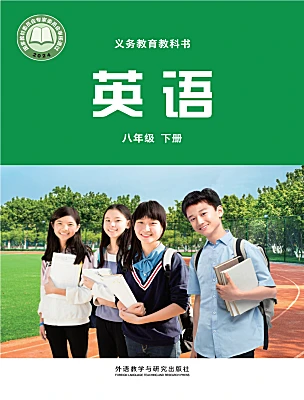 新教材
新教材
注册成功
资料篮

在线客服
添加在线客服
获取1对1服务
官方微信
关注“教习网”公众号
打开微信就能找资料
赛课定制
添加在线客服
获取1对1定制服务
职称咨询
添加在线客服
获取1V1专业指导服务

免费福利


.png)