 免费领取教师福利


若您为此资料的原创作者,认为该资料内容侵犯了您的知识产权,请扫码添加我们的相关工作人员,我们尽可能的保护您的合法权益。


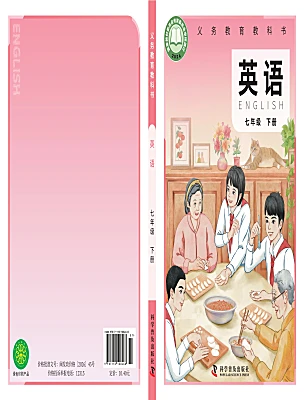
这是一份初中英语仁爱科普版(2024)七年级下册(2024)Unit 8 Our Blue Planet教案,共38页。
= 1 \* ROMAN \* MERGEFORMAT I. Material analysis
内容解读:本部分为听说活动,以水资源相关的词汇学习为引领开展听说活动,帮助学生打开话题。首先,通过匹配国内外典型河流与水域资源的名称、简介和图片,迅速进入单元主题,将学生带入水的世界。再以听、读、说相结合的方式,依照示例进行情境替换对话,介绍相关水域资源的特征,重点呈现与之相关的基本词汇和目标语言。接着,通过听力活动,让学生了解中国典型河流与水域资源的特征,深刻感受祖国大好河山的特色与文化底蕴。最后,引导学生运用所学词汇与句型,创造性地介绍中国其他著名的水域。本部分共有3个活动。
= 2 \* ROMAN \* MERGEFORMAT II. Teaching aims
借助多模态资源,识别和理解国内外典型河流与水域资源的基本特征;
在听说活动中,梳理关键信息,形成结构化知识;
在创设的语境中,运用所学知识介绍中国其他水域资源,感受祖国大好河山的特色。
= 3 \* ROMAN \* MERGEFORMAT III. Teaching prcedures
= 4 \* ROMAN \* MERGEFORMAT IV. Blackbard design
Unit 8 Our Blue Planet
Lessn 2 Functin and Prnunciatin
= 1 \* ROMAN \* MERGEFORMAT I. Material analysis
内容解读:Functin部分为单元功能句的学习,从“听”的视角切入本单元“水资源保护”的主题,并结合语用知识的学习,开展听、读、说、写语言综合运用能力的训练。首先,学生以两两活动的形式,观察图片,并谈论水的来源。然后,通过听读肖雅与妈妈的对话,完成回答问题、信息填空等活动,深入了解水的来源、重要性以及保护水资源的原因,输入重点词汇和功能句。最后,学生围绕水资源的话题,在新的语境中创编对话,达到提高学生得体、恰当地与他人进行沟通和交流的能力。本部分共分为4个活动。
Prnunciatin部分为语音训练,学习字母组合al, ar, wa, ch/tch, dge/g,gu, gh, t的发音规则,以及句子的升调与降调。首先,通过音频感知以上字母组合的发音;接着,通过跟读练习发音,归纳其发音规则,做到见词能读;最后,通过口头模仿,感知陈述句和疑问句中的不同语调,做到语调自然、顺畅,提升语音技能。本部分共有4个活动。
= 2 \* ROMAN \* MERGEFORMAT II. Teaching aims
通过听读活动,获取和梳理对话内容,了解水的来源和重要性;
2. 创编对话,在实践中运用、内化所学语言和文化知识,树立节水理念;
3. 通过听音,辨识字母组合al, ar, wa, ch/tch, dge/g,gu, gh, ght的发音,并归纳其发音规则,做到见词能读,听音能辨;
4. 通过口头模仿,感知在陈述句和疑问句中的语调变化。
= 3 \* ROMAN \* MERGEFORMAT III. Teaching prcedures
= 4 \* ROMAN \* MERGEFORMAT IV. Blackbard design
Unit 8 Our Blue Planet
Lessn 3 Thinking Skills and Reading Strategies
= 1 \* ROMAN \* MERGEFORMAT I. Material analysis
内容解读:Thinking Skills 部分为思维技能学习,内容为辨识主旨大意和细节信息,即提取、整理、概括语篇中的主要内容以及支撑性的关键信息。首先是思维技能的学习理解活动,呈现思维技能的定义和说明;接着,学生借助图片和文本,了解水的用途,并观察和理解细节信息如何支撑主旨大意;然后,学生阅读语篇,提取和归纳语篇中的主旨大意和细节信息,建构主旨与细节图表;最后尝试用主旨与细节图的思维技能,谈论日常生活中水的其他用途。本部分共有3个活动。
Reading Strategies部分为阅读策略学习,要求学生通过可视化阅读策略,进行观察和想象,将文字具象化,以更好地理解语篇内容。首先,呈现阅读策略的定义或说明,结合图片和文本,要求学生运用可视化策略,梳理Steps t visualize中I read、I see in my mind、 Nw, I understand三个步骤,了解水变成云的过程。然后,要求学生阅读语篇并划出能够引发学生想象的内容,进一步了解水如何在自然界中循环,包括蒸发、凝结、降水等过程,并通过想象来构建相应的视觉形象。最后,学生向同伴描述自己所想象的内容,并以此为支架讨论水循环的过程。本部分共有3个活动。
= 2 \* ROMAN \* MERGEFORMAT II. Teaching aims
运用辨识主旨大意和细节信息的思维技能,绘制主旨与细节图;
运用可视化阅读策略,引导学生通过观察和想象,更好地理解水循环的过程;
基于水循环的知识,梳理I read、I see in my mind、Nw, I understand三个步骤,认识到水资源的有限性,培养珍惜水资源的意识。
= 3 \* ROMAN \* MERGEFORMAT III. Teaching prcedures
= 4 \* ROMAN \* MERGEFORMAT IV. Blackbard design
= 4 \* ROMAN \* MERGEFORMAT V. Teaching material
Thinking Skills: Identifying the main idea and details
·Hw t find the main idea and details?
eg: Lk at the main idea and details and find ut the relatinship amng them.
I have a new cat. It's black and has tw big pckets. It’s sft and warm. There are sme white flwer pictures n it. It makes me feel cmfrtable when I g utside. I like it very much.
Exercise 1 Read the Stry and decide what the main idea is.
My dg’s name is Lucky. Lucky can d lts f things. She knws hw t sit and lie dwn when I tell her t. Lucky als can turn ver! Anther thing Lucky can d is t shake her frnt feet t say hell t peple. Lucky is the best dg in the wrld.
Cut ut the sentences and fill the fllwing blanks.
Main Idea:
Supprting Detail 2:
Supprting Detail 1:
Supprting Detail 3:
Answers:
Main Idea: Lucky can d lts f things.
Supprting details: She can sit and lie dwn; Lucky can turn ver; She can shake frnt feet.
Reading Strategies: Visualizing
Exercise 1 Try t make a picture in yur mind when yu hear my sentences.
1.“The seed turned int a beautiful flwer.”
2.“It’s ging t rain next.”
3.“Leaves are falling dwn here and there.”
Exercise 2 Read the texts and figure ut what makes yu picture smething in yur mind.
1.Green grass grws under the small huse. The Sun shines ver the small huse. Three birds fly in the sky. A hen is n the dry grass at the tp windw. A hrse is lking ut frm the large windw. A dg is sitting n ne f thse grups.
2.Last week, I went swimming in the sea. The water was clear. I saw many clrful fish swimming arund me. There were sme rund stnes n the bttm. Sme plants mved slwly with the waves. It was really beautiful. I had a great time there.
Unit 8 Our Blue Planet
Lessn 4 Theme Reading
= 1 \* ROMAN \* MERGEFORMAT I. Material analysis
内容解读:Theme Reading部分为主题阅读活动,帮助学生运用本单元所学的思维技能和阅读策略开展主题阅读。首先,以小组合作的形式,观察图片并讨论日常生活中的节水行为,积累相关词汇和句型,激活背景知识。其次,初读语篇,回扣本单元可视化阅读策略,梳理Steps t visualize的三个步骤,提升策略运用能力和阅读理解能力。接着,再读语篇,针对语篇的主旨要义与关键细节等开展学习理解活动,并完成判断正误练习,注重主题知识的学习和理解。然后,结合本单元“辨识主旨大意与细节信息”思维技能的实践应用复读语篇,强调主题知识的巩固与内化和思维技能的迁移创新运用。最后,通过完成填空练习,强化语言知识的学习与应用,引导学生形成“环境保护,从我做起,长期坚持,人人有责”的环保理念。本部分共有5个活动。
= 2 \* ROMAN \* MERGEFORMAT II. Teaching aims
运用可视化阅读策略,构建沙漠中节水行动的视觉化场景,加深对语篇的理解;
运用辨识主旨大意和细节信息的思维技能,梳理和概括语篇的关键信息和主旨大意,绘制主旨与细节图;
通过谈论沙漠中的节水措施,感悟珍惜水资源的重要性,培养节水意识。
= 3 \* ROMAN \* MERGEFORMAT III. Teaching prcedures
= 4 \* ROMAN \* MERGEFORMAT IV. Blackbard design
Unit 8 Our Blue Planet
Lessn 5 Grammar in Use
= 1 \* ROMAN \* MERGEFORMAT I. Material analysis
内容解读:Grammar in Use部分为语法知识的学习,内容包括千位数以上基数词和祈使句两个部分。在千位数以上基数词部分,首先要求学生在语篇中感知千位数以上基数词的表达形式。然后,学生借助翻译训练、补全句子等活动,理解和体会千位数以上基数词的读法。最后,在特定的语境中引导学生正确使用千位数以上基数词。在祈使句部分,首先学生通过对话感知祈使句的肯定句与否定句的表达形式。然后,观察、归纳祈使句的形式、意义,并完成相关表格。要求学生在语境中体会、理解祈使句用于表达命令、请求、劝告、警告、禁止等语气的表意功能。最后,学生匹配图文,并用祈使句造句。本部分共有6个活动。
= 2 \* ROMAN \* MERGEFORMAT II. Teaching aims
在语篇中感知千位数以上基数词的形式、意义和用法;
观察、归纳祈使句肯定句和否定句的形式、意义和用法,体会、理解祈使句的语气;
初步具有运用千位数以上基数词和祈使句的能力;在新语境中运用所学语法知识,描述节水行动。
III. Teaching prcedures
= 4 \* ROMAN \* MERGEFORMAT IV. Blackbard design
Unit 8 Our Blue Planet
Lessn 6 Oral Cmmunicatin
= 1 \* ROMAN \* MERGEFORMAT I. Material analysis
内容解读:Oral cmmunicatin部分为口语交际活动,采取“以听促说”的形式,引导学生拓展单元“水资源保护”的话题,开展口头语言交际活动。首先,围绕如何制作世界水日海报的听力活动展开,完成图片排序和听力填词两项任务,学习话题知识以及相关词汇、句型、句式等语言知识。其次,根据听力内容迁移创新,利用所给活动素材和语言提示,进行小组活动,激发学生讨论并记录更多实用且创新的节水措施,运用相关表达顺利完成口语交际任务。本部分共有2个活动。
= 2 \* ROMAN \* MERGEFORMAT II. Teaching aims
运用所学听力策略获取关于世界水日的细节信息;
基于所获信息,提取、归纳制作世界水日宣传海报的关键信息;
运用相关的语言表达,谈论更多实用且创新的节水措施,培养节约用水的良好习惯。
III. Teaching prcedures
= 4 \* ROMAN \* MERGEFORMAT IV. Blackbard design
Unit 8 Our Blue Planet
Lessn 7 Reading fr Writing
= 1 \* ROMAN \* MERGEFORMAT I. Material analysis
内容解读:Reading fr Writing部分为以读促写活动,培养学生的书面表达能力。首先,学生通过阅读范文,获取有关节约用水的相关知识,整理内容结构图。其次,学生复习本单元思维技能,借助主旨与细节图梳理语篇要点和关键信息,确定写作内容要点,学习范文语言。接着,教师布置写作任务,通过自主绘制节水的主旨与细节图表,并根据所提供的写作模板,要求学生完成初稿写作。然后,学生对照范文,检查初稿,修改后定稿。最后,学生根据评价量表,通过自评和互评,改进初稿的结构、内容和语言。本部分共有5个活动。
= 2 \* ROMAN \* MERGEFORMAT II. Teaching aims
基于写作目的、文体和要求,分析语篇结构,列出有关居家与户外节水方式的内容要点;
绘制主旨与细节图,谋篇布局,拟定框架,完成写作任务;
通过自评和互评,学会反思,改进初稿的结构、内容和语言。
= 3 \* ROMAN \* MERGEFORMAT III. Teaching prcedures
= 4 \* ROMAN \* MERGEFORMAT IV. Blackbard design
Unit 8 Our Blue Planet
Lessn 8 Prject and Review
= 1 \* ROMAN \* MERGEFORMAT I. Material analysis
内容解读:Prject部分为本单元的实践项目活动,基于单元“水资源保护”主题,学习与运用跨学科知识和社会文化知识,要求学生自创一个世界活动日制作海报。首先,学生以两两合作、小组活动等形式,谈论世界森林日的专题海报,了解海报的格式和构成要素。然后,学生以保护地球为主题自创一个世界活动日,仿照示例,并为之制作一张海报。最后,学生向全班汇报小组制作的海报,并评选出最佳设计,完成项目实践活动。本部分共有3个活动。
Review部分为单元复习,学生通过听说活动、语篇填空、看图造句和阅读理解等活动回顾单元主题,并对单元的主题词汇和语法项目进行复习。首先,要求学生听音频,完成判断正误练习,并两两讨论听力材料中的内容,了解水和健康的关联。其次,学生结合图片中呈现的信息,在语篇中根据上下文语境完成选词填空,巩固和内化词汇知识,提高词汇运用能力。然后,学生以两两合作的形式,根据图文语境,用祈使句讨论如何保护地球环境,提升语法知识的实践应用和迁移创新能力。最后,学生通过语篇阅读,回答相关问题,分享关于节水的思考,提升综合语言运用能力。本部分共有4个活动。
= 2 \* ROMAN \* MERGEFORMAT II. Teaching aims
通过听说读写的活动,复习巩固本单元话题词汇和语法;
通过制作海报的方式,综合所学语言分析保护地球的原因,培养环保意识;
主动反思和评价自我表现,促进自我监督式学习;
积极参与环保行动,参与环保宣传,为环保贡献力量。
= 3 \* ROMAN \* MERGEFORMAT III. Teaching prcedures
= 4 \* ROMAN \* MERGEFORMAT IV. Blackbard design
课时教学内容概述
本课时为听说活动,以单元主题词汇学习为引领开展听说活动,帮助学生打开话题。Activity 1 为词汇学习,分为A、B和C三个小活动。活动A学生通过看图学习水域资源的词汇,匹配图片和水域名称,活动B要求学生根据描述选择正确的水域名称,活动C学生通过替换加粗部分进行简单操练,帮助学生进一步巩固对水域资源名称及其特征的认识。此活动旨在帮助学生学习理解词汇和句型,为学习理解类活动。Activity 2 为听力训练,学生继续围绕水域资源的话题,开展听力活动,然后通过梳理关键信息,形成相关水域资源的结构化知识,运用和巩固Activity 1中所学知识。此活动为应用实践类活动。Activity 3为自由对话,要求学生借助图文提示,谈论黄果树瀑布的相关知识,并结合所学知识,和同伴对话。此活动为迁移创新类活动。
教学流程图
Match the places with the pictures
Pair wrk:
Talk abut Huanggushu Waterfall
Listen t the cnversatin and cmplete the table
Read the descriptins and chse the crrect places
Famus waterscape
Pair wrk: Practice the useful expressins
教学步骤
学习活动
效果评价
Step 1
Lead-in
Lk at the pictures n Page 21 and watch sme shrt vides abut ther famus waterscapes in the wrld.
Answer the fllwing questins:
·What are they?
·What d yu knw abut them?
观察学生回答问题的表现,了解其对国内外著名水域资源的知识储备。
设计意图:利用多模态资源导入主题,激活学生已知知识,为后续学习做好铺垫。
Step 2
Pre-listening
1. Match the places (a-e) with the pictures n Page21.
2. Read the descriptins in Activity 1-B and chse the crrect places in Activity 1-A.
3. Answer the fllwing questins:
Hw d yu get the answers?
What else d yu knw abut these places?
4. Use the sentence patterns in Activity 1-B “It runs thrugh is ... kilmeters lng/It is ... meters wide/ high.” t describe the ther waterscrapes.
根据学生完成的情况,判断学生是否了解不同水域资源的特点。
观察学生运用句型描述其他水域资源的表现,评价其语言运用能力。
设计意图: 通过匹配活动,巩固学生对世界典型河流与水域资源的名称及其特征的认识,引导学生在语境中学习并正确使用目标语言,为听力活动作铺垫。
Step 3
Listening & Speaking
1. Listen and repeat the cnversatin in Activity 1-C.
2. Wrk in pairs.
Practice the cnversatin in Activity 1-C.
3. Wrk in pairs.
Replace the parts in bld and practice with the partner.
4. Share in class.
5. Read the table in Activity 2. Predict the imprtant infrmatin in the table.
6. Listen and cmplete the table.
7. Listen again. Fllw and imitate the prnunciatin f the numbers and the intnatin.
观察学生朗读和模仿的情况,以及两两对话中的表现,评价其在真实语境中信息置换的能力,把握其对重点语言表达的学习和内化情况。
观察学生对听力细节信息的获取情况,判断学生在听中提取关键信息的能力。
观察学生跟读录音的情况,尤其是千位数以上基数词的读法,根据需要给出必要指导和反馈。
设计意图:通过听、读、写活动,引导学生获取语料中的关键信息,在跟读中,内化语言,为后续语言输出奠定基础。
Step 4
Pst-listening
1. Free talk. Lk at the picture in Activity 3 and talk abut Huanggushu Waterfall.
2. Wrk in pairs.
Use the given expressins in Activity 3 and make a cnversatin with the partner.
3. Wrk in grups.
Talk abut ther famus waterscrapes in China with the help f sme pictures, vides and key wrds.
观察学生在两两对话中的表现,根据需要给出必要指导和反馈。
观察学生根据图文提示,运用所学词汇与句型,介绍中国其他水域资源的情况,评价教与学的成效。
设计意图:在迁移的语境中,运用所学语言创造性地介绍中国更多被广泛知晓的水域资源,提升学生的创新思维与表达能力,培养词汇运用和情境交际能力,深刻感受祖国大好河山的特色。
Unit 8 Our Blue Planet
Lessn 1 Listening & Speaking
Wrd:
The Pacific Ocean Niagara Falls The Nile River Lake Baikal
The Bhai Sea waterfall inland freshwater
Sentence:
D yu knw …?
--It is … meter-high waterfall in …
--It is … kilmeters lng.
--It runs thrugh …
--It is very large and deep. It is ne f the … n the earth.
课时教学内容概述
本课时是功能部分和语音训练。
Functin部分语用知识的学习,从“听”的视角切入单元主题。通过听力对话的形式,呈现肖雅与妈妈的互动,探讨水的来源、重要性以及水资源的有限性,旨在教育学生要认识到水的珍贵和节约用水的重要性,珍惜水资源。Activity1为听前热身活动。通过观察图片,帮助学生初步了解水的来源。Activity 2为听中学习理解活动。通过听对话,回答问题,了解对话的主要内容。Activity3为听后应用实践活动。再听音频,通过信息填空等方式梳理细节信息和理解文本主旨大意,理解水的来源、重要性以及水资源保护的原因。Activity 4为听后迁移创新活动。运用音频中掌握的功能句编写对话,进一步探究主题意义。
Prnunciatin部分以语音训练和歌谣的形式引入单元话题。Activity 1帮助学生感知语音现象。学生通过歌谣感知字母组合al, ar, wa, ch/tch, dge/g,gu, gh, ght的发音。Activity 2帮助学生提炼语音规则。学生通过跟读单词及其发音,学习字母组合al, ar, wa, ch/tch, dge/g, gu, gh, ght的发音规则。Activity 3帮助学生内化所学知识。学生通过听音跟读几组发音相似的单词,区分不同字母组合的发音差异,提高发音的准确性,巩固所学语音知识。Activity 4帮助学生提升语音技能。学生通过朗读句子并标记每句最后一个词的升降调,再听录音核对答案,感知在陈述句和疑问句中的语调变化。
教学流程图
Pair wrk:
Lk at the pictures and talk abut where water cmes frm.
Pair wrk
Make up a new cnversatin abut water
First listening:
Answer questins
Functin
Secnd listening:
Cmplete the summary
Chant:
Listen and fllw
Sum up the prnunciatin rules f sme grups f letters and the rising and falling tne f the last wrd in sentences.
Listen and read
Prnunciatin
Listen and
tell the differences
Read and mark the rising r falling tne. Then listen and check.
教学步骤
学习活动
效果评价
Step 1
Lead-in
Lk at the pictures in Activity1 and answer the fllwing questin:
Where des water cme frm?/Where is water frm?
观察学生的表现,了解其对水资源来源的知识储备。
设计意图:利用视频、图片,导入本课主题,激活已知,为后续学习做好铺垫。
Step 2
Listening & Reading
1. Befre listening, read the questin in Activity 2.
2. Listen t the cnversatin and answer the questin.
3. Listen and read the cnversatin in Activity 3.
4. Cmplete the summary in Activity 3. Then check the answers.
5. Wrk in pairs.
Rle play the cnversatin and shw it in class.
根据学生的回答,评价学生归纳主旨大意和获取关键信息的能力。
观察学生在角色扮演展示中表现,根据需要给出必要指导和反馈。根据评价量表评价学生的表现。
设计意图:根据文本回答问题及补全概要,培养学生提取关键信息的能力;通过角色扮演促其内化所学知识,为后续的迁移活动做好准备。
Step 3
Pair wrk
1. Talk abut the questins in Activity 4.
2. Make up a new cnversatin abut water.
3. Shw the new cnversatin in class.
根据学生表现,评价其综合运用所学词语、句型和结构的情况,给予必要指导和反馈。
设计意图: 在迁移创新的语境中,通过谈论相关主题、编写对话,帮助学生正确使用目标语言,学以致用,发展语言能力。
Step 5
Prnunciatin
1. Listen t the chant in Activity 1. Pay attentin t the prnunciatin f the clred letters.
2. Read the chant individually.
3. Listen and read the sunds and wrds alud in Activity 2.
4. Discuss with the partner and sum up the prnunciatin rules f sme grups f letters (al, ar, wa, ch/tch, dge/g,gu, gh, t).
5. Read alud the new wrds with the same grups f letters.( Fr example, dark, car, large, hard, march, guard...)
6. Listen and circle the wrd with a different sund in each grup in Activity 3. Pay attentin t the differences between the sunds in each pair.
7. Read the sentences in Activity4 alud and mark the last wrd with a rising tne r a falling tne.
8. Listen t the sentences in Activity 4 and check the answers. Then read them again. Pay attentin t the tne.
9. Discuss the functin and imprtance f a rising r falling tne.
观察学生跟读、根据读音规则读新词以及识别相近单词的活动表现,判断其对语音规则掌握和运用的情况。
设计意图:通过听、跟读、chant、朗读单词、识别单词等一系列活动,培养拼读能力;通过对话操练,感受在陈述句和疑问句中的语调变化。
Unit 8 Our Blue Planet
Lessn 2 Functin and Prnunciatin
Functin
Useful Expressin:
Where des … cme frm? --It’s … in the …
As we all knw, water is very imprtant t us.
We als need t …
Let’s save every drp f water.
Prnunciatin
ai ar wa ch/tch
[ɜ:] walk talk [ɜ: ǀ] als always [ɑ:] start duck [wɒ] want watch
[tʃ] chess catch dge/g gu gh ght
[dʒ] bridge judge large age [g] guess guide [f] laugh enugh
[t] right fight
课时教学内容概述
本课时为思维技能和阅读策略的学习。
Thinking Skills部分为“辨识主旨大意与细节信息”思维技能的学习。Activity 1为学习理解活动。学生观察图片以及主旨与细节图表,运用辨识主旨大意与细节信息的思维方式,梳理关键信息和概括主要内容,了解水资源的重要性。Activity 2为应用实践活动。学生阅读语篇,完成主旨与细节图,巩固和内化Activity 1中所学到的技能。Activity 3为迁移创新活动。学生谈论日常生活中水的其他用途,并用主旨与细节图表重新进行梳理,帮助学生牢固掌握辨识主旨大意和细节信息的思维技能。
Reading Strategies部分为“可视化阅读策略”的学习,引导学生通过观察和想象,更好地理解语篇内容。Activity 1和Activity 2为学习理解和应用实践类活动,学生通过观察图片并阅读语篇,了解水变成云的过程。接着,学生阅读有关水循环的语篇,引导学生运用可视化策略,构建相应的视觉形象。Activity 3为话题迁移创新活动,学生运用该策略,自行梳理出阅读语篇的步骤,向同伴描述,并讨论水循环的过程。
教学流程图
Lk at the pictures and read the text. Learn hw the details supprt the main idea
Talk abut mre uses f water and use a main idea and detail chart
Thinking Skill:
Identifying the main idea and details
Read the text and cmplete the main idea and detail chart
Read the text and use the picture t help yu visualize what yu read
Grup wrk:
Read and tell what yu visualize. Then Talk abut the water cycle
Reading Strategy:
Visualizing
Read the text and underline the useful infrmatin
教学步骤
学习活动
效果评价
Step 1
Lead-in
Brainstrming:
Lk at the pictures. Then talk abut what the pictures shw.
观察学生的表现,根据学生所说的内容,了解其对水的用途的认知情况。
设计意图:通过头脑风暴,引导学生思考图中传递的信息,激活学生已有知识,为后续学习做好铺垫。
Step 2
Reading &
Learning
1. Read the text in Activity 1 and learn hw the details supprt the main idea.
2. Read the text in Activity 2 and cmplete the main idea and detail chart.
3. Check the answers.
4. Retell the text based n the chart.
观察学生主旨与细节图的完成情况,判断其是否能正确使用此图表辨识主旨大意和细节信息。
观察学生复述活动中的表现,根据需要给出必要指导和反馈。
设计意图:引导学生依据主旨与细节图表辨识主旨大意和细节信息,并借助图表复述文本,为进一步在现实生活情境中运用所学知识做好铺垫。
Step 3
Drawing & Sharing
Talk abut mre uses f water in daily life, and write them dwn.
Wrk in pairs.
Draw a main idea and detail chart abut the imprtance f water based n the discussin.
Share students’ charts and ideas in class.
观察学生主旨与细节图表的绘制情况,评价其辨识主旨大意和细节信息的能力。
观察学生分享的表现,根据需要给出必要指导和反馈。
设计意图: 引导学生运用辨识主旨大意与细节信息的思维技能,梳理水资源的用途和重要性,绘制主旨与细节图,并围绕主题进一步探讨,完善图表,学以致用。
Step 4
Reading Strategies
Read the text carefully. Then learn hw t use the picture t summarize the steps t visualize: I read、I see in my mind、Nw, I understand.
Read the text in Activity 2 and underline what helps picture smething in mind.
Read the text in Activity 2 again and tell the partner what he r she visualizes. Then talk abut the water cycle.
Check the answers f steps t visualize.
观察学生在运用可视化策略观察和想象过程中的表现,判断学生对该阅读策略的掌握情况,以及对语篇理解的情况,必要时给予指导和反馈。
设计意图: 通过运用可视化阅读策略,引导学生将抽象的文本信息转化为具体的图像,有助于增强学生对水循环的理解。
Unit 8 Our Blue Planet
Lessn 3 Thinking Skills and Reading Strategies
Thinking Skills: Identifying the main idea and details
Main idea: the mst imprtant infrmatin
Detail: it tells us mre abut the main idea.
Reading Strategies: Visualizing
Making pictures in yur mind while reading
Main Idea
Details
A new cat
black
tw big pckets
sft and warm
sme white flwer pictures
cmfrtable
课时教学内容概述
本课时为主题阅读,是整个单元最核心的部分。阅读语篇为信息类文本,通过例举一个生活在沙漠中的家庭的用水情况,表达了作者对水资源的珍视之情,呼吁学生加入节约用水的行列,共同为改变现状做出贡献。Activity 1为热身准备活动。学生以小组合作的形式,观察图片并讨论日常生活中的节水措施。Activity 2为阅读理解及策略应用活动。学生通过阅读语篇,梳理出语篇视觉化场景的步骤,复习本单元的阅读策略。Activity 3为语篇精读及深入理解活动。学生通过阅读语篇,完成判断正误练习。Activity 4为思维技能实践应用活动。学生再读语篇,提取、概括关键信息和主要内容,完成主旨与细节图,复习本单元的思维技能。Activity 5为语言知识学习与应用活动。学生通过完成填空练习,巩固有关节水措施的词汇。
教学流程图
Grup wrk:
Lk at the pictures and discuss the measures t save water
Read the text and mark T r F
Read the text and visualize what students read
Fill in the blanks with the phrases frm the text
Grup wrk:
Lk at the chart and retell the text
Read the text again and cmplete the main idea and detail chart
教学步骤
学习活动
效果评价
Step 1
Lead-in
Wrk in grups.
Lk at the pictures in Activity 1 and discuss the measures t save water in daily life.
观察学生的讨论情况,根据学生讨论的内容,评价其节水知识的储备情况。
设计意图:学生通过小组讨论,结合自身实际,讨论日常生活中的节水行为,导入教学情境,激活主题相关背景知识,为语篇学习做好准备。
Step 2
Pre-reading
1. Observe the picture at the bttm, read the title and predict the main idea f the text.
2. Check the predictin.
根据学生的回答,判断其是否具有依据图片和标题获取信息、预测文本内容的能力。
设计意图:通过引导学生观察图片、标题,预测文本主旨大意。
Step 3
While-Reading
1. Read the first paragraph and talk abut hw t save water in deserts in pairs.
2. Read the rest part f the text, and visualize what students read.
3. Share the steps t visualize in class. Then check the answers.
4. Answer the fllwing questins:
·Why des the authr use“but”in the secnd sentence?
·What can we d t make a difference?
·What can yu learn frm the passage?
Read the text again and mark T r F. Then check the answers.
Cmplete the main idea and detail chart accrding t the text. Then check the answers.
Fill in the blanks with the phrases frm the text. Then check the answers.
观察学生梳理Steps t visualize的情况以及回答问题链的情况,判断其是否能够运用可视化阅读策略,理解语篇内容和隐含信息。
根据学生读中判断正误的情况,评价学生对文章细节的理解。
观察学生主旨与细节图的填写情况,以及基于原文填空的情况,判断其对本单元思维技能的掌握情况,以及对目标语言的内化情况。
设计意图: 引导学生阅读文本,绘制主旨与细节图,回顾本单元所学的可视化阅读策略,了解沙漠中的节水措施,内化语言,形成节水理念。
Step 4
Pst-reading
Wrk in grups.
Retell the text based n the main idea and detail chart in Activity 4. Then shw it in class.
Further think and answer:
·D yu knw what areas are shrt f water?
What measures can be taken t help save water?
·Make a main idea and detail chart accrding t
yur ideas?
·What creative and effective measures abut saving water in ther cuntries?
观察学生的复述是否全面具体,使用语言是否正确,把握学生对目标语言的内化情况。
根据学生对问题的回答,判断学生对主题知识的了解情况。
设计意图: 引导学生基于主旨与细节图进行复述,内化语言;学生通过深度思考,深刻意识到水资源的短缺的现状,增强环保意识。
Unit 8 Our Blue Planet
Lessn 4 Theme Reading
Saving water in deserts
Main Idea:Water is s imprtant and valuable fr peple living in the desert.
Details:take a quick shwer nce a week
reuse the water
spend a lt f mney digging wells
Phrase:
As a matter f fact imprtant and valuable spend mney (n) ding sth.
make a difference tgether
课时教学内容概述
本课时为语法学习与使用,分为两个部分,包括千位数以上基数词和祈使句。
千位数以上基数词部分:Activity 1呈现语法现象,通过呈现图片和文本,了解和感知千位数以上基数词的写法和基本意义。Activity2归纳语法规则,通过完成表格填空,帮助学生理解和归纳千位数以上基数词的正确读法。Activity 3为迁移创新应用,通过补全句子的方式,在新语境中引导学生正确使用千位数以上基数词,巩固所学。学生通过3个活动感知意义、归纳形式、实践应用。
祈使句部分:Activity 1展示语法现象,通过对话感知祈使句的肯定句与否定句的表达形式。Activity 2归纳语法规则,围绕节约用水的话题,观察、归纳并完成有关祈使句肯定句和否定句的表格,体会、理解祈使句用于表达命令、请求、劝告、警告、禁止等语气的表意功能。Activity 3为迁移创新应用,通过匹配图文,运用祈使句表达节约用水的措施。学生通过这3个活动感知意义、归纳形式、实践应用。
教学流程图
Read the numbers and cmplete the table. Then summarize the rules.
Understand hw numbers greater than 999 are used by studying the given sentences
Cmplete the sentences with the numbers in the brackets
Make imperative sentences with the given wrds r phrases
Summarize the sentence patterns f the imperative sentences by cmpleting the table
Pair wrk:
Understand the usage f the imperative sentences by studying the cnversatin
教学步骤
学习活动
效果评价
Step 1
Observing
Lk at the pictures in Activity 1 and read the sentences.
Pay attentin t the numbers in bld.
Identify hw t write a number greater than 999. Pay attentin t the psitin f the cmma.
观察学生的表现,根据其归纳的情况,了解其是否掌握千位数以上基数词的写法。
设计意图:在语境中呈现千位数以上基数词的写法,引导学生进一步了解世界水景知识,并掌握该语法形式。
Step 2
Summarizing
1. Read the numbers in Activity 1 with the help f teacher.
2. Read the numbers in Activity 2 individually by fllwing the example.
3. Cmplete the table. Then check the answers.
4. Discuss and summarize the prnunciatin rules f these numbers.
5. Read the numbers tgether.
观察学生朗读千位数以上基数词的情况,根据其归纳读法规则的情况,判断其对该语法的掌握程度。
设计意图:引导学生讨论,自主发现并总结千位数以上基数词的写法和读法规律。
Step 3
Applying
Chain Game.
The teacher gives a number greater than 999. Then students speak ut the number greater than it ne by ne.
Cmplete the sentences with the numbers in the brackets in Activity 3.
Check the answers. Then read the sentences in Activity 3 alud.
观察学生在接龙游戏以及完成句子中的表现情况,判断其是否能理解该语法的形式和意义并在语境中正确使用。
设计意图:学生通过接龙游戏和完成句子的练习活动,巩固千位数以上基数词的写法和读法,在语境中准确表达该类基数词。
Step 4
Observing
Wrk in pairs. Read the cnversatin in Activity 1 and pay attentin t the imperative sentences.
Discuss the psitive and negative imperative sentence patterns.
·D sth..
·Dn’t d sth..
Analyze the differences in tne (such as requests, cmmands, warnings, etc.) expressed by the psitive and negative imperative sentences
观察学生讨论中的回应和反馈,给予鼓励和指导。
设计意图: 通过朗读、观察、讨论、分析,引起学生的兴趣,激活学生的思维。
Step 5
Summarizing
Cmplete the table in Activity 2 and learn hw t use imperative sentences.
Check the answers.
Read the sentences in different tnes crrectly.
观察学生完成语法表格情况,了解其对祈使句的内化情况。
设计意图:学生通过表格理解和运用祈使句肯定句和否定句,学会在不同的情境下正确使用祈使句来表达意义。
Step 6
Applying
Match the pictures with the wrds r phrases. Then check the answers.
Make imperative sentences based n the pictures and expressins.
Check the answers.
Write a shrt passage abut hw t save water by using imperative sentences.
Share the passage in class.
观察学生学习活动的表现,评价学生在迁移的新语境中综合运用所学语法知识的情况。
设计意图: 在真实语境中,引导学生正确使用祈使句谈论节水措施,帮助学生准确、恰当、得体地使用祈使句肯定句与否定句的语言形式,引导学生发展英语语法意识和能力。
Unit 8 Our Blue Planet
Lessn 5 Grammar in Use
Numbers:
1,000 ne thusand 10,000 ten thusand
1,000,000 ne millin 1,000,000,000 ne billin
Imperative sentences
Save every drp f water!
Dn’t smke in the library.
N parking!
课时教学内容概述
本课时为口语交际活动,内容围绕“世界水日”的这一主题展开。Activity 1为听力理解活动,分为A和B两个部分。活动A部分,学生根据听力内容完成图片排序;活动B部分,学生根据听力内容完成听力填词。两个活动由浅入深地帮助学生梳理、掌握听力文本中的关键信息,了解世界水日的相关知识以及海报制作的关键要素。Activity2为口头表达活动,学生利用所给的图片素材和语言提示,进行小组讨论并记录更多实用且创新的节水措施,并在班级进行汇报。
教学流程图
First listening:
Listen and put the pictures in the crrect rder.
Pre-listening:
Lk at sme pictures r watch sme vides abut Wrld Water Day
Secnd listening:
Listen again and cmplete the table
Grup wrk:
Talk abut the pictures and discuss what else yu can d t save water. Then Write them dwn.
教学步骤
学习活动
效果评价
Step 1
Lead-in
Lk at sme pictures r watch sme vides abut Wrld Water Day.
Talk abut Wrld Water Day.
依据学生回答的内容,了解其关于世界水日的知识储备。
设计意图:学生通过图片、视频等多模态资源,激活已知知识,为本课学习做好准备。
Step 2
Predicting & Listening
Befre listening, lk at the pictures and predict what the cnversatin is abut and what’s the crrect rder f the pictures.
Listen t the cnversatin and put the pictures in the crrect rder.
Check the answers.
Listen again and cmplete the table. Then check the answers.
Fllw and read the cnversatin. Pay attentin t the rising r falling tne.
观察学生听力活动完成情况,评价其听力活动中获取和记录关键信息的能力。
观察学生朗读和模仿对话的表现,给予必要指导和反馈。
设计意图:通过多层次的听力活动,培养学生听前预测、听中获取和记录关键信息的听力策略。
Step 3
Oral Cmmunicatin
Wrk in grups.
Talk abut the pictures and discuss what ther measures can be taken t save water. If necessary, search fr mre infrmatin n the internet.
Write the ideas in the blank. Then share them in class.
观察学生在小组活动中的表现,判断其是否在口语交际中使用较为准确的词语和表达法,语音、语调基本正确。
设计意图: 通过谈论节水措施的口语交际活动,引导学生在口头表达中使用恰当的句型、丰富的词语、流畅的语言,提升学生的口语交际能力。
Unit 8 Our Blue Planet
Lessn 6 Oral Cmmunicatin
Wrld Water day
Date: _______
Grup wrk:
Water is imprtant and valuable fr us. We shuld save water in daily life. First, try t turn ff the tap when yu brush yur teeth. Then, cllect rainwater n rainy day. Next, reuse water…
课时教学内容概述
本课时为口语交际活动,内容围绕“世界水日”的这一主题展开。Activity 1为听力理解活动,分为A和B两个部分。活动A部分,学生根据听力内容完成图片排序;活动B部分,学生根据听力内容完成听力填词。两个活动由浅入深地帮助学生梳理、掌握听力文本中的关键信息,了解世界水日的相关知识以及海报制作的关键要素。Activity 2为口头表达活动,学生利用所给的图片素材和语言提示,进行小组讨论并记录更多实用且创新的节水措施,并在班级进行汇报。
教学流程图
Pre-listening:
Lk at sme pictures r watch sme vides abut Wrld Water Day
First listening:
Listen and put the pictures in the crrect rder.
Grup wrk:
Talk abut the pictures and discuss what else yu can d t save water. Then Write them dwn.
Secnd listening:
Listen again and cmplete the table
教学步骤
学习活动
效果评价
Step 1
Lead-in
Lk at sme pictures r watch sme vides abut Wrld Water Day.
Talk abut Wrld Water Day.
依据学生回答的内容,了解其关于世界水日的知识储备。
设计意图:学生通过图片、视频等多模态资源,激活已知知识,为本课学习做好准备。
Step 2
Predicting & Listening
Befre listening, lk at the pictures and predict what the cnversatin is abut and what’s the crrect rder f the pictures.
Listen t the cnversatin and put the pictures in the crrect rder.
Check the answers.
Listen again and cmplete the table. Then check the answers.
Fllw and read the cnversatin. Pay attentin t the rising r falling tne.
观察学生听力活动完成情况,评价其听力活动中获取和记录关键信息的能力。
观察学生朗读和模仿对话的表现,给予必要指导和反馈。
设计意图:通过多层次的听力活动,培养学生听前预测、听中获取和记录关键信息的听力策略。
Step 3
Oral Cmmunicatin
Wrk in grups.
Talk abut the pictures and discuss what ther measures can be taken t save water. If necessary, search fr mre infrmatin n the internet.
Write the ideas in the blank. Then share them in class.
观察学生在小组活动中的表现,判断其是否在口语交际中使用较为准确的词语和表达法,语音、语调基本正确。
设计意图: 通过谈论节水措施的口语交际活动,引导学生在口头表达中使用恰当的句型、丰富的词语、流畅的语言,提升学生的口语交际能力。
Unit 8 Our Blue Planet
Lessn 7 Reading fr writing
Title: Saving Every Drp f Water
Beginning: Water is … We …
Bdy: Yu can start with little things t save water. …
End: Let’s …
课时教学内容概述
本部分为项目学习、单元复习和学生自评。Prject部分为制作一张海报。Activity 1为学习理解活动。学生以对话的形式,讨论关于世界森林日的海报内容,并阐述森林的重要性。Activity 2为应用实践活动。学生以小组为单位,围绕保护地球的主题自创一个世界活动日,设计一张海报。Activity 3为迁移创新活动。各组根据所设计的海报,向全班描述海报内容,最后选出最佳海报。
Review部分通过听说活动和阅读理解形式回顾单元主题,并对单元的主题词汇和语法知识进行复习。Activity 1 为听说活动,听力内容为水和健康一本书,学生听后完成True r False练习,并两两讨论从书中所学到的内容。Activity 2 为词汇练习,学生在语篇中根据上下文语境完成选词填空,并引发学生对海洋污染的关注。 Activity3 为语法复习,学生根据图文语境用祈使句讨论如何保护地球环境,紧扣单元主题,巩固语法知识。Activity 4为阅读理解,通过阅读语篇并回答问题,引导学生进一步理解节水的重要性,并结合实际生活情境进行深入探究,从而有效培养节水意识与习惯。
Self-assessment部分以客观评价和主观评价相结合的方式引导学生进行自评和反思。
教学流程图
Grup wrk:
Design a pster fr a special day f the wrld t prtect the earth
Pair wrk:
Talk abut the pster and list mre reasns
Share the pster and chse the best design
Pair wrk:
Lk at the pictures and talk abut hw t prtect ur planet by using imperative sentences
Pair wrk:
Listen and mark T r F. Talk mre abut water
Cmplete the text with the crrect frm f the phrases in the bx
Pair wrk:
Read and share ideas by answering the questins
教学步骤
学习活动
效果评价
Step 1
Lead-in
Watch a vide abut the damage f frests.
Free Talk:
What can yu learn frm the vide?
Why are frests imprtant?
依据学生谈论的情况,了解学生谈论关于森林保护的知识储备情况。
设计意图:通过视频激趣,师生对话,导入本课,激发学生参与项目活动的兴趣。
Step 2
Talking & Thinking
Wrk in pairs.
Talk abut the pster fr Wrld Frest Day and list reasns why frests are imprtant.
Analyze hw t make a pster.
Think further:
What can we d fr the frest prtectin?
Can yu captin(配文) the pster in a sentence t call n peple t prtect the frest?
根据学生的回答,判断其信息提取和图文转换能力。
设计意图:通过读图和回答问题,培养学生提取关键信息并进行图文转换的能力,并提取制作海报的要素,为后续海报设计做好铺垫。
Step 3
Designing a pster
Think and answer the questins:
What ther special days f the wrld t prtect the earth?
Can yu make a pster fr ne special day?
Wrk in grups.
Discuss with partners abut the theme f the pster.
Design a pster in Activity 2.
观察学生制作海报的过程,给与必要指导和反馈,判断其是否掌握海报制作的要素,把握其对语言和信息的内化情况。
设计意图: 通过制作与保护地球有关的世界活动日海报,树立环保观念。
Step 4
Presenting & Evaluating
Wrk in grups. Share the pster in class.
Evaluate each ther's pster. Chse the best design.
观察学生的海报设计及介绍情况,评价学生运用所学,有意义地思考、建构、交流和表达能力。
设计意图:通过呈现海报设计,培养学生运用本单元所学的语言及实践运用的能力,学以致用、学用一体。
Step 5
Reviewing
Listen t the cnversatin and mark True r False. Then check the answers.
Wrk in pairs.
Talk abut what yu’ve learned frm the bk in the cnversatin. Then share it with thers.
Lk at the pictures in Activity2. Predict what the text is abut. Then read the phrases in the bx and have a gd cmmand f them in the cntext.
Read the text and cmplete it with the crrect frm f the phrases in the bx. Then check the answers.
Discuss the fllwing questins:
What peple’s behavir cause the sea pllutin?
Hw can we students prtect the sea?
Wrk in pairs.
Lk at the pictures and talk abut hw t prtect ur planet by using imperative sentences.
Share it in class. Then check the answers.
Wrk in pairs.
Read the text and then share the ideas abut saving water by answering the questins. Then check the answers.
Wrk in grups:
Review the big questin "Why is water imprtant?" and then discuss the significance f prtecting water and the earth.
观察学生完成练习的情况,判断其获取并记录信息的全面和准确程度,了解学生对相关语言和信息的内化情况。
观察学生回答问题的情况,判断其对主题意义的理解程度,给出必要指导和反馈。
设计意图:通过听力活动,培养学生听前预测、听中记录、听后检查的听力策略;以语篇为依托,回顾单元主题,巩固和内化词汇知识,提高词汇运用能力;在具体语境中,巩固和复习祈使句的用法,提升语法知识的实践应用和迁移创新能力。
Step 6
Assessment
Cmplete the self-assessment list.
Reflect n what the students have learned in this unit.
依据学生评价量表,了解学生学习本单元的情况,调整下一单元的教学规划。
设计意图:通过单元评价量表,发挥学生主体作用,引导学生成为评价活动的参与者和合作者,推动学生主动反思和评价自我表现,促进自我监督式学习;教师由此获取英语教学的反馈信息,对自身的教学行为进行反思总结,不断提高教学水平和专业能力。
Unit 8 Our Blue Planet
Lessn 8 Prject and Review
Prject:
… Day: _____________
Pster
When: __________________
Why: __________________
Here is ur pster fr… It …
这是一份初中英语仁爱科普版(2024)七年级下册(2024)Unit 8 Our Blue Planet教案,共38页。
这是一份英语七年级下册(2024)Unit 8 Our Blue Planet教案,共28页。教案主要包含了教学内容,教学目标,教学重点,教学难点,教学方法,教学准备,课时安排,教学过程等内容,欢迎下载使用。
这是一份初中英语仁爱科普版(2024)七年级下册(2024)Unit 8 Our Blue Planet优秀教学设计,共8页。教案主要包含了单元课标要求,核心素养单元教学目标等内容,欢迎下载使用。
 新教材
新教材
注册成功
资料篮

在线客服
添加在线客服
获取1对1服务
官方微信
关注“教习网”公众号
打开微信就能找资料
赛课定制
添加在线客服
获取1对1定制服务
职称咨询
添加在线客服
获取1V1专业指导服务

免费福利

.png)
.png)
.png)
