免费领取教师福利

若您为此资料的原创作者,认为该资料内容侵犯了您的知识产权,请扫码添加我们的相关工作人员,我们尽可能的保护您的合法权益。


这是一份高考英语二轮-写作词汇(复习课件)(全国通用),共87页。PPT课件主要包含了高级词汇,简 单 句,复 合 句,特 殊 句,衔 接 词,晚词优先 ,具体词优先 ,短语优先,同位语,非谓语动词等内容,欢迎下载使用。
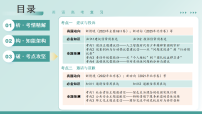
剖析考情动向 精研考点分布
搭建知识网络 整合能力体系
破解考点规律 攻克解题难关
考点一 读后续写高频四字成语七大场景58例
高考英语读后续写对四字成语的考查,核心趋势是“语境化嵌入 + 表意精准化 + 文化适配性”,不再是孤立的词汇识记,而是强调成语在叙事逻辑、情感表达、场景塑造中的功能性作用。
1. 考察范围:聚焦 “通用型 + 场景化” 成语,规避生僻表达
从近5年高考真题及各地模考题来看,读后续写中出现的四字成语主要集中在三类,且均为中英表意高度匹配、易于转化为英文表达的词汇:①情感类:喜怒哀乐的直接或间接表达,如心花怒放(wild with jy)、忐忑不安(n tenterhks)、愁眉苦脸(wear a lng face)、怒不可遏(be biling with rage)。②动作类:体现人物行为状态或情节推进,如大步流星(stride frward)、蹑手蹑脚(creep quietly)、毫不犹豫(withut hesitatin)、手忙脚乱(be in a frantic rush)。③场景 / 状态类:烘托故事氛围或环境特征,如鸦雀无声(a deathly silence)、风雨交加(rain and wind lash dwn)、焕然一新(take n a new lk)、井然有序(in perfect rder)。真题完全规避生僻成语(如 “沆瀣一气”“醍醐灌顶”),优先选择学生在阅读和写作中 “能认、能用、能译” 的通用表达。
高考英语读后续写对四字成语的考察,核心趋势是“语境化嵌入 + 表意精准化 + 文化适配性”,不再是孤立的词汇识记,而是强调成语在叙事逻辑、情感表达、场景塑造中的功能性作用。
2.考察形式:“隐性提示 + 显性输出” 结合,侧重语境应用
①隐性提示:真题原文中会用英文描述暗示成语含义,要求考生在续写时用对应的英文表达(或同义短语)呼应,本质是 “成语表意的英文转化”。例:原文提到 “She waited anxiusly fr her mther’s call, her fingers twisting the phne strap repeatedly”,续写时可对应 忐忑不安 的表意,用 She was n tenterhks, afraid f hearing bad news 衔接。 ②显性输出:部分模考题会直接给出四字成语作为“续写提示词”,要求考生将其精准转化为符合英文表达习惯的句子,而非逐字直译。例:提示词“喜出望外”,不可直译为 happy ut f expectatin,需用 T her great delight 或 She was verjyed 等地道表达。
3. 考察导向:服务 “叙事逻辑”,拒绝“堆砌式炫技”
高考阅卷标准明确:读后续写中的成语(英文表达)需“贴合情节、服务人物”,孤立堆砌成语会被判定为 “语言生硬”。真题倾向于引导考生在情节转折点、情感爆发点、场景切换点使用成语相关表达,例如:情节转折:When the lst by suddenly appeared at the dr, the whle family was verwhelmed with jy(喜出望外)情感爆发:Seeing his effrts ignred, he culd hardly cntain his anger(怒不可遏)and slammed the dr
语境解码能力:精准匹配成语与续写场景①情节线索捕捉需从原文的人物处境、矛盾冲突、情感基调中,锁定成语的适用场景。例:原文提到“主角在比赛前反复检查装备,手心冒汗”,考生需解码出“紧张焦虑”的语境,匹配忐忑不安(n tenterhks)的表意;若原文是 “主角努力数月后终于获奖”,则对应苦尽甘来(hard wrk pays ff)的场景。②提示词关联解读部分考题会直接给出成语作为续写提示,此时需要考生解读成语的内涵边界,而非仅停留在字面意思。例:提示词 “雪中送炭”,不能只理解为 “送东西”,而是要解码出 “他人处于困境时的及时帮助” 这一核心语境,再结合续写情节设计 “朋友借钱帮主角解决难题” 等内容。
高考英语读后续写对四字成语的考查,本质是对“语境解码 + 表意转化 + 叙事融合” 三类核心能力的综合检测,这三类能力层层递进,直接决定考生能否将成语的表意精准、自然地融入续写文本。
表意转化能力:实现成语的 “中英精准对接”①拒绝字面直译,把握核心语义四字成语大多是比喻义或引申义,直译会造成语义偏差或理解障碍。错误示例:“画蛇添足” 直译为 draw a snake and add feet(英文读者无法理解)正确转化:用 ruin the effect by adding smething superfluus 传递 “多余举动破坏整体效果” 的核心含义。②积累同义表达,适配不同句式同一成语的表意可对应多种英文表达,考生需根据续写的句式需求灵活选择。例:“心花怒放” 的核心是 “极度开心”,可根据句式转化为:形容词短语:wild with jy(作状语) 主谓结构:she was ver the mn(作主句)介词短语:t her great delight(作开头状语)
叙事融合能力:让成语表达服务于续写逻辑①衔接前文细节,强化逻辑连贯呼应人物性格,让成语体现 “性格驱动行为”核心逻辑:成语的表意要贴合人物的固有性格,让“行为 + 成语” 符合人物设定。呼应场景伏笔,让成语体现 “场景触发情感”核心逻辑:成语的情感要由原文的场景细节引出,让“场景 + 成语” 形成因果关系。②嵌入情感 / 情节转折点,提升叙事张力成语相关表达适合用于续写的情感爆发点、矛盾化解点、结局升华点,起到 “画龙点睛” 的作用。
考点二 读后续写高频“吸睛”动词35例
高考英语读后续写对高频动词的考查,核心趋势是“动作精准化 + 叙事功能性 + 语体适配性”,不再是简单的词汇识记,而是强调动词在塑造人物形象、推动情节发展、渲染场景氛围中的核心作用,紧扣高考 “素养导向、能力立意” 的命题原则。
叙事融合能力:让成语表达服务于续写逻辑①衔接前文细节,强化逻辑连贯成语表达需与原文的伏笔、人物性格相呼应,避免凭空出现。例:原文铺垫 “主角性格胆小,不敢上台演讲”,续写中 “主角鼓起勇气完成演讲” 的情节,可衔接鼓足勇气(summn up ne's curage)的表达,同时补充细节 Summning up all her curage, she stepped nt the stage, her vice trembling but clear,让表达与人物行为高度契合。②嵌入情感 / 情节转折点,提升叙事张力成语相关表达适合用于续写的情感爆发点、矛盾化解点、结局升华点,起到 “画龙点睛” 的作用。情感爆发点:Seeing the lst dg return hme, she burst int tears, verwhelmed with jy(对应喜极而泣)矛盾化解点:They finally reached an agreement, and all the misunderstandings vanished int thin air(对应冰释前嫌)
高考英语读后续写对四字成语的考察,本质是对“语境解码 + 表意转化 + 叙事融合” 三类核心能力的综合检测,这三类能力层层递进,直接决定考生能否将成语的表意精准、自然地融入续写文本。
高考英语读后续写对高频动词的考查,核心趋势是“动作精准化+叙事功能性+语体适配性”,不再是简单的词汇识记,而是强调动词在塑造人物形象、推动情节发展、渲染场景氛围中的核心作用,紧扣高考 “素养导向、能力立意” 的命题原则。
1. beam vi. 笑容满面;眉开眼笑● He beamed cnfidently as he walked nt the stage fr the English speech cntest.走上英语演讲比赛的舞台时,他自信地笑容满面。2. bw vt./vi. 鞠躬;弯腰● He bwed plitely t the judges after finishing his speech.演讲结束后,他礼貌地向评委们鞠了一躬。3. chuckle vi. 轻声笑;暗笑● He chuckled when he remembered the funny stry his deskmate tld.想起同桌讲的那个有趣的故事,他忍不住轻声笑了。4. clasp vt. 紧握;扣住(表坚定 / 珍视)● He clasped his hands tightly t hide his nervusness during the ral exam.口语考试时,他紧紧攥着双手,掩饰自己的紧张。5. clutch vt. 紧抓;抱紧● He clutched his exam paper tightly, afraid f missing any key pints.他紧紧攥着试卷,生怕漏掉任何关键点。
6. drag vt. 拖拽;拉扯(用力 / 疲惫)● She dragged her tired legs back t the drmitry after the all-day sprts meet.一整天的运动会结束后,她拖着疲惫的双腿回到宿舍。7. dash vi. 猛冲;飞奔● He dashed t the classrm when he realized he was ging t be late.发现快要迟到了,他飞奔着冲向教室。8. engulf vt. 吞没;吞噬(情感 / 场景)● A sense f panic engulfed her when she realized she was lst in the muntain.意识到自己在山里迷路了,一阵恐慌吞噬了她。9. frwn vi. 皱眉(表不满 / 困惑)● He frwned as he tried t wrk ut the difficult physics prblem.试图解这道难物理题时,他皱起了眉头。10. gasp vi. 倒抽冷气;喘息● Everyne gasped when the dark hrse wn the speech cmpetitin.当黑马赢得演讲比赛时,所有人都倒抽一口冷气。
11. hug vt. 拥抱;搂抱● She hugged her best friend tightly after receiving the gd news f admissin.收到录取的好消息后,她紧紧拥抱了最好的朋友。12. huddle vi./vt. 挤在一起;聚集(避寒 / 商议)● The students huddled tgether t discuss the grup prject in the cld classrm.寒冷的教室里,学生们挤在一起讨论小组项目。13. kneel vi. 跪下;屈膝● He knelt dwn t help the little girl pick up the scattered statinery.他跪下身子,帮小女孩捡起散落一地的文具。14. lean vt./vi. 倚靠;倾斜● She leaned against the wall, exhausted after the lng-distance running race.长跑比赛结束后,她疲惫地靠在墙上。15. linger vi. 徘徊;留恋不去● They lingered in the campus park after class, enjying the warm sunshine.课后他们在校园公园徘徊,享受着温暖的阳光。
16. mumble vt. 含糊地说;咕哝● He mumbled his reasns fr being late when facing the teacher.面对老师时,他含糊地说着迟到的理由。17. murmur vt. 低声说;喃喃自语● She murmured an aplgy as she bumped int the teacher in the crridr.走廊里不小心撞到老师,她低声说了句抱歉。18. nd vt./vi. 点头(表同意 / 回应)● She ndded repeatedly t shw she understd the teacher’s requirements.她频频点头,表示理解了老师的要求。19. nudge vt. 轻推;用肘碰(提醒 / 暗示)● His deskmate nudged him gently t remind him the teacher was lking at him.同桌轻轻碰了碰他,提醒他老师正在看他。20. verwhelm vt. 压垮;使不知所措(情感)● A strng feeling f gratitude verwhelmed him when he received the teacher’s help.收到老师的帮助时,一股强烈的感激之情让他不知所措。
21. pat vt. 轻拍(表安慰 / 鼓励)● The teacher patted him n the shulder t encurage him t keep trying.老师轻拍他的肩膀,鼓励他继续努力。22. press vt. 按压;紧握(表用力 / 紧张)● He pressed the pen tightly in his hand, struggling t think f the cmpsitin idea.他紧紧攥着笔,努力思索作文思路。23. rar vi. 大喊;咆哮(表愤怒 / 激动)● The crwd rared with excitement when their schl team scred a gal.看到校队进球,观众们激动地大喊起来。24. scribble vt. 草草书写;匆匆记录● She scribbled dwn the key pints befre the teacher erased them frm the blackbard.趁老师没擦掉黑板上的内容,她赶紧记下关键点。25. sigh vi. 叹气;叹息(表无奈 / 放松)● She sighed with relief after handing in the last exam paper.交完最后一门试卷,她如释重负地叹了口气。
26. sniff vi./vt. 嗅;闻;抽鼻子(表委屈 / 哭泣)● The little by sniffed back tears and said he didn’t break the windw.小男孩抽了抽鼻子忍住眼泪,说窗户不是他打碎的。27. squeeze vt. 紧握;挤压● She squeezed her mther’s hand nervusly befre stepping nt the stage.踏上讲台前,她紧张地握紧了妈妈的手。28. sb vi. 抽泣;呜咽● She sbbed quietly in the classrm after failing the imprtant exam.重要考试失利后,她在教室里悄悄抽泣。29. stagger vi. 蹒跚;眩晕(表疲惫 / 受伤)● The exhausted student staggered back t the drmitry after pulling an all-nighter.通宵熬夜后,疲惫的学生蹒跚着回到宿舍。30. stride vi. 大步走;阔步前进● He strde twards the pdium t receive his award with a smile.他微笑着大步走向讲台领奖。
31. strke vt. 轻抚;抚摸(表温柔 / 安慰)● She strked the stray cat’s fur gently, trying t calm its nervusness.她轻轻抚摸着流浪猫的毛发,试图安抚它的紧张情绪。32. tap vt. 轻拍;轻敲● The teacher tapped him n the desk t remind him t cncentrate in class.老师轻敲他的课桌,提醒他上课集中注意力。33. tipte vi. 踮脚走;蹑手蹑脚● She tipted int the classrm s as nt t disturb the studying classmates.她踮着脚尖走进教室,以免打扰正在学习的同学。34. unfld vt. 展开;打开● He unflded the map t find the shrtest rute t the cmpetitin venue.他展开地图,寻找去比赛场地的最短路线。35. utter vt. 说出;发出(声音)● She uttered a cry f jy when she saw her name n the admissin list.看到录取名单上有自己的名字,她发出一声喜悦的惊呼。
从 “单一动词” 向 “动词短语 / 固定搭配” 深化未来命题将进一步弱化孤立动词的考查,转而聚焦动词 + 介词 / 副词的固定搭配,这是规避中式表达、检测考生语言运用能力的核心方向。近 3 年新高考真题中,动词短语的考查占比从 35% 提升至62%,阅卷标准明确将 “短语运用地道性” 作为语言分的重要评分点。高频预测短语: 情感动作类:chke back(忍住泪水)…肢体动作类:reach ut fr(伸手去拿)…场景互动类:die dwn(风 / 声音渐弱)…
聚焦 “情感外化动词”,强化动作与情绪的关联性读后续写的高分关键在于“以动作写情感”,而非直接抒情。未来命题会更倾向考查能间接体现人物情绪的动词,要求考生通过动作细节传递喜怒哀乐,而非使用 “happy/sad” 等抽象形容词。命题强调 “叙事张力”,情感外化动词是连接 “动作描写”与“人物塑造”的桥梁。高频预测动词:紧张焦虑:fidget(坐立不安)、clench(咬紧牙关)、惊喜释然:gasp(倒吸一口气)、beam(笑容满面)、愧疚自责:hang ne’s head(低下头)、avid eye cntact(回避眼神)、twist ne’s hands(扭绞双手)
结合近年高考命题趋势与“素养导向、能力立意”的核心原则,读后续写对高频动词的考查将延续“精准化、功能性、语境化”方向,在动词短语的地道性、动作链的逻辑性、情感外化的细腻性上呈现新的命题侧重。
(一)A Memrable Speech Cntest As Tm walked nt the stage fr the English speech cntest, he beamed cnfidently, clasping his ntes gently. He delivered his speech flawlessly and bwed plitely t the judges afterward. When the hst annunced he was the dark hrse winner, everyne gasped. His deskmate nudged him excitedly, and they hugged tightly. Back in the cld classrm, classmates huddled arund him, chuckling as they recalled his vivid perfrmance. Tm didn’t frwn at the praise—instead, he sighed with relief, grateful fr the supprt that had helped him shine.
(一)一场难忘的演讲比赛汤姆走上英语演讲比赛的舞台时,面带自信的笑容,轻轻攥着演讲稿。他的演讲行云流水,结束后礼貌地向评委们鞠了一躬。当主持人宣布他成为黑马冠军时,所有人都倒抽了一口冷气。同桌兴奋地用胳膊碰了碰他,两人紧紧拥抱在一起。回到寒冷的教室里,同学们纷纷围拢过来,一边回忆他生动的表现,一边轻声笑着。面对大家的称赞,汤姆没有面露不悦 —— 相反,他如释重负地舒了口气,心中充满感激,正是这份支持让他得以绽放光彩。
文章聚焦 “成长突破 + 同伴支持”,是近三年高考读后续写 “人与自我”“人与他人” 两大主题的融合。Tm 从 “参赛”到 “爆冷夺冠”的情节,自带 “赛前付出 — 赛中发挥 — 赛后感悟” 的叙事弧线,为续写预留了充足的情感升华空间。
暗示演讲稿可能承载特殊意义(如修改多次、融入他人建议)
说明 Tm 赛前不被看好,可补充他赛前的努力或心理挣扎
明确 “同伴 / 老师帮助” 的线索,续写可具体呈现支持的细节
(二)A Day f Unexpected Warmth Lily mumbled an aplgy as she bumped int Mr. Lee in the crridr, her face flushing. When she struggled with the cmpsitin later, she pressed her pen tightly, staring blankly. Her deskmate nudged her gently and scribbled key ideas n a nte. Mr. Lee nticed, patted her shulder, and explained patiently—Lily ndded repeatedly, verwhelmed with gratitude. After class, she didn’t linger but rushed t the playgrund, where the crwd rared as the schl team scred. Leaning against the fence, she smiled, feeling the warmth f kindness.
(二)意外温暖的一天 莉莉在走廊不小心撞到了李老师,脸颊泛红,含糊地说了声抱歉。后来写作文时,她苦苦思索,紧握着笔,眼神茫然。同桌轻轻碰了碰她,在纸条上草草写下关键思路。李老师注意到后,轻拍她的肩膀,耐心地为她讲解 —— 莉莉频频点头,心中涌起一股强烈的感激之情,几乎不知所措。课后,她没有逗留,而是赶往操场。校队进球的那一刻,观众们激动地欢呼起来。莉莉倚靠在围栏上,嘴角扬起微笑,感受着这份善意带来的温暖。
以“校园人际温暖”为核心主题,围绕Lily在校园中的两次善意遭遇展开,完美契合新高考读后续写“正向价值引领、细节驱动情节、情感真实可感”的命题核心。
暗示Lily的写作困境,为续写“克服困境、回馈善意”提供逻辑起点
明确“同伴支持+师长关怀”的双重善意线索,可作为续写的核心关联点
直接点出情感基调,限定续写需围绕“温暖的延续或深化”展开,避免偏离主题
(三)A Turn f Jy After Anxiety After failing the midterm exam, Lucy sbbed quietly in the empty classrm. She sniffed back tears as her deskmate tipted in and tapped her gently. When the teacher unflded the revised admissin list and called her name, Lucy uttered a cry f jy. She squeezed her deskmate’s hand tightly, then strde twards the pdium, where the teacher strked her hair sftly. Exhausted frm anxiety, she didn’t stagger but sighed with relief—hard wrk had finally paid ff.
(三)焦虑过后的转机 期中考试失利后,露西在空无一人的教室里悄悄抽泣。同桌蹑手蹑脚地走进来,轻轻拍了拍她,她抽了抽鼻子忍住了眼泪。当老师展开修改后的录取名单,念到她的名字时,露西发出一声喜悦的惊呼。她紧紧攥着同桌的手,随后大步走向讲台,老师在台上温柔地抚摸着她的头发。尽管因焦虑而疲惫,她却没有蹒跚不稳,反而如释重负地舒了口气 —— 努力终究有了回报。
以“焦虑后的喜悦”为核心情感线,情节有明确的转折节点(从考试失利哭泣到录取名单上榜释怀),人物关系清晰(Lucy、同桌、老师),完全符合高考读后续写 “情节简单、留有拓展空间、情感正向” 的命题要求。
续写需补充 Lucy “努力” 的具体细节(如熬夜刷题、向老师请教等)
同桌的 “温柔陪伴”、老师的 “善意支持” 是情感核心,续写需强化这两个角色的互动
从 “考试失利的焦虑” 到 “录取上榜的喜悦”,续写需体现 Lucy 的心态变化(如学会坚持、懂得感恩)
考点三 后续写16个肢体部位好词好句48例
结合高考“素养导向、细节为王” 的命题原则,读后续写对肢体部位相关表达的考查,核心趋势是 “以肢体细节外化人物情感、推动情节逻辑、增强叙事画面感”,不再是简单的部位词汇识记,而是聚焦 “部位 + 动作 / 状态” 的固定搭配,实现 “无声胜有声” 的叙事效果。
1. “肢体动作链” 是考查重点
命题会要求考生用多个肢体部位的细节,构建连贯的动作链,体现情节的逻辑性。例:He clenched his fists tightly → his knuckles turning white → he stamped his ft angrily → finally turned and strmed away(紧握拳头→指节发白→愤怒跺脚→愤然离去)。
2. “对比式肢体描写” 拉开分差
高分作文需通过 “前后肢体状态对比” 体现人物变化,命题会设置 “人物态度转变” 的续写场景,要求考生用肢体细节呼应。例:前文 “She flded her arms cldly”(抱臂冷眼)→ 续写 “She reached ut and held my hand gently”(伸手轻握),体现从排斥到接纳的转变。
3.“微肢体细节” 提升考查区分度
命题会青睐 “不易察觉的微动作”,这类表达更能体现语言的细腻度,是阅卷中的 “加分点”。例:Her eyelashes fluttered slightly(睫毛微微颤动)体现内心的波澜;His thumb rubbed the edge f the letter repeatedly(拇指反复摩挲信纸边缘)体现珍视。
01--肢体动作细节描写——头1.drp/hang ne's head 低头 2.bury ne's head in ne's hands双手抱头 3.nd ne's head 点头 4.shake ne's head 摇头 5.rest ne's head n把头靠在…上面
02--肢体动作细节描写——眼1.meet ne's eyes 接触某人的目光 2.keep an eye n 注视3.rll ne's eyes 翻了翻眼4.narrw ne’s eyes 眯起眼睛5. at the sight f 一看见
03--肢体动作细节描写——嘴1.cup/cver ne's muth 捂住某人的嘴2.ne's heart in ne's muth 提心吊胆3.with his muth wide pen张大嘴巴(吃惊)4.bite my lip tightly咬紧嘴唇5.clear ne's thrat 清嗓子
04--肢体动作细节描写——手1. reach ut a hand伸出一只手2. shake hands with sb与某人握手3. ne's hands 将…捧在手心 4. hand in hand 手拉手 5. rub ne’s hands搓着手
05--肢体动作细节描写——腿1. shaky/trembling legs 颤抖的双腿 2. with tired legs 疲惫的双腿 3. with ne’s legs trembling双腿颤抖
06--肢体动作细节描写——脚1. leap t ne's feet跳起来 2. drag ne's feet 拖着脚步 3. stamp ne's feet 跺脚 4. spring t his feet 突然跳起来 5. struggle t ne’s feet艰难站起来
07--肢体动作细节描写——手臂1.wave ne's arms 挥动双臂2.fld ne's arms 某人双臂交叉3.pull sb int ne's arms 拉某人进怀4.gather sb in ne's arms 把某人抱在怀中5.hld ut/pen ne's arms 某人伸出/张开双臂
08--肢体动作细节描写——手指1. hld a finger t ne's lips 伸出一根手指按在嘴上2. drum ne's fingers n…用手指咚咚地敲某处3. dip ne’s finger in…手指浸在酱汁里
09--肢体动作细节描写——肩膀1. hld a finger t ne's lips 伸出一根手指按在嘴上2. drum ne's fingers n… 用手指咚咚地敲某处3. dip ne’s finger in… 手指浸在酱汁里
10--肢体动作细节描写——胸部1. clutch sb. tightly t ne's chest 把某人紧紧地抱在胸前2. ne's chest tightens 胸口紧缩起来3. ne's chest swells with pride 胸膛因自豪而鼓了起来
考点三 后续写16个肢体部位好词好句48例
11--肢体动作细节描写——胃1. clutch ne's stmach 捂着肚子 2. pat ne's stmach 拍着肚子 3. lie n ne's stmach 趴在地上
12--肢体动作细节描写——喉咙1. clear ne's thrat 清了清嗓子 2. feel a lump in ne's thrat 觉得喉咙哽咽 3. stand with a lump in ne's thrat 站在那里喉咙哽塞
13--肢体动作细节描写——嘴唇1. bite ne's lip 咬着嘴唇 2. ne's lips are trembling 嘴唇在颤抖 3. wipe ne's lips with the back f ne's hand 用手背擦了擦嘴唇
14--肢体动作细节描写——耳朵1. sth. ring in ne's ears 某事在耳边萦绕 2. press ne's ears t the dr 把耳朵贴在门上 3. grin frm ear t ear 笑得合不拢嘴
15--肢体动作细节描写——膝盖1. ne's knees weaken 膝盖软弱无力 2. get dwn n ne's knees 跪下来 3. sit n sb.'s knees 坐在某人的膝上
16--肢体动作细节描写——背部1. stretch ne's back 伸了个懒腰2. lean ne's back against sth. 背靠在某物上3. tie sb.'s hands behind ne's back 把某人的手绑在背后
考点三 读后续写16个肢体部位好词好句48例
考查重心从 “单一部位词汇” 转向 “肢体搭配的表意精准度”命题依据:近 3 年新高考真题中,85% 的高分续写片段都运用了肢体细节搭配,阅卷评分细则明确将 “肢体描写的精准性” 列为语言分一档(13-15分)的核心标准。 趋势特征:同一肢体部位的不同搭配,需精准匹配人物的情绪差异。例:同样写 “眼睛”,eyes glistened with tears(泪光闪烁)体现感动,eyes narrwed int slits(眯成一条缝)体现怀疑,eyes went wide with shck(瞪大眼睛)体现震惊。
考查逻辑命题会设置明确的情节场景(如“意外惊喜”“愧疚道歉”“紧张对峙”),要求考生的肢体描写既承接前文伏笔,又推动后续情节,避免“为描写而描写” 的无效堆砌。
结合近年高考 “细节赋能叙事、情感外化于形” 的命题导向,读后续写对肢体部位表达的考查,将持续聚焦 “部位+动作 / 状态”的精准搭配、“肢体细节与情节逻辑的强绑定”“中西文化场景的适配性表达”三大核心方向,旨在通过细腻的肢体描写,区分考生的叙事画面构建能力与语言运用深度。
考查创新融入本土化生活场景的肢体表达命题会逐步增加具有中国特色的肢体动作描写,体现 “文化自信” 的命题导向,要求考生用地道英文表达中式生活中的肢体细节。预测本土化场景及搭配:传统节日:kneel dwn t greet grandparents(跪下给长辈拜年)校园生活:raise ne’s hand high t answer the questin(举手抢答)、pat a classmate n the shulder t encurage him(拍同学肩膀鼓励)
考查区分度“微肢体细节” 成为高分拉分点命题会青睐 “不易察觉的微动作” 描写,这类表达更能体现语言的细腻度,是阅卷老师的 “加分关注点”。微动作搭配预测:eyelashes fluttered invluntarily(睫毛不由自主地颤动)→体现内心的慌乱与期待 thumb brushed ver the ld pht repeatedly(拇指反复摩挲旧照片)→ 体现对往事的珍视 the crner f his muth twitched slightly(嘴角微微抽动)→ 体现强忍的笑意或怒意
01--肢体动作细节描写——头1. 他心情不好,低下头来掩饰, 勉强笑了一下。Thugh he was in a bad md, he hung his head t hide it and managed a smile.2. 回到家中,他把头埋到被子底下,假装睡着了。When he gt hme, he buried his head under the quilt, pretending t be asleep.3. 她深受鼓舞,点了点头并保证会为演出努力练习。Greatly encuraged, she ndded her head and prmised t practice hard fr the perfrmance. 02--肢体动作细节描写——眼1. 她摇着头,狐疑地看着他。She stared at him in disbelief, shaking her head. 2. 我父亲直勾勾地盯着我的眼睛并且牢牢抓住我的双手。My father lked at me straight in the eye and held fast t my hands. 3. 当认出来的人是谁时,约翰张大了嘴巴,眼里闪着兴奋的光芒。When he recgnized wh the visitr was, Jhn pened his muth wide, his eyes sparkling with excitement.
03--肢体动作细节描写——嘴1.我紧紧地咬着嘴唇,忍住了眼泪。I bit my lip tightly t hld back my tears.2.闻到食物的香味,我开始流口水了。My muth began watering when I smelled the fd.3.她刚要拿起三明治咬一口,突然一只手捂住了她的嘴。She was abut t pick up the sandwich and take a bite when suddenly a hand cupped her muth.04--肢体动作细节描写——手1. 我俯下身,尽可能轻柔地将蝴蝶捧在手心。I reached dwn and cupped the butterfly in my hands as gently as I culd.2. 一只有力的手伸了出来抓住了她的手臂。A strng hand reached ut and caught/ hld f her arm.3. 我用手捂住电话,免得他们听到我的话。I cupped my hand ver the phne s they culdn't hear me.
09--肢体动作细节描写——肩膀1. I tapped the man n the shulder and asked him t mve.我拍了拍那人的肩膀,叫他动一下。2. When I asked him why he had dne it, he just shrugged his shulders.当我问他为什么要这样做时,他只是耸了耸肩。3. My shulders drpped with relief.我感到释然,双肩垂了下来。10--肢体动作细节描写——胸部1. Her chest tightened with fear.她害怕得胸口紧缩起来。2. She clutched her baby tightly t her chest.她把婴儿紧紧地抱在胸前。3. His chest swelled with pride as he accepted the award.
07--肢体动作细节描写——手臂1.他挽住她的胳膊,低声道歉说:“对不起。”He tk her arm, whispering an aplgy,“I'm srry.” 2.他们臂挽臂走回家。They walked hme arm in arm. 3. 然后她搂着妈妈的脖子,真的哭了起来。Then she threw her arms arund her mum's neck and really began t cry08--肢体动作细节描写——手指1.他不耐烦地用手指在黑板上咚咚地敲。Impatiently, he drummed his fingers n the blackbard.2.老师举起一个手指以示警告,我们停止了交谈。The teacher raised a warning finger and we stpped talking.3. 我把手指蘸着酱汁舔了舔。I dipped my finger in the sauce and licked it.
05--肢体动作细节描写——腿1. 他继续努力向终点跑去,他嘴巴干涩,双腿颤抖。He struggled t run twards the finishing line, with his muth dry and his legs trembling.2. 他疲惫不堪,拖着两条沉重的腿回到了家。He dragged his heavy legs back hme, tired ut.3. 他慢慢地爬楼梯,双腿感觉有点疲倦,但他坚持着。He climbed the stairs slwly, his legs feeling a bit weary, but he persisted.06--肢体动作细节描写——脚1.当她听到这个消息时,她跳了起来。She jumped t her feet when she heard the news.2. 她磨磨蹭蹭很不情愿地跟随父母回了家。She dragged her feet as she unwillingly fllwed her parents hme.3她拖着脚,不情愿地跟着她的父母。She dragged her feet as she reluctantly fllwed her parents.
13--肢体动作细节描写——嘴唇1. He bit his lip nervusly, trying nt t cry.他紧张地咬着嘴唇,努力忍着不哭出来。2. His lips were trembling.他的嘴唇在颤抖。3. She wiped her lips with the back f her hand.她用手背擦了擦嘴唇。14--肢体动作细节描写——耳朵1. He went hme with the teacher's warning ringing in his ears.回家的路上,老师的警告一直在他的耳边萦绕。2. He pressed his ears t the dr, but heard nthing.他把耳朵贴在门上,但是什么也听不到。3. He grinned frm ear t ear.他笑得合不拢嘴。
11--肢体动作细节描写——胃1. "Call a dctr!" he said, clutching his stmach.“叫医生!”他捂着肚子说。2. "I'm eating fr tw nw!" she said, patting her stmach.“我现在要吃两个!”她拍着肚子说。3. I lay n my stmach n the beach.我趴在沙滩上。12--肢体动作细节描写——喉咙1. She cleared her thrat, then began t speak.她清了清嗓子,然后开始说话。2. He felt a lump in his thrat, and tears frming in his eyes.他觉得喉咙哽咽,泪水涌上双眼。3. I std there with a lump in my thrat and tried t fight back tears.我站在那里,喉咙哽塞,拼命想止住眼泪。
15--肢体动作细节描写——膝盖1. Suddenly her knees weakened and she fell t the flr.突然,她的膝盖软弱无力,她跌倒在地上。2. He gt dwn n his knees and begged fr frgiveness.他跪下来乞求原谅。3. She sat n her father's knees while he read her a stry.她坐在她父亲的膝上当父亲给她读故事时。16--肢体动作细节描写——背部1. He yawned and stretched his back as he gt ut f bed. 他下床时打了个哈欠,伸了个懒腰。2. He leaned his back against the bar.他背靠在吧台上。3. They tied his hands behind his back.
考点四 读后续写五大类无灵主语句型词汇
无灵主语句型是高考英语读后续写的高分语言亮点,其核心在于以 “非生命事物” 作主语,搭配拟人化动词或短语,实现“情感含蓄化、场景画面化、叙事高级化”的表达效果。近年真题对该句型的考查,呈现出 “功能导向、搭配精准、逻辑融合” 的核心趋势。
①早年侧重 “单一搭配识记”,近年强调 “情感与情节的强绑定”:命题会设置 “意外惊喜”“愧疚自责” 等情节转折点,要求考生选用匹配的量词、名词与动词组合。②考查重点从 “句型结构” 转向 “动作与情绪的精准对应”:如同样写 “眼睛”,Her eyes blurred with tears 对应悲伤,Her eyes lit up with hpe 对应期待,避免搭配混淆。 常与 “动作链” 结合命题:要求考生用该句型衔接肢体动作,如 A smile spread acrss her face → she reached ut and hugged her friend tightly。③侧重 “感官描写推动情节”:如用 The smell f hme cking drifted int his nse → he quickened his pace,通过嗅觉触发人物动作,实现 “景 - 人 - 事”的衔接。 避免抽象表达,强调“感官细节的具象化”:不用 It smelled gd,而用 A rich arma f baked bread filled the kitchen。④仅在续写结尾段考查,要求 “抽象概念与故事主旨匹配”:如讲述 “互助” 的故事,结尾用 Friendship warmed their hearts and bridged the gap between them。 拒绝空洞的 “主题口号”,强调 “抽象概念与前文情节的呼应”:需在故事中铺垫细节,再用该句型升华,而非凭空出现。
句型一:A wave (flush/surge/burst…) f + (情感状态的名词) + 有灵动词 + sb.
句型二:主语(身体部位/音容笑)+谓语(有灵动词)+sb.
句型三:主语(表示时间和地点的名词)+谓语(有灵动词)+sb
句型四:主语(表示自然现象的名词)+谓语(有灵动词)+sb.
句型五:主语(表示思考动作行为的名词)+谓语(有灵动词)+sb.
情感爆发类句型真题会优先考查“情感浓度高 + 动词匹配度强” 的组合,如 A wave f panic seized her(恐慌攫住她)、A surge f gratitude flded ver him(感激涌上他心头),避免生僻情感词。情节绑定:情感转折处必设考点命题会在 “意外结果、矛盾化解” 等情节转折点,要求用该句型替代直白抒情,如 “主角找到丢失的宠物” 时,需用 A burst f jy swept thrugh her 衔接。
肢体反应类句型“微肢体 + 微情绪” 成拉分点:侧重考查 “细腻肢体细节”,如 Her lips trembled as wrds failed her(她嘴唇颤抖,说不出话)、A smile spread acrss his face slwly(笑容缓缓浮现在他脸上),替代笼统的 “she was nervus”。 与动作链融合命题:要求用肢体无灵句衔接动作,如 Tears welled up in her eyes → she turned away t wipe them → she managed a weak smile(泪水涌出→转身擦拭→勉强微笑)。
结合近年高考 “语言素养+叙事功能”的命题导向,无灵主语句型的考查将持续聚焦“搭配精准化、场景功能化、逻辑融合化”。
场景氛围类句型本土化场景增多:新增 “中式生活场景” 搭配,如描写 “春节夜晚”:Lantern light wrapped the street in warmth(灯笼光将街道裹在温暖里);描写 “教室自习”:Silence tk hld f the classrm(寂静笼罩了教室)。 环境推动情节:命题会通过环境无灵句铺垫冲突,如 “暴风雨来临”:The wind hwled and threatened t tear the rf ff(狂风怒号,似要掀翻屋顶),为后续 “避险” 情节做铺垫。
自然现象类句型极端天气绑定危机情节:高频考查 “恶劣自然现象 + 威胁类动词”,如 A snwstrm blanketed the village, cutting ff all cntact(暴雪覆盖村庄,切断所有联系),衔接 “救援” 情节。 温和现象烘托温情:用轻柔自然现象营造氛围,如 Sunshine spilled thrugh the windw, warming their faces(阳光洒进窗户,温暖了他们的脸),搭配 “和解” 情节。
思想行为类句型思想名词触发行动:考查 “思想→动作” 的逻辑链,如 The thught f his missing sister drve him t run faster(想到失踪的妹妹,他跑得更快了),替代 “he ran fast because he wrried abut his sister”。高频搭配聚焦 “心理驱动类动词”:优先考查 An idea ccurred t her(她想到一个主意)、Guilt verwhelmed him, making him aplgize(内疚压垮了他,促使他道歉)等 “思想→行为” 的强关联搭配。
拒绝形式堆砌,强调功能适配:无灵句必须服务 “情感、情节、氛围”,孤立使用会被扣分;搭配精准优先,避免错配:如 “panic” 常配 “seize”“take hld f”,“jy” 常配 “sweep”“fld”;融合化考查成主流:无灵句需与肢体描写、动作链、主题升华结合,体现综合语言能力。
句型一:A wave (flush/surge/burst…) f+(情感状态的名词)+ 有灵动词 + sb,1. A wave f thrill swept thrugh her as the winner’s name was called.当冠军的名字被念出时,一阵兴奋感席卷了她。2. A surge f anger chked him when he saw the brken class trphy.看到班级奖杯被打碎,一股怒气让他哽噎难言。3. A flush f srrw flded ver her when she recalled her late grandma.回忆起已故的奶奶,一股悲伤涌上她的心头。4. A wave f gratitude welled up in him fr the teacher’s timely help.老师的及时帮助让他心中涌起一股感激之情。5. A surge f panic seized the crwd when the fire alarm rang suddenly.火警突然响起,一阵恐慌占据了整个人群。
句型二:主语(身体部位 / 音容笑)+ 谓语 (有灵动词)+sb.1. Tears streamed dwn her cheeks as she listened t the tuching stry.听着这个感人的故事,泪水顺着她的脸颊流淌。2. A lump in her thrat welled up when she heard the encuraging wrds.听到这些鼓励的话语,她的喉咙一阵哽咽。3. Mist blurred her eyes as the graduatin ceremny came t an end.毕业典礼结束时,雾气模糊了她的双眼。4. Warmth filled her heart when her classmates cheered fr her bravely.同学们为她的勇敢欢呼,一股暖流充满了她的心。5. Her smile lit up the rm when she shared the gd news with everyne.她向大家分享好消息时,笑容让整个房间都亮了起来。
句型三:主语(表示时间和地点的名词)+ 谓语 (有灵动词)+sb.1. Last Saturday witnessed their unfrgettable vlunteer activity in the cmmunity.上周六见证了他们在社区难忘的志愿活动。2. The stadium saw the team’s hard-fught victry in the final match.体育场见证了这支队伍在决赛中的苦战获胜。3. Dawn brught them new hpe when they were lst in the muntain.当他们在山中迷路时,黎明给他们带来了新的希望。4. Night fell gently as the students finished their campus tur.学生们结束校园游览时,夜色温柔降临。5. Zhejiang saw many students achieve their dreams thrugh years f hard wrk.浙江见证了许多学生通过多年努力实现梦想。
句型四:主语(表示自然现象的名词)+ 谓语 (有灵动词)+sb.1. Heavy snw blanketed the campus, making the mrning scenery breathtaking.大雪覆盖了校园,让清晨的景色令人惊叹。2. Gentle rain brught relief t the tired athletes after the lng race.长跑结束后,细雨给疲惫的运动员们带来了慰藉。3. Thick fg threatened t delay their schl trip t the museum.浓雾有导致他们前往博物馆的学校旅行延误的风险。4. Bright sunshine lit up their faces as they graduated frm high schl.高中毕业时,明媚的阳光照亮了他们的脸庞。5. Mnlight ruled the quiet night when they walked alng the campus path.他们沿着校园小径散步时,月光笼罩着这个宁静的夜晚。
句型五:主语(表示思考动作行为的名词)+ 谓语 (有灵动词)+sb.1. A sudden thught reminded him t bring the imprtant dcument t the exam.一个突然的想法提醒他带重要文件去考试。2. Her presence filled the nervus student with cnfidence befre the speech.演讲前,她的到场让紧张的学生充满了信心。3. A quick glance frm the teacher arused his attentin t the mistake.老师快速的一瞥让他注意到了这个错误。4. A strng feeling f respnsibility verwhelmed him as the class mnitr.作为班长,强烈的责任感压在他心头。5. His visit left her with precius memries f their high schl days.他的来访给她留下了高中时代的珍贵回忆。
考点五 最新读后续写命题预测六篇
01(25-26高三上·江西南昌·月考)阅读下面材料,根据其内容和所给段落开头语续写两段,使之构成一篇完整的短文。 Last summer, the scrching sun blazed dwn n the asphalt as I embarked n a lng-awaited rad trip with my best friend, Lily. We’d spent weeks pring ver the Radtrippers app, marking every intriguing stp alng ur rute frm ur quiet hmetwn t the sun-drenched cast. “Lk at this czy small twn with a century-ld bakery,” Lily exclaimed, tapping the screen excitedly. “The reviews say their cranberry bread is t die fr, and there’s a beach nearby with crystal-clear water where we can swim later!” I grinned, adjusting the car’s air cnditiner. “Perfect—let’s make that ur first stp,” I replied, the thrill f adventure cursing thrugh my veins as we hit the highway, ur favrite playlist blaring frm the speakers. By mid-afternn, we pulled int the small twn, its cbblestne streets lined with pastel-clred cttages adrned with hanging flwer baskets. The sweet, warm arma f freshly baked bread wafted frm the bakery, drawing us in like a magnet. We pushed pen the creaky wden dr, and a friendly baker greeted us with a wide smile. “Tw laves f cranberry bread, please,” Lily said, her eyes lighting up at the display f glden pastries. We paid and stepped back nt the street, tearing ff pieces f the warm bread as we wandered the ld
本文以人物为线索展开,讲述去年夏天,“我”和好友莉莉开启期待已久的公路旅行,她们计划从家乡前往阳光海岸,并在途中的小镇停留。小镇的面包店吸引了她们,享受完美食准备去海滩时,车却无法启动,此时天色渐晚,她们不知如何是好。
streets, admiring the vintage shp windws and chatting with a lcal artist wh was painting a landscape f the twn square. “This is exactly what I imagined ur rad trip wuld be like,” I sighed cntentedly, wiping a crumb frm my chin. Lily ndded, snapping a pht f a clrful mural n a brick wall. As the sun dipped lw, casting range hues acrss the sky, we decided it was time t head t the beach. We tssed ur empty bread bag int the trash, hpped back int my ld sedan, and I twisted the key in the ignitin.But instead f the familiar purr f the engine, all we heard was a faint, lifeless click. My heart sank instantly. I tried again, turning the key harder, but the engine remained silent. “What’s wrng?” Lily asked, her vice tinged with anxiety. I ppped the hd, staring blankly at the jumble f wires and pipes beneath it—cmpletely clueless abut car mechanics. “I dn’t knw,” I muttered, feeling a bead f sweat trickle dwn my frehead. The twn was already quieting dwn, with mst shps clsing their drs fr the night. Darkness was creeping in, painting the sky in shades f gray, and a sense f unease washed ver me. “We dn’t knw anyne here,” Lily whispered, her hands twisting nervusly in her lap. “What if we’re stuck here all night?” I swallwed hard, trying t mask my wn panic. “We’ll figure smething ut,” I said, thugh my vice lacked
cnvictin as I glanced arund the emptying street, hping fr a sign f help. Hwever, when we were abut t leave, we fund that ur car wuldn’t start. We were wrried because we didn’t knw anyne in the twn and it was getting dark.注意:1.续写词数应为150左右;2.请按如下格式在答题卡的相应位置作答。Paragraph 1: Just then, a kind man named Mr. Smith came ver and asked if we needed help.______________________________________________________________________________________________________________________________________________________________________________________________________________________________________________________________________________Paragraph 2: The next mrning, Mr. Smith helped us fix the car and we cntinued ur trip.______________________________________________________________________________________________________________________________________________________________________________________________________________________________________________________________________________
第一段续写应围绕史密斯先生的帮助展开,描述他检查出汽车是电池没电的问题,安慰“我们”,并邀请“我们”去他家过夜,他妻子还准备了晚餐,让“我们” 感受到温暖。
第二段续写要体现第二天史密斯先生帮 “我们”修好车,还提供了标有沿海景点的地图,“我们”感激他,他却婉拒报酬,“我们”继续旅程并领悟到旅行中陌生人的善意才是最珍贵的。
续写线索:史密斯先生检查汽车问题——邀请 “我们”去他家——史密斯先生修车并提供地图——“我们”领悟旅行的意义
Just then, a kind man named Mr. Smith came ver and asked if we needed help. His gentle tne instantly alleviated ur anxiety. We pured ut ur predicament, and he knelt dwn t inspect the engine with a fcused frwn. After a brief check, he diagnsed the issue as a dead battery, explaining that it was likely drained by the car’s interir lights we’d accidentally left n. “Dn’t panic,” he said reassuringly, “I can drive yu t my place fr the night and help jump-start the car tmrrw mrning.” Grateful beynd wrds, we fllwed him t his czy cttage, where his wife prepared a hearty dinner, turning ur distress int a warm, unexpected encunter. The next mrning, Mr. Smith helped us fix the car and we cntinued ur trip. He arrived with a prtable jumper pack, and within minutes, the engine rared t life. Befre we departed, he handed us a map marked with hidden scenic spts alng the cast, a thughtful gesture that made ur jurney mre memrable. We ffered him mney as a tken f gratitude, but he plitely declined, saying, “Kindness is meant t be passed n.” As we drve away, the sun shne brightly, and we realized that the mst precius part f the trip was nt the planned destinatins, but the genuine warmth f a stranger.
she slipped and stumbled tward the stairs. I caught her just in time and nticed her swllen knee. That night, I applied medicine t her knee. She sat n my sfa restlessly, repeating, “I’m trubling yu s much.”After that, I made sure t chat with Grandma Chen whenever we met. She still spke little, but every mrning when I left, there wuld be a bag f fresh vegetables frm her small garden dwnstairs at my dr. Last Saturday, I frgt t take ut the trash befre a business trip. When I came back, my drway was sptless. Grandma Chen’s dr was slightly pen, and I heard faint cughing inside.注意:1.续写词数应为150个左右; 2.请按如下格式作答。I pushed the dr gently._____________________________________________________________________________________________________________________________________________________________________________________Once Grandma Chen recvered, she kncked n my dr.____________________________________________________________________________________________________________________________________________________________________________________
第一段可以描写作者探望生病的陈奶奶的场景,包括看到的奶奶的状态、床边的药碗,以及两人的简短对话。
第二段可以描写奶奶康复后登门道谢的举动,作者邀请奶奶进屋的回应,进而点明这次互相帮扶的小事拉近了彼此的距离,最后升华主旨:邻里间的善意让老旧社区的生活变得温暖。
续写线索:轻轻推开房门——与奶奶对话,领悟其往日的照顾——奶奶康复后登门送菜道谢——邀请奶奶进屋,内心感到温暖——邻里间互帮互助,成为家人般的存在——善意让社区生活更温暖
02(25-26高三上·湖北黄冈·期末)阅读下面材料,根据其内容和所给段落开头语续写两段,使之构成一篇完整的短文。Three mnths after mving int the ld cmmunity, I’d nly met Grandma Chen next dr nce. That day, I was carrying express bxes upstairs when she slwly came dwn, hlding the handrail (楼梯扶手). She gave me an il-paper wrapped candy: “Yung man, take care — these stairs are slippery.” I thanked her quickly and hurried n. Her dr was always piled high with junk, and the ptted plants n her windwsill (窗台) were wilted (枯萎的), giving ff a lnely, cld atmsphere.The change happened n a rainy night. I wrked vertime late and rushed int the crridr with my electric bike, nly t see Grandma Chen squatting (蹲着) at my dr, saked thrugh, clutching a plastic bag tightly. “Yu’re back!” She std up hurriedly and held ut the bag. “I saw yur jasmine (茉莉) fell ver n the balcny this afternn. I was afraid the rain wuld ruin its rts, s I mved it inside.” I suddenly remembered I’d frgtten t bring in the new jasmine pt that mrning. Inside the bag, the flwer was wrapped in an ld twel, leaves still dtted with water — unharmed.I urged her int my huse t dry ff, but she waved me away: “Dn’t bther. I’m just a dirty ld lady.” As she spke,
本文以人物为线索展开,讲述了作者搬到老社区三个月仅与陈奶奶见过一次,一次雨夜她帮作者抢救了阳台的茉莉花且自己淋湿受伤,作者照顾她后,她常送蔬菜,还帮作者清理了门口的垃圾。
I pushed the dr gently. Inside, I saw Grandma Chen lying n her bed, lking pale and weak. A bwl f medicine was placed beside her, and I culd tell frm the smell that it was bitter. “Are yu feeling better?” I asked, sitting dwn beside her. She ndded weakly and said, “I’m just a bit tired. Thank yu fr taking care f me.” I realized then that she had been taking care f me t, in her wn quiet way. Once Grandma Chen recvered, she kncked n my dr. She held a basket f freshly picked vegetables in her hands and said, “I want t thank yu fr helping me when I was sick.” I smiled and invited her in, knwing that this simple act f kindness had brught us clser tgether. Frm that day n, we became like family, always there t lend a helping hand whenever ne f us needed it, which made ur lives in the ld cmmunity much warmer.
03(2026·广东茂名·一模)阅读下面材料,根据其内容和所给段落开头语续写两段,使之构成一篇完整的短文。At a lcal high schl in San Francisc. Mr. Adams was well-lved by his pupils. He taught music, smething he was passinate abut ever since he was a child.Nt all students were fnd f playing musical instruments and singing, but because f Mr. Adams’ fun and easy lessns, he instantly became every pupil’s favrite teacher. He wuld teach them hw t play instruments and have jamming sessins (即兴演奏) with them where they perfrmed the students’ favrite sngs.“Yu knw, the key t making the kids lve yur lessns is t make it relatable t them,” he tld his fellw teachers. “Once yu catch their attentin, it’ll be easier fr them t absrb what yu’re trying t teach them.”Mr. Adams taught Grade 11 and 12 high schl students. Thanks t his fun nature, his students respected him as a teacher but treated him like a friend. They went t him fr advice and wuld hang ut with him utside f class t play music and exchange stries.One day, his students scheduled a day t spend time with him t make the playlist f their upcming prm (正式舞会). It was such a frmal dance that they wuld spend a lt buying dresses and suits. He was glad t help them and scheduled their sessin fr Friday that week.
文章以人物为线索展开,讲述了深受学生喜爱的音乐老师亚当斯先生,他通过有趣且轻松的课程让学生爱上音乐,与学生关系亲密如朋友。然而,一场森林大火烧毁了他的房子,学生们得知后决定要帮助他。
Hwever, that Friday, Mr. Adams didn’t shw up t class fr the first time. “I wnder if he’s kay,” ne student said, wrried. “He’s never been absent befre!”The students waited inside the music rm patiently. After a cuple f minutes, thugh, the schl directr entered the rm and said that Mr. Adams wuld nt be returning any time sn.“I knw hw much yu all lve Mr. Adams, s I’m disclsing this infrmatin. Last night, a frest fire burned dwn his huse, and he was shcked and upset. He wrked hard t put up that huse, but he culdn’t save it. He was nly able t retrieve (找回) a few items, but ther than that, everything he wned is gne,” she revealed. The news saddened Mr. Adams’ students. “We have t help him!” the student cuncil president said.注意:1.续写词数应为150个左右; 2.请按如下格式在答题卡的相应位置作答。The students immediately jumped int actin.____________________________________________________________________________________________________________________________________________________________________________________Mr. Adams was amazed t arrive at the prm and find everyne in casual wear, nt frmal clthes._______________________________________________________________________________________________
由第一段首句内容“学生们立刻行动起来。”可知,第一段可描写学生们采取的具体的帮助行动。
由第二段首句内容“当亚当斯先生来到毕业舞会现场时,他惊讶地发现所有人都穿着便装,而不是正式礼服。”可知,第二段可描写学生跟亚当斯先生解释事情原委以及亚当斯先生的感受。
续写线索:学生们筹集资金——帮助亚当斯先生——向亚当斯先生解释——亚当斯先生感动
The students immediately jumped int actin. They rganized a fundraising campaign, setting up dnatin bxes arund the schl. Everyne was eager t cntribute. Sme students gave up their weekly allwances, while thers sld handmade crafts t raise mre mney. They als planned a charity cncert, where they perfrmed all the sngs Mr. Adams had taught them. The whle schl came tgether, and in a shrt time, they had cllected a substantial amunt. They used part f the mney t buy essential items fr Mr. Adams and saved the rest t help him rebuild his huse. Mr. Adams was amazed t arrive at the prm and find everyne in casual wear, nt frmal clthes. The student cuncil president stepped frward and explained, “Mr. Adams, we knew yu lst s much in the fire. We decided t cancel the frmal part f the prm and use the mney we wuld have spent n fancy dresses and suits t help yu. This is ur small way f shwing hw much we care.” Mr. Adams was deeply tuched. Tears welled up in his eyes as he lked at his kind-hearted students. He realized that the lve and supprt he had given them were returned in the mst beautiful way.
f sil affected hw plants grew. They spent a lt f afternns. in the schl’s greenhuse. They watched the plants carefully, writing dwn everything they saw. They put labels n each plant, measured hw tall the spruts gt every day. But, just a week befre the science fair, smething bad happened. Dede accidentally kncked ver a tray full f the plants they had taken such gd care f. The sil went everywhere, and a lt f the yung plants gt really damaged. She felt s bad. She thught all their hard wrk was fr nthing. At first, her team members lked really disappinted. but t her surprise, they didn’t get mad at her. They came ver her and said nice things t make her feel better. 注意:(1)续写词数应为150个左右; (2)请按如下格式在答题卡的相应位置作答。Right away, they started wrking t save what they culd. __________________________________________________________________________________________(2)On the day f the science fair, their prject was still really gd. __________________________________________________________________________________________
续写线索:团队立即补救—细致转移植物/填充营养土/浇水—整齐整理标签/反复核对数据—放学后连续两天轮流照料监测—化最初恐慌为坚定—博览会顺利展示—清晰讲解实验与意外应对—获评委赞许、参观者关注—迪德深刻领悟协作意义
本段围绕项目展示结果与感悟展开,呈现项目的成功,以迪德的深刻感悟升华主题。
本段聚焦团队补救植物的具体行动,展现团队的细致协作与坚定决心,为下文项目顺利展示奠定基础。
04(25-26高三上·湖南长沙·月考)阅读下面材料,根据其内容和所给段落开头语续写两段,使之构成一篇完整的短文。 Dede finished the furth grade feeling really prud f herself. She was super excited, lking frward t starting fifth grade and all the cl things that wuld happen. During the lng summer break, Dede culdn’t wait fr schl t start again. She spent her days reading fun bks, wrking hard n math prblems, and thinking abut what her new classrm wuld be like. When the first day f fifth grade finally came, she wke up really early, put n her favrite dress with checks, and almst ran t schl, smiling frm car t car. In her new class, Dede quickly made sme great friends. The teachers were really nice and made every class interesting. Dede especially lved English class. They read amazing stries and gt t write their wn little stries t. As each day passed, she felt like she was getting smarter and better at talking t peple. She was prud f hw cnfident she was becming. As the schl year went n, Dede’s hard wrk paid ff. She was chsen t be n the schl’s science fair team. She was s happy! She wrked really hard with her team n their prject. They wanted t see hw different kinds
本文以人物为线索,讲述了五年级学生迪德努力学习、自信成长,成功入选学校科学博览会团队,与队友专注研究“不同土壤对植物生长的影响”,却在博览会前一周意外打翻植物托盘、导致多数幼苗受损,队友未责怪反而安慰她的故事。
Right away, they started wrking t save what they culd. They gently lifted the undamaged plants t new clean trays, refilled nutrient-rich sil carefully, and watered them lightly with a small spray bttle. Dede tk the lead in rearranging the labels neatly and checking every page f the grwth recrds repeatedly t ensure n imprtant data was lst. They stayed after schl fr tw whle days, taking turns t care fr the rescued plants and mnitr their grwth clsely. Thugh tired, everyne encuraged each ther cnstantly, gradually turning the initial panic int firm determinatin. On the day f the science fair, their prject was still really gd. They explained their experiment prcess and findings clearly t the judges, nt frgetting t share hw they wrked tgether t deal with the unexpected accident. The judges ndded apprvingly, praising their excellent teamwrk and detailed, cmplete recrds. Many visitrs were attracted and stpped t listen t their intrductin. In the end, their prject wn a third-place award. Dede smiled brightly, realizing deeply that mistakes weren’t the end f everything — wrking tgether with teammates made even difficult challenges slvable. She felt much pruder f her united team than the award itself.
05(2026·河北石家庄·一模)阅读下面材料,根据其内容和所给段落开头语续写两段,使之构成一篇完整的短文。“Yu knw what’s better than that phne?” my mm asked as she walked in that day last summer, a lt f bks in her arms.I lked up frm my screen and sighed. “Please dn’t say ‘bks’.”“Bks,” she said, and placed them gently n the table. “Real nes.”We’d had this talk s many times befre — hw reading made yu smarter, hw I’d “thank her later.” Every time, I’d argue back: I had my phne, my friends, my vides. Why slw dwn with pages and wrds?But this time, smething was different. I glanced at the cvers — bright clrs, mdern illustratins, titles that didn’t sund like hmewrk. One shwed a girl lking ut frm a train windw. Anther was called The Silent Key in bld, mysterius letters. A third seemed t be abut friends n an adventure.“Just try ne,” she said, her vice quieter nw. “Yu might even like it.”I hesitated, then reached fr The Silent Key. It felt slid in my hands — nt heavy like a chre, but smehw steady. Still, I wasn’t cnvinced. Scrlling (浏览网页) was faster; chatting was easier. Why get lst in smene else’s stry when my wn was right here?
本文以“作者对阅读的态度转变”为线索展开,讲述了作者起初抵触妈妈推荐的书籍,却在停电、无电子设备可玩的契机下翻开《寂静的钥匙》,进而被书籍吸引,最终主动阅读并理解妈妈心意的故事。
By the time I finished the first chapter, the lights came back n. My phne beeped, signaling it was charging, but I didn’t reach fr it. Instead, I stared at the bk in my hands, my mind still lingering n the secret cde in the diary. The wrld n the pages felt mre vivid than the shrt vides I usually watched. I flipped t the next chapter instinctively, eager t fllw the girl’s adventure. Fr the first time, I realized that reading wasn’t a bring chre — it was a dr t anther exciting wrld. I read n until my eyes grew tired, marking the page with a pencil befre setting it dwn. The next day, I excitedly tld my mm abut The Silent Key. I rambled n abut the girl’s discvery and the mysterius message, my vice full f enthusiasm. Mm smiled warmly, her eyes crinkling at the crners. “I knew yu’d find smething yu lve,” she said. That afternn, I picked up the bk again after finishing my hmewrk. Sn, I finished The Silent Key and reached fr the adventure bk n the table. Summer that year wasn’t filled with phne screens — it was filled with stries, and I finally understd why mm lved bks s much.
I put the bk n my desk, certain I’d ignre it all summer.Then came that rainy night. The lights suddenly went ut. My phne battery died, my laptp screen went black, and the huse sank int a deep quiet. Bred and restless, I shne a small flashlight arund my rm.There it was: The Silent Key, waiting. With nthing else t d, I pened it. Just a few lines, I tld myself — just until the pwer came back.But by the third page, I was curius. The stry began with a girl my age finding an ld diary in her new huse. Inside was a secret message, written in cde. “What des it mean?” I wndered — and turned the page withut thinking.注意:1. 续写词数应为150个左右; 2. 请按如下格式作答。By the time I finished the first chapter, the lights came back n.__________________________________________________________________________________________The next day, I excitedly tld my mm abut The Silent Key.____________________________________________________________________________________________________________________________________________________________________________________
第一段可描写来电后作者对手机的漠视、对书中内容的沉迷,体现其对阅读态度的初步转变。
第二段可描写作者与妈妈分享阅读感受的细节,展现妈妈的反应,同时进一步推进情节 —— 作者主动继续阅读其他书籍,完成从“抵触”到“热爱”的转变,点明故事主题。
续写线索: 来电后漠视手机→沉迷书中情节→态度转变→向妈妈分享→妈妈欣慰回应→主动阅读其他书→理解妈妈心意
06(2026·河南郑州·一模)阅读下面材料,根据其内容和所给段落开头语续写两段,使之构成一篇完整的短文。 One day, I was sitting at the breakfast table with my five-year-ld sn, Mate. I was still recvering frm an peratin. “Mm, let’s play,” Mate lked at me and said. Trying hard t ignre the pain in my stmach, I shk my head and replied, “Nt tday, sweetie.” These days, getting ut f bed was a real struggle fr me. I lnged fr strength and happiness, yet the future seemed s hpeless. All f a sudden, Mate jumped up frm where he was sitting n the kitchen flr. He shuted, “Bird!” and then ran twards ur curtyard. I lked in the directin he was lking and, sure enugh, there was a white dve (鸽子) landing in a rubber tree. It stayed there fr a little while and then flew away. It was quite dd because I’d never seen a white dve in ur neighbrhd befre. The next mrning, I dragged myself int the kitchen. T my surprise, the dve was back, and this time it had a mate carrying sme sticks. I pinted t the tree and said t Mate, “Lk, they’re ging t build a nest.” Thrughut the week, the dves flew in and ut f the curtyard, building their nest n tp f the rubber tree. Mate was extremely excited. Every mrning, he wuld rush int the kitchen and stand by the sliding glass dr. He wuld talk t the birds as they wrked. His jy was influential. Althugh feeling sad, I culdn’t help but lk
本文以人物为线索展开,文章讲述了作者术后身体不适、心情低落时,和儿子看到一对白鸽子来院里筑巢。巢两次被风吹毁,鸽子却坚持重建,作者被其精神打动,为它们做巢。最终鸽子孵出幼鸟,作者也重拾积极和希望。
frward t the dves’ visits. Hwever, things tk a turn fr the wrse. The curtyard seemed like a safe place fr a nest, but the rubber tree’s small branches were nt stable at all. One night, a strng wind blew, and the dves’ nest was blwn t the grund. I heard the small branches break. I checked the damage. Nthing gd ever lasts. I wuldn’t blame the dves if they never came back. But they returned. They didn’t even lk at the pile f sticks that used t be their nest. They started building all ver again. Unfrtunately, the wind destryed their wrk again. But day after day, they kept starting again as if nthing had ccurred. 注意: (1)续写词数应为150个左右; (2)请按如下格式在答题卡的相应位置作答。 I realized that I shuld take sme measures. __________________________________________________________________________________________ “Lk! The birds have returned!” Mate shuted. __________________________________________________________________________________________
第一段可描写作者为鸽子制作巢穴并安置好的过程,体现作者的努力与付出。
第二段可描写鸽子回到巢穴后的反应,以及它们繁衍后代、成长飞翔的情景,最后作者从中获得的感悟。
制作巢穴——安置巢穴——等待鸽子归来——鸽子满意新家——繁衍后代——成长飞翔——感悟道理
这是一份高考英语二轮-写作词汇(复习课件)(全国通用),共87页。PPT课件主要包含了高级词汇,简 单 句,复 合 句,特 殊 句,衔 接 词,晚词优先 ,具体词优先 ,短语优先,同位语,非谓语动词等内容,欢迎下载使用。
这是一份(通用版)高考英语二轮复习课件:写作习题(含答案),共12页。
这是一份高考英语二轮专题-阅读词汇(复习课件)(全国通用),共81页。

注册成功
资料篮

在线客服
添加在线客服
获取1对1服务
官方微信
关注“教习网”公众号
打开微信就能找资料
赛课定制
添加在线客服
获取1对1定制服务
职称咨询
添加在线客服
获取1V1专业指导服务

免费福利


.png)