免费领取教师福利

若您为此资料的原创作者,认为该资料内容侵犯了您的知识产权,请扫码添加我们的相关工作人员,我们尽可能的保护您的合法权益。


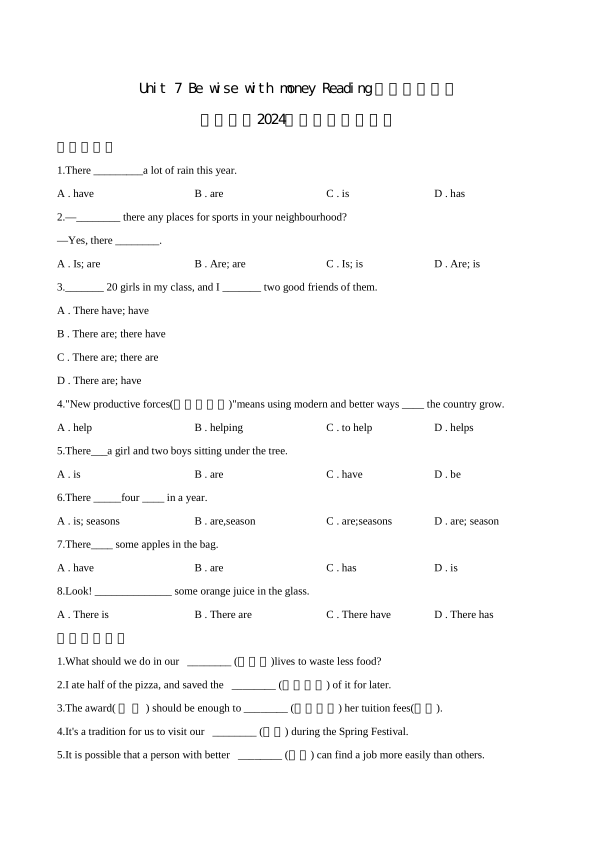
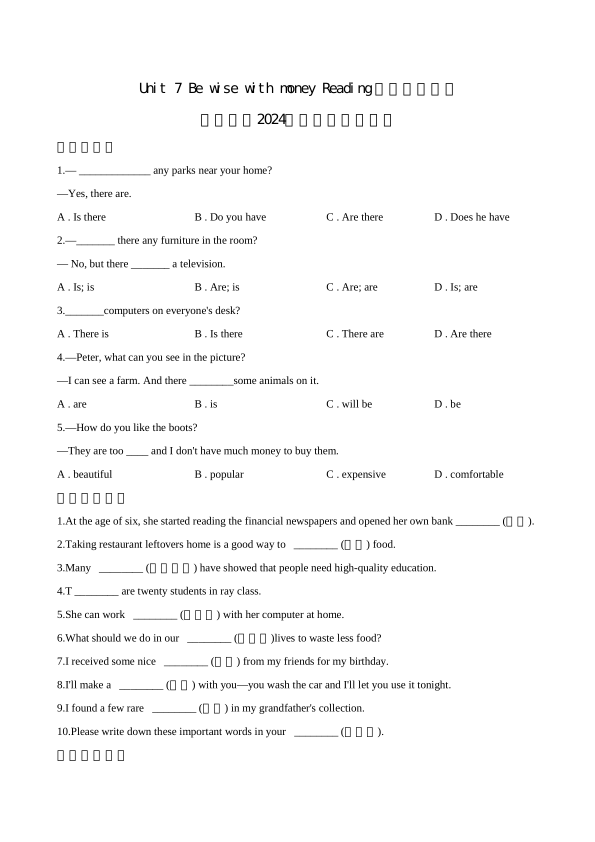
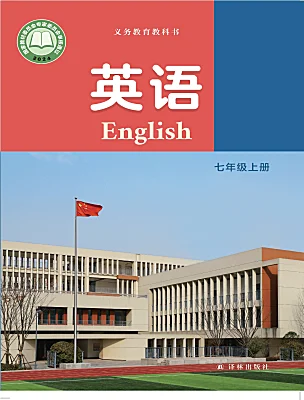
这是一份牛津译林版(2024)七年级上册(2024)Unit 7 Be wise with money优秀习题,文件包含Unit7Bewisewithmoney人际交往话题阅读精练原卷版docx、Unit7Bewisewithmoney人际交往话题阅读精练解析版docx等2份试卷配套教学资源,其中试卷共20页, 欢迎下载使用。
时文阅读
Passage1
Mney Custms: East vs West
东西方的金钱习俗
【长难句分析】
1. In China, kids get lucky mney in red envelpes during Spring Festival—it’s a wish fr gd luck.
翻译:在中国,孩子们在春节期间会收到红包里的压岁钱 —— 这是对好运的祝愿。
分析:句子由两个部分组成,前半部分是主干(kids get lucky mney),包含地点(In China)、方式(in red envelpes)和时间(during Spring Festival)状语;后半部分用破折号连接,是对 “lucky mney” 的补充说明,其中 “it” 指代前文的 “lucky mney”。
2. They learn t budget early: sme fr tys, sme fr snacks, and sme in the piggy bank.
翻译:他们很早就学习做预算:一部分(钱)用来买玩具,一部分用来买零食,还有一部分存进存钱罐。
分析:主干是 “They learn t budget early”,冒号后的内容是对 “budget” 的具体举例,用 “sme... sme... and sme...” 结构列举了钱的不同用途,简洁清晰地说明 “做预算” 的含义。
3. Understanding these differences helps us be wise with mney everywhere!
翻译:了解这些差异有助于我们在任何地方都能明智地对待金钱!
分析:句子的主语是动名词短语 “Understanding these differences”,谓语是 “helps”,宾语是 “us”,宾语补足语是 “be wise with mney”;“everywhere” 是地点状语,强调适用范围。
【重难词汇梳理】
模块
语篇
题型
体裁
词数
内容简介
时文阅读
Passage1
阅读理解
说明文
107
本文介绍了中外金钱文化差异。
Passage2
阅读理解
说明文
102
本文介绍了红包的传统与意义。
实战演练
Passage1
完形填空
记叙文
244
本文描述了父亲教儿子懂劳动。
Passage2
阅读理解
寓言
192
本文介绍了郑人买鞋信尺码。
Passage3
阅读理解
记叙文
194
本文介绍了儿子安慰压力大的母亲。
Passage4
阅读理解
说明文
206
本文介绍了购物节及看法。
Mney talks differently arund the wrld! In China, kids get lucky mney in red envelpes during Spring Festival—it’s a wish fr gd luck. Parents ften tell them t save it fr a rainy day.
In Western cuntries, like the US, kids get "allwances" weekly fr chres. They learn t budget early: sme fr tys, sme fr snacks, and sme in the piggy bank.
When giving gifts, Chinese might refuse plitely at first, but Westerners say "thank yu" right away. Spending habits vary t—Chinese families ften save mre, while Western families may spend mre n experiences like trips.
Understanding these differences helps us be wise with mney everywhere!
钱在世界各地的 “说法” 大不相同!在中国,孩子们春节会收到红包压岁钱,寓意着好运。父母常告诉他们要存钱以备不时之需。
在西方国家,比如美国,孩子们通过做家务每周获得 “零花钱”。他们早早学会做预算:一部分买玩具,一部分买零食,还有一部分存进存钱罐。
送礼物时,中国人可能会先礼貌推辞,而西方人会立刻说 “谢谢”。消费习惯也有差异 —— 中国家庭通常储蓄更多,西方家庭则可能在旅行等体验上花更多钱。
了解这些差异能帮我们在任何地方都明智地管理金钱!
talk (v.) 表达;说话 /tɔːk/
lucky (adj.) 幸运的 /ˈlʌki/
envelpe (n.) 信封 /ˈenvələʊp/
festival (n.) 节日 /ˈfestɪvl/
allwance (n.) 零花钱 /əˈlaʊəns/
weekly (adv.) 每周地 (adj.) 每周的 /ˈwiːkli/
chre (n.) 家务;日常事务 /tʃɔː(r)/
budget (v.) 做预算 (n.) 预算 /ˈbʌdʒɪt/
refuse (v.) 拒绝 /rɪˈfjuːz/
plitely (adv.) 礼貌地 /pəˈlaɪtli/
vary (v.) 不同;变化 /ˈveəri/
experience (n.) 经历;体验 /ɪkˈspɪəriəns/
Passage2
Red Packets' Blessings
红包里的祝福
During Spring Festival, Chinese kids lk frward t red packets mst! They cntain new paper mney. Elders give them t yunger generatins, meaning "lucky mney" — t keep bad luck away and prtect kids' safety.
春节时,中国孩子最期待的就是红包啦!红包里装着崭新的纸币,长辈亲手递给晚辈,寓意 “压岁钱”—— 压住邪祟,保佑孩子平安长大。
The earliest lucky mney wasn't paper, but cpper cins strung with red thread, placed under kids' pillws. Nw, besides paper red packets, "electrnic red packets" n phnes are ppular — just tap t receive blessings!
最早的压岁钱不是钱,而是用红线串起的铜钱,放在孩子枕头下。现在,除了纸质红包,手机上的 “电子红包” 也很流行,一点就能收到祝福!
Smart kids save the mney t buy statinery r small gifts fr family. This little red packet, filled with lve and wisdm, is a warm traditin in Chinese families!
收到红包后,聪明的孩子会存起来买文具,或者给家人买小礼物。这小小的红包,装着爱与智慧,是中国家庭温暖的传承呢!
【长难句分析】
1. Elders give them t yunger generatins, meaning "lucky mney" — t keep bad luck away and prtect kids' safety.
翻译:长辈们把它们(红包)给晚辈,意思是 “压岁钱”—— 用来驱走坏运气并保护孩子们的安全。
分析:句子主干是 “Elders give them t yunger generatins”;“meaning...” 是现在分词短语作伴随状语,解释红包的含义;破折号后的 “t keep... and prtect...” 是不定式短语,说明压岁钱的目的,由 and 连接两个并列动作。
2. The earliest lucky mney wasn't paper, but cpper cins strung with red thread, placed under kids' pillws.
翻译:最早的压岁钱不是纸币,而是用红绳串起来的铜钱,被放在孩子们的枕头下面。
分析:句子主干是 “The earliest lucky mney wasn't paper, but cpper cins”,使用 “nt... but...” 结构表示 “不是…… 而是……”;“strung with red thread” 是过去分词短语作定语,修饰 “cpper cins”,表示 “用红绳串起来的”;“placed under kids' pillws” 也是过去分词短语作定语,进一步说明铜钱的放置位置。
【重难词汇梳理】
Spring Festival (n.) 春节 /sprɪŋ ˈfestɪvl/
packet (n.) 小包;红包 /ˈpækɪt/
cntain (v.) 包含;容纳 /kənˈteɪn/
elder (n.) 长辈 /ˈeldə(r)/
generatin (n.) 一代(人) /ˌdʒenəˈreɪʃn/
lucky (adj.) 幸运的 /ˈlʌki/
earliest (adj.) 最早的 /ˈɜːliɪst/
cpper (n.) 铜;铜币 /ˈkɒpə(r)/
cin (n.) 硬币 /kɔɪn/
string (v.) 用线串 /strɪŋ/
thread (n.) 线 /θred/
electrnic (adj.) 电子的 /ɪˌlekˈtrɒnɪk/
tap (v.) 轻敲 /tæp/
blessing (n.) 祝福 /ˈblesɪŋ/
statinery (n.) 文具 /ˈsteɪʃənri/
实战演练
Passage1
(24-25七年级上·南京·单元测)
Lng ag, there lived a man in a village. The man had a lt f 1 , but he always wrried abut his sn David. David 2 thught abut his future. He believed that his 3 was s rich (富有的) that he culd live a gd life withut ding any hard wrk.
The man wanted t teach his sn hw 4 wrk was. S he tld David t wrk, get mney and 5 his meals at hme every day. But ther family members didn't like this idea. S they gave David mney secretly (秘密地).
Behind their huse, there was a 6 . One day, the man asked David t thrw his mney int it. David didn't knw why his father asked him t d s, 71 he still threw the mney int the river withut hesitatin (犹豫). Then the man knew that David didn't wrk and his family helped him. He tld them the lessn he wanted David t 8 . S they agreed nt t d s.
S David had t 9 all day lng t make mney. Mnths later, his father asked him t thrw the mney int the river again. But this time, David didn't 10 as his father tld him and said, "Father, I wrk hard t make mney. I can't thrw it int the river."
Hearing this, the man knew that his sn really learned this imprtant lessn.
1. A. timeB. mneyC. fieldsD. animals
2. A. ftenB. smetimesC. neverD. usually
3. A. fatherB. cusinC. snD. friend
4. A.easyB. imprtantC. interestingD. difficult
5. A. ask frB. wait frC. lk frD. pay fr
6. A. frestB. hillC. riverD. lake
7. A. butB. rC. whenD. until
8. A. teachB. learnC. giveD. knw
9. A. wrkB. exerciseC. thinkD. study
10. A. sayB. lkC. startD. d
【答案】
1. B2. C3. A4. B5. D 6. C7. A8. B9. A10. D
【导语】本文讲述了一位富有的父亲为了让儿子大卫明白劳动的重要性而采取的教育方法。大卫原本认为父亲很富有,自己无需努力就能过上好日子,从不考虑未来。父亲让他通过劳动赚钱支付家用,但家人偷偷给钱,大卫并未真正劳动。父亲让大卫把钱扔进屋后的河里,大卫毫不犹豫照做,父亲由此发现家人的帮助。之后家人不再帮忙,大卫不得不努力工作赚钱。当父亲再次让他扔钱时,大卫拒绝了,因为他深知钱是自己辛苦挣来的,父亲也因此知道儿子真正明白了劳动的意义。
1. 句意 “这个人有很多____,但他总是担心他的儿子大卫”。根据后文 “he believed that s rich” 可知,父亲很富有,因此此处应填 “钱”。答案 B(mney)与上下文 “rich” 呼应,表明父亲的财富状况。
2. 句意 “大卫____考虑他的未来”。结合后文 “he culd live a gd life withut ding any hard wrk”,可知大卫觉得无需劳动,所以从不考虑未来。答案 C(never)符合语境,与 “withut ding any hard wrk” 体现的态度一致。
3. 句意 “他认为他的____很富有,以至于他不用做任何辛苦的工作就能过上好日子”。全文围绕父亲和儿子展开,此处 “他” 指大卫,所以是他的父亲富有。答案 A(father)与前文 “the man had a lt f mney” 对应,明确大卫依赖的对象。
4. 句意 “这个人想教他的儿子劳动是多么____”。父亲让儿子劳动赚钱,最终目的是让他明白劳动的重要性。答案 B(imprtant)符合父亲的教育目的,从后文儿子拒绝扔钱的行为也能体现劳动的重要性。
5. 句意 “所以他告诉大卫每天要工作、赚钱并在家____餐费”。工作赚钱的目的是支付费用,“pay fr” 表示 “支付”。答案 D(pay fr)与 “get mney” 逻辑一致,赚钱是为了支付餐费。
6. 句意 “他们的房子后面有一条____”。后文提到 “he still threw the mney int the river”,可知此处是河流。答案 C(river)与下文 “threw the mney int the river” 直接对应。
7. 句意 “大卫不知道父亲为什么让他这么做,____他还是毫不犹豫地把钱扔进了河里”。前后句是转折关系,“不知道原因” 但 “还是照做”。答案 A(but)表转折,符合句子逻辑。
8. 句意 “他告诉他们他想让大卫____的教训”。父亲的行为是为了让儿子学到教训,“learn the lessn” 是固定搭配。答案 B(learn)与前文 “the man wanted t teach his sn” 呼应,教的目的是让儿子学。
9. 句意 “所以大卫不得不整天____赚钱”。家人不再帮忙,大卫只能通过劳动赚钱,与前文 “tld David t wrk” 呼应。答案 A(wrk)符合语境,是赚钱的方式。
10. 句意 “但这次,大卫没有按照父亲说的____,并说……”。此处指大卫没有做父亲让他做的事(扔钱),“d” 代指前文的 “thrw the mney”。答案 D(d)与前文 “asked him t thrw” 对应,表明大卫未执行该动作。
Passage 2
(24-25七年级上·南京·月考)
Once upn a time, there was a man in the state f Zheng. One day he wanted t buy himself a pair f new shes. Befre he went t a she shp, he measured (测量) his feet with a ruler and then wrte dwn his size n a piece f paper.
Later, he arrived at the she shp and decided which shes t buy. But when he reached int his pcket, he fund the paper was nt there. S he said t the shpkeeper, "I left the paper at hme and I dn't knw my she size. I have t g back hme t get it."
He ran back hme, fund the paper and then ran t the shp again. But it tk him abut tw hurs and the shp was clsed. He spent the whle afternn n the way and did nt buy his shes at last.
Smene asked him, "Did yu want t buy the shes fr yurself?"
"Of curse," he answered.
"Then why didn't yu try the shes n? Why did yu need the she size?"
"I trust the ruler mre than my feet," he answered.
1. Where did the man live?
A. Near a she shp.B. In the state f Zheng.
C. In a big city.D. We dn't knw.
2. What did he frget t take?
A. Mney.B. His shpping list.
C. The ruler t measure his feet.D. The paper with his she size.
3. Hw lng did it take him t g back hme and return t the shp?
A. Abut ne hur.B. Abut tw hurs.
C. Abut three hurs.D. The whle afternn.
4. Why didn't he buy the shes?
A. The shp was t far away.B. He gt lst when he returned.
C. The shp was clsed when he returned.D. He didn't have enugh mney t buy the shes.
5. What can we learn frm the stry?
A. We shuld trust facts mre than rules.
B. We shuld remember everything befre ging ut.
C. We shuld ask thers fr help if in truble.
D. We shuld take a ruler with us when buying shes.
【答案】
1. B2. D3. B4. C5. A
【导语】这是一篇寓言故事。故事讲述了郑国有个人想买鞋,他先量好脚的尺寸写在纸上,买鞋时却发现纸条忘在家里,于是跑回家取,等再返回时鞋店已经关门。当被问及为何不直接试鞋时,他表示更相信尺子而非自己的脚。其主旨是讽刺那些墨守成规、不尊重客观事实的人,告诉我们应重视实际情况而非教条。
1. 细节理解题。题干问 “这个人住在哪里”。文中第一句明确提到 “Once upn a time, there was a man in the state f Zheng.”,直接表明这个人住在郑国,所以答案选 B。
2. 细节理解题。题干问 “他忘记带什么了”。文中第二段提到 “But when he reached int his pcket, he fund the paper was nt there. S he said t the shpkeeper, "I left the paper at hme and I dn't knw my she size..."”,说明他忘记带写有自己鞋码的纸,答案选 D。
3. 细节理解题。题干问 “他回家再返回商店花了多长时间”。文中第三段指出 “He ran back hme, fund the paper and then ran t the shp again. But it tk him abut tw hurs...”,清晰说明往返花费了大约两小时,答案选 B。
4. 细节理解题。题干问 “他为什么没买到鞋”。第三段提到 “But it tk him abut tw hurs and the shp was clsed. He spent the whle afternn n the way and did nt buy his shes at last.”,可知因为他返回时商店已经关门了,所以没买到鞋,答案选 C。
5. 推理判断题。题干问 “从这个故事中我们能学到什么”。故事中这个人宁愿相信写有鞋码的纸,也不相信自己的脚,最终没买到鞋,这讽刺了那些过于拘泥于规则而忽视事实的人。A 选项 “我们应该相信事实而非规则” 符合故事传达的道理;B 选项 “出门前应该记住所有事情” 并非故事重点;C 选项 “遇到麻烦时应该向别人求助” 在故事中未体现;D 选项 “买鞋时应该带尺子” 与故事主旨相悖,所以答案选 A。
Passage3
(24-25七年级上·南京·期末)
阅读短文,回答短文后的问题。每题答案不超过 10 个词。
I wrked tw jbs t raise my 6-year-ld sn all by myself. Every week, I wrried abut nt having enugh mney. In the evenings, my sn and I spent a little time tgether playing games r reading, but he culd feel my stress even thugh I tried t hide it frm him.
One night, I read him a stry abut a family wh had everything: a new car, beautiful hme... a full life that was different frm ur wn, like smething frm a fairy tale. Tears came t my eyes. I turned away s my sn wuldn't see me like this.
But my yung and very smart little by seemed t understand what I was feeling. He said, "Mummy, dn't cry. This family might have a lt f things but yu knw what? We are rich t."
I lked at him, nt quite sure what he meant. He went n, “We might nt have a lt, but we are healthy, and we lve each ther. Mney can’t buy that.”
I smiled and said, "Yes, yu are right. Let me give yu a kiss." I kissed his cheek and hugged him fr a lng time.
1. Hw did the mther raise her 6-year-ld sn all by herself?
2. What did the mther and sn spend time ding in the evenings?
3. Why did the mther cry when she read the stry t her sn?
4. What is the sn in the stry like?
5. Are the mther and the sn rich r pr? Why?
【答案】
1. She wrked tw jbs.
2. Playing games r reading.
3. The stry family had a full life.
4. Yung, smart and understanding.
5. Rich, fr they lve each ther.
【导语】这是一篇记叙文。文章讲述了一位母亲独自打两份工抚养 6 岁儿子,生活拮据且压力大,一次给儿子读故事时因羡慕故事中家庭而落泪,儿子却懂事地安慰她,称他们虽物质不多但拥有健康和爱,同样富有,让母亲倍感欣慰。
1. 题目意思是 “这位母亲是如何独自抚养她 6 岁的儿子的?”。文中第一句明确提到 “I wrked tw jbs t raise my 6-year-ld sn all by myself.”,可知答案是 “She wrked tw jbs.”,依据就是该句。
2. 题目意思是 “母亲和儿子晚上花时间做什么?”。根据 “In the evenings, my sn and I spent a little time tgether playing games r reading”,能得出答案 “Playing games r reading.”,依据为该句。
3. 题目意思是 “母亲给儿子读故事时为什么哭了?”。文中提到 “read him a stry abut a family wh had everything... a full life that was different frm ur wn... Tears came t my eyes.”,说明是因为故事中的家庭生活富足,所以答案是 “The stry family had a full life.”,依据是此部分内容。
4. 题目意思是 “故事中的儿子是什么样的?”。由 “But my yung and very smart little by seemed t understand what I was feeling.” 可知儿子年幼、聪明且善解人意,答案是 “Yung, smart and understanding.”,依据是该句。
5. 题目意思是 “这对母子是富有还是贫穷?为什么?”。根据儿子所说 “We might nt have a lt, but we are healthy, and we lve each ther. Mney can’t buy that.”,可知他们精神上富有,因为彼此相爱,答案是 “Rich, fr they lve each ther.”,依据是儿子的话。
Passage4
(24-25七年级上·南京·期中)
Tday, there are a lt f shpping festivals all ver the wrld. Hw much d yu knw abut them?
The Duble 11, r Singles' Day, is China's biggest shpping event. It begins in late Octber and peaks n 11 Nvember every year. At first, nly the nline shps give discunt n their gds. In recent years, there is als a big sale in stres r shpping malls n this day.
The US has similar shpping festivals like Black Friday and Cyber Mnday. Black Friday gets this name because shps are used t writing dwn sales figures (销售数字) with black ink. On this day, prducts are always at gd prices and sell well, s there are a lt f black figures n a page. Black Friday cmes in Nvember t. T buy things they need, peple get up very early, at 2 a.m. r 3 a.m., and wait in line ut f the stres befre they pen. Smetimes there are t many peple and sme f them can't get int the stres.
I am disgusted with all the shpping festivals. Sme peple spend t much mney and time buying things they dn't really need. What d yu think f these shpping festivals?
1. Which festival is in Nvember?
A. Singles' Day.B. Black Friday.C. The Duble 12.D. Cyber Mnday.
2. What d "black figures" mean?
A. Figures that shw hw many prducts are sld.
B. Figures that represent bad luck.
C. Figures that tell hw many peple wait in line.
D. Figures that shw hw many brken prducts there are.
3. What d peple usually d n Black Friday?
A. They have a big party.B. They buy mst things nline.
C. They have a big dinner.D. They wait utside the stres.
4. What des "disgusted" mean?
A. Dn't sell.B. Dn't knw.C. Dn't like.D. Dn't have.
5. Which is the best title?
A. Happy days fr the USB. Different shpping festivals
C. Buying things nlineD. Welcme t the stres
【答案】
1. B2. A3. D4. C5. B
【导语】这是一篇说明文,主要介绍了世界上的一些购物节,包括中国的 “双十一”(光棍节)以及美国的 “黑色星期五” 和 “网络星期一”,还提及了作者对这些购物节的反感,认为人们会在这些节日上花费过多金钱和时间购买非必需的物品。
1. 细节理解题。题目询问哪个节日在十一月。文中提到 “The Duble 11... peaks n 11 Nvember every year” 以及 “Black Friday cmes in Nvember t”,“Cyber Mnday” 虽与 “Black Friday” 同属美国类似购物节,但文中未明确其在十一月;“The Duble 12” 未提及。而选项 B “Black Friday” 明确被说明在十一月,所以该选项符合语境。
2. 词义猜测题。题目问 “black figures” 是什么意思。文中指出 “Black Friday gets this name because shps are used t writing dwn sales figures with black ink. On this day, prducts... sell well, s there are a lt f black figures n a page”,由此可知 “black figures” 指的是显示商品销售情况的数字,选项 A “Figures that shw hw many prducts are sld” 符合语境,是根据上述句子得出的答案。
3. 细节理解题。题目问人们在黑色星期五通常做什么。文中提到 “T buy things they need, peple get up very early... and wait in line ut f the stres befre they pen”,说明人们在黑色星期五会在商店外排队等待,选项 D “They wait utside the stres” 符合语境,与文中描述一致。
4. 词义猜测题。题目询问 “disgusted” 的意思。后文提到 “Sme peple spend t much mney and time buying things they dn't really need”,这是作者对购物节的负面看法,由此可推测 “disgusted” 表示 “不喜欢”,选项 C“Dn't like” 符合语境。
5. 主旨大意题。题目要求选出最佳标题。文章围绕不同的购物节展开介绍,选项 A “Happy days fr the US” 仅涉及美国,片面;选项 C “Buying things nline” 并非文章重点;选项 D “Welcme t the stres” 与文章内容不符。选项 B “Different shpping festivals” 能概括全文主要内容,符合语境。
这是一份牛津译林版(2024)七年级上册(2024)Unit 7 Be wise with money优秀习题,文件包含Unit7Bewisewithmoney人际交往话题阅读精练原卷版docx、Unit7Bewisewithmoney人际交往话题阅读精练解析版docx等2份试卷配套教学资源,其中试卷共20页, 欢迎下载使用。
这是一份牛津译林版(2024)七年级上册(2024)Module 2 Colourful lifeUnit 7 Be wise with money精品习题,共3页。试卷主要包含了根据所给中文提示,单项选择,根据所给中文完成句子,阅读表达等内容,欢迎下载使用。
这是一份初中英语牛津译林版(2024)七年级上册(2024)Unit 7 Be wise with money课时练习,共6页。试卷主要包含了选择题,单词拼写,句型转换,翻译,完形填空,阅读理解等内容,欢迎下载使用。
 新教材
新教材
注册成功
资料篮

在线客服
添加在线客服
获取1对1服务
官方微信
关注“教习网”公众号
打开微信就能找资料
赛课定制
添加在线客服
获取1对1定制服务
职称咨询
添加在线客服
获取1V1专业指导服务

免费福利

.png)
.png)